English
 中文简体
中文简体 Español
 عربى
عربى
Product Consultation
Your email address will not be published. Required fields are marked *

 EN
EN

Content
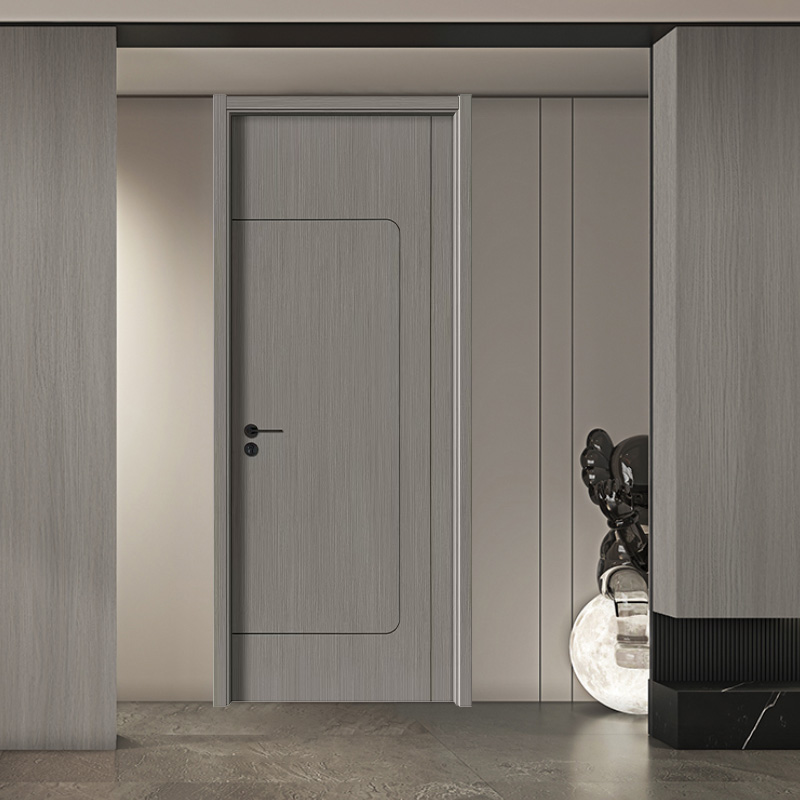
The structural integrity and long-term performance of Wood Plastic Composite Doors represent a significant milestone in material science, combining the natural aesthetics of timber with the high-performance durability of thermoplastic polymers. A "Wood Plastic Composite Doors" system is not merely a mixture of materials but a highly engineered matrix where wood flour and polyvinyl chloride (PVC) or polyethylene (PE) are fused at a molecular level through a process known as reactive extrusion. This fusion creates a substrate that is immune to the traditional failings of solid wood, such as warping, rot, and termite infestation. By utilizing precise ratios of wood fibers and plastic resins, "Wood Plastic Composite Doors" offer a density and screw-holding capacity that exceeds that of traditional MDF or particleboard. The core objective of implementing Wood Plastic Composite Doors in modern architecture is to provide a dimensionally stable barrier that can withstand extreme environmental fluctuations without compromising its functional or aesthetic qualities.
The primary advantage of Wood Plastic Composite Doors lies in their unique internal architecture, which prevents water absorption and thermal expansion, the two main enemies of interior and exterior joinery.
Encapsulation Technology and Hydrophobic Properties: In the manufacturing of Wood Plastic Composite Doors, the wood flour is meticulously dried and then fully encapsulated by the plastic resin during the high-temperature extrusion process. This encapsulation means that each individual wood fiber is coated in a waterproof polymer shield. Unlike traditional timber doors, where cell walls absorb moisture and cause swelling, "Wood Plastic Composite Doors" exhibit a water absorption rate of nearly zero percent. This makes them ideal for high-humidity environments such as bathrooms, kitchens, and coastal regions. Because the moisture cannot penetrate the core of the Wood Plastic Composite Doors, the risk of fungal growth, mold, and internal rot is entirely eliminated, ensuring the door remains as hygienic as it is durable.
Dimensional Stability and Resistance to Warping: One of the most critical engineering challenges solved by Wood Plastic Composite Doors is dimensional variance. Natural wood expands and contracts with changes in seasonal humidity, leading to sticking frames and cracked panels. "Wood Plastic Composite Doors" utilize a homogeneous structure that distributes internal stresses evenly. During the cooling phase of production, the internal honeycomb or solid core of the door is stabilized, preventing the "bowing" effect common in laminate or veneer doors. This stability ensures that the Wood Plastic Composite Doors maintain a perfect seal within the frame for decades, enhancing the acoustic and thermal insulation of the room.
Advanced Additive Integration for Longevity: To further enhance the performance of Wood Plastic Composite Doors, various chemical additives are integrated into the melt. These include UV stabilizers to prevent color fading when exposed to sunlight, coupling agents to strengthen the bond between the wood and plastic, and impact modifiers that make the "Wood Plastic Composite Doors" resistant to heavy physical trauma. Unlike hollow core doors that puncture easily, the dense composition of Wood Plastic Composite Doors provides a substantial feel and high impact resistance, making them suitable for both residential and heavy-traffic commercial applications.
The table below provides a technical comparison between Wood Plastic Composite Doors and traditional door materials:
|
Technical Property |
Wood Plastic Composite Doors |
Solid Natural Wood |
MDF / HDF Doors |
|---|---|---|---|
|
Moisture Absorption |
< 0.5% (Impermeable) |
8% - 15% (High) |
12% - 20% (High) |
|
Termite Resistance |
100% Resistant |
Vulnerable |
Highly Vulnerable |
|
Formaldehyde Emission |
E0 Grade (Eco-friendly) |
Natural variations |
Often E1 or E2 Grade |
|
Surface Hardness |
65 - 75 (Shore D) |
30 - 50 (Variable) |
40 - 60 (Low) |
|
Fire Retardancy |
Class B1 (Self-extinguishing) |
Flammable |
Highly Flammable |
|
Maintenance Need |
Zero (No painting required) |
High (Periodic staining) |
Moderate (Veneer care) |
The quality of Wood Plastic Composite Doors is dictated by the precision of the extrusion and lamination phases, which convert raw materials into a finished architectural product.
High-Pressure Twin-Screw Extrusion: The production of a high-quality "Wood Plastic Composite Doors" panel begins with the twin-screw extruder. This machine subjects the wood-plastic mixture to intense heat and pressure, forcing the molten material through a precision-engineered die. This process creates the main hollow-chamber structure of the Wood Plastic Composite Doors, which provides an excellent strength-to-weight ratio. The hollow chambers act as acoustic buffers, significantly reducing sound transmission between rooms. By controlling the cooling rate through a vacuum calibration system, manufacturers ensure that the Wood Plastic Composite Doors emerge with a perfectly flat surface and consistent thickness across the entire length of the panel.
Seamless Surface Finishing and Cold-Glue Lamination: Once the core panel of the Wood Plastic Composite Doors is formed, it undergoes a surface treatment process. Unlike traditional doors that require solvent-based paints, "Wood Plastic Composite Doors" are often finished using high-quality PVC films or wood grain veneers applied through cold-glue or PUR (Polyurethane) hot-melt lamination. This creates a seamless finish that is resistant to peeling and scratching. The aesthetic versatility of Wood Plastic Composite Doors allows them to mimic the texture of oak, walnut, or teak while maintaining the superior physical properties of the composite core. Because the lamination is done in a controlled factory environment, the resulting Wood Plastic Composite Doors feature edge-banding that is virtually invisible and completely water-resistant.
CNC Precision Machining and Customization: Modern Wood Plastic Composite Doors are compatible with high-precision CNC (Computer Numerical Control) machining. This allows for the integration of complex locking systems, hinge pockets, and decorative glass inserts without splintering the material. The density of the "Wood Plastic Composite Doors" allows for deep-groove routing, enabling 3D designs and patterns that add depth and character to the door surface. This level of customization ensures that Wood Plastic Composite Doors can meet the specific design requirements of luxury hotels, modern apartments, and industrial facilities while maintaining structural integrity around the hardware mounting points.
Beyond their physical durability, Wood Plastic Composite Doors serve as active components in a building's energy efficiency and comfort strategy.
Thermal Barrier Performance and Energy Savings: Wood Plastic Composite Doors act as an effective thermal break. The combination of the polymer's low thermal conductivity and the air trapped within the internal hollow chambers creates a barrier that prevents heat transfer. In air-conditioned environments, "Wood Plastic Composite Doors" help maintain the internal temperature, reducing the load on HVAC systems and lowering energy consumption. The tight tolerances achieved during the manufacturing of Wood Plastic Composite Doors also allow for the installation of high-quality EPDM gaskets, which seal the gap between the door and the frame, further preventing drafts and thermal leakage.
Acoustic Damping and Sound Decibel Reduction: Acoustic privacy is a major requirement for bedroom and office doors, and Wood Plastic Composite Doors excel in this area due to their mass and internal geometry. The "Wood Plastic Composite Doors" substrate has inherent sound-dampening properties that absorb vibrations rather than reflecting them. Standard Wood Plastic Composite Doors can achieve a Sound Transmission Class (STC) rating that is significantly higher than that of hollow-core timber doors. This makes "Wood Plastic Composite Doors" the preferred choice for multi-family housing units where noise reduction between hallways and living areas is paramount for resident comfort.
Fire Retardancy and Safety Engineering: Safety is a non-negotiable aspect of door construction, and Wood Plastic Composite Doors are engineered to be inherently fire-resistant. The PVC resin used in "Wood Plastic Composite Doors" contains chlorine atoms that act as a natural flame retardant. When exposed to heat, Wood Plastic Composite Doors do not easily ignite; instead, they tend to char and self-extinguish once the heat source is removed. Unlike traditional wood doors that can fuel a fire, Wood Plastic Composite Doors provide critical extra minutes for evacuation and containment, meeting the stringent B1 fire safety standards required for commercial building codes. This combination of insulation, acoustics, and fire safety positions Wood Plastic Composite Doors as a comprehensive solution for modern infrastructure needs.

Wood Plastic Composite Doors: Why Are They the Smart Choice for Modern Homes and Buildings?
What Are the Key Factors to Consider When Selecting and Installing a Steel Door for Maximum Security and Durability?
Your email address will not be published. Required fields are marked *
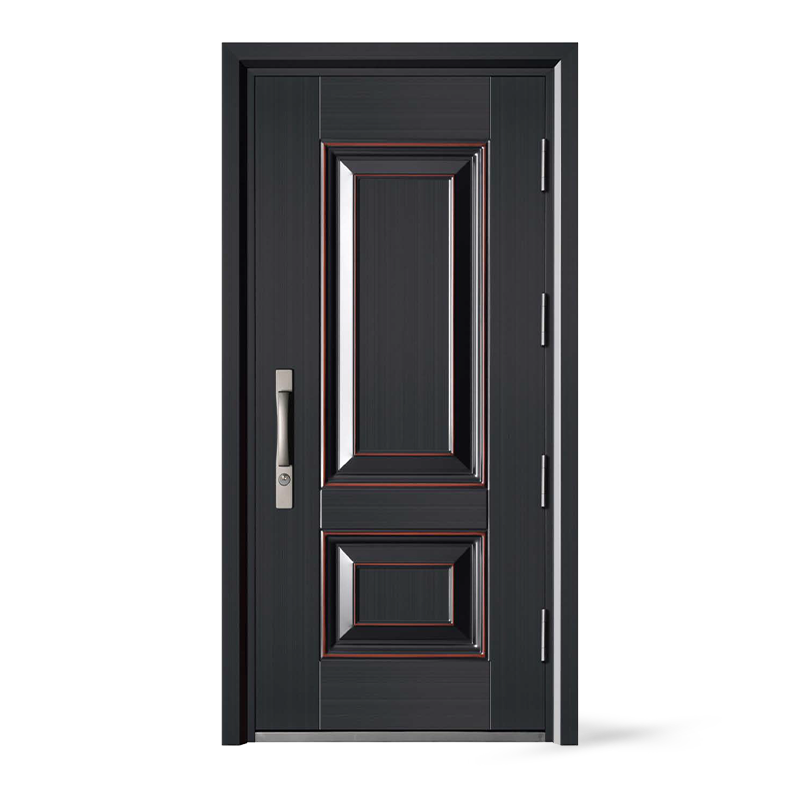
The copper color single opening UV resistant steel front door has a simple and elegant appearance design, a unique copper surface texture, and excellent decorative properties. It adopts advanced steel...
See Details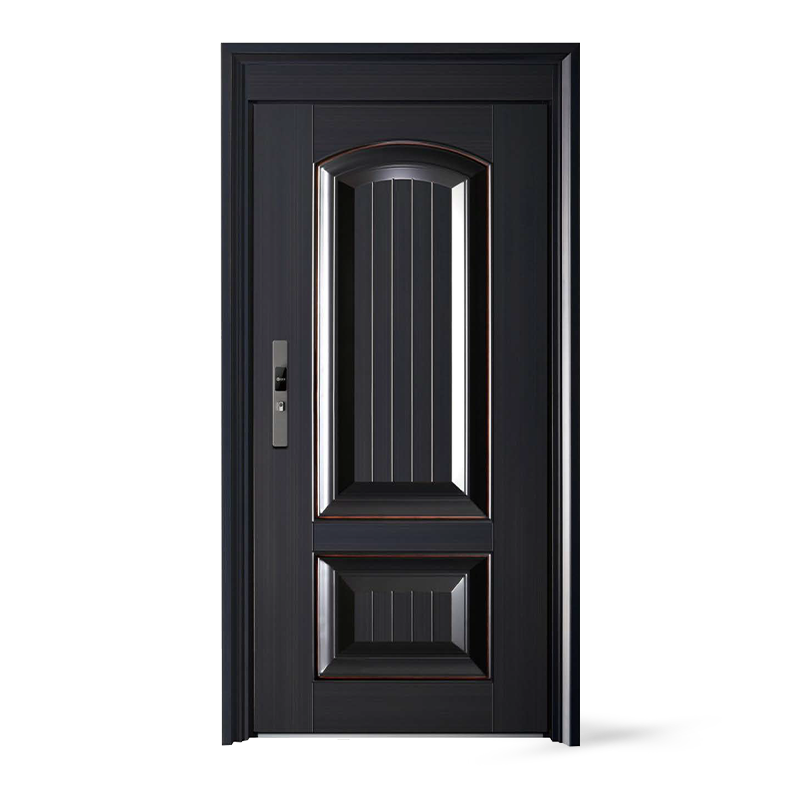
Metal steel single door security home main door is a high-quality door product designed for home security. It is made of high-quality steel, combined with modern technology and innovative design, perf...
See Details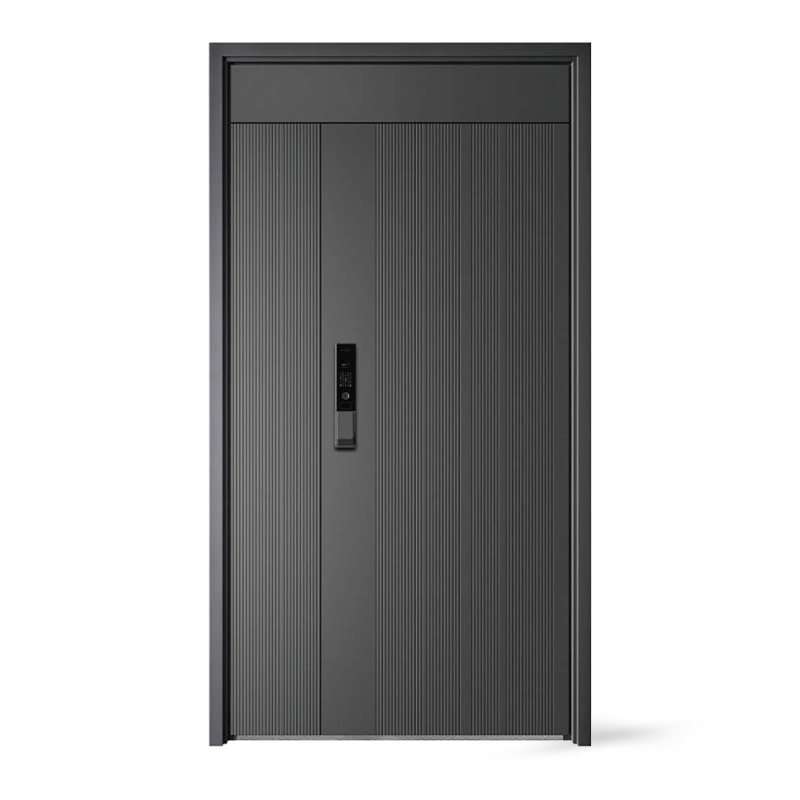
This double-layer steel fireproof and insulated front door is mainly composed of inner and outer double-layer steel plates, fireproof filling core material, inner frame reinforcement layer, heat insul...
See Details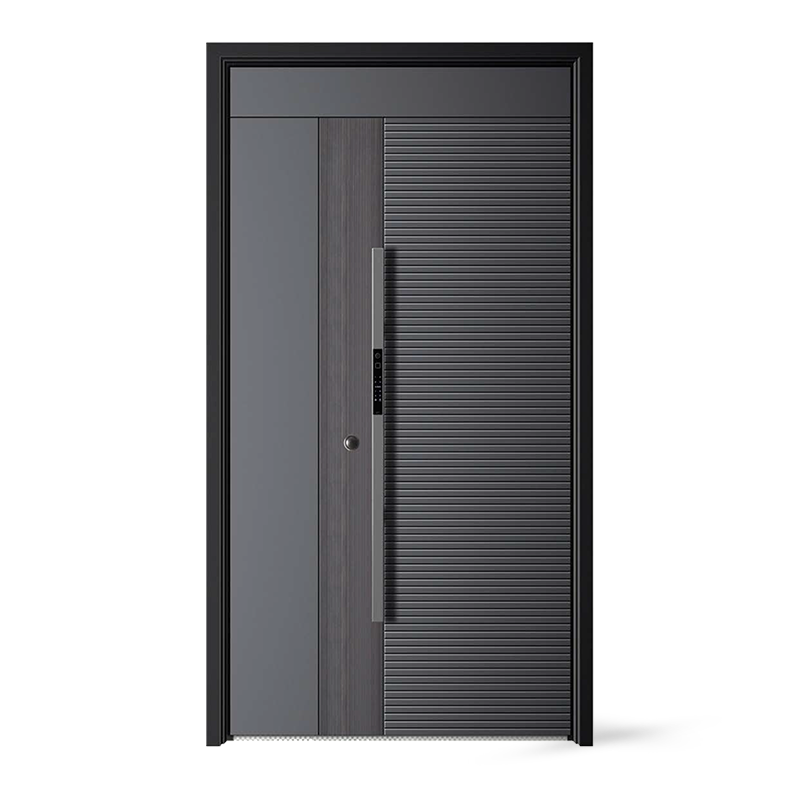
Grey design glass inset metal exterior steel front door is made of high-quality cold-rolled steel, which is precisely processed and treated to have extremely high strength and rigidity, and can effect...
See Details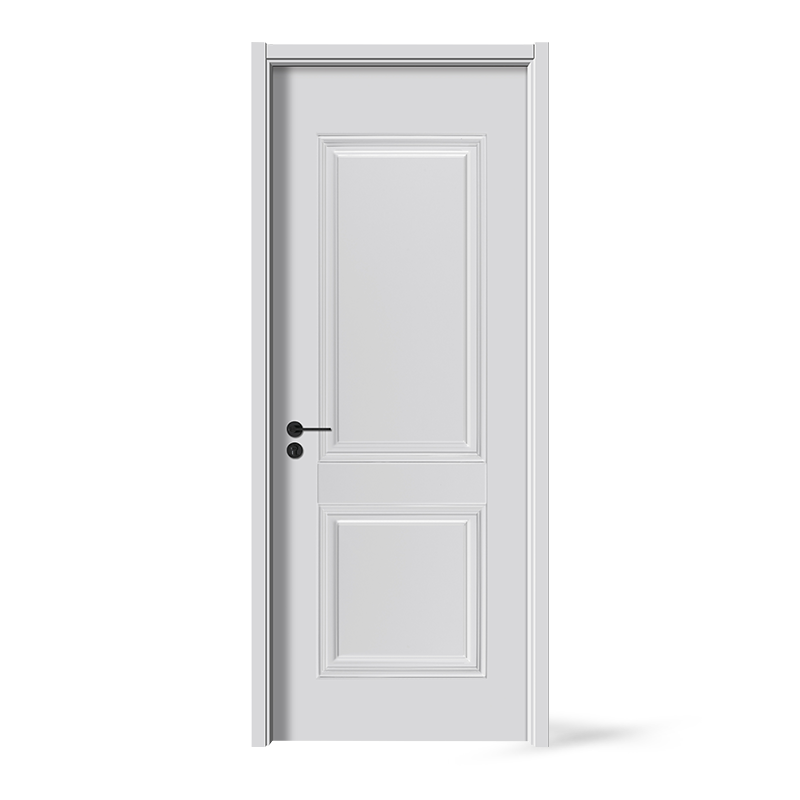
The core structure of PVC white painted teak board solid wood door is natural solid wood door core, and composite solid wood with good structural stability is selected as the basic skeleton. The solid...
See Details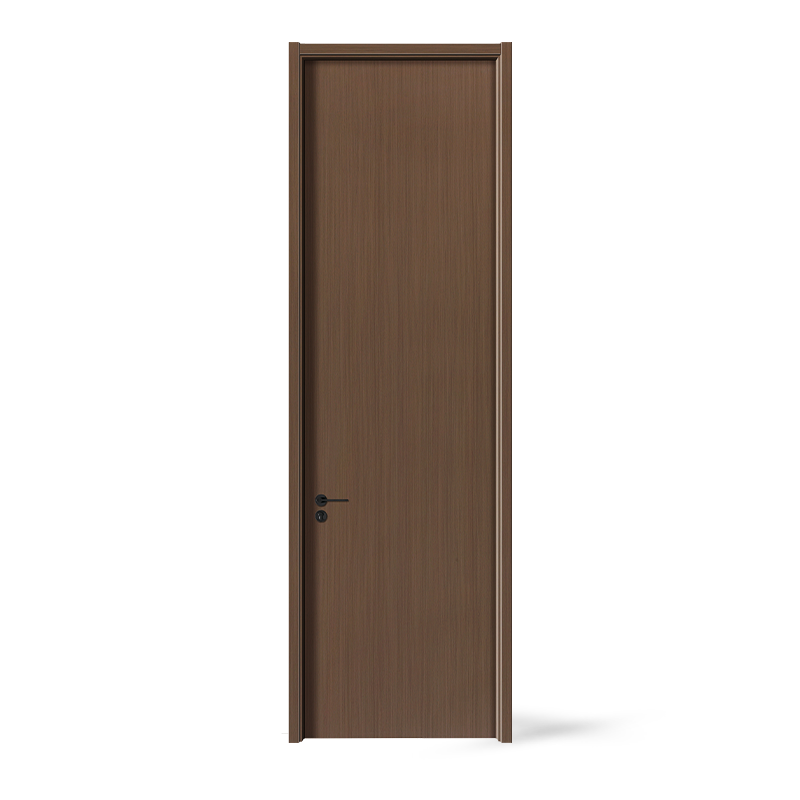
Black walnut veneer PVC interior solid wood door adopts multi-layer composite structure design. The core skeleton is generally composed of high-strength solid wood finger-jointed boards and fir integr...
See Details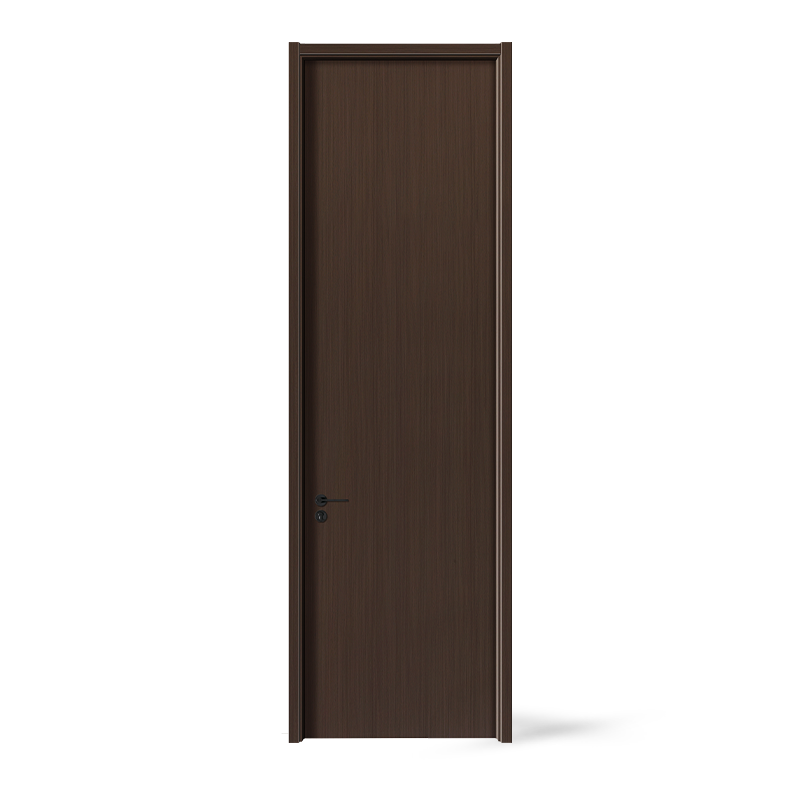
Indoor PVC wooden swing door is a high-quality door product that combines modern home design and practicality. It is widely used in various indoor spaces such as homes and offices. It uses PVC wood gr...
See Details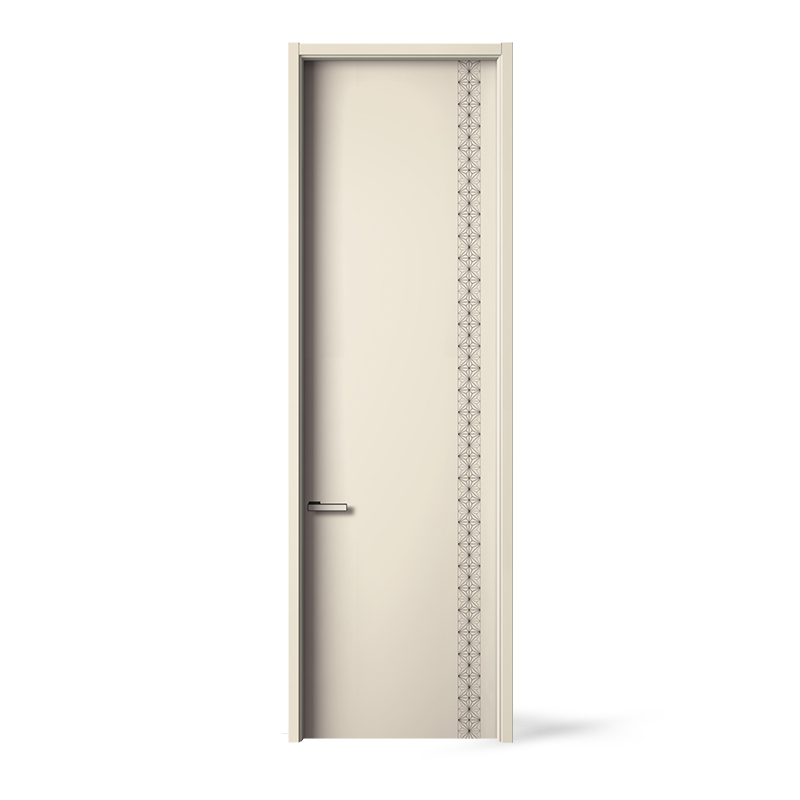
The core material of Xingyue White Waterproof Home Melamine Door uses strictly screened high-strength multi-layer solid wood boards as the base material. These base materials are made of high-quality ...
See Details1. Enhanced Durability and Weather Resistance of PVC Wood Doors PVC Wood Doors exhibit significantly enhanced durability and weather resistance when c...
READ MOREPVC Wood Doors' Innovative Materials: A Combination of Environmental Protection and Durability With the continuous evolution of modern home furnishing...
READ MOREIntroduction to Composite Wood Doors Composite wood doors have become a widely considered choice for homeowners and designers seeking alternatives to ...
READ MOREIn the world of home renovation and construction, the choice of doors is a critical decision that balances aesthetics, durability, and cost. While tra...
READ MORECopyright © Zhejiang Mingxuan Smart Home Co., Ltd. All Rights Reserved.