English
 中文简体
中文简体 Español
 عربى
عربى
Product Consultation
Your email address will not be published. Required fields are marked *

 EN
EN

Content
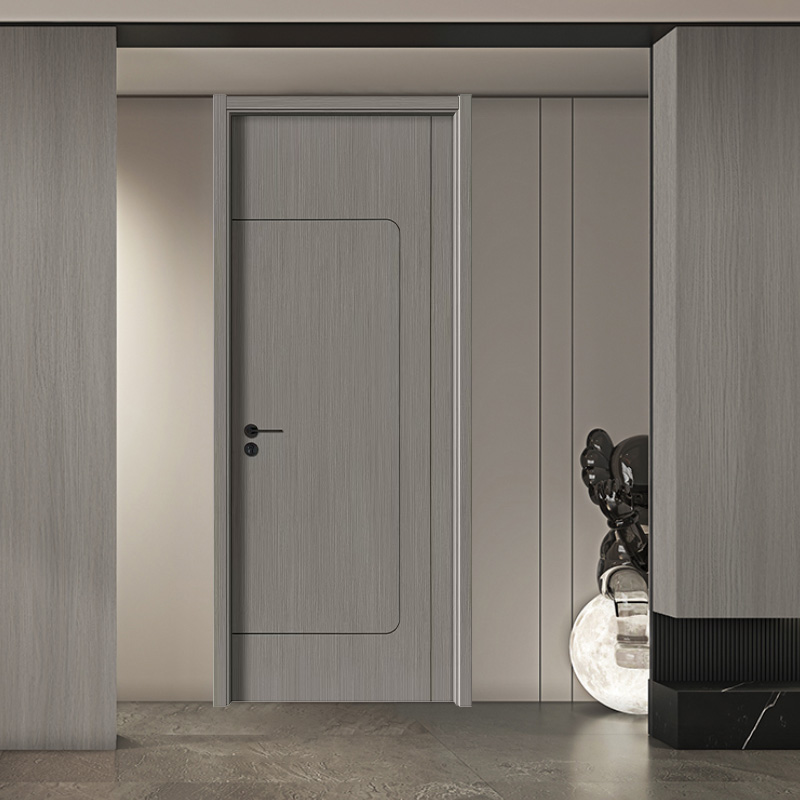
A wood plastic composite door is manufactured from a blend of wood fibers or wood flour and thermoplastic resins, typically polypropylene, polyethylene, or polyvinyl chloride. The mixture is extruded or compression-molded into door skins or complete door structures. The wood content, typically ranging from 40% to 70%, provides the natural appearance, texture, and workability. The plastic content binds the wood fibers together, provides moisture resistance, and allows the material to be molded into complex shapes, including raised panels, decorative moldings, and realistic wood grain textures. The resulting material is dense, rigid, and stable, with properties that exceed both solid wood and hollow plastic doors in many important respects. Advanced manufacturing techniques allow wood plastic composite doors to be produced with surfaces that closely mimic premium hardwoods such as oak, mahogany, cherry, or walnut, complete with realistic grain patterns and textures that can be distinguished from real wood only upon very close inspection.
The market for wood plastic composite doors has grown substantially over the past decade, driven by several converging trends. First, rising costs of premium hardwoods, combined with concerns about deforestation and sustainable forestry, have made solid wood doors less attractive to environmentally conscious consumers. Second, the increasing complexity of modern home design has created demand for doors that can be customized with various finishes, colors, and hardware options without lengthy lead times. Third, homeowners and building managers have grown tired of the maintenance burden associated with wooden doors, including periodic repainting, sealing, and repairs for warping or rot. Fourth, advances in composite manufacturing have dramatically improved the appearance and performance of WPC products, making them virtually indistinguishable from real wood in many applications. The following sections explore in depth why wood plastic composite doors have become the smart choice for so many applications and what factors should be considered when selecting these products.
The single most significant advantage of wood plastic composite doors over traditional wooden doors is their exceptional resistance to moisture and their resulting dimensional stability. Wood is a hygroscopic material, meaning it absorbs and releases moisture in response to changes in ambient humidity. When a wooden door absorbs moisture, it swells. When it dries out, it shrinks. These dimensional changes cause a host of problems: doors that stick in their frames during humid summer months and rattle loosely during dry winter months; paint and finish that crack as the wood moves; joints that open up; and, over time, warping, bowing, or twisting that can render a door unusable. In exterior applications, exposure to rain, snow, and ground moisture can lead to rot, decay, and fungal growth, ultimately destroying the door. Wood plastic composite doors eliminate these problems. The plastic matrix encapsulates the wood fibers, preventing them from absorbing moisture. The door does not swell, shrink, warp, or twist, regardless of humidity or direct water exposure. A WPC door installed in a bathroom, where steam from showers creates high humidity, will maintain its dimensions and fit perfectly year after year. A WPC exterior door exposed to rain, snow, and sun will not rot, crack, or deteriorate. For coastal homes where salt-laden air accelerates the deterioration of wood, WPC doors offer a maintenance-free alternative that retains its appearance and functionality.
Wood plastic composite doors are exceptionally durable and resistant to the impacts, bumps, and abrasions that are inevitable in daily use. Solid wood doors, while strong, can be dented, gouged, or splintered by impacts. Hollow plastic or hollow metal doors are easily dented and can be punctured. Wood plastic composite doors combine the rigidity of wood with the resilience of plastic. The material has high impact strength, meaning it can absorb blows without cracking or denting. For homes with children, pets, or heavy traffic, this durability translates into a door that continues to look good despite the inevitable bumps from vacuum cleaners, toys, or furniture being moved. For commercial applications such as hotels, office buildings, and schools, where doors see constant use and occasional abuse, the durability of WPC doors significantly reduces maintenance and replacement costs. The surface of a WPC door is also highly resistant to scratches and abrasion. Unlike painted wood doors, where a scratch exposes lighter wood underneath, the color of a WPC door typically runs throughout the material, making scratches less noticeable. For applications where doors are subject to frequent contact, such as wheelchair impacts in healthcare facilities or cart bumps in hotels, this scratch resistance is particularly valuable.
Homeowners and building managers are increasingly choosing wood plastic composite doors for their minimal maintenance requirements. A solid wood exterior door requires regular maintenance to protect it from the elements. Depending on the climate and the quality of the finish, a wood door may need to be repainted or resealed every one to three years. The process involves sanding, priming, and applying multiple coats of paint or stain, consuming hours of labor and significant material costs. Even with this maintenance, wood doors are still vulnerable to damage from UV exposure, which can cause fading and cracking of the finish. A WPC exterior door requires none of this. The color is integral to the material, so it will not fade or peel. The surface can be cleaned with soap and water. There is no need for painting, staining, or sealing. For a homeowner, this translates into years of freedom from a tedious chore. For a building manager responsible for dozens or hundreds of doors in a multifamily building, hotel, or institutional facility, the labor savings from switching to WPC doors can be substantial. The initial cost of a quality WPC door is typically higher than that of a basic hollow plastic door but comparable to or lower than that of a solid wood door of equivalent appearance. Over a 10- or 20-year service life, the total cost of ownership of a WPC door is significantly lower than that of wood, due to the elimination of maintenance costs and the reduced likelihood of premature replacement.
One of the most impressive advances in wood plastic composite door technology has been the dramatic improvement in appearance. Early WPC products had a plasticky appearance that was easy to distinguish from real wood. Today, however, advanced manufacturing techniques produce WPC doors with wood grain textures and finishes that are remarkably realistic. The molds used to form the door skins are taken from real wood, capturing the natural grain patterns, knots, and subtle variations of premium species such as oak, mahogany, cherry, walnut, and maple. The surface texture is not merely printed but embossed, creating a three-dimensional grain that can be felt as well as seen. After molding, the doors are finished with multi-layer coating systems that replicate the color and luster of real wood, including options for glazing, highlighting, and antiquing. The result is a door that looks and feels like a premium wood door, even upon close inspection. Beyond realistic wood grains, WPC doors can be manufactured in virtually any color, including contemporary solid colors, whites, grays, blacks, and custom colors matched to specific paint codes. The surface can be smooth, textured, or patterned. The door can be produced with raised panels, flat panels, glass inserts, louvers, or other design features. This aesthetic versatility allows architects and homeowners to achieve the exact look they desire, whether traditional, modern, rustic, or contemporary.
The following table provides a concise overview of the key specifications for wood plastic composite doors.
| Parameter | Typical Description |
|---|---|
| Product Name | Wood Plastic Composite Door (WPC Door) |
| Material Composition | 40-70% wood fibers or wood flour; 30-60% thermoplastic resin (PP, PE, or PVC) |
| Core Construction | Hollow (multiple internal ribs), foam-filled, or solid (extruded or compression-molded) |
| Door Thickness | 35mm (1-3/8") to 45mm (1-3/4") standard; custom thicknesses available |
| Standard Sizes | 24", 28", 30", 32", 34", 36" widths; 80" (6'8") and 84" (7'0") heights |
| Weight (Typical) | 25-40 kg (55-88 lbs) depending on size and core construction |
| Density | 0.9-1.2 g/cm³ (comparable to medium-density fiberboard) |
| Moisture Resistance | Excellent; <0.5% water absorption after 24-hour immersion |
| Thermal Conductivity | 0.17-0.24 W/m·K (good insulation properties) |
| Sound Transmission Class | 25-32 dB (standard); higher with acoustic upgrades |
| Impact Resistance | High; no cracking or denting under normal use |
| Surface Finish | Embossed wood grain texture with multi-layer coating (UV-cured or polyurethane) |
| Color Options | Wood tones (oak, mahogany, walnut, cherry), solid colors, custom matching |
| Fire Rating | Class B or C (depending on formulation); some models meet 20-minute fire rating |
| Hardware Compatibility | Standard hinges, locks, and handles; pre-drilled or field-drillable |
| Environmental | Made from recycled wood and plastic; 100% recyclable at end of life |
| Warranty | Typically 5-10 years against defects and delamination |
| Applications | Interior doors (bedrooms, bathrooms, closets); exterior entry doors; commercial doors (hotels, offices, schools) |
Wood plastic composite doors have become increasingly popular for interior applications in single-family homes, apartments, and condominiums. For bedrooms, bathrooms, closets, and other interior openings, WPC doors offer several advantages over traditional hollow core or solid wood doors. They are more moisture-resistant than wood, making them ideal for bathrooms where humidity is high. They are more impact-resistant than hollow core doors, which can be easily dented or punctured. They offer better sound insulation than hollow core doors, providing privacy between rooms. And they are available in attractive wood grain finishes that complement any decor style. For apartment buildings, where doors must withstand the wear and tear of tenants moving in and out, the durability of WPC doors is particularly valuable. Property managers appreciate that WPC doors do not require periodic repainting, reducing maintenance costs and minimizing disruption to residents. For homeowners renovating their homes, WPC doors offer an affordable way to achieve the look of premium wood without the expense or maintenance burden.
The exterior front door is the focal point of a home's facade, making a statement about the homeowner's taste and the home's character. At the same time, the front door must withstand wind, rain, sun, and temperature extremes while providing security and energy efficiency. Wood plastic composite doors are increasingly chosen for exterior applications because they combine aesthetic appeal with the weather resistance that wood lacks. A WPC entry door will not warp, crack, or rot, regardless of exposure. The finish will not peel or fade, even in direct sunlight. The door's thermal insulation properties help reduce energy costs, while its solid construction provides security. WPC doors can be manufactured with glass inserts, sidelites, transoms, and other decorative elements to create a grand entry statement. For homes in coastal areas, where salt air and humidity rapidly deteriorate wood doors, WPC offers a maintenance-free alternative that retains its beauty for years.
Hotels, resorts, office buildings, schools, hospitals, and other commercial facilities have discovered the benefits of wood plastic composite doors. In hotels, guest room doors must withstand constant use, housekeeping carts, luggage impacts, and the occasional guest who forgets their key card. WPC doors offer the durability to handle this abuse while providing the premium appearance that hotel guests expect. The doors resist scratches, dents, and scuffs, reducing the need for repainting or replacement. The availability of custom colors and finishes allows hotel brands to create a consistent, distinctive look across their properties. In schools and hospitals, where hygiene and durability are paramount, WPC doors offer surfaces that are easy to clean and disinfect. They do not absorb moisture, so they are less likely to harbor mold or bacteria. They are available with impact-resistant cores that meet the demands of high-traffic environments. For any commercial facility seeking doors that combine durability, low maintenance, and attractive appearance, WPC is an excellent choice.
The wood plastic composite door represents a significant advancement in door technology, offering a combination of properties that traditional wood doors cannot match. With exceptional moisture resistance, dimensional stability, durability, and low maintenance requirements, WPC doors solve the problems that have plagued wood doors for centuries. They do not warp, swell, shrink, crack, or rot. They do not require regular painting or sealing. They resist impacts, scratches, and abrasion. Yet they offer the natural beauty of wood, with realistic grain textures and finishes that are indistinguishable from premium hardwoods. For homeowners, WPC doors provide peace of mind, knowing that their doors will look beautiful and perform flawlessly for years with minimal care. For property managers and commercial facility operators, WPC doors reduce maintenance costs and replacement frequency, delivering a lower total cost of ownership over the life of the building. For architects and designers, WPC doors offer design versatility and aesthetic options that allow them to achieve their creative vision without compromising on performance. As the technology continues to improve and costs become increasingly competitive, wood plastic composite doors will undoubtedly continue to gain market share. For anyone building a new home, renovating an existing property, or specifying doors for a commercial project, WPC doors deserve serious consideration. They are not merely an alternative to wood; for many applications, they are a superior choice. The combination of beauty, durability, and low maintenance makes the wood plastic composite door a smart investment that pays dividends in satisfaction and performance for decades to come.
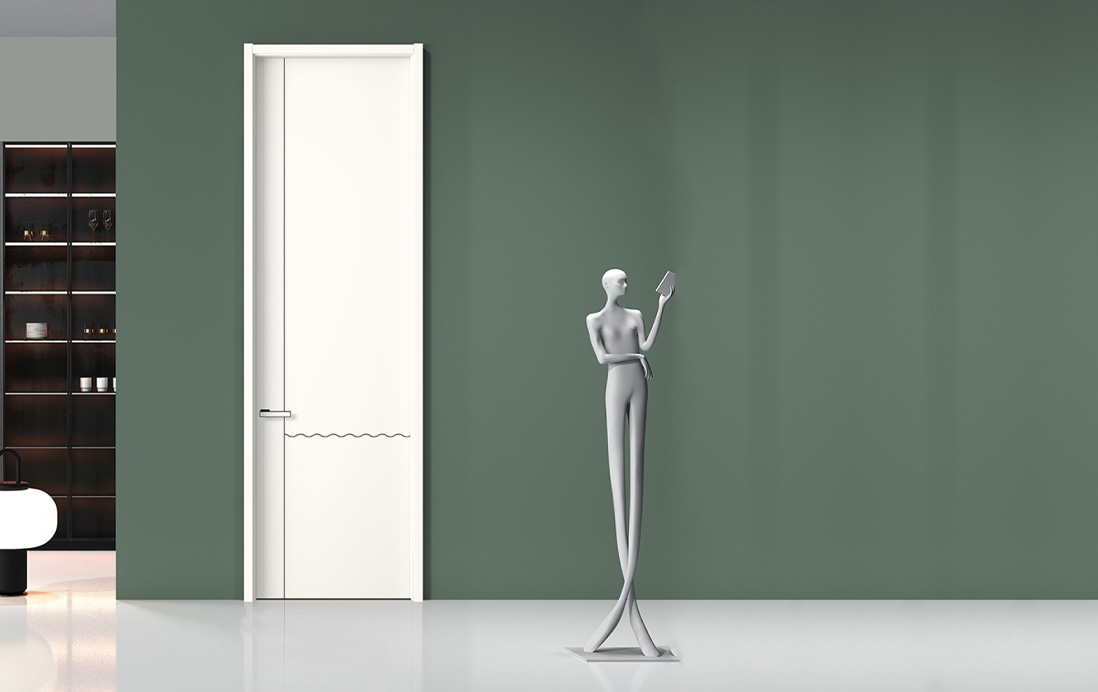
Why are Wood Plastic Composite Doors the Ultimate Solution for Modern Interior Durability?
Why Are Wood Plastic Composite Doors Engineered as the Ultimate Structural Solution?
Your email address will not be published. Required fields are marked *
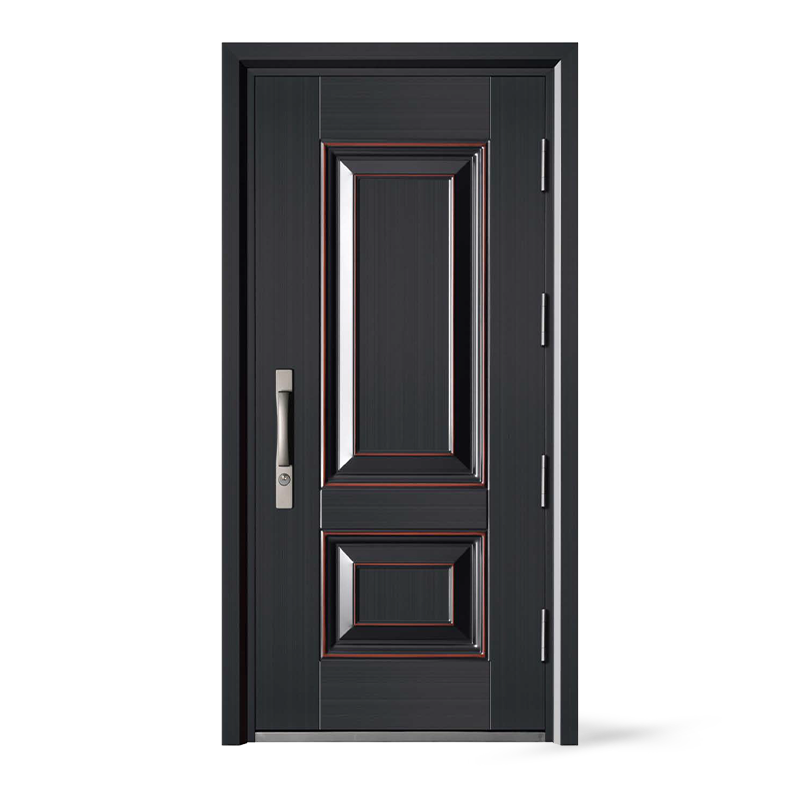
The copper color single opening UV resistant steel front door has a simple and elegant appearance design, a unique copper surface texture, and excellent decorative properties. It adopts advanced steel...
See Details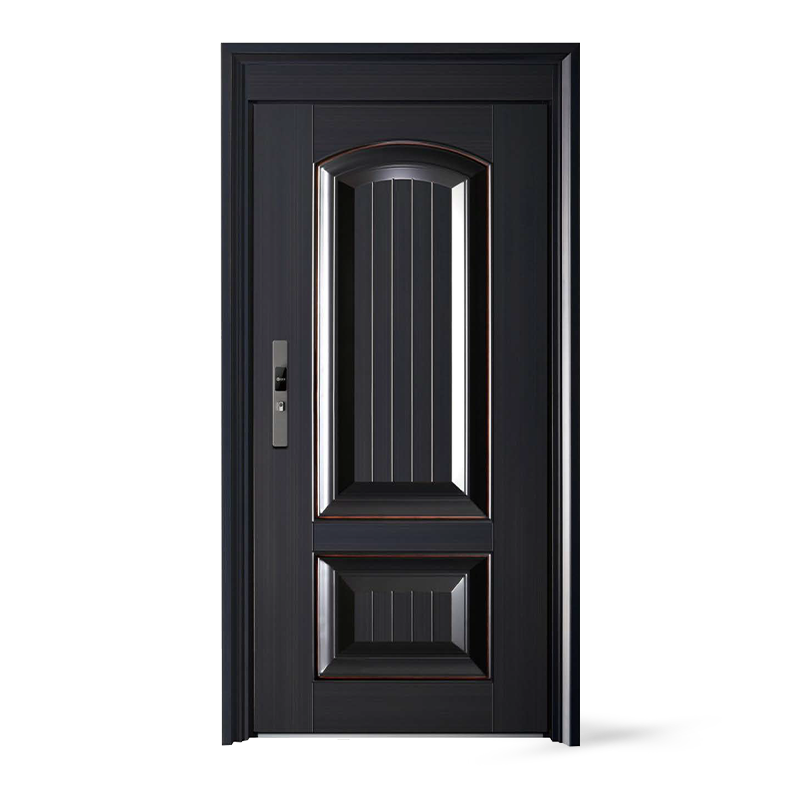
Metal steel single door security home main door is a high-quality door product designed for home security. It is made of high-quality steel, combined with modern technology and innovative design, perf...
See Details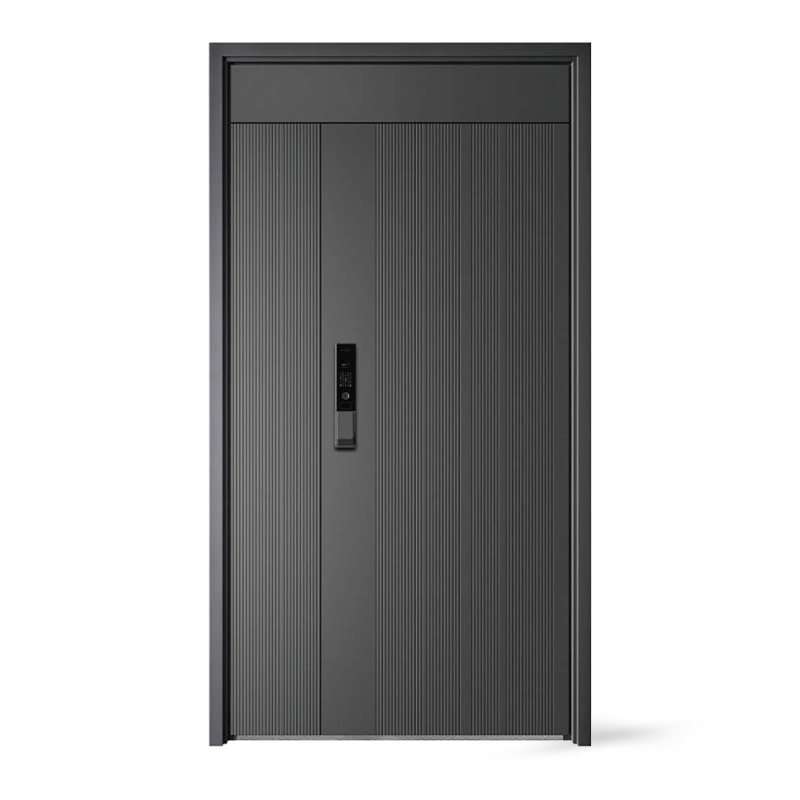
This double-layer steel fireproof and insulated front door is mainly composed of inner and outer double-layer steel plates, fireproof filling core material, inner frame reinforcement layer, heat insul...
See Details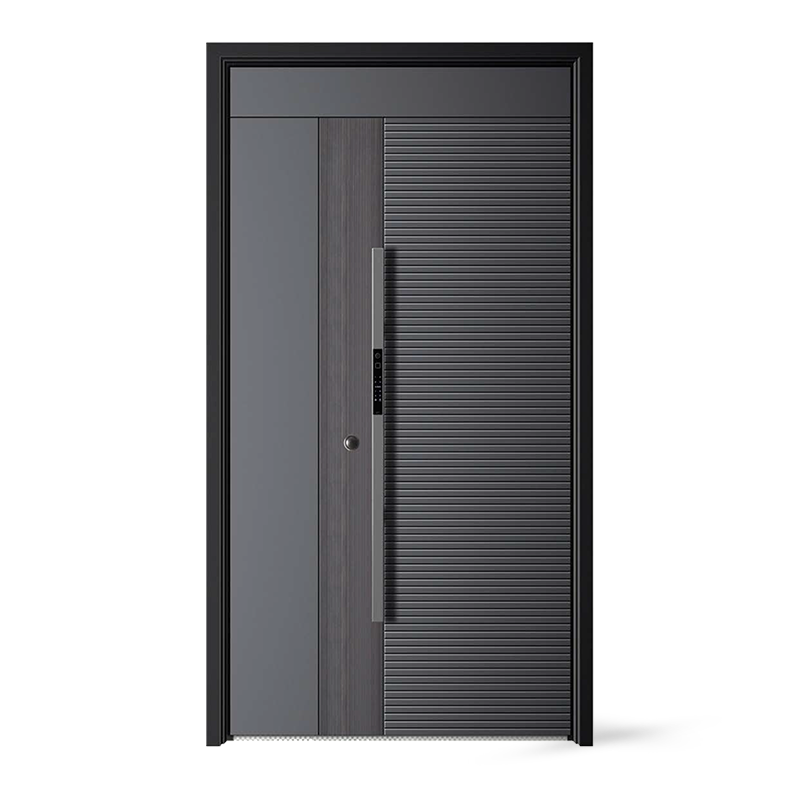
Grey design glass inset metal exterior steel front door is made of high-quality cold-rolled steel, which is precisely processed and treated to have extremely high strength and rigidity, and can effect...
See Details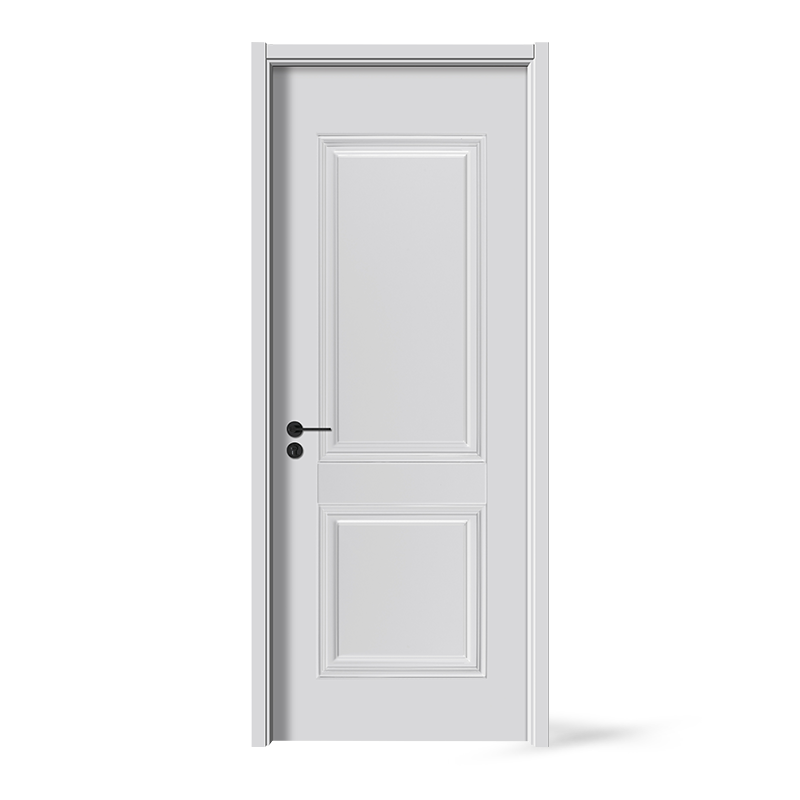
The core structure of PVC white painted teak board solid wood door is natural solid wood door core, and composite solid wood with good structural stability is selected as the basic skeleton. The solid...
See Details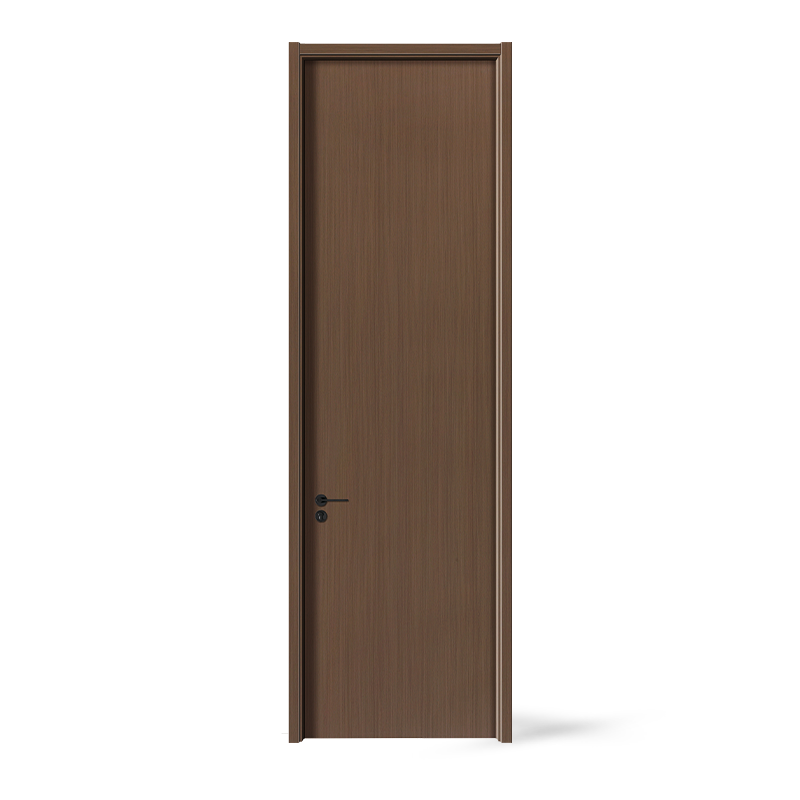
Black walnut veneer PVC interior solid wood door adopts multi-layer composite structure design. The core skeleton is generally composed of high-strength solid wood finger-jointed boards and fir integr...
See Details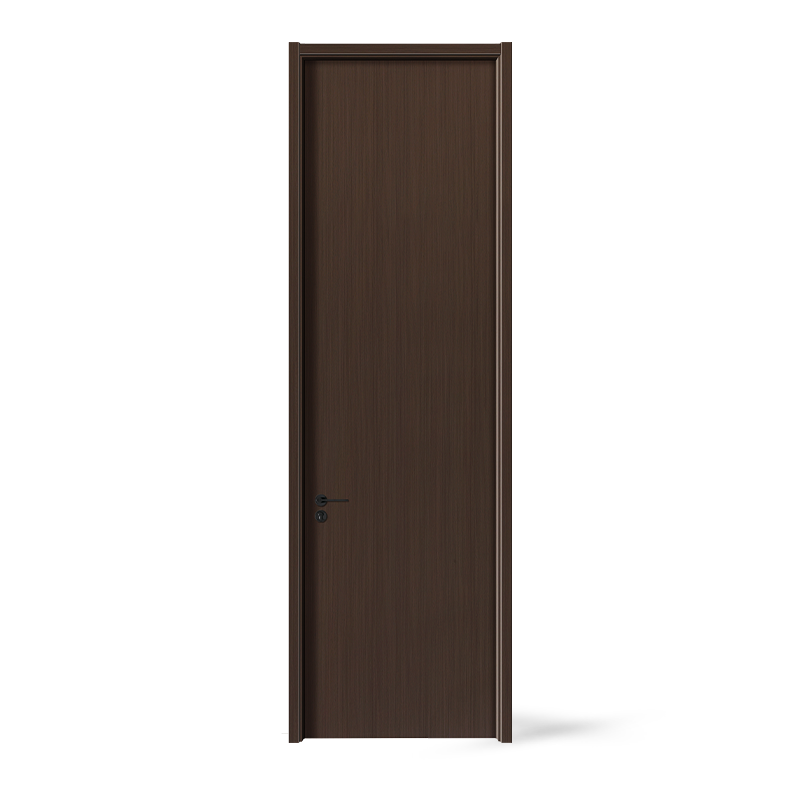
Indoor PVC wooden swing door is a high-quality door product that combines modern home design and practicality. It is widely used in various indoor spaces such as homes and offices. It uses PVC wood gr...
See Details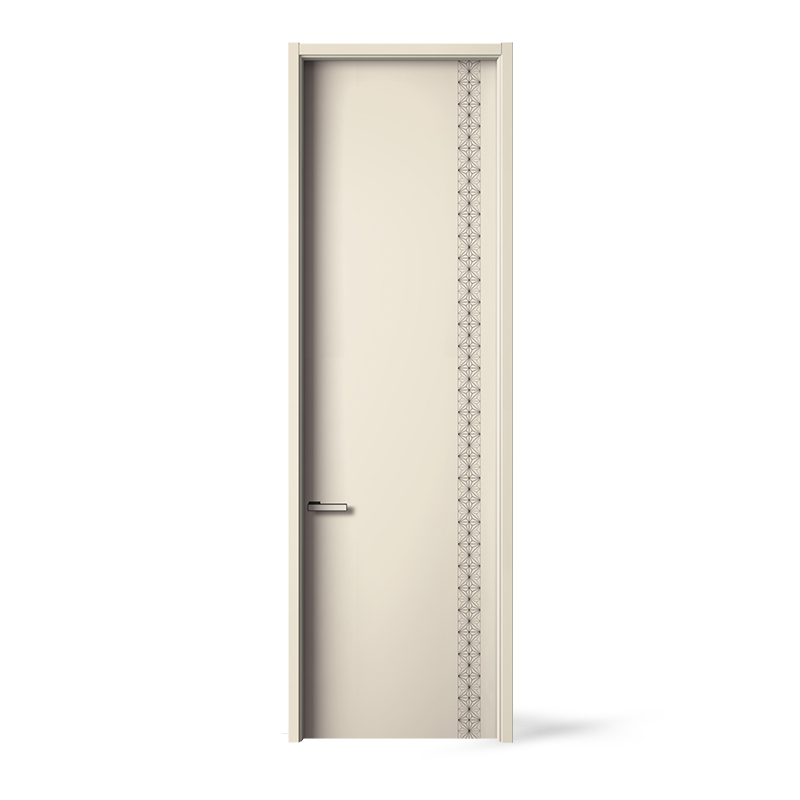
The core material of Xingyue White Waterproof Home Melamine Door uses strictly screened high-strength multi-layer solid wood boards as the base material. These base materials are made of high-quality ...
See Details1. Enhanced Durability and Weather Resistance of PVC Wood Doors PVC Wood Doors exhibit significantly enhanced durability and weather resistance when c...
READ MOREPVC Wood Doors' Innovative Materials: A Combination of Environmental Protection and Durability With the continuous evolution of modern home furnishing...
READ MOREIntroduction to Composite Wood Doors Composite wood doors have become a widely considered choice for homeowners and designers seeking alternatives to ...
READ MOREIn the world of home renovation and construction, the choice of doors is a critical decision that balances aesthetics, durability, and cost. While tra...
READ MORECopyright © Zhejiang Mingxuan Smart Home Co., Ltd. All Rights Reserved.