English
 中文简体
中文简体 Español
 عربى
عربى

Product Consultation
Your email address will not be published. Required fields are marked *

 EN
EN

Content
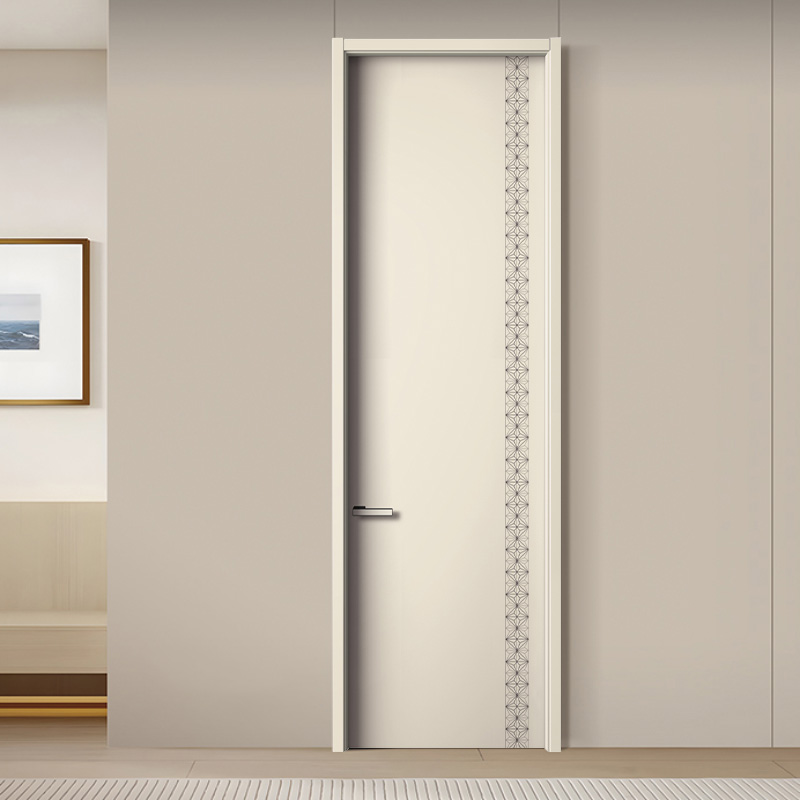
To paint a wooden door, clean the surface thoroughly, sand with 120 grit then 220 grit sandpaper, apply a primer suited to the door material, and finish with two thin coats of exterior acrylic latex or oil-based enamel, allowing full drying time between coats. The complete process from preparation through final coat takes 1 to 2 days for a standard exterior door. Composite Wood Doors are door units built from engineered wood composite materials including medium-density fibreboard (MDF), wood-polymer composite (WPC), laminated veneer lumber (LVL), and glass-reinforced plastic (GRP) skins over structural foam or timber cores, designed to deliver the visual appearance of natural wood while eliminating the warping, splitting, rotting, and dimensional instability that plague solid timber exterior doors. Composite outside doors are the dominant choice for new residential construction and replacement door installation in the United Kingdom, Ireland, and increasingly in North America and Europe, accounting for over 60% of all new front door installations in the UK market. A wood composite front door or composite wood front door offers a service life of 30 to 35 years with minimal maintenance, compared to 10 to 20 years for a well-maintained solid timber door in equivalent external exposure. This article covers how to paint both solid timber and composite wood doors correctly, and provides a comprehensive guide to selecting, specifying, and installing composite wood front doors.
Painting a wooden door correctly requires understanding that the door surface must be chemically clean, physically abraded, and structurally sound before any paint is applied. The most common painting failures on wooden doors (peeling, bubbling, cracking, and adhesion loss) almost always trace back to inadequate preparation rather than paint quality. A methodical preparation sequence followed by the correct primer and finish paint produces results that last 5 to 10 years on an exterior wooden door and significantly longer on interior doors.
Remove all door hardware that can be detached: handle sets, knockers, letter plates, house numbers, and security chains. For hardware that cannot be removed (hinges on a door remaining hung), apply painter's tape carefully over each fitting. Apply painter's tape to the door frame on all four sides and to any glass panels. Place a drop cloth on the threshold. If painting with the door hung rather than removed, prop it slightly open to allow painting the top and bottom edges and to prevent accidental closure onto wet paint.
For best results on exterior doors, especially when painting a composite wood front door, remove the door from its hinges and lay it flat on padded sawhorses. Horizontal painting eliminates the drip and run risk entirely, allows full access to all surfaces, and produces the most professional finish. The extra time to remove and rehang the door is consistently worthwhile for exterior applications.
Wash the door surface thoroughly with TSP (trisodium phosphate) solution or sugar soap diluted in warm water, scrubbing with a stiff bristle brush. This removes road grime, cooking grease that has migrated from the house interior, traffic exhaust deposits, bird droppings, and the oxidised chalky residue from degraded paint. Any contaminant left on the surface prevents adhesion. Pay particular attention to the area around the door handle (body oil and hand cream accumulate here) and the bottom third of the door (road splash and mud). Rinse thoroughly with clean water and allow to dry completely before proceeding. The door must be bone dry before sanding or priming.
After cleaning, inspect the door surface methodically in good light for the following conditions that require specific remediation before painting:
Even on a door with no visible defects, the entire surface must be sanded lightly to create a mechanical adhesion profile (microscopic scratches) that the primer can grip. Sand with 120 grit sandpaper working in the direction of the wood grain on timber doors and in the long axis of any panel or moulding feature. For a door with existing paint in good condition, a single pass with 120 grit is sufficient. For bare wood or heavily degraded surfaces, start with 80 grit to level the surface, then progress to 120 grit. After the primer coat, sand again with 220 grit before applying finish coats to remove dust nibs and brush marks.
After sanding, wipe the entire surface with a tack cloth or damp microfibre cloth to remove all sanding dust. Sanding dust left under the primer creates a weak boundary layer that reduces adhesion and produces a rough finish texture regardless of how smooth the paint itself flows.
Primer is not optional on any door painting project. The primer creates the adhesion bridge between the substrate and the finish paint and provides specific protective functions depending on the substrate type:
| Door Substrate | Recommended Primer Type | Key Function | Dry Time Before Top Coat |
|---|---|---|---|
| Bare softwood (pine, spruce) | Knotting solution then oil-based wood primer | Seals resin bleeds from knots | 4 to 8 hours |
| Bare hardwood (oak, mahogany) | Shellac-based or oil-based penetrating primer | Blocks tannin bleed-through | 2 to 4 hours |
| Previously painted wood (sound) | Water-based universal primer | Adhesion to existing paint | 1 to 2 hours |
| MDF or composite wood door | MDF primer (high-build) or acrylic primer | Seals porous MDF edges | 1 to 3 hours |
| GRP composite door skin | GRP primer or universal adhesion promoter | Chemical adhesion to GRP surface | 2 to 4 hours |
Apply primer with the same technique as the finish paint: brush for panels and recessed details, foam roller for large flat areas. Allow the primer to dry fully before proceeding. Lightly sand the primed surface with 220 grit and wipe clean before applying the first finish coat.
Two thin coats always produce a better result than one thick coat on a door. A thick single coat is prone to drips and runs on vertical surfaces, takes much longer to cure fully, and creates a film that can wrinkle as the outer surface skins over before the interior has cured. Two thin coats build an even film with better inter-coat adhesion and greater overall durability.
The correct sequence for painting a panelled wooden door:
For the flat areas of rails and stiles, apply paint first with the foam roller and immediately brush over ("lay off") with a brush in a single long stroke to eliminate roller stipple texture. This combination technique gives the coverage and speed of a roller with the smoother final surface of brush application. Allow the first coat to dry according to the paint manufacturer's specification (typically 2 to 4 hours for latex, 8 to 24 hours for oil-based), then apply the second coat following the same sequence without further sanding between coats unless the first coat has picked up dust.
Never paint a door in direct sunlight or at temperatures below 10°C or above 30°C. A door surface in direct summer sun can reach 50 to 60°C, far above the safe application temperature for any paint, causing rapid drying that prevents levelling and leaves permanent brush marks in the dried film. Paint in the early morning or evening when the door face is in shade.
Composite Wood Doors are a category of door product that uses engineered and composite materials to replicate the visual appearance of natural wood while eliminating the structural weaknesses of solid timber in exterior applications. The term "composite" refers to the combination of multiple materials (resins, fibres, wood derivatives, and structural foams or framing) into a unified door product that is greater than the sum of its parts in terms of performance.
The market uses the term "composite wood door" to cover several distinct construction approaches that share the goal of combining materials for superior performance:
A glass-reinforced plastic (GRP) outer skin moulded to replicate the grain, texture, and panel profile of a solid timber door, bonded over a structural polyurethane foam core with timber or engineered wood perimeter framing. The GRP skin does not rot, crack, or warp under any weather conditions, and the foam core provides insulation values of R-8 to R-15. The most common construction type for composite outside doors in the UK residential market.
A mixture of wood fibre (typically 30 to 70% by weight) and thermoplastic polymer (PVC, polyethylene, or polypropylene) extruded or moulded into door panel and frame profiles. WPC combines some of the natural feel of wood with the dimensional stability and moisture resistance of plastic. It can be painted, stained, or supplied with factory-applied colour finishes, and is used in both interior and exterior applications.
A door built from engineered wood products including laminated veneer lumber (LVL), laminated strand lumber (LSL), or finger-jointed timber, assembled in a cellular or honeycomb core structure and faced with a timber veneer or composite skin. Engineered timber core composite wood doors have structural properties comparable to solid timber at a fraction of the material cost, and their engineered construction eliminates the seasonal movement that causes solid timber doors to stick in summer and rattle in winter.
Medium-density fibreboard faced doors use an MDF face panel (smooth or textured) over a structural timber frame. MDF composite wood doors are primarily used in interior applications where the exceptional flatness and paintability of MDF are valued. In exterior applications, MDF requires careful edge sealing as MDF absorbs moisture aggressively at cut edges and swells irreversibly if the edge seal fails.
The manufacturing process for a GRP composite outside door begins with mould preparation: a steel master mould that is itself moulded from a pattern door or carved to the final panel and grain specification is polished to a high finish. This mould quality determines the surface detail and grain fidelity of every door produced from it. The manufacturing sequence:
Composite outside doors outperform all alternative entry door materials across the full range of performance criteria relevant to an exterior residential door. The performance comparison below draws on data from standardised test methods and real-world installer and homeowner experience accumulated since GRP and WPC composite doors became mainstream products in the early 2000s.
| Performance Criterion | Composite Outside Doors | Solid Timber | uPVC | Steel |
|---|---|---|---|---|
| Thermal insulation (U-value) | 0.7 to 1.2 W/m²K | 2.0 to 3.5 W/m²K | 1.4 to 1.8 W/m²K | 0.9 to 1.6 W/m²K |
| Dimensional stability | Excellent (no seasonal movement) | Poor (significant seasonal movement) | Good | Good |
| Rot and moisture resistance | Excellent | Moderate (requires maintenance) | Excellent | Good (with coating) |
| Security (PAS 24 rated) | Available | Available | Available | Available |
| Visual appearance | Excellent (timber-like) | Natural | Functional | Industrial |
| Expected service life | 30 to 35 years | 10 to 20 years (with maintenance) | 25 to 30 years | 20 to 40 years |
| Maintenance frequency | Low (clean annually) | High (refinish every 2 to 5 years) | Very low | Low (inspect coating) |
| Paintability after installation | Good (GRP and WPC paintable) | Excellent | Difficult (specialist paint needed) | Good (with primer) |
The most quantitatively significant performance advantage of composite outside doors over solid timber is thermal insulation. The U-value (thermal transmittance, measured in watts per square metre per degree Kelvin, W/m²K) of a door measures how much heat flows through it per hour per unit area per degree of temperature difference between inside and outside. A lower U-value means better insulation. The UK Building Regulations Part L and the equivalent regulations in Europe require a maximum U-value of 1.4 W/m²K for new door installations in most applications, with the proposed Future Homes Standard targeting 0.8 W/m²K from 2025 onward. Premium GRP composite outside doors achieve U-values of 0.7 to 0.9 W/m²K, already meeting the Future Homes Standard, while solid timber doors typically achieve only 2.0 to 3.5 W/m²K, failing even the current minimum standard.
In annual heating cost terms, replacing a solid timber front door (U-value 3.0 W/m²K) with a composite outside door (U-value 1.0 W/m²K) in an average UK climate reduces heat loss through the door by approximately 67%. For a standard 2.0 m x 0.9 m front door, this represents a saving of approximately 50 to 100 kWh per year depending on the heating system and local climate, worth £10 to £30 per year at current UK energy prices. While this may not alone justify replacement, the insulation improvement is a continuous benefit over the door's entire 30+ year service life.
Composite outside doors are available with independently tested and certified security performance. The key UK security standard for residential entry doors is PAS 24, which tests the door assembly (door, frame, and hardware together) against a defined set of physical attack scenarios including manual attack, impact attack, and lock manipulation. Many leading composite door manufacturers offer PAS 24 certified products, and some achieve the higher security level of Secured by Design (SBD) accreditation, which is the UK Police preferred specification for home security.
The structural properties of GRP composite doors that contribute to their security performance:
A composite wood front door is available in a vastly wider range of style, colour, glazing, and hardware options than solid timber doors, because the composite manufacturing process is not constrained by the natural limitations of timber. Colour does not require painting and maintains its appearance without refinishing. Glazing is integrated into the door slab during manufacture rather than added as an afterthought. Decorative panel profiles and moulding details are moulded into the GRP skin rather than machined from timber, giving consistent dimensional accuracy from unit to unit.
Four, six, or eight raised rectangular panels arranged in classic proportions. The most widely specified composite wood front door style for period properties, Victorian and Edwardian terraces, and traditional detached homes. Available in period-appropriate colours (red, green, black, blue, white).
A flat-faced door with no raised panels, typically supplied with decorative glazing inserts or a single solid slab. The contemporary flush composite wood front door is the standard for modern new-build and architect-designed homes where a clean, minimalist aesthetic is required.
Shorter proportioned panels with horizontal emphasis, typically with a stable-door split option or half-glazed upper panel with multiple individual glass panes. Popular for period cottage, rural farmhouse, and heritage renovation projects.
Composite wood front doors with factory-integrated decorative glass panels covering the upper half or full height of the door, typically with decorative textured, frosted, or obscured glass for privacy combined with light transmission. The most popular composite wood front door configuration for front doors in well-lit hallways.
One of the most commercially significant advantages of a composite wood front door over a solid timber door is the colour and finish system. Where a solid timber door requires periodic repainting (every 2 to 5 years for most exterior paints in UK climate conditions), a composite wood front door is factory-finished with a colour that is integral to the material or applied as a durable coating that is warranted by the manufacturer:
Glazing in a composite wood front door or wood composite front door is a critical design choice that balances natural light, privacy, security, and aesthetics. Key glazing specifications:
Installing a wood composite front door correctly determines whether the product delivers its full performance specification over its intended 30-plus year service life. The most common causes of premature failure in composite door installations are not defects in the door product itself but errors in installation that compromise the weathertightness, security, or structural integrity of the door assembly.
A wood composite front door is a significantly heavier and more complex installation than a standard interior door. A standard composite outside door in its frame weighs 80 to 140 kg depending on size and construction, compared to 20 to 40 kg for a hollow-core interior door in its frame. This weight requires at least two people for safe handling, and the structural requirements for the frame-to-opening connection are more demanding than for interior doors. Professional installation by a registered Window and Door Installer (competent person scheme in the UK, which allows self-certification of Building Regulations compliance) is strongly recommended for:
One of the primary selling points of a wood composite front door is its low maintenance requirement compared to timber, but "low maintenance" does not mean "no maintenance." Appropriate care extends the door's service life and maintains its appearance and performance:
Clean the door surface with warm soapy water and a soft cloth. Remove bird droppings and tree sap promptly as these are mildly acidic and can stain or etch factory door finishes if left for extended periods. Clean the door seals with a damp cloth and inspect for tears or deformation.
Lubricate all hinges with a light machine oil or proprietary hinge lubricant. Lubricate the lock mechanism with graphite powder or a PTFE-based lock lubricant (not oil-based lubricants, which attract dust and gum up lock mechanisms over time). Check that multi-point lock bolts engage smoothly and that the keep plates on the frame are not misaligned.
Inspect the perimeter sealant between the door frame and the masonry for cracking, shrinkage, or loss of adhesion. Re-seal any areas where the sealant has failed before water ingress can damage the plaster or decorating inside the property. Inspect glazing seal for misting (indicating failed sealed unit) and the frame for any signs of moisture ingress at joints.
Review the door finish condition. If the factory finish has faded significantly or the door has been physically damaged, composite wood front doors can be repainted using the process described in the first section of this guide. GRP composite doors accept exterior acrylic or polyurethane topcoat paint well, especially with appropriate GRP-compatible primer. Refreshing the door's colour every decade or so is significantly less work than the biennial repainting required for solid timber doors.
Painting a composite wood front door or wood composite front door follows a similar process to painting a solid timber door but with important differences in surface preparation and primer selection that reflect the different substrates involved. GRP and WPC composite doors require different preparation from timber because they are non-porous, are already finished, and do not absorb water but may be more sensitive to mechanical abrasion.
Your email address will not be published. Required fields are marked *
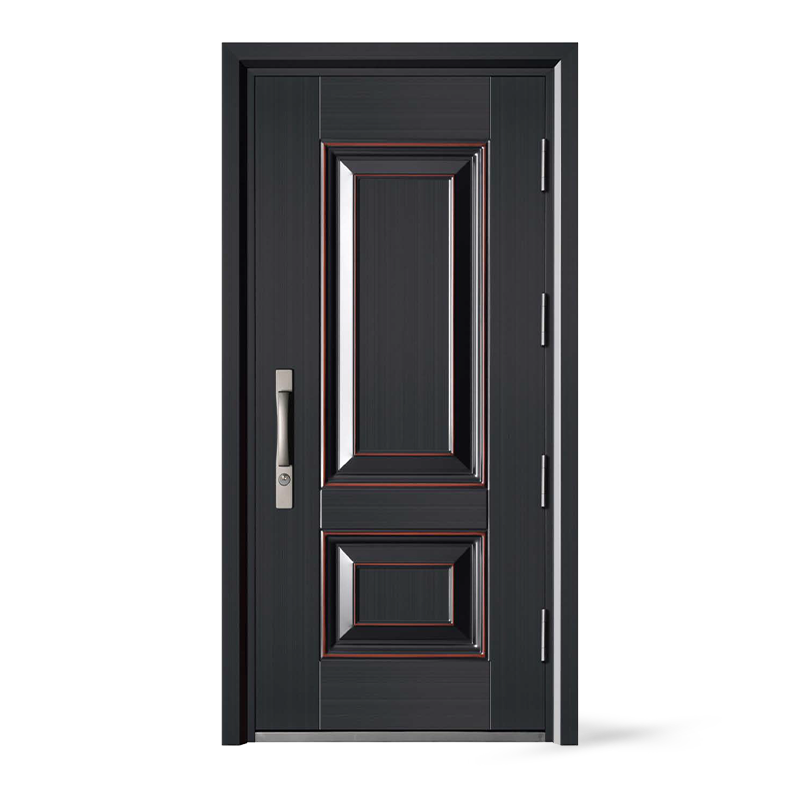
The copper color single opening UV resistant steel front door has a simple and elegant appearance design, a unique copper surface texture, and excellent decorative properties. It adopts advanced steel...
See Details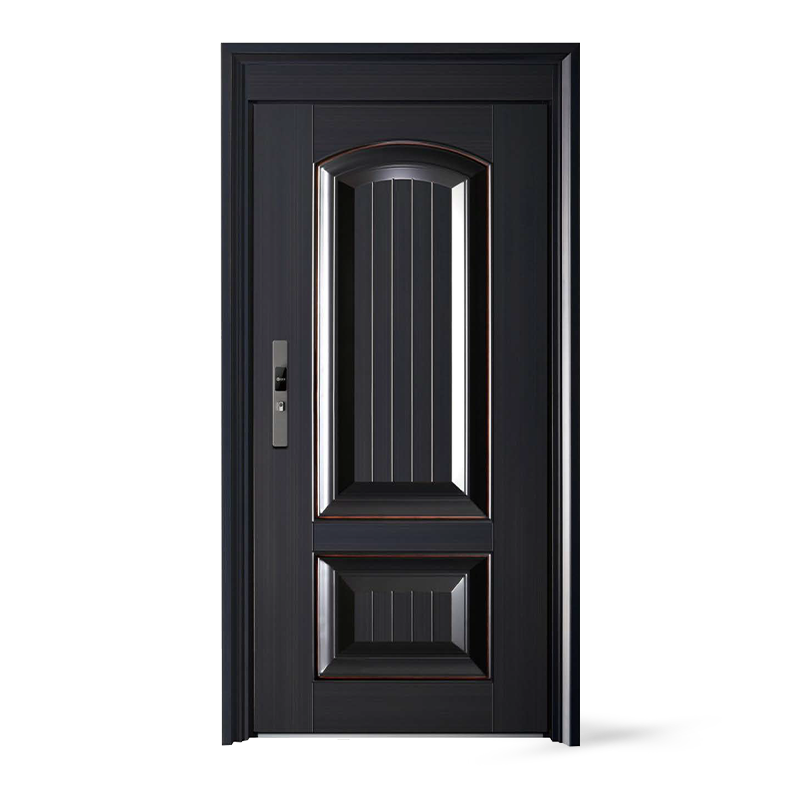
Metal steel single door security home main door is a high-quality door product designed for home security. It is made of high-quality steel, combined with modern technology and innovative design, perf...
See Details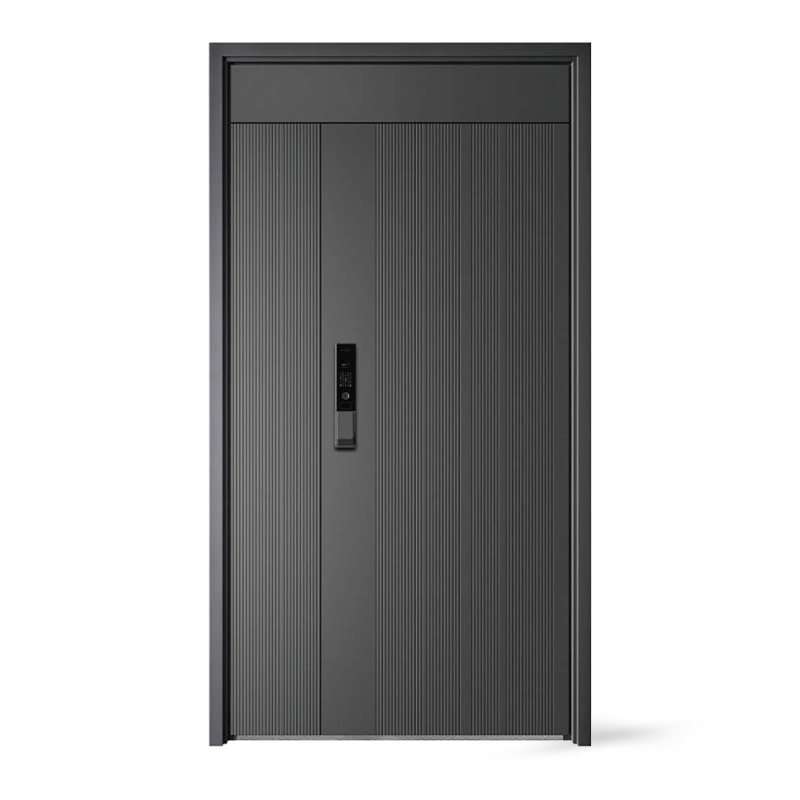
This double-layer steel fireproof and insulated front door is mainly composed of inner and outer double-layer steel plates, fireproof filling core material, inner frame reinforcement layer, heat insul...
See Details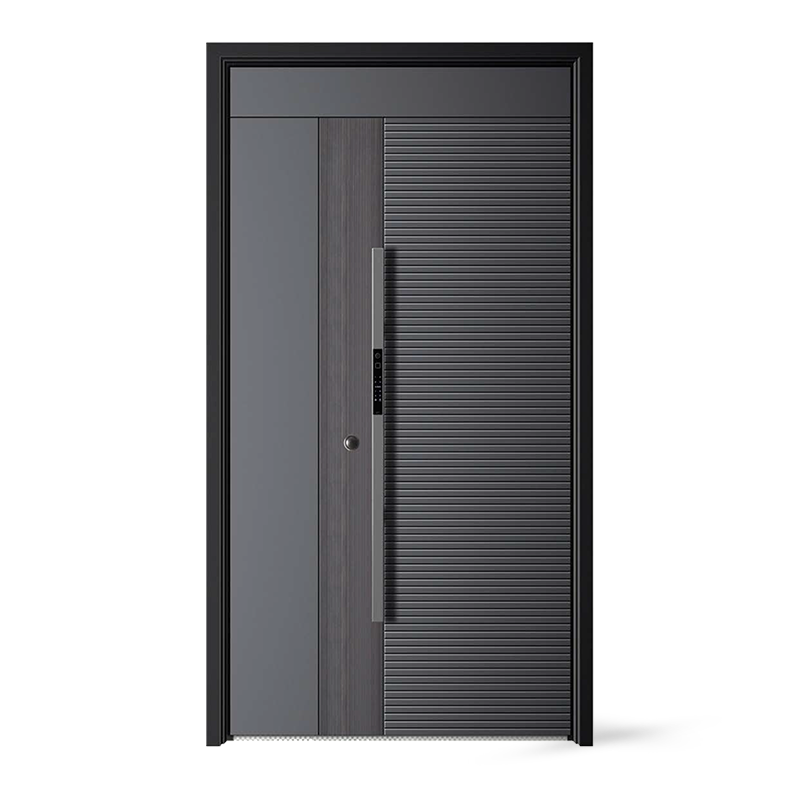
Grey design glass inset metal exterior steel front door is made of high-quality cold-rolled steel, which is precisely processed and treated to have extremely high strength and rigidity, and can effect...
See Details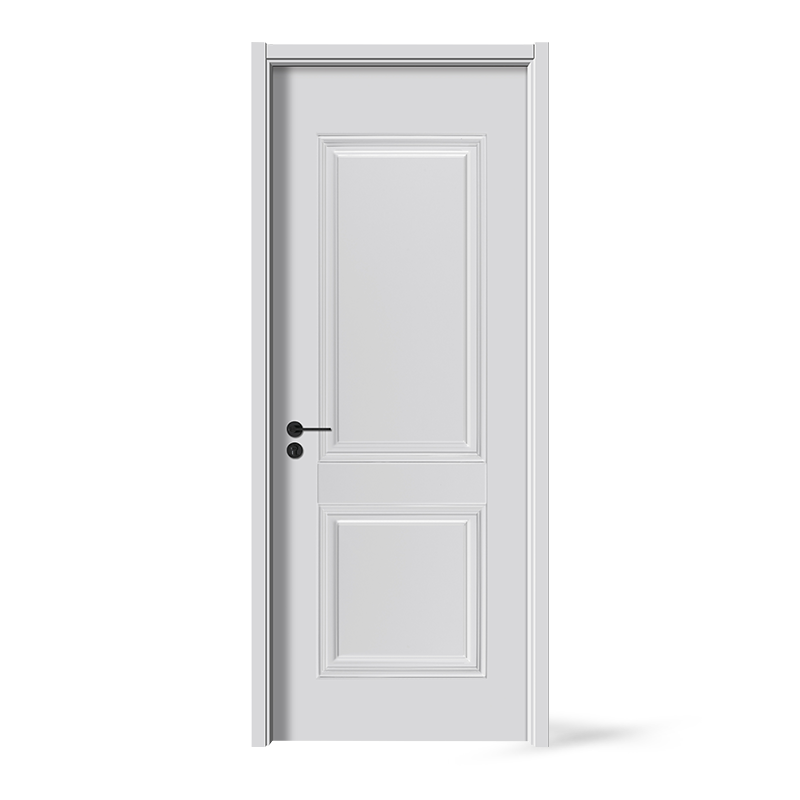
The core structure of PVC white painted teak board solid wood door is natural solid wood door core, and composite solid wood with good structural stability is selected as the basic skeleton. The solid...
See Details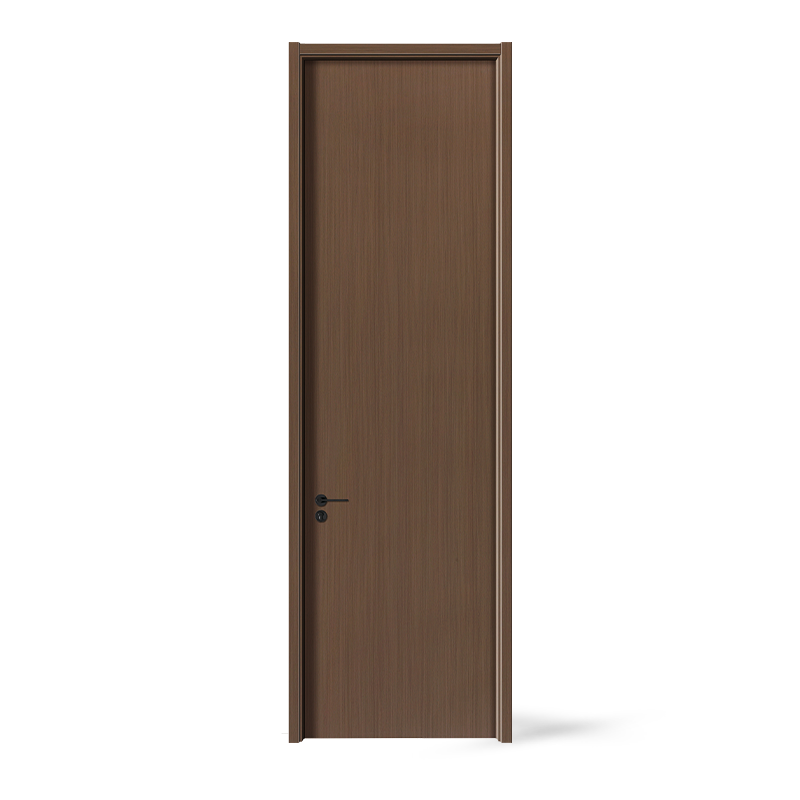
Black walnut veneer PVC interior solid wood door adopts multi-layer composite structure design. The core skeleton is generally composed of high-strength solid wood finger-jointed boards and fir integr...
See Details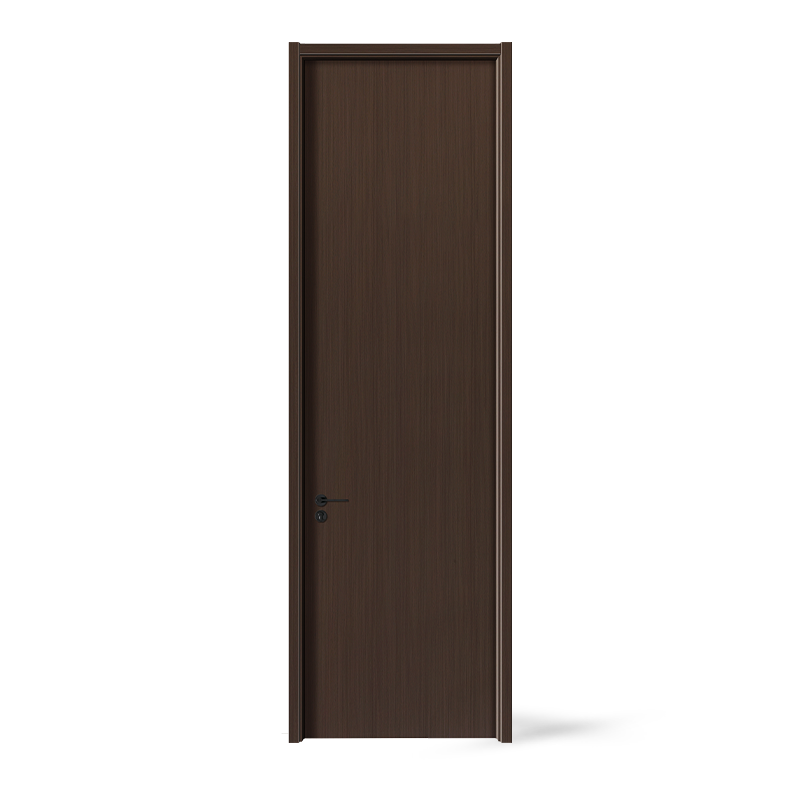
Indoor PVC wooden swing door is a high-quality door product that combines modern home design and practicality. It is widely used in various indoor spaces such as homes and offices. It uses PVC wood gr...
See Details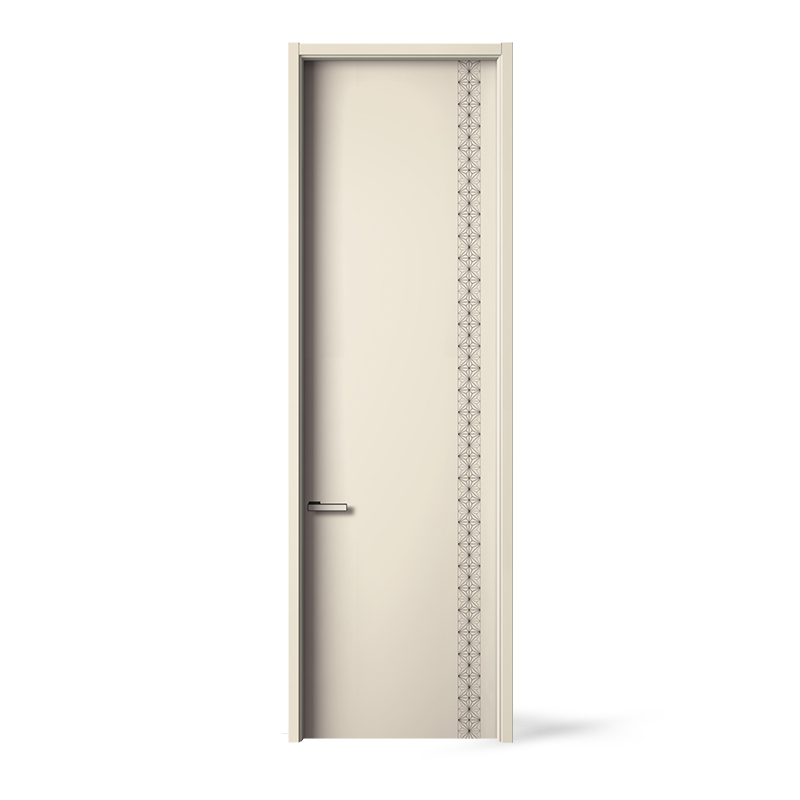
The core material of Xingyue White Waterproof Home Melamine Door uses strictly screened high-strength multi-layer solid wood boards as the base material. These base materials are made of high-quality ...
See Details1. Enhanced Durability and Weather Resistance of PVC Wood Doors PVC Wood Doors exhibit significantly enhanced durability and weather resistance when c...
READ MOREPVC Wood Doors' Innovative Materials: A Combination of Environmental Protection and Durability With the continuous evolution of modern home furnishing...
READ MOREIntroduction to Composite Wood Doors Composite wood doors have become a widely considered choice for homeowners and designers seeking alternatives to ...
READ MOREIn the world of home renovation and construction, the choice of doors is a critical decision that balances aesthetics, durability, and cost. While tra...
READ MORECopyright © Zhejiang Mingxuan Smart Home Co., Ltd. All Rights Reserved.