English
 中文简体
中文简体 Español
 عربى
عربى
Product Consultation
Your email address will not be published. Required fields are marked *

 EN
EN

Content
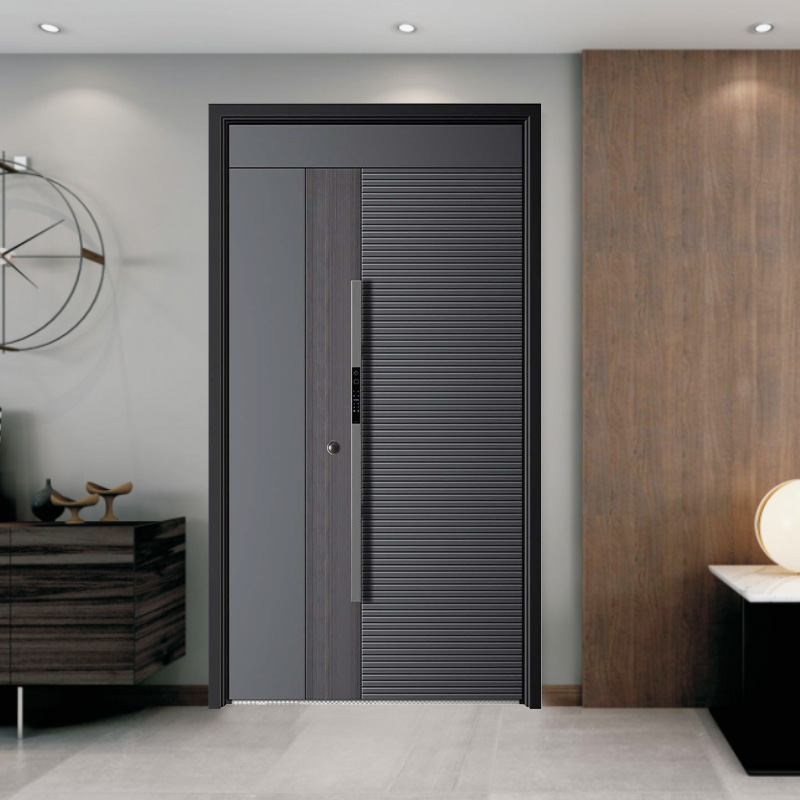
Steel doors provide unmatched structural integrity, fire resistance, and forced entry protection that wood, fiberglass, and aluminum alternatives cannot replicate in demanding commercial, industrial, and institutional environments. A properly specified steel door withstands impacts, sustained abuse, and extreme temperatures while maintaining operational functionality for decades. The material's high strength to weight ratio allows manufacturers to create door assemblies that resist deformation under loads exceeding 1000 pounds per square foot, making steel the mandatory specification for fire exits, secure storage rooms, and high traffic building entrances. For architects, contractors, and facility managers responsible for life safety and asset protection, understanding steel door construction standards, performance ratings, and installation requirements proves essential for specification compliance and long term performance.
The global steel door market generated approximately $14.2 billion in 2024, with commercial construction representing 58 percent of demand and industrial applications accounting for 27 percent. This substantial market presence reflects both regulatory mandates requiring steel fire doors in commercial occupancies and voluntary adoption of steel security doors in residential and retail environments where break in prevention justifies premium material costs.
Steel door performance begins with face sheet thickness and internal core configuration, variables that manufacturers adjust to meet specific security, fire, and acoustic requirements.
Steel door face sheets are specified by gauge, with lower numbers indicating thicker material. Standard commercial steel doors utilize 18 gauge face sheets measuring 1.2 millimeters thick, providing adequate strength for general office and retail applications. Heavy duty doors for schools, hospitals, and correctional facilities upgrade to 16 gauge at 1.5 millimeters or 14 gauge at 1.9 millimeters to resist denting and penetration. Maximum security applications including vaults and detention centers specify 12 gauge at 2.7 millimeters or even 10 gauge solid plate construction.
The relationship between gauge and performance is nonlinear; increasing from 18 to 16 gauge improves dent resistance by approximately 40 percent, while the jump from 16 to 14 gauge nearly doubles impact resistance. However, weight increases proportionally, with 14 gauge doors weighing 35 to 40 percent more than equivalent 18 gauge units, imposing greater demands on hinges, frames, and installation hardware.
The internal core material significantly affects door weight, insulation value, sound transmission, and fire resistance. Kraft paper honeycomb cores provide economical lightweight construction for non rated doors, reducing weight by 25 to 30 percent compared to solid cores while maintaining adequate rigidity for standard applications. Polystyrene foam cores improve thermal insulation, achieving R values of 2.5 to 4.0 depending on thickness, and provide moderate sound dampening for interior office partitions.
Steel stiffened cores incorporate formed steel channels welded between face sheets, creating exceptional rigidity for high abuse environments. These doors resist warping and racking forces that damage lighter constructions. Mineral fiber cores, composed of compressed rock wool or ceramic fibers, provide the fire resistance required for rated door assemblies, maintaining structural integrity during extended fire exposure while limiting heat conduction to the unexposed face.
| Core Type | Weight Reduction | Fire Rating | Sound Rating (STC) | Primary Applications |
|---|---|---|---|---|
| Honeycomb | 25 to 30% | None | 25 to 30 | Interior offices, closets |
| Polystyrene | 20 to 25% | Up to 90 min | 30 to 35 | Exterior entrances, cold storage |
| Steel Stiffened | None | Up to 3 hours | 35 to 40 | Schools, correctional facilities |
| Mineral Fiber | 15 to 20% | Up to 3 hours | 40 to 50 | Fire rated corridors, stairwells |
Fire rated steel doors represent life safety critical components subject to rigorous standardized testing and third party certification requirements.
Underwriters Laboratories standard UL 10C and National Fire Protection Association standard NFPA 252 define fire door testing procedures. Complete door assemblies, including frames, hardware, and glazing, mount in test furnaces and expose the door face to standardized time temperature curves reaching 927 degrees Celsius at 60 minutes and 1010 degrees Celsius at 90 minutes. Doors must prevent flame passage and limit temperature rise on the unexposed face to 163 degrees Celsius average or 181 degrees Celsius at any single point to achieve temperature rise ratings.
Following fire exposure, assemblies undergo hose stream testing where a standardized water stream impacts the heated door at specified pressures and durations. This test simulates firefighting operations and verifies that doors retain sufficient structural integrity to remain in place during suppression activities. Doors failing hose stream testing cannot receive fire ratings regardless of furnace performance.
Fire door ratings specify duration in minutes: 20, 45, 60, 90, and 180 minutes. Building codes mandate specific ratings based on wall fire resistance ratings and occupancy types. Corridor doors in healthcare facilities typically require 20 minute ratings, while stairwell enclosure doors in high rise buildings require 90 minute or 3 hour ratings. The rated duration must equal or exceed the required wall rating when tested as a complete assembly; individual door components cannot be rated independently of frames and hardware.
Modern fire door standards increasingly address smoke containment, the primary cause of fire related fatalities. UL 1784 testing measures air leakage through door assemblies under standardized pressure differentials. Doors achieving smoke and draft control ratings must limit leakage to 3.0 cubic feet per minute per square foot at 0.10 inch water column pressure differential. This requirement necessitates continuous perimeter seals, automatic door bottoms, and precise frame alignment that basic fire rated doors may not provide.
Beyond fire protection, steel doors serve as primary barriers against unauthorized entry, with standardized ratings quantifying resistance to various attack methods.
The Builders Hardware Manufacturers Association defines door security grades through ANSI/BHMA A250.13 testing. Grade 1 doors withstand 1 million operating cycles and resist forced entry attempts including impacts, pry bar attacks, and shooting for specified durations. Grade 2 suits light commercial and heavy residential use with 500,000 cycle ratings. Grade 3 addresses standard residential applications. These grades apply to complete door and frame assemblies; specifying Grade 1 hardware on a Grade 3 door provides no security benefit if the door itself fails under attack.
Facilities requiring ballistic protection specify steel doors tested to UL 752, which rates assemblies based on the highest caliber weapon round they resist. Level 1 stops 9 millimeter full metal jacket rounds, while Level 8 stops 7.62 millimeter rifle rounds. Ballistic steel doors incorporate multiple layers of hardened steel with total thicknesses of 12 to 25 millimeters, weighing 150 to 300 kilograms for standard single door configurations. These assemblies require reinforced frames, specialized hinges, and powered operators due to extreme weight.
ASTM F3038 testing evaluates door resistance to prolonged forced entry using common tools including sledgehammers, pry bars, and cordless drills. Level A ratings require 5 minutes resistance, while Level E demands 60 minutes. Blast resistant doors per ASTM F2247 withstand specified overpressures from explosive events, with ratings from 1 psi to 20 psi depending on threat assessment. Government buildings, embassies, and critical infrastructure facilities increasingly specify combined forced entry and blast resistant steel doors.
Steel door performance depends critically on frame specification and proper installation within wall assemblies.
Steel frames typically match or exceed door face sheet gauges, with standard frames fabricated from 16 gauge material and heavy duty frames from 14 or 12 gauge. Three basic profile types serve different wall constructions. Knock down (KD) frames ship disassembled for field assembly during drywall installation, suitable for renovation projects and metal stud walls. Welded frames arrive fully assembled with seamless corners, providing superior rigidity for new construction masonry openings. Slip on frames wrap around existing wall openings for retrofit applications where frame replacement proves impractical.
Proper frame anchoring transfers door operating forces and security loads into surrounding wall structure. Masonry walls require minimum 150 millimeter embedment of wire anchors or expansion bolts in grout filled cells. Steel stud walls demand wood reinforcement within stud bays at hinge and strike locations to prevent frame rotation under leverage forces. Frame installation tolerances specify plumb within 1.6 millimeters per 600 millimeters of height and square within 1.6 millimeters across door width; exceeding these tolerances causes binding, premature hardware wear, and latch misalignment.
Exterior steel door assemblies include thresholds creating transitions between interior and exterior floor levels while blocking air and water infiltration. Adjustable thresholds accommodate floor height variations of 10 to 25 millimeters. Thermal break thresholds incorporate non conductive materials separating interior and exterior metal components, preventing frost formation and improving energy performance. Continuous weatherstripping along frame perimeters and door bottoms must compress uniformly to achieve rated air leakage performance.
Steel doors accommodate diverse hardware configurations that must be planned during specification to ensure proper reinforcement and cutout preparation.
Standard 114 millimeter ball bearing hinges support doors up to 90 kilograms with three hinges per door. Heavier doors require continuous hinges spanning full door height, distributing weight across the entire frame jamb rather than concentrating loads at three points. Spring hinges provide self closing function for fire rated doors requiring positive latching. Pivot hinges support oversized or extremely heavy doors by transferring weight directly to the floor structure rather than the frame.
Mortise locks recessed into door edge pockets provide the highest security and durability, with ANSI Grade 1 locks rated for 1 million cycles. Cylindrical locks offer easier installation and lower cost for light commercial applications. Deadbolts add supplementary security for after hours protection. Electric strikes and magnetic locks integrate with access control systems, requiring power transfer hinges or concealed conduits to route wiring between frames and doors without compromising security.
Occupancies exceeding 50 persons require panic hardware allowing single motion egress without key operation. Horizontal bar panic devices span door widths and retract latches when pressed. Vertical rod devices secure door tops and bottoms independently, providing multipoint latching for increased security while maintaining code compliant egress. Fire exit hardware incorporates dogging features that hold latches retracted during business hours, reducing wear while maintaining automatic latching capability during fire alarm activation.
While primarily functional, steel doors increasingly serve visible architectural roles requiring finish coordination with interior design schemes.
Factory applied baked enamel finishes provide the most durable and consistent appearance. Standard systems include rust inhibiting primer coats and alkyd or polyester topcoats baked at 150 to 200 degrees Celsius. Premium fluoropolymer coatings achieve 20 year color retention warranties and resist chalking, fading, and chemical exposure. Factory finishes outperform field applied paints in adhesion, uniformity, and durability due to controlled application environments and curing conditions.
Stainless steel face sheets laminated to steel cores provide corrosion resistance and premium appearance for healthcare, food service, and architectural applications. Type 304 stainless suits most environments, while Type 316 addresses coastal or chemical exposure. Brass, bronze, and copper cladding options create distinctive appearances for hotel lobbies, executive offices, and historic building renovations. These clad doors maintain steel core strength and fire ratings while presenting precious metal surfaces.
High pressure laminates and polyvinyl chloride films simulate wood grain, stone, and custom patterns on steel door faces. These finishes suit office environments where wood aesthetics are desired without wood's maintenance burden and fire performance limitations. Laminate adhesion must withstand impact and abrasion testing per ANSI/BHMA standards to prevent delamination that could create smoke passage paths in fire rated doors.
Different building types and occupancy requirements dictate specific steel door configurations optimized for anticipated use conditions.
Standard 18 gauge hollow metal doors with honeycomb cores serve interior office and conference room applications. Corridor doors require 20 minute fire ratings with smoke gasketing. Main entrance doors upgrade to 16 gauge with polystyrene cores for thermal performance and improved sound isolation. Vision lites incorporating fire rated glazing maintain daylighting while meeting code requirements. Budget approximately $400 to $800 per installed standard door and frame assembly.
Schools demand 16 gauge minimum face sheets with steel stiffened cores to resist student abuse and vandalism. Classroom doors require lockdown capability allowing teachers to secure rooms from inside without hallway access. Vision lites with glazing sized to prevent passage but allow visual assessment improve security during lockdown events. Ballistic rated doors for main entrances provide additional protection against active threat scenarios, with Level 1 ratings stopping handgun rounds.
Hospitals require doors supporting infection control, radiation shielding, and specialized equipment access. Lead lined steel doors with 1 to 3 millimeter lead sheets laminated between face sheets protect against X ray and gamma radiation in imaging suites. Hermetically sealed doors with perimeter gaskets maintain pressure differentials in isolation rooms and operating suites. Stainless steel or antimicrobial copper clad surfaces reduce pathogen transmission on high touch surfaces.
Industrial steel doors face forklift impacts, chemical exposure, and extreme temperature variations. 14 gauge face sheets with steel stiffened cores provide dent resistance. Impact resistant bottom rails absorb forklift contact without door replacement. Insulated doors with polystyrene or polyurethane cores maintain interior temperatures in refrigerated warehouses. Wind load rated assemblies withstand pressures from exterior doors in high wind zones.
Proper maintenance extends steel door service life and preserves fire and security ratings throughout building occupancy.
Inspect steel doors annually for frame alignment, hardware function, and surface condition. Lubricate hinges and locks with lithium based greases every 6 months in high use applications. Tighten loose screws and replace worn weatherstripping promptly to maintain rated performance. Touch up paint damage immediately to prevent rust initiation; even minor scratches can propagate corrosion in humid environments. Fire rated doors require annual inspection by certified technicians who verify latching, closing, and labeling compliance per NFPA 80.
Field modifications including hardware changes, glazing installations, or surface refinishing may void fire ratings unless performed by certified shops and documented with updated labels. Never cut, drill, or weld fire rated doors without consulting the original manufacturer and certifying agency. Maintain door labels and certificates throughout building life to demonstrate code compliance during inspections and property transactions.
Specify steel doors with face sheet gauges and core types matched to anticipated abuse levels and performance requirements. Verify fire ratings through recognized testing agencies and ensure complete assembly certification including frames and hardware. Select security grades based on threat assessment rather than minimum code requirements. Install with proper frame anchoring and alignment tolerances to prevent operational failures. Maintain annually and document all modifications to preserve ratings and warranties. For critical applications including fire exits, secure storage, and ballistic protection, steel doors remain the only material capable of delivering the required combination of strength, durability, and certified performance.

Why Are Wood Plastic Composite Doors Engineered as the Ultimate Structural Solution?
What Are the Advantages of Wood Plastic Composite Doors Over Traditional Wood and PVC Alternatives?
Your email address will not be published. Required fields are marked *
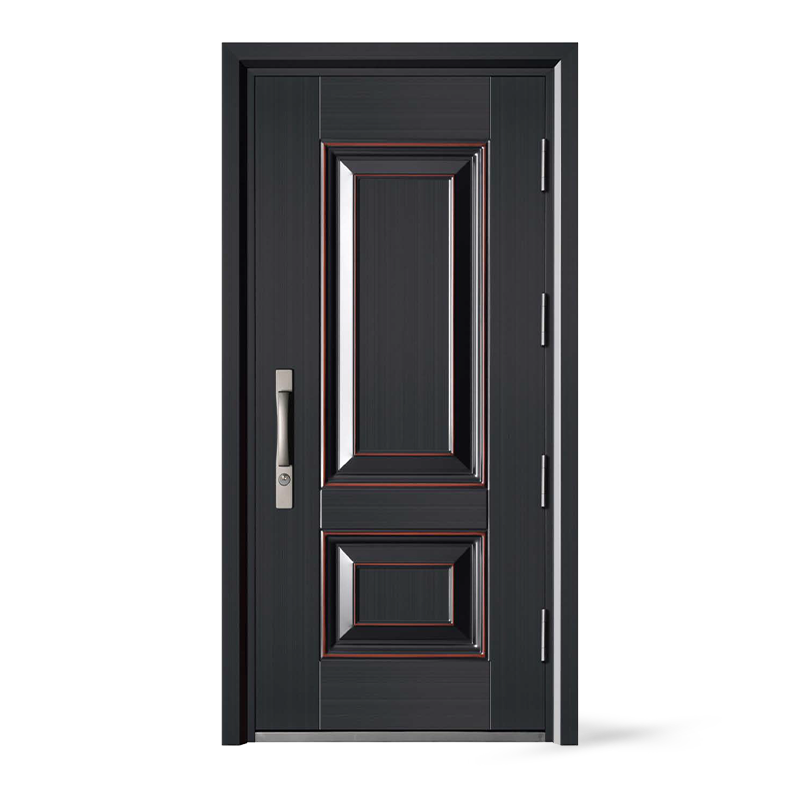
The copper color single opening UV resistant steel front door has a simple and elegant appearance design, a unique copper surface texture, and excellent decorative properties. It adopts advanced steel...
See Details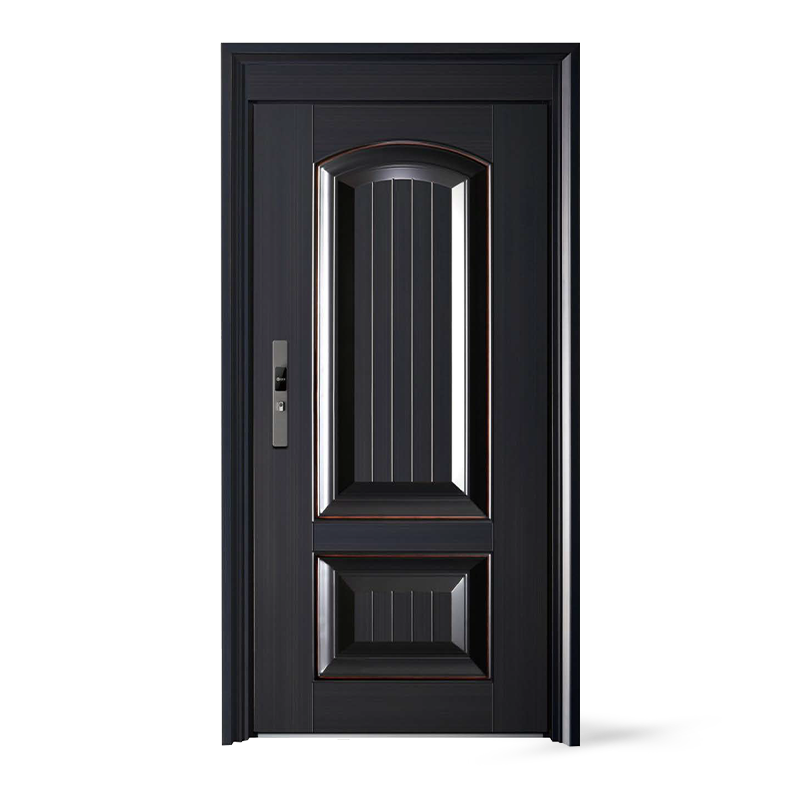
Metal steel single door security home main door is a high-quality door product designed for home security. It is made of high-quality steel, combined with modern technology and innovative design, perf...
See Details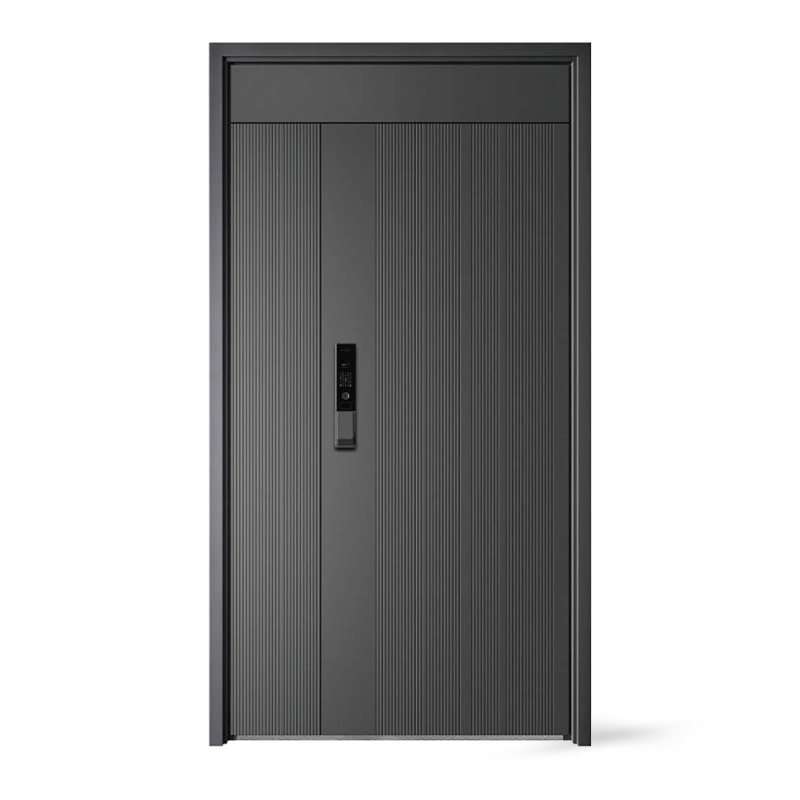
This double-layer steel fireproof and insulated front door is mainly composed of inner and outer double-layer steel plates, fireproof filling core material, inner frame reinforcement layer, heat insul...
See Details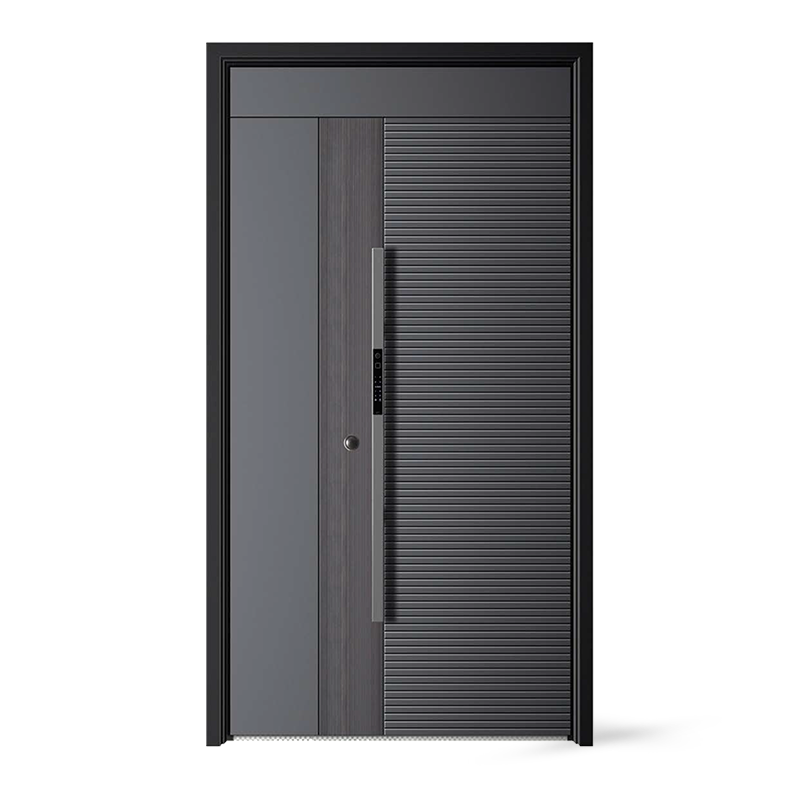
Grey design glass inset metal exterior steel front door is made of high-quality cold-rolled steel, which is precisely processed and treated to have extremely high strength and rigidity, and can effect...
See Details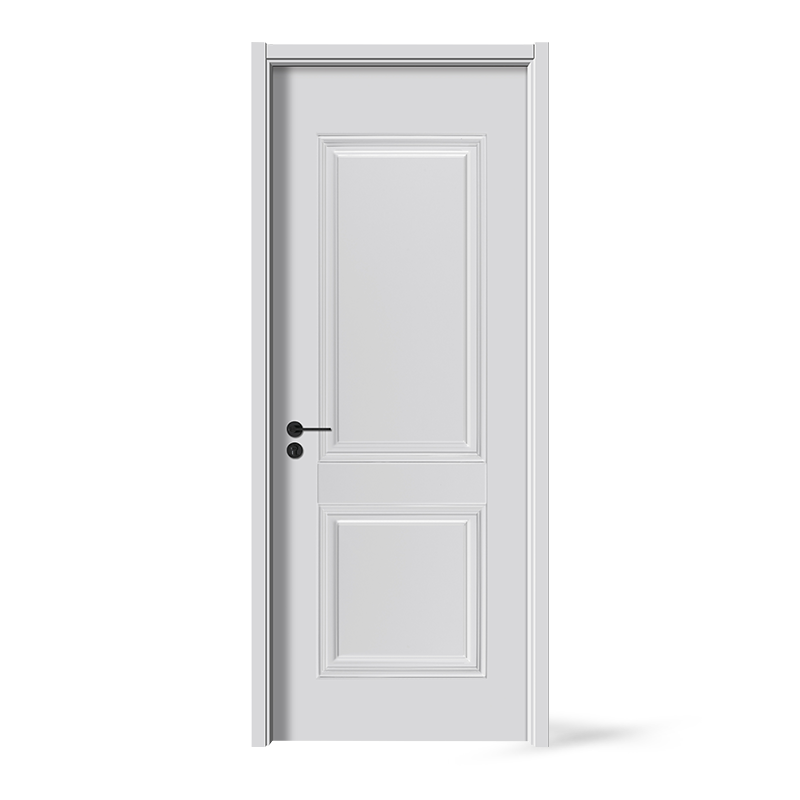
The core structure of PVC white painted teak board solid wood door is natural solid wood door core, and composite solid wood with good structural stability is selected as the basic skeleton. The solid...
See Details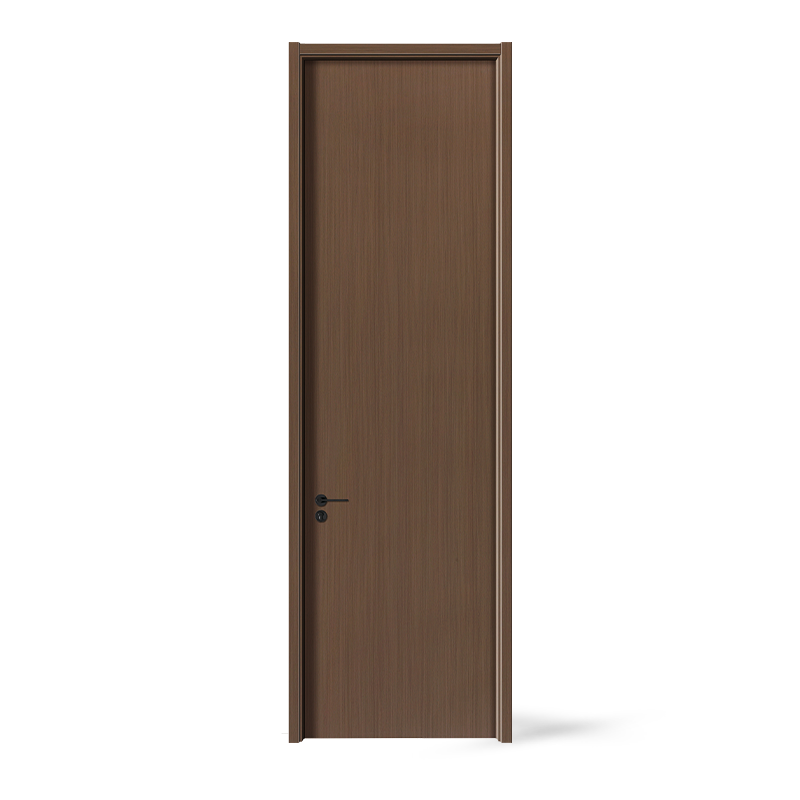
Black walnut veneer PVC interior solid wood door adopts multi-layer composite structure design. The core skeleton is generally composed of high-strength solid wood finger-jointed boards and fir integr...
See Details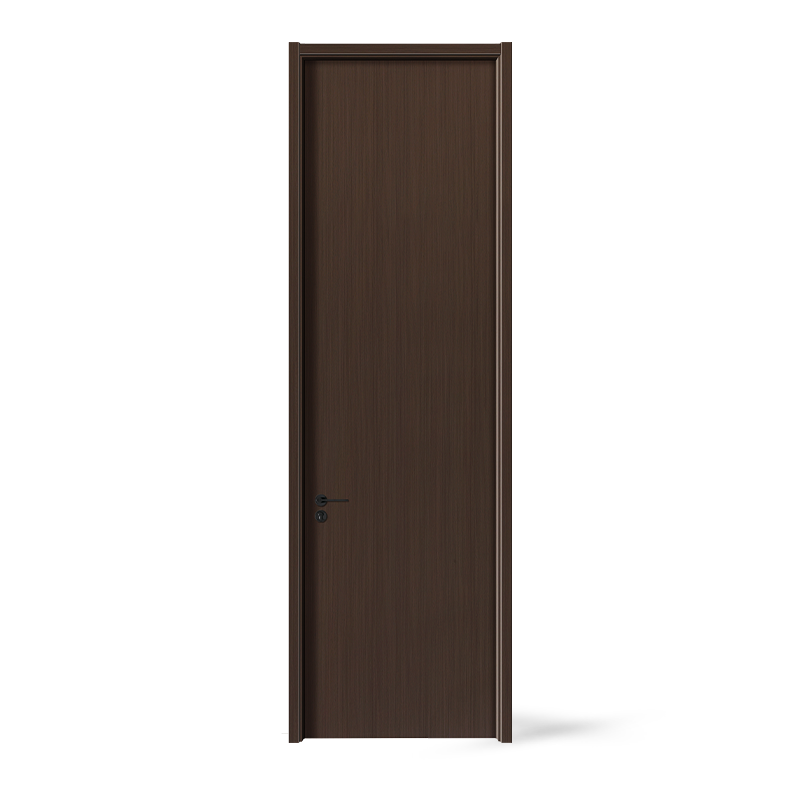
Indoor PVC wooden swing door is a high-quality door product that combines modern home design and practicality. It is widely used in various indoor spaces such as homes and offices. It uses PVC wood gr...
See Details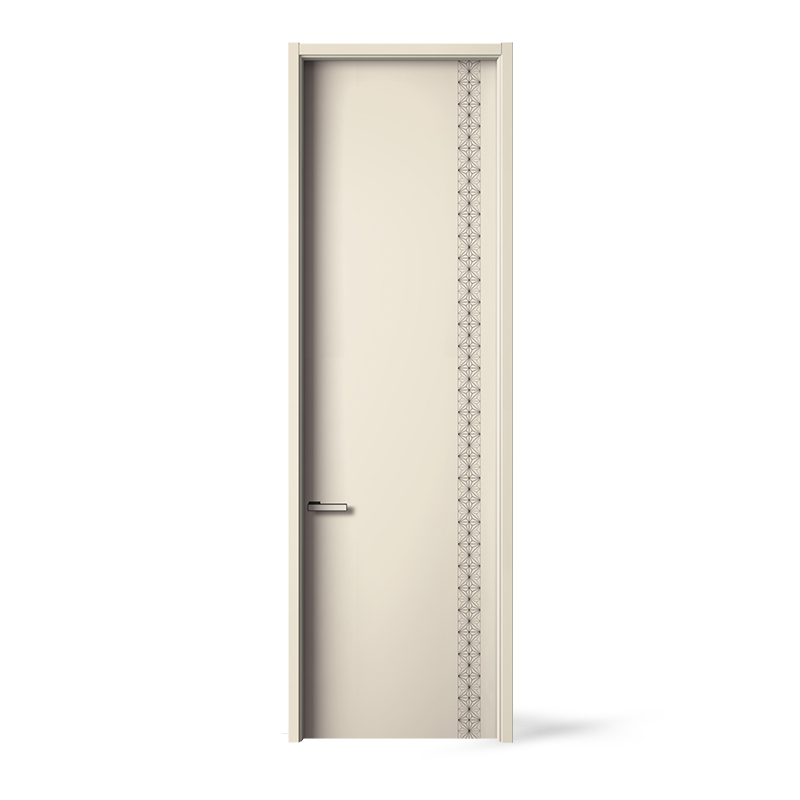
The core material of Xingyue White Waterproof Home Melamine Door uses strictly screened high-strength multi-layer solid wood boards as the base material. These base materials are made of high-quality ...
See Details1. Enhanced Durability and Weather Resistance of PVC Wood Doors PVC Wood Doors exhibit significantly enhanced durability and weather resistance when c...
READ MOREPVC Wood Doors' Innovative Materials: A Combination of Environmental Protection and Durability With the continuous evolution of modern home furnishing...
READ MOREIntroduction to Composite Wood Doors Composite wood doors have become a widely considered choice for homeowners and designers seeking alternatives to ...
READ MOREIn the world of home renovation and construction, the choice of doors is a critical decision that balances aesthetics, durability, and cost. While tra...
READ MORECopyright © Zhejiang Mingxuan Smart Home Co., Ltd. All Rights Reserved.