English
 中文简体
中文简体 Español
 عربى
عربى
Product Consultation
Your email address will not be published. Required fields are marked *

 EN
EN

Content

In the world of home renovation and construction, the choice of doors is a critical decision that balances aesthetics, durability, and cost. While traditional materials like solid wood have long been the standard, a new contender has been gaining significant traction: PVC wood doors. These innovative doors are not just a passing trend; they represent a significant leap forward in door technology, offering a compelling blend of classic beauty and modern performance.
PVC wood doors, also known as wood PVC doors or wood-plastic composite (WPC) doors, are a type of engineered door crafted from a unique combination of materials. The core of these doors consists of a blend of wood fibers or sawdust and a thermoplastic polymer, most commonly Polyvinyl Chloride (PVC). This mixture is then molded under high pressure and temperature to form a solid, uniform panel. The result is a door that captures the natural feel and look of wood while inheriting the superior properties of PVC. The outer layer is often a realistic wood grain finish or veneer, making it virtually indistinguishable from a traditional wooden door.
The rise in popularity of PVC wood doors is due to a perfect storm of factors. Homeowners and builders are increasingly seeking materials that are not only beautiful but also long-lasting, low-maintenance, and eco-friendly. PVC wood doors directly address these needs. They offer a solution to many of the common problems associated with traditional wooden doors, such as warping, rotting, and pest damage. Their versatility and cost-effectiveness make them an attractive option for a wide range of applications, from interior doors in residential homes to exterior doors in commercial buildings. As the demand for sustainable and high-performance building materials continues to grow, PVC wood doors are positioned to become a dominant force in the door market.
One of the most significant advantages of PVC wood doors is their exceptional durability. Unlike traditional wooden doors, which are susceptible to the elements, PVC wood doors are engineered to withstand the test of time. The PVC component provides a robust defense against moisture, preventing the doors from rotting, swelling, or warping. This makes them an ideal choice for humid climates or areas prone to heavy rainfall. Furthermore, they are highly resistant to pests like termites and wood borers, which can cause irreparable damage to solid wood doors. This inherent resistance to decay and pests ensures that PVC wood doors maintain their structural integrity and aesthetic appeal for many years, requiring far less frequent replacement than their traditional counterparts.
PVC wood doors are built to perform in a variety of climates. Their composition makes them highly stable and less prone to expansion or contraction with temperature fluctuations. This weather resistance is particularly beneficial for exterior doors, which are constantly exposed to the elements. They can endure extreme heat, cold, and UV radiation without cracking, fading, or degrading. This superior performance not only ensures the door's longevity but also contributes to the home's overall energy efficiency. The dense core of PVC wood doors provides excellent insulation, helping to regulate indoor temperatures and reduce energy consumption.
The days of PVC doors looking cheap and artificial are long gone. Modern manufacturing techniques allow for an incredible variety of styles and finishes that can beautifully mimic the look and feel of natural wood. From the rich grain of oak to the smooth texture of mahogany, PVC wood doors can be customized to suit any design aesthetic. They come in an extensive range of colors and textures, and can be designed with decorative panels, glass inserts, and intricate carvings. This ability to replicate the warmth and elegance of wood without the associated maintenance makes them a popular choice for both classic and contemporary interiors.
For homeowners seeking a hassle-free lifestyle, PVC wood doors are an excellent solution. They are remarkably easy to clean and maintain. Unlike solid wood doors that require regular sanding, painting, or staining to protect them from the elements, PVC wood doors only need a simple wipe-down with a damp cloth and mild detergent to keep them looking pristine. Their non-porous surface prevents stains from seeping in, and they are resistant to scratches and scuffs, ensuring their beauty lasts with minimal effort. This low-maintenance quality translates to significant long-term savings in both time and money.
While the initial cost of a PVC wood door might be comparable to or slightly higher than a low-grade solid wood door, their long-term cost-effectiveness is undeniable. The savings come from multiple sources: reduced maintenance costs, lower energy bills due to better insulation, and the elimination of expensive repairs or replacements due to rot, pests, or warping. When you factor in the extended lifespan and minimal upkeep, PVC wood doors offer a superior return on investment, making them a smart and economical choice for any property owner.
PVC wood doors offer a versatile range of options to suit various needs and architectural styles. Whether you're looking for interior doors to enhance the flow and aesthetics of your home or robust exterior doors to provide security and weather protection, there's a PVC wood door to fit the bill.
Interior PVC wood doors are designed to enhance the look and functionality of the spaces within your home. They are typically lighter than exterior doors but still offer excellent durability and sound insulation. Common types include:
Panel Doors: These doors feature one or more solid or decorative panels set within the door frame. They come in various panel configurations, from classic raised panels to contemporary flat panels, offering a wide range of aesthetic possibilities.
Flush Doors: Flush doors have a smooth, unbroken surface, providing a sleek and modern look. They can be solid core for better soundproofing or hollow core for lighter weight applications. They are often used in contemporary interiors or where a minimalist design is desired.
Glazed Doors: Glazed doors incorporate glass panels, allowing natural light to flow between rooms. The glass can be clear, frosted, textured, or beveled, offering both functionality and decorative appeal. They are popular for living rooms, dining rooms, and hallways.
Exterior PVC wood doors are engineered to be strong, secure, and highly resistant to the elements. They provide a durable barrier against weather, intruders, and noise. Common types include:
Entry Doors: These are the main doors to your home, designed to be both welcoming and secure. They often feature thicker construction, reinforced frames, and options for multi-point locking systems. They come in a variety of styles, from traditional to modern, and can include decorative panels, sidelites, and transoms.
Patio Doors: Designed to provide access to outdoor spaces like patios, decks, or gardens. Common styles include sliding patio doors, which glide horizontally, and hinged patio doors, which swing open like traditional doors. PVC wood patio doors offer excellent insulation and security.
French Doors: A type of hinged patio door that features multiple glass panels and opens outward or inward. They add a touch of elegance and allow for a wide opening, making them ideal for connecting indoor and outdoor living spaces.
PVC wood doors can be manufactured in a wide array of styles to complement any architectural design:
Traditional: Often featuring raised panels, intricate carvings, and classic hardware.
Modern: Characterized by clean lines, minimalist designs, and often incorporating flush surfaces or sleek glass panels.
Rustic: Embracing natural textures and finishes, sometimes with distressed effects to mimic aged wood.
Contemporary: A blend of modern and traditional elements, often featuring unique panel designs or material combinations.
One of the significant advantages of PVC wood doors is the level of customization available. You can often choose:
Size and Dimensions: Doors can be made to specific opening sizes.
Finish and Color: A wide range of wood grain finishes and solid colors are available.
Hardware: Options for handles, hinges, locks, and other accessories to match your style and security needs.
Glass Options: Different types of glass, including clear, frosted, tempered, and decorative.
Panel Designs: Various panel configurations and styles to achieve the desired look.
|
PVC Wood Door |
||||||
|
Feature |
Interior Panel Door |
Interior Flush Door |
Interior Glazed Door |
Exterior Entry Door |
Exterior Sliding Patio Door |
Exterior French Door |
|
Material |
PVC wood composite with wood grain veneer |
PVC wood composite with smooth finish |
PVC wood composite with glass panel(s) |
Reinforced PVC wood composite with durable finish |
Multi-chamber PVC wood frame with glass panels |
Reinforced PVC wood composite with glass panels |
|
Core |
Typically solid or engineered wood core |
Typically solid or hollow core options |
Typically solid or engineered wood core |
High-density core for security & insulation |
Multi-point locking system |
High-density core for security & insulation |
|
Styles Available |
Raised panel, Shaker, Victorian, etc. |
Flat, grooved, minimalist |
With single or multiple glass panes, various designs |
Traditional, Modern, Craftsman, etc. |
2-panel, 3-panel, 4-panel configurations |
Inswing or outswing, various panel designs |
|
Common Finishes |
Oak, Maple, Walnut, Cherry (mimics) |
White, Gray, Black, customizable colors |
Matching wood grain or solid colors |
Wood grain finishes, painted colors |
White, Beige, Brown, customizable colors |
Matching wood grain or solid colors |
|
Hardware Options |
Standard interior hinges, levers, knobs |
Standard interior hinges, levers, knobs |
Standard interior hinges, levers, knobs |
Heavy-duty hinges, multi-point locks, handlesets |
Multi-point locks, ergonomic handles |
Heavy-duty hinges, multi-point locks, handles |
|
Typical Uses |
Bedrooms, bathrooms, closets, offices |
Modern homes, utility rooms, pantries |
Living rooms, dining rooms, hallways |
Front entrance, side entrances |
Access to patios, decks, backyards |
Connecting indoor and outdoor spaces |
|
Key Benefits |
Aesthetic variety, good sound dampening |
Sleek design, cost-effective options |
Natural light transmission, visual appeal |
Security, weather resistance, curb appeal |
Space-saving, natural light, easy access |
Elegant design, wide opening, natural light |
Installing a PVC wood door is a process that can be managed by a competent DIY enthusiast, though professional installation is always recommended for the best results, especially for exterior doors where a perfect seal is critical for security and weatherproofing.
Before you begin, gather the following tools and materials:
Door: The pre-hung or slab PVC wood door.
Frame/Jamb Kit: If not a pre-hung door.
Tape Measure: For accurate measurements.
Level: To ensure the door is perfectly plumb and level.
Drill: With various bits for pre-drilling and driving screws.
Screwdriver: A manual screwdriver for fine-tuning.
Wood Shims: To adjust the door frame.
Hammer: For tapping in shims and nails.
Chisel: To mortise for hinges and strike plates (if not pre-cut).
Sealant/Caulk: For sealing gaps around the frame.
Foam Sealant: For insulation around the door frame (optional, but recommended for exterior doors).
Door Hardware: Handles, locks, and hinges.
Safety Glasses: To protect your eyes.
Work Gloves: To protect your hands.
Carefully remove the old door and frame.
Clean the opening of any old debris, nails, or caulk.
Measure the opening's width, height, and depth at multiple points to ensure it's square and level.
Use a level to check the floor for a level surface.
Dry-fit the new door and frame into the opening to check for a proper fit.
Place the door frame into the opening.
Use shims to center the door frame and ensure it is plumb and square on all sides. Shims should be placed behind the hinge locations and the latch strike plate.
Once the frame is perfectly aligned, temporarily secure it with screws through the hinge-side jamb, driving them through the shims and into the wall studs.
Check the door's operation, ensuring it swings freely and latches properly without sticking.
Secure the latch-side jamb with screws, again driving them through shims and into the wall studs.
If the door and frame are not pre-drilled for hardware, carefully measure and mark the locations for the hinges, strike plate, and handle/lockset.
Using a chisel, mortise the hinge and strike plate locations so they sit flush with the door and frame.
Attach the hinges to the door slab and then to the door frame.
Install the handle and lockset according to the manufacturer's instructions.
Attach the strike plate to the door frame, ensuring the latch bolt aligns perfectly and the door closes securely.
Once the door is installed and operating correctly, you must seal the gaps.
For exterior doors, use a low-expansion foam sealant to fill the gaps between the frame and the rough opening for insulation. Be careful not to use a high-expansion foam, which can bow the door frame.
Apply a line of caulk to seal any remaining gaps on both the interior and exterior of the door frame.
Install the interior and exterior trim to cover the gaps and provide a finished look.
While a DIY installation can save you money, a professional installer brings expertise and precision that ensures the door is fitted perfectly. For exterior doors, this is particularly important to guarantee maximum security, energy efficiency, and weather resistance. A professional installer will have the right tools and experience to handle any unforeseen issues, such as an out-of-square opening, and will complete the job quickly and efficiently, saving you potential headaches in the long run.
One of the most appealing aspects of PVC wood doors is their minimal maintenance requirements. With just a little routine care, they can maintain their beauty and performance for a lifetime.
The non-porous surface of PVC wood doors makes them exceptionally easy to clean. You don't need any harsh chemicals or special treatments.
Recommended cleaning products: A simple solution of warm water and a mild, non-abrasive detergent (like dish soap) is all you need. You can also use a mixture of white vinegar and water for a streak-free shine. Avoid using abrasive cleaners, scouring pads, or solvents like acetone, as these can damage the door's finish.
How to clean: Use a soft cloth or sponge dipped in the cleaning solution to wipe down the door's surface. For any stubborn marks or dirt, a soft-bristled brush can be used gently. Pay attention to the door's frame, hinges, and hardware. After cleaning, rinse the door with clean water and dry it with a soft, lint-free cloth to prevent water spots.
How to remove stains and marks: For minor scuffs or marks, a simple pencil eraser can often do the trick. For tougher stains, a plastic cleaner or a dedicated PVC cleaner may be used, but always test it on a small, inconspicuous area first.
While PVC wood doors are incredibly durable, a few simple preventative measures can ensure they last even longer.
Regular inspections: Periodically inspect your doors for any signs of wear and tear, especially the seals and weatherstripping on exterior doors. Check the hinges and hardware to ensure they are tight and functioning correctly. A loose hinge can cause the door to sag, making it difficult to open and close.
Lubricating hardware: A small amount of lubricant, such as silicone spray, can be applied to the hinges and lock mechanisms once or twice a year to ensure smooth operation and prevent rust or corrosion.
Protecting from extreme weather: While PVC wood doors are weather-resistant, for exterior doors in areas with extreme temperature fluctuations or intense sun exposure, a protective overhang or awning can help to further extend the life of the door's finish and seals.
The cost of PVC wood doors can vary widely depending on several factors. Understanding these can help you budget effectively for your project.
Factors Affecting the Price of PVC Wood Doors
Size: Larger doors, or those with non-standard dimensions, will naturally be more expensive.
Style and Customization: A simple flush door will be more affordable than a panel door with intricate carvings or a door with decorative glass inserts. The more custom features you add, the higher the price will be.
Brand: Reputable brands with a history of quality manufacturing may have a higher price point, but this often comes with a better warranty and customer support.
Quality of Materials: The quality of the PVC composite and the finishing veneer can affect the price. Higher-quality materials offer better durability and a more realistic wood-like appearance.
When considering the cost, it's helpful to compare PVC wood doors to other common door materials.
Solid Wood: The initial cost of a solid wood door can be significantly higher, especially for premium species. Additionally, the ongoing maintenance costs for painting, staining, and sealing can add up over time.
Steel: Steel doors are often less expensive than high-end PVC wood doors but may not offer the same aesthetic appeal. They are also prone to denting and can rust if the protective coating is compromised.
Fiberglass: Fiberglass doors are a popular alternative, often having a similar price point to PVC wood doors. They are also durable and low-maintenance but may not offer the same realistic wood feel and warmth.
The cost of installation can also vary. A DIY installation will only cost you the price of the tools and materials, but a professional installation can range from a few hundred to several hundred dollars per door, depending on the complexity of the job and your location. For a complex exterior door installation, a professional is often worth the added expense to ensure a perfect fit and long-term performance.
Choosing the right door for your home involves weighing the pros and cons of different materials. Here is a detailed comparison of PVC wood doors with some of their most common alternatives.
Solid wood doors have long been a symbol of luxury and tradition, but they come with a distinct set of challenges. PVC wood doors offer a modern solution that addresses many of these issues.
Pros of Solid Wood: Unmatched natural beauty, classic aesthetic appeal, and excellent thermal and acoustic insulation. When properly maintained, solid wood doors can last for a very long time.
Cons of Solid Wood: High initial cost, significant maintenance requirements (sanding, staining, painting), and susceptibility to warping, rotting, and pest damage when exposed to moisture and temperature changes.
PVC wood doors provide a durable, low-maintenance alternative that beautifully mimics the look of natural wood without these drawbacks.
Composite doors are another popular engineered option, often seen as a step up in terms of security and performance. They are made from a blend of materials, including wood, PVC, glass-reinforced plastic (GRP), and a foam core.
Pros of Composite Doors: Exceptional durability, superior security features, and excellent thermal insulation. They are highly resistant to weathering and are available in a wide range of styles.
Cons of Composite Doors: Higher initial cost than PVC wood doors, can be heavier, and repairs can be challenging if the GRP skin is damaged.
PVC wood doors are a more budget-friendly option that still offers a great balance of durability and low maintenance, making them an excellent choice for homeowners who want a long-lasting door without the higher investment of a composite door.
|
Feature |
PVC Wood Doors |
Solid Wood Doors |
Composite Doors |
|
Material |
PVC and wood fiber composite |
Solid piece of a single timber species |
Multi-layered (wood, PVC, GRP, foam core) |
|
Durability |
High; resistant to moisture, rot, pests, and warping |
High, but requires constant maintenance to prevent damage |
Very high; extremely durable and weather-resistant |
|
Maintenance |
Very low; just occasional cleaning |
High; requires regular painting, staining, or sealing |
Low; simple cleaning is sufficient |
|
Aesthetic Appeal |
Wide variety of styles and finishes, realistically mimics wood |
Natural, classic, and authentic wood grain |
High-end, can mimic wood with a smooth finish |
|
Cost |
Mid-range |
High (both initial and long-term) |
High (initial cost) |
|
Insulation |
Good |
Excellent (natural insulator) |
Excellent (multi-layered construction) |
|
Security |
Good, can be enhanced with locking systems |
Good, but can be a target for pests and rot |
Excellent, often with multi-point locking |
|
Longevity |
Very long; can last for decades with proper care |
Can last a lifetime with diligent maintenance |
Very long; often guaranteed for over 25 years |
|
Environmental |
Can use recycled materials, but PVC is a non-renewable resource |
Renewable resource if sustainably sourced; requires chemical treatments |
Can use recycled materials, but complex to recycle at end-of-life |
The sustainability of building materials is a growing concern for homeowners and manufacturers alike. The environmental impact of PVC wood doors is a topic with both positive and negative aspects.
Recycled content: A key environmental benefit of PVC wood doors is their potential to incorporate recycled materials. Many manufacturers use recycled wood fibers and even recycled plastics in their production. This "upcycling" reduces the demand for virgin timber, helping to combat deforestation.
Reduced resource consumption: Because of their durability and resistance to decay, PVC wood doors have a longer lifespan than many traditional doors. This longevity means fewer doors are produced and replaced over time, reducing the overall consumption of resources. Additionally, their low maintenance needs mean less use of paints, stains, and chemical treatments that can release volatile organic compounds (VOCs).
The manufacturing process of PVC involves the use of non-renewable fossil fuels. The production of chlorine, a key component of PVC, is also an energy-intensive process. While PVC is technically recyclable, the infrastructure for recycling it is not as widespread as for other materials. The process can be complex due to the various additives used in the doors' composition, and improper disposal can lead to harmful emissions. However, many manufacturers are making strides to use more energy-efficient processes and to create products that are easier to recycle at the end of their life.
A common misconception is that PVC doors are highly flammable because they are a form of plastic. However, this is largely a myth. PVC wood doors are not fireproof, but they are generally fire-resistant and self-extinguishing. The material itself is naturally difficult to ignite. Many modern PVC doors are manufactured with fire-retardant additives and inner layers of fire-resistant materials, which significantly slow the spread of fire and smoke.
For safety, some doors are fitted with **intumescent seals** that expand when exposed to heat, sealing the gaps between the door and the frame to prevent fire and smoke from passing through. While they may not be the ideal choice for environments requiring extremely high fire ratings, they often meet standard safety regulations and provide valuable extra time for evacuation in a fire emergency. When choosing a door, it's wise to check for specific fire ratings and certifications from accredited laboratories.
PVC wood doors are an excellent choice for a variety of climates because they are engineered to handle extreme temperatures without warping, cracking, or swelling. This is a significant advantage over solid wood doors, which are prone to damage from moisture and temperature fluctuations.
In high heat, the molecular structure of PVC helps it maintain its shape and strength. Many modern doors are manufactured with UV-stabilizers to prevent fading, discoloration, and brittleness caused by prolonged sun exposure. However, it's still best to avoid storing or installing doors in enclosed, unventilated spaces where temperatures can exceed 150°F (65°C), as this could cause softening or distortion.
In cold weather, the low thermal conductivity of PVC acts as a natural insulator, helping to keep warm air inside and cold air out. This property contributes to energy efficiency and a more comfortable indoor climate. The non-porous nature of PVC also means it won't absorb moisture, preventing the damage that can occur when water freezes and thaws within a traditional wooden door.
It is generally not recommended or necessary to paint or stain PVC wood doors. The doors are designed to be low-maintenance and come with a durable, pre-finished surface that is meant to last for years without any additional treatments. The surface is non-porous, meaning it won't absorb stain like natural wood.
However, if you feel you must change the color of your door, it is possible with the right preparation and materials. Painting PVC is a difficult process because its surface has low energy, which makes it hard for paint to adhere. The process involves thoroughly cleaning the door, lightly sanding it with a fine-grit material to create a "key" for the paint, and using a specialized paint formulated for use on PVC or plastic. A standard paint will not adhere well and will likely peel or chip over time. For the best and most long-lasting results, it is highly recommended to consult the manufacturer's instructions or hire a professional who has experience with painting PVC surfaces.
The scratch resistance of PVC wood doors is a significant advantage, particularly in busy households with children or pets. The surface of these doors is engineered to be more durable and less prone to scratching than solid wood. The hard, non-porous outer layer, often a laminate or a specialized coating, provides a strong defense against everyday scuffs, bumps, and minor impacts.
Scratch-resistant surfaces: Many manufacturers use advanced finishes that are specifically designed to resist scratching. These finishes not only maintain the door's aesthetic appeal but also reduce the need for constant touch-ups and repairs.
Pet-friendly: For pet owners, PVC wood doors can be a game-changer. The tough surface stands up much better to dog claws and other pet-related wear and tear compared to softer wood doors, which can show scratches easily.
While they are highly resistant, no door is completely scratch-proof. Deeper scratches or gouges from sharp objects or heavy impacts can still occur. For minor scratches, a specialized PVC repair kit can often be used to buff out the marks and restore the finish.
Yes, in many cases, PVC wood doors can be repaired. The ease of repair depends on the type and severity of the damage.
Minor Surface Damage: For light scratches or scuffs, a simple cleaning with a mild abrasive pad or a dedicated PVC cleaner can often restore the surface. Specialized repair kits are available for deeper scratches, which typically involve a filler material that is colored to match the door's finish.
Structural Damage: If the door has a dent or a crack, a repair can be more complex but still possible. This often involves using a filler and carefully blending it into the surrounding surface. For more significant damage, such as a large hole or a broken section, the repair may be more extensive and may require professional assistance to ensure the structural integrity is maintained.
Hardware Issues: Common problems like squeaky hinges or a misaligned door can be easily fixed by lubricating the hinges or adjusting the screws. Damaged hardware, like a broken handle or lock, can be replaced just as you would on any other door.
For severe damage, a full door replacement might be the most cost-effective and aesthetically pleasing solution, especially considering the relatively affordable nature of many PVC wood doors.
The lifespan of a PVC wood door is one of its most significant benefits. With proper installation and minimal maintenance, a high-quality PVC wood door can last for several decades, often exceeding 20-30 years. This longevity is a direct result of the materials used in its construction.
Durability: The PVC composite core is resistant to the elements that cause traditional wood doors to fail, such as moisture, rot, and pests. This means the door's structural integrity remains intact for a much longer period.
Low Maintenance: Since there's no need for regular painting, staining, or sealing, the door is protected from the wear and tear that comes with constant upkeep. The durable finish is designed to resist fading and cracking over time.
Comparison: While a well-maintained solid wood door can last a lifetime, the effort and cost required to achieve that lifespan are substantial. PVC wood doors offer a "set it and forget it" solution, providing long-term value and peace of-mind without the ongoing work.
Yes, PVC wood doors generally offer good sound insulation, especially when compared to hollow-core doors. The dense, engineered core of a PVC wood door provides a solid barrier that is effective at dampening noise.
Core Composition: The core, a blend of PVC and wood fibers, is denser than the hollow spaces found in many interior doors. This density makes it harder for sound waves to pass through.
Solid Construction: The solid nature of the door panel and frame helps to absorb vibrations and block sound transmission.
Insulation Properties: The same properties that give the door its thermal insulation also contribute to its acoustic performance. By creating a sealed barrier, the door helps to reduce noise transfer between rooms or from the outdoors.
For environments where soundproofing is a top priority, such as a home office, a bedroom facing a noisy street, or a media room, a PVC wood door is a strong choice. You can further enhance sound insulation by ensuring the door is properly sealed with weatherstripping and a door sweep.
Composite Wood Doors: A Comprehensive Guide to Types, Benefits, and Maintenance
Melamine Wood Doors: The Perfect Combination of Style, Durability, and Affordability
Your email address will not be published. Required fields are marked *
The copper color single opening UV resistant steel front door has a simple and elegant appearance design, a unique copper surface texture, and excellent decorative properties. It adopts advanced steel...
See Details
Metal steel single door security home main door is a high-quality door product designed for home security. It is made of high-quality steel, combined with modern technology and innovative design, perf...
See Details
This double-layer steel fireproof and insulated front door is mainly composed of inner and outer double-layer steel plates, fireproof filling core material, inner frame reinforcement layer, heat insul...
See Details
Grey design glass inset metal exterior steel front door is made of high-quality cold-rolled steel, which is precisely processed and treated to have extremely high strength and rigidity, and can effect...
See Details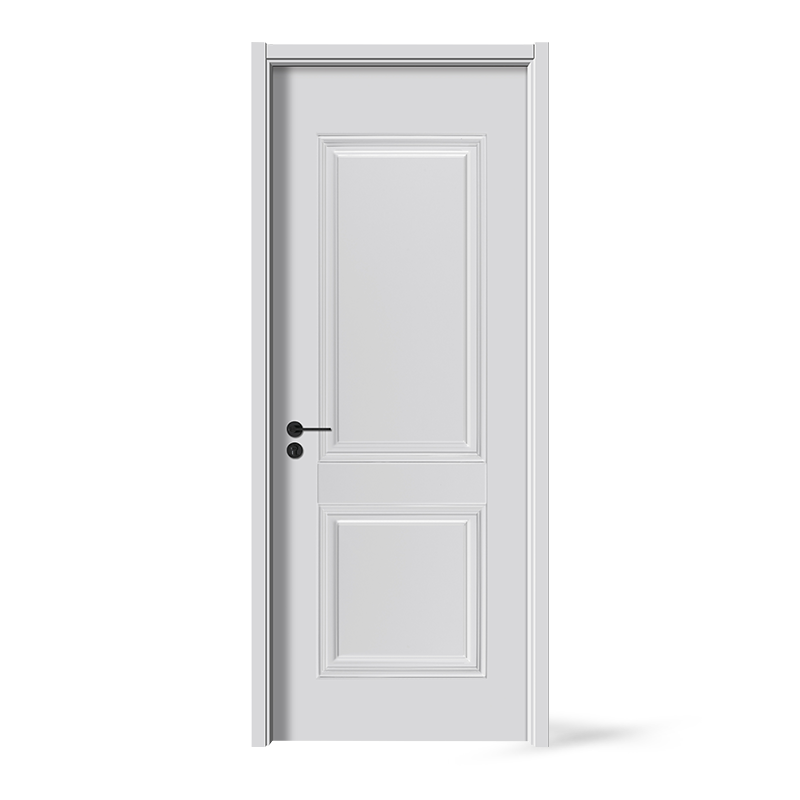
The core structure of PVC white painted teak board solid wood door is natural solid wood door core, and composite solid wood with good structural stability is selected as the basic skeleton. The solid...
See Details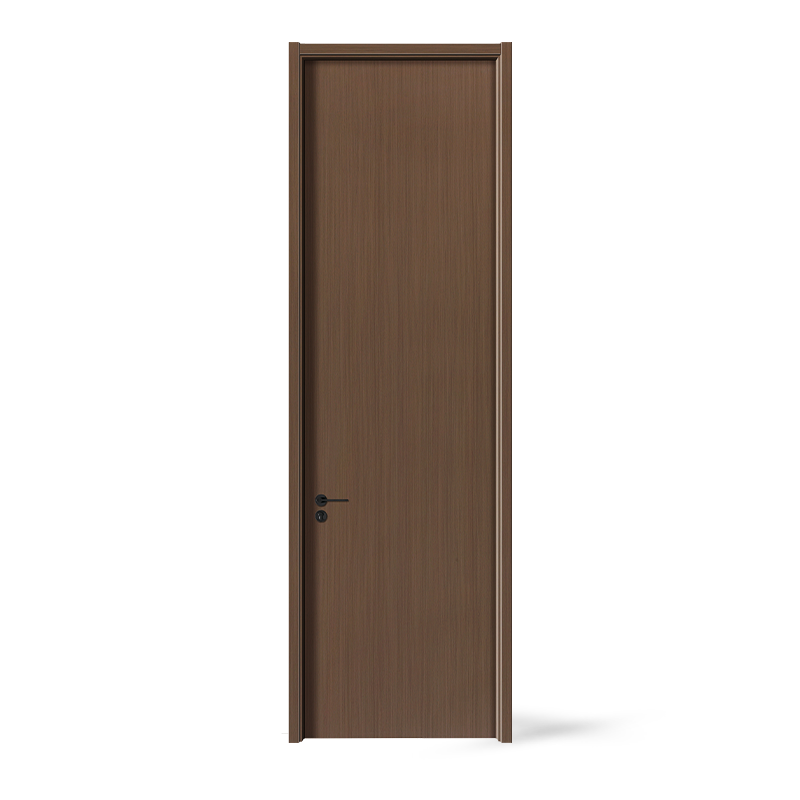
Black walnut veneer PVC interior solid wood door adopts multi-layer composite structure design. The core skeleton is generally composed of high-strength solid wood finger-jointed boards and fir integr...
See Details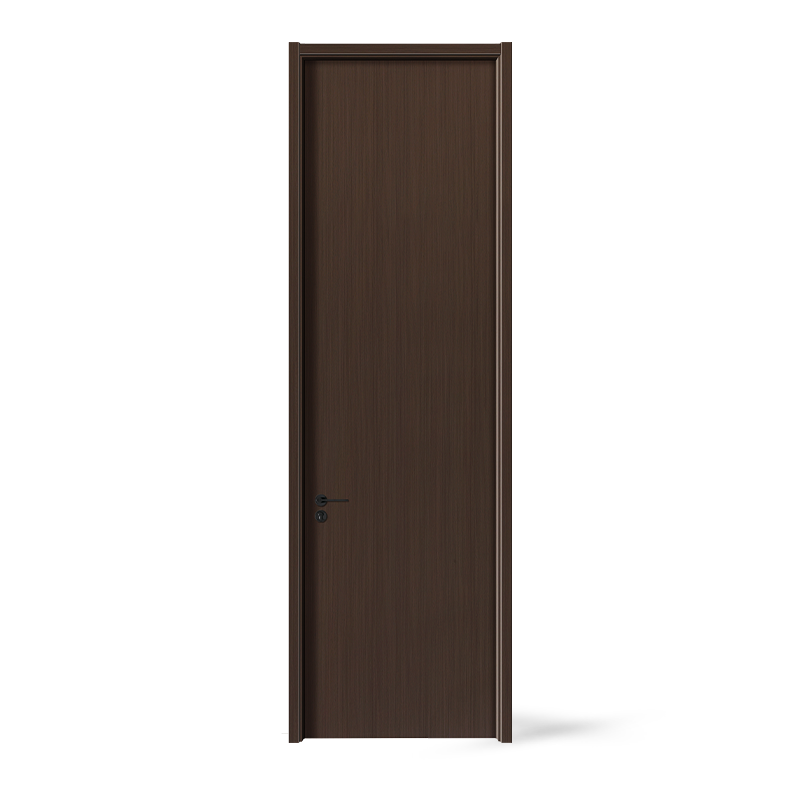
Indoor PVC wooden swing door is a high-quality door product that combines modern home design and practicality. It is widely used in various indoor spaces such as homes and offices. It uses PVC wood gr...
See Details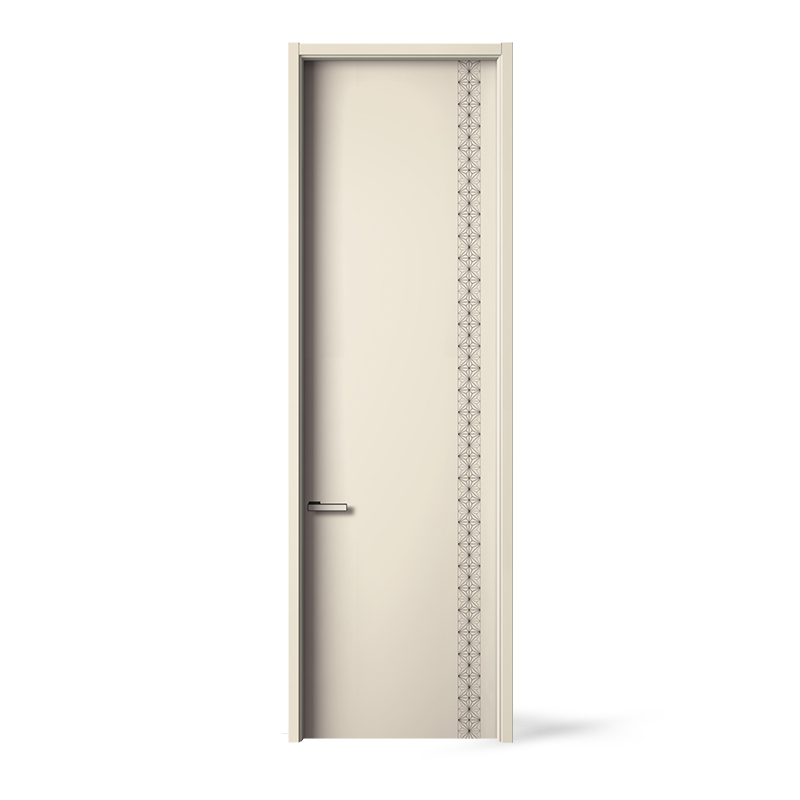
The core material of Xingyue White Waterproof Home Melamine Door uses strictly screened high-strength multi-layer solid wood boards as the base material. These base materials are made of high-quality ...
See Details1. Enhanced Durability and Weather Resistance of PVC Wood Doors PVC Wood Doors exhibit significantly enhanced durability and weather resistance when c...
READ MOREPVC Wood Doors' Innovative Materials: A Combination of Environmental Protection and Durability With the continuous evolution of modern home furnishing...
READ MOREIntroduction to Composite Wood Doors Composite wood doors have become a widely considered choice for homeowners and designers seeking alternatives to ...
READ MOREIn the world of home renovation and construction, the choice of doors is a critical decision that balances aesthetics, durability, and cost. While tra...
READ MORECopyright © Zhejiang Mingxuan Smart Home Co., Ltd. All Rights Reserved.