English
 中文简体
中文简体 Español
 عربى
عربى
Product Consultation
Your email address will not be published. Required fields are marked *

 EN
EN

Content
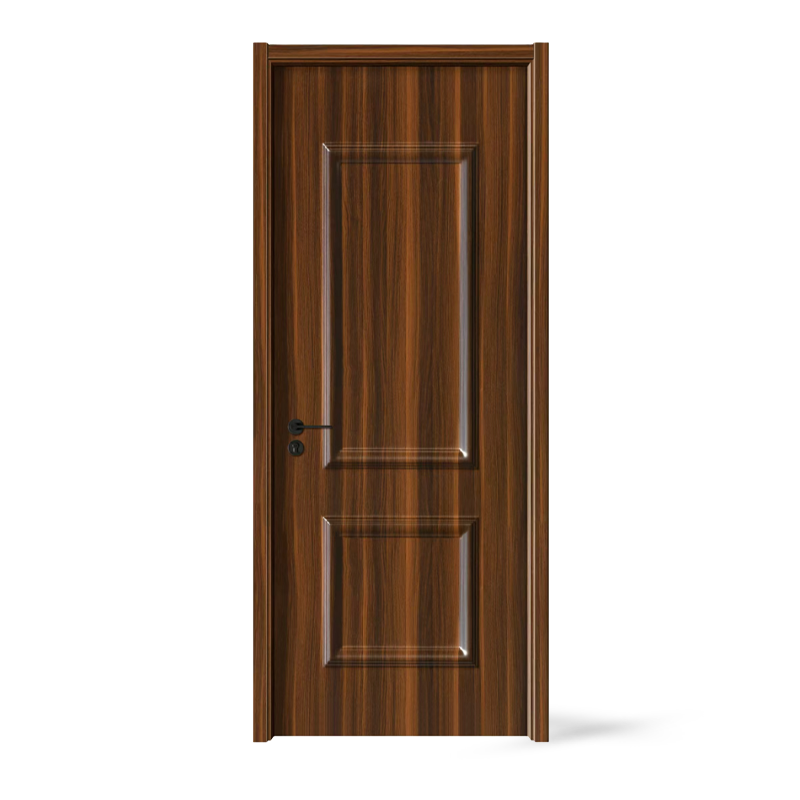
With the continuous evolution of modern home furnishing concepts, people's demands for doors and windows extend beyond basic insulation and protection. More and more consumers are beginning to pay attention to the environmental friendliness, durability, and health impacts of materials. Against this backdrop, PVC wood doors, with their unique material advantages, have gradually become a top choice for modern homes.
PVC is an environmentally friendly, non-toxic, and recyclable plastic material. Compared to traditional wood, the materials used in PVC wood doors not only avoid the environmental burden of deforestation but also effectively reduce harmful emissions from wood processing. Many PVC wood door manufacturers use processed recycled PVC, further reducing resource waste and environmental pollution.
PVC wood doors do not use harmful substances such as formaldehyde during their production, meaning they emit far fewer substances than traditional wooden doors. This is a key consideration for many consumers when choosing home furnishing materials, as indoor air quality directly affects the health of family members, especially the respiratory systems of children and the elderly. PVC wood doors, with their zero formaldehyde and low VOC emissions, are an ideal choice for a healthy and environmentally friendly home.
Compared to ordinary wood, PVC wood doors offer superior durability. As a synthetic material, PVC exhibits excellent aging resistance. It resists UV rays, moisture, and airborne pollutants, and is not prone to fading or warping. Traditional wooden doors tend to absorb water and swell, even rotting, while PVC wood doors maintain their stability over time.
This durability makes PVC wood doors an ideal long-term investment. Many home renovations choose PVC wood doors for exterior doors or bathrooms because they withstand moisture and heat, and require no frequent replacement or repair, significantly reducing ongoing maintenance costs.
Another major advantage of PVC is its high strength. Its impact resistance surpasses that of ordinary wood, making it particularly effective in preventing theft. Modern PVC wood doors often feature a multi-layered construction, which not only enhances their strength but also improves their resistance to pressure and impact. Therefore, PVC wood doors can withstand the wear and tear of daily use while also effectively protecting against external impacts and damage.
PVC wood doors are particularly suitable for homes with children or pets because they are less susceptible to damage and their surface resists scratches and indentations. This scratch and impact resistance significantly increases the door's lifespan and the safety of the home.
PVC wood doors also excel in terms of water and moisture resistance. PVC inherently has excellent water-resistance and is not easily eroded by moisture. This makes them an ideal choice for humid environments such as bathrooms and kitchens. PVC wood doors maintain their appearance and performance even in environments with frequent exposure to water vapor and in areas with high humidity.
Compared to ordinary wooden doors, PVC wood doors are less susceptible to expansion, deformation, or rot. This makes them particularly popular in humid southern climates, and many families even choose them as an ideal choice for balcony doors, exterior doors, and other high-humidity areas.
Another innovative feature of PVC wood doors is their seamless joint technology. This technology uses precision craftsmanship to tightly bond PVC with wood, glass, and other elements, ensuring that the door resists deformation during thermal expansion and contraction. This not only enhances the door's overall sealing, but also effectively blocks the ingress of outside air.
PVC wood doors offer exceptional thermal insulation. Compared to metal or traditional wooden doors, PVC wood doors effectively reduce the impact of temperature fluctuations on the interior, particularly helping to maintain a cooler interior in the summer and reducing heat loss in the winter. This thermal insulation not only provides a comfortable home environment but also helps reduce energy consumption, saving on air conditioning and heating costs.
PVC wood doors are not only environmentally friendly and durable, but also offer a wide variety of design styles. Modern PVC wood doors are exquisitely crafted to simulate the grain, texture, and color of wood and can even be customized to suit individual needs. Whether it's a classic wood look or a sleek, modern, minimalist style, PVC wood doors blend effortlessly into any home, satisfying consumers' aesthetic needs.
This design flexibility makes PVC wood doors suitable for a variety of home decoration styles, from European classics to modern minimalism, from rural pastoral to industrial styles. PVC wood doors also have increasingly sophisticated surface treatments, with a wider range of textures and colors to choose from, adding a unique artistic atmosphere to any home.
|
Features |
PVC wood door |
Ordinary wooden door |
|
Material |
PVC material, simulated wood grain texture |
Solid wood or composite wood, mainly natural wood |
|
Environmental protection |
No formaldehyde, low VOC, environmentally friendly and harmless |
May contain formaldehyde and volatile harmful substances |
|
Durability |
High durability, corrosion resistance, UV resistance, and moisture resistance |
Susceptible to water and moisture erosion and easy to deform |
|
Waterproof performance |
Strong waterproof, will not swell or rot due to moisture |
Easy to absorb water, easy to deform or rot in a humid environment |
|
Anti-aging properties |
Superior, not easily faded or damaged by UV rays |
Prolonged exposure to sunlight can easily lead to fading or aging |
|
Sound insulation effect |
Good, strong sealing |
Medium, poor sound insulation when sealing is poor |
|
Maintenance difficulty |
Low, easy to clean surface and simple to maintain |
Requires regular waxing and maintenance, and maintenance is more complicated |
|
Impact and scratch resistance |
Good quality, not easily scratched or damaged |
Easy to scratch and leave scratches |
|
Exterior Design |
Customizable in a variety of styles and colors, mimicking the look of wood |
Natural wood grain has a unique texture, but the styles are limited |
|
Cost |
Affordable and cost-effective |
Relatively expensive, especially high-end solid wood doors |
|
Weight |
Lightweight and easy to install |
Heavy, which may increase installation difficulty |
|
Applicable environment |
Suitable for humid environments, kitchens, bathrooms and other areas |
Suitable for dry environments, not recommended in humid places |
In modern home renovations, door selection isn't just about aesthetics, functionality, and durability; ease of installation is also a crucial factor. Traditional wooden doors typically require precise craftsmanship, lengthy drying processes, and complex installation procedures. PVC wood doors, however, are becoming the preferred choice for more and more families due to their ease of installation and time-saving features.
One of the greatest advantages of PVC wood doors is that they simplify the complex installation process of traditional wooden doors. Traditional wooden doors often require on-site fabrication based on the dimensions of the door opening, involving multiple steps such as wood cutting, sanding, and painting. PVC wood doors, on the other hand, are typically prefabricated and shipped to pre-ordered, standard sizes, requiring minimal installation.
This advantage not only shortens installation time but also reduces the technical skills required. In many cases, PVC wood doors can be easily installed by non-professionals, simply following standard installation procedures. This is undoubtedly a significant attraction for consumers seeking to save installation costs.
PVC wood doors feature a modular design, typically consisting of a frame, leaf, lock, and hinges. During installation, users simply assemble these components according to the labeled steps, eliminating the need for on-site adjustments or complex machining. The advantage of this modular design is that it makes installation more efficient, and the precise fit between components reduces installation errors.
PVC wood door frames are typically flexible, adapting to various door opening sizes. Whether it's a standard size or a slightly irregular opening, installation can be completed with simple adjustments. This flexibility not only increases installation convenience and greatly improves the success rate, but also reduces the hassle of subsequent adjustments.
PVC wood doors offer a significant advantage over traditional wooden doors in that they are lightweight. Traditional wooden doors are typically made of solid wood or heavy composite wood, requiring multiple people to install and can also be damaged by accidental bumps during handling. PVC wood doors are lightweight, making them easy for installers to carry and handle, requiring minimal manpower and reducing labor costs.
This lightweight feature is particularly suitable for installation in high-rise residential buildings without elevators. Compared to traditional wooden doors, PVC wood doors require no lifting tools or the coordination of multiple personnel; a single person can handle and install them, saving both time and effort, and reducing the burden on consumers during the installation process.
During the installation of traditional wooden doors, the wood itself is susceptible to wear and tear during cutting, sanding, and drilling. This wear not only wastes material but can also lead to troublesome repairs later. However, due to the special nature of PVC wood doors, in most cases, complex cutting and sanding are unnecessary. Installers simply drill holes according to pre-set hole locations and install the doors, resulting in virtually no material waste.
This feature allows consumers to enjoy greater economical installation by reducing material waste and the risk of damage during installation. Especially for large-scale renovations, installing PVC wood doors can significantly reduce the overall cost of the project.
The installation of traditional wooden doors often generates considerable noise due to the wood cutting and sanding involved, a significant nuisance for residents living in apartment buildings or city centers. PVC wood doors, on the other hand, require no complex cutting procedures, resulting in relatively quiet installation. Most of the work is completed at the factory, significantly minimizing disruption during on-site installation.
This is particularly important for families with children or elderly residents, as noise can have significant health implications. The low noise level during installation of PVC wood doors provides a quieter and more comfortable home environment.
The processing and installation of traditional wooden doors often involves the use of various chemicals, such as paints, glues, and preservatives, which can affect indoor air quality. PVC wood doors, on the other hand, are manufactured using high-temperature pressing technology, eliminating the need for on-site painting or treatment. Therefore, PVC wood door installation avoids the high levels of dust, odor, and harmful gases typically associated with traditional wooden doors, effectively protecting the health of family members.
For families undergoing renovations, especially those with children or those with sensitive skin, the low-pollution installation feature of PVC wood doors is undoubtedly a significant advantage. There's no need to worry about harmful fumes, and the added hassle of cleaning and deodorizing can be avoided.
In addition to professional installers, PVC wood doors often come with clear installation manuals or video tutorials to help consumers complete installation without specialized tools. This ease of self-installation offers a wide range of options for DIY enthusiasts or those on a budget. With just a simple set of tools and some basic manual labor, consumers can install the doors themselves, saving the expense of hiring professional workers.
This ease of self-installation has made PVC wood doors increasingly popular among young families, especially those renting or undertaking small renovations, where the time-saving, labor-saving, and cost-effective advantages are even more pronounced.
PVC wood doors are often designed with flexible styles that can accommodate a variety of door opening sizes. Unlike traditional wooden doors, which may require re-cutting and adjustment, PVC wood doors are generally highly adaptable. Whether it's a standard door opening or an irregular one, PVC wood doors can be easily installed by adjusting the door frame or using various fittings, minimizing subsequent installation hassles.
This flexibility is particularly useful for irregular door openings encountered during renovations, whereas traditional wooden doors often require significant time and labor to adjust for these sizing issues.
With the intensification of global climate change, from scorching summer heat to freezing cold snaps, from torrential rain to drought, the weather resistance of home furnishing materials is becoming increasingly important. PVC wood doors, with their weather-resistant properties, are able to maintain excellent performance in a variety of harsh weather conditions, making them a preferred material for modern home renovations. They not only withstand the challenges of the weather but also effectively extend their service life, providing long-lasting protection for the home.
Summer heat is a common weather challenge in many regions, especially in southern and tropical regions. Traditional wooden doors are prone to expansion, deformation, and even cracking in high temperatures, causing significant challenges for home renovations. PVC wood doors, on the other hand, offer superior thermal stability, effectively withstanding the effects of high temperatures.
PVC is a heat-resistant material with a melting point much higher than that of common wood. This allows PVC wood doors to maintain their shape and strength even in high-temperature environments. Even under prolonged exposure to sunlight, the surface of PVC wood doors remains pristine without fading or warping. This characteristic makes PVC wood doors particularly effective in high-temperature environments, making them particularly suitable for areas with strong direct sunlight, such as balconies and windows in southern areas.
With global climate change, winters in cold regions are becoming increasingly severe. In such extreme cold, traditional wooden doors can crack and deform due to the sudden drop in temperature, seriously compromising their sealing and insulation. PVC wood doors, on the other hand, exhibit excellent resistance to low temperatures. Due to the inherent toughness of PVC, they maintain their original shape even in extremely cold weather, resisting brittleness or cracking due to sudden temperature drops.
The surface of PVC wood doors does not expand or contract like wood, allowing them to maintain a tight seal even in the coldest winters, preventing cold air from penetrating. This is particularly important for homes in northern and cold regions, effectively improving the doors' thermal insulation, preventing loss of indoor temperature, and saving energy.
Humid climates are a major advantage of PVC wood doors. Humid environments can severely impact traditional wooden doors. Long-term exposure to moisture can cause wood to absorb water, swell, warp, rot, and even harbor mold. In contrast, PVC wood doors offer exceptional moisture resistance. PVC inherently has a low water absorption rate, so even after prolonged exposure to humidity, it resists moisture absorption, maintaining the door's stability.
This characteristic makes PVC wood doors ideal for humid areas, especially coastal areas, bathrooms, and kitchens, where high humidity levels are common. In these environments, PVC wood doors effectively prevent the swelling, warping, and rot common to wooden doors, extending their lifespan and reducing maintenance costs.
Heavy rain and humid weather place higher demands on home furnishing materials. When traditional wooden doors are exposed to rain for extended periods, moisture can penetrate the wood, causing cracking or decay. PVC wood doors are highly waterproof. Unlike wood, they don't absorb water or absorb moisture, effectively preventing rain damage.
PVC wood doors feature a special waterproof coating that prevents rain from penetrating, keeping the doors dry. The carefully designed sealing strips on PVC wood doors effectively prevent water from seeping through the cracks, providing reliable waterproof protection for your home. Whether experiencing stormy weather or regular rainy seasons, PVC wood doors effectively block moisture from entering, keeping your home dry and comfortable.
Ultraviolet rays are a significant factor in the aging and fading of many building materials. Prolonged exposure to strong sunlight can cause traditional wooden doors to fade, age, and lose their original luster. PVC wood doors, on the other hand, are UV-resistant. Their surface coating effectively blocks UV damage, preventing fading and damage. Even in direct sunlight, PVC wood doors retain their vibrant color, keeping them looking like new for years to come.
This characteristic makes PVC wood doors a significant advantage in locations exposed to sunlight for extended periods, such as balconies, exterior doors, and windows. Over time, their exterior is impervious to UV rays, maintaining their long-lasting beauty and reducing the need for maintenance and replacement.
In windy areas, such as coastal or mountainous regions, strong winds can pose a threat to the stability of doors. Due to their unique material composition, PVC wood doors are able to withstand significant external forces and wind pressure, resulting in superior wind resistance. In strong winds, PVC wood doors offer excellent stability and are less likely to deform or loosen, ensuring they remain secure and reliable in harsh conditions.
The frame design of PVC wood doors also effectively distributes external pressure, enhancing the door's wind resistance. During common storms, PVC wood doors demonstrate their excellent wind resistance, ensuring safety and comfort in your home.
Due to their exceptional weather resistance, PVC wood doors remain remarkably stable in all weather conditions and are less susceptible to breakage or damage. Unlike traditional wooden doors, PVC wood doors require minimal maintenance and repair due to weather conditions. Even in extreme heat, cold, or humidity, PVC wood doors maintain their excellent performance and appearance, reducing the frequency of maintenance and door replacements and saving long-term repair costs.
In modern home design, doors must not only meet aesthetic and functional requirements but also adapt to a variety of environmental conditions, particularly those exposed to high humidity, moisture, or water damage. Traditional wooden doors often face problems such as deformation, swelling, or rotting due to moisture and water vapor intrusion. Consequently, maintenance costs and frequent replacement are high when used in these environments. PVC wood doors, however, are ideal for a variety of home environments thanks to their waterproof and moisture-resistant properties. Whether in kitchens, bathrooms, balconies, basements, or even coastal homes, PVC wood doors provide excellent moisture resistance, offering a more reliable and durable choice.
The material composition of PVC wood doors is the foundation of their waterproof and moisture-resistant properties. PVC is a synthetic material with a very low water absorption rate. Unlike traditional wood, it does not absorb moisture the way wooden doors do. When PVC wood doors are exposed to moisture, moisture cannot penetrate the door body, preventing the swelling, rotting, and deformation common to wooden doors.
PVC wood doors typically feature a three-layer design: a surface coating, a PVC core, and an inner support layer. This multi-layered structure not only enhances the door's stability but also further strengthens its waterproof and moisture-resistant properties. The surface coating is typically made of waterproof paint, effectively blocking moisture ingress. Furthermore, the PVC material itself is highly resistant to water, ensuring the entire door retains its original shape even in the presence of water vapor or splashes.
The kitchen and bathroom are areas of the home most exposed to moisture and humidity. Steam and cooking often accumulate, while bathrooms are particularly humid due to showering and steam. Traditional wooden doors are prone to absorbing moisture and expanding in these humid environments, potentially causing cracking and deformation, affecting their lifespan and aesthetics.
PVC wood doors address this issue. Their waterproof properties make them ideal for use in high-humidity areas such as kitchens and bathrooms. PVC wood doors not only resist the intrusion of water vapor but also effectively prevent swelling and deformation caused by moisture. Therefore, installing PVC wood doors not only extends the lifespan of your doors but also effectively reduces the cost of frequent replacement and maintenance.
PVC wood doors resist water accumulation and mold growth, further improving their hygienic properties. In humid environments like kitchens and bathrooms, PVC wood doors maintain their aesthetics and functionality over time, eliminating the musty odors and rot associated with traditional wooden doors.
In coastal areas or areas with perennial rainfall, humid weather places higher demands on building materials. Traditional wooden doors are highly susceptible to moisture in these environments, leading to rot, mold, and even insect infestation. PVC wood doors, however, are naturally waterproof and can effectively withstand marine humidity and perennial rainy climates.
PVC wood doors offer significant advantages in resisting salt spray and moisture penetration. They maintain their stability in persistent high humidity environments, preventing degradation or appearance degradation. Therefore, PVC wood doors are an ideal choice for homes in coastal cities or those in high-humidity areas.
The water resistance of PVC wood doors also prevents moisture from entering the home after heavy rain, avoiding discomfort and dampness caused by increased indoor humidity. Reduced humidity in the home improves air quality, which is beneficial to the health of family members, especially the elderly and children.
Although PVC wood doors are highly waterproof and moisture-resistant, this doesn't mean they are completely sealed, restricting indoor air circulation. On the contrary, modern PVC wood door designs often balance ventilation and moisture resistance. Many PVC wood doors feature specially designed venting systems or use breathable core materials, ensuring not only strong waterproofing but also good air circulation.
This design is particularly important in areas prone to moisture accumulation, such as kitchens, bathrooms, and basements. While preventing moisture intrusion, it also allows for adequate air exchange, preventing dampness, musty odors, and excessive moisture accumulation that can occur due to poor air circulation, maintaining a dry and comfortable indoor environment.
Due to their strong water and moisture resistance, PVC wood doors are more durable and require less maintenance than traditional wooden doors. In humid environments, traditional wooden doors typically require regular painting, preservatives, and cleaning to prevent moisture-related problems such as warping, mold, and rot. The moisture-resistant properties of PVC wood doors mean that these tedious upkeep is virtually unnecessary, significantly saving time and costs.
The highly water-resistant surface coating of PVC wood doors ensures a clean surface even in high humidity, eliminating the risk of water, stains, or mold. Daily cleaning requires only a damp cloth to keep the doors looking pristine. Compared to traditional wooden doors, the long-term durability and reduced maintenance requirements of PVC wood doors mean significant savings over the long term.
Besides kitchens and bathrooms, PVC wood doors are also ideal for other areas of the home prone to moisture. For example, basements, balconies, and laundry rooms are often exposed to moisture and water vapor, and the waterproof and moisture-resistant properties of PVC wood doors ensure they perform well in these environments.
Basements are often prone to high levels of moisture and water vapor. Due to lack of ventilation, the humid climate makes wooden doors more susceptible to mold and rot. PVC wood doors effectively block external moisture and humidity, keeping basements dry and preventing moisture from seeping into door frames and panels. Balconies are also prone to water accumulation during the rainy season, and the waterproof properties of PVC wood doors effectively prevent rainwater from entering the home, preventing the damp environment from affecting home life.
|
Home environment |
Traditional wooden door performance |
PVC wood door performance |
Advantages |
|
Kitchen |
It is easy to expand due to moisture absorption from oil smoke and steam, causing deformation or rot |
Waterproof, moisture-resistant, and unaffected by oil smoke and water vapor |
PVC wood doors are not affected by oil smoke and water vapor and are durable |
|
Bathroom |
Easy to absorb water, deform and mold after being exposed to moisture |
Moisture-proof, waterproof, and unaffected by steam and humidity |
PVC wood doors remain dry and mildew-free, suitable for humid environments |
|
Basement |
Susceptible to moisture, mold, and wood rot |
Good moisture-proof performance, non-hygroscopic, moisture-resistant |
PVC wood doors effectively prevent moisture penetration and keep the basement dry |
|
Balcony |
Often affected by rain and humid air, the wood may swell or rot |
Waterproof and moisture-proof, not affected by external rain or moisture |
PVC wood doors can effectively resist rain and prevent door body from decaying |
|
Coastal areas |
Humid air and salt spray can cause wood to rot and mildew |
Has salt spray resistance and is not affected by humid environments |
PVC wood doors adapt to the humid coastal environment and prevent rot |
|
Laundry room |
In high humidity environments, wood absorbs water and swells, making it susceptible to damage. |
Completely waterproof and moisture-proof, keep dry |
PVC wood doors adapt to high humidity environments and maintain stability |
In modern home design, doors are more than just functional barriers; they are also an integral part of home decor. The material, color, and design of a door can directly impact the overall ambiance and aesthetics of a room. As consumers' aesthetic preferences diversify, PVC wood doors, as a home building material that combines beauty, durability, and functionality, are becoming a top choice for modern home renovations. Their exceptional design flexibility and diverse finish options make them suitable for a wide range of home styles, making them an ideal choice for many families.
One of the greatest advantages of PVC wood doors is their flexible surface design and decorative possibilities. While traditional wooden doors offer natural wood grain and texture, their design and color options are often limited by the material. PVC wood doors, through advanced surface treatment technology, can mimic various wood textures, stone effects, and even modern metal finishes, enriching the visual experience while also catering to a wide range of home styles.
Modern Minimalist Style: For modern minimalist homes, PVC wood doors offer a smooth, clean finish. Monochrome panels or combined with glass create a clean, bright atmosphere.
Rustic Style: PVC wood doors can mimic the grain of real wood, featuring warm wood or white tones, perfectly complementing the natural, cozy atmosphere of a rustic style.
Classic European Style: For European-style homes seeking elegance and luxury, PVC wood doors can be designed with intricate carvings and fine details, maintaining the luxurious feel of traditional style with the durability of modern materials.
From minimalist modern to sophisticated classic, PVC wood doors offer a variety of finishes and textures to suit any aesthetic.
Beyond material and texture, color is a crucial factor influencing the overall ambiance of a door and a home. Another notable feature of PVC wood doors is their diverse color palette. While traditional wooden doors are typically limited to natural wood or a simple white, PVC wood doors can be customized during the production process using spray-coating technology to create a wide range of colors, including but not limited to classic wood tones, modern grays, dark and light colors, and a variety of vibrant hues.
Bright tones, such as light blue and pale green, can bring a fresh touch to a home and are suitable for modern and Nordic-style homes.
Dark tones, such as dark coffee and dark brown, create a mature and stable atmosphere and are suitable for European and classical-style homes.
Neutral tones, such as beige and light gray, blend seamlessly with any home style, embodying a modern and minimalist aesthetic.
PVC wood doors offer a wide range of color options, making them easily compatible with various home styles, ensuring the ideal atmosphere for every space.
Beyond color and texture, PVC wood doors can incorporate a variety of innovative design elements, allowing them to transcend basic functionality while also satisfying diverse aesthetic and practical needs. For example, modern PVC wood doors often feature glass panels. This design not only enhances the transparency and allows for increased natural light, but also showcases a modern, stylish home style.
The addition of innovative features like smart locks and recessed lighting has made PVC wood doors not only aesthetically pleasing but also practical and technologically advanced. For modern homes, these integrated features not only enhance the quality of life but also provide greater convenience and security for family members.
With the increasing demand for personalized home living, customized design has become a key trend in modern homes. PVC wood doors, with their excellent processing properties and flexible design features, have become a key component of customized homes. Consumers can choose PVC wood doors that meet their needs based on their home style, size requirements, and personal preferences, and can even customize them with unique colors and textures.
For example, for spaces with specialized requirements, such as attics, narrow hallways, or unusual door openings, PVC wood doors can be customized to suit the size and shape of the space, ensuring maximum utilization. Additionally, for homes with specialized design needs, PVC wood doors can be designed with distinctive shapes, such as arches, double doors, and concealed handles, adding a unique artistic touch to any space.
While many materials used in home decor fade, age, and wear over time, PVC wood doors retain their beautiful appearance over time. Thanks to their UV-resistant surface, PVC wood doors are less susceptible to fading from sunlight, ensuring their color and appearance remain pristine even after extended use. While traditional wooden doors require regular painting and maintenance, PVC wood doors require minimal maintenance, achieving a perfect balance between beauty and durability.
The surface of PVC wood doors is not only UV-resistant but also stain-resistant. Even with prolonged use, they resist stains and scratches, making them easy to clean. This feature is particularly suitable for homes with children or pets, as it reduces visual fatigue caused by daily wear and tear.
PVC wood doors aren't just designed for aesthetics; their versatile design allows them to blend seamlessly with other home elements. Whether it's walls, curtains, flooring, furniture, lighting, or other decorative elements, PVC wood doors coordinate harmoniously with each other, enhancing the overall harmonious aesthetic of the home. For example, light-colored PVC wood doors complement modern minimalist furniture, while darker PVC wood doors complement vintage-inspired furniture or elegant modern styles.
In modern home living, people increasingly prioritize quality of life and convenience. The choice of home materials must consider not only appearance and functionality but also long-term ease of use. In this regard, there are significant differences between traditional wooden doors and PVC wood doors. While traditional wooden doors offer the natural charm of wood, their high maintenance often comes with significant hassles. Regular maintenance, repainting, and moisture and corrosion protection consume time and money, burdening family members with tedious household tasks. PVC wood doors, with their low maintenance requirements, offer a more worry-free and labor-saving option for modern families.
Traditional wooden doors often require repainting or coating after a period of use to prevent fading, peeling, or damage caused by humidity, sunlight, and daily wear and tear. This not only increases the difficulty of maintenance but also requires additional time and money.
In contrast, PVC wood doors utilize advanced coating technology and materials, resulting in a highly durable and UV-resistant surface. Even with prolonged exposure to sunlight, the color of PVC wood doors will not fade or discolor. Therefore, PVC wood doors require virtually no maintenance, requiring regular painting or re-coating. Their appearance remains pristine for extended periods, saving families the hassle of repeated repainting.
The surface treatment of PVC wood doors makes them highly resistant to stains and oils. Even in kitchens and other environments prone to stains, PVC wood doors can be easily cleaned, maintaining a pristine appearance. This significantly reduces the frequency and difficulty of cleaning, ensuring a consistently comfortable and aesthetically pleasing home environment.
Traditional wooden doors easily absorb moisture in humid environments, causing them to swell, warp, and even mold. PVC wood doors, however, are waterproof and moisture-resistant, effectively resisting the intrusion of moisture. PVC wood doors don't absorb water, expand, or rot, ensuring their structural and aesthetic stability over time, even in high-humidity areas like bathrooms, kitchens, and basements.
In contrast, traditional wooden doors often require drying, painting, or even, in severe cases, replacement once exposed to moisture. Due to their waterproof properties, PVC wood doors have a much longer maintenance cycle than traditional wooden doors, reducing repair and replacement costs associated with moisture.
Daily wear and tear, especially in homes with children or pets, often cause scratches and other damage to door surfaces. While traditional wooden doors may appear sturdy, frequent contact, friction, and collisions can easily lead to scratches, dents, and other damage, diminishing their appearance and potentially shortening their lifespan.
The surface material of PVC wood doors is relatively durable and highly resistant to scratches and abrasion. Even after prolonged use, the surface of PVC wood doors remains smooth and even, virtually resistant to scratches or fading. This wear resistance not only ensures the door's aesthetic appeal but also reduces maintenance costs associated with scratches and bumps.
This durability makes PVC wood doors particularly suitable for high-traffic areas such as hallways and entryways, eliminating the need for frequent repairs and the worry of damage to the door's appearance due to daily use.
Traditional wooden doors are susceptible to corrosion and mold over time, especially in humid or rainy environments. Wood easily expands and deforms after absorbing water, and the surface may begin to rot. This corrosion problem often requires costly and time-consuming repairs or even the replacement of the door.
PVC wood doors offer a natural advantage in this regard. Because PVC is inherently corrosion- and mold-resistant, it is not easily affected by moisture, insects, or rot. Even in humid environments, PVC wood doors maintain their original appearance, preventing corrosion from shortening their lifespan. This eliminates the worry of replacing the door due to corrosion and avoids the hassle of long-term maintenance.
Traditional wooden doors often require special cleaning agents and specialized tools to maintain the wood's gloss and texture. Wooden doors often attract dust and stains, making cleaning difficult and, over time, affecting the wood's color and quality. PVC doors, on the other hand, have a smooth, easy-to-clean surface, requiring only a gentle wipe with a damp cloth. They require no special maintenance.
PVC doors are highly stain-resistant and don't easily accumulate oil, dust, or water stains. Even in environments with heavy cooking fumes, such as kitchens, they stay clean, eliminating the need for regular, extensive cleaning or maintenance. This makes daily maintenance of PVC doors very simple, significantly saving time and effort on household chores.
Compared to traditional wooden doors, the lower maintenance requirements of PVC doors directly impact a household's long-term financial well-being. Due to their durability, corrosion resistance, scratch resistance, and water and moisture resistance, PVC doors can reduce long-term maintenance and repair costs. During use, consumers don't need to frequently replace the door, repaint, or perform special maintenance work, saving money and effectively avoiding the hassle of repairs.
The long lifespan and minimal maintenance requirements of PVC wood doors make them an extremely cost-effective home building material. While the initial investment in PVC wood doors may be slightly higher than that of ordinary wooden doors, their low maintenance costs and long lifespan ultimately significantly reduce overall expenses.
For busy modern families, saving time and energy on household maintenance is crucial. The low maintenance requirements of PVC wood doors free family members from the drudgery of cleaning and maintenance, allowing them to enjoy a more worry-free living experience. Saving time on household chores allows family members to devote more time to more meaningful activities such as entertainment, leisure, and family gatherings, improving their quality of life.
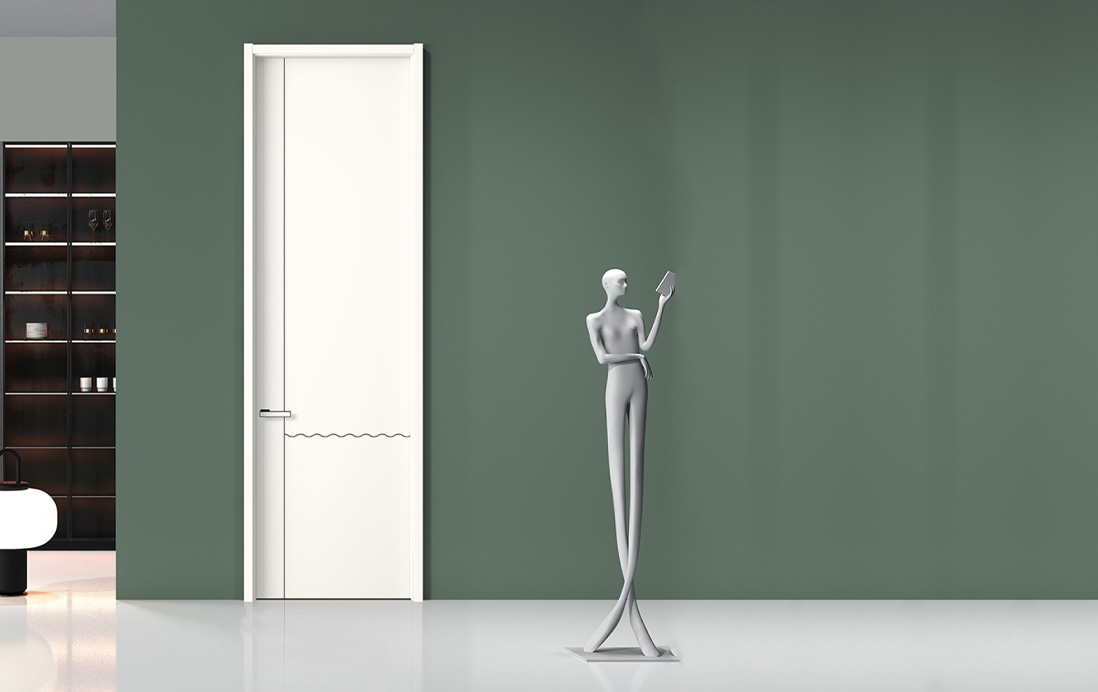
What are the benefits of PVC wood doors compared to traditional wooden doors?
Composite Wood Doors: A Comprehensive Guide to Types, Benefits, and Maintenance
Your email address will not be published. Required fields are marked *
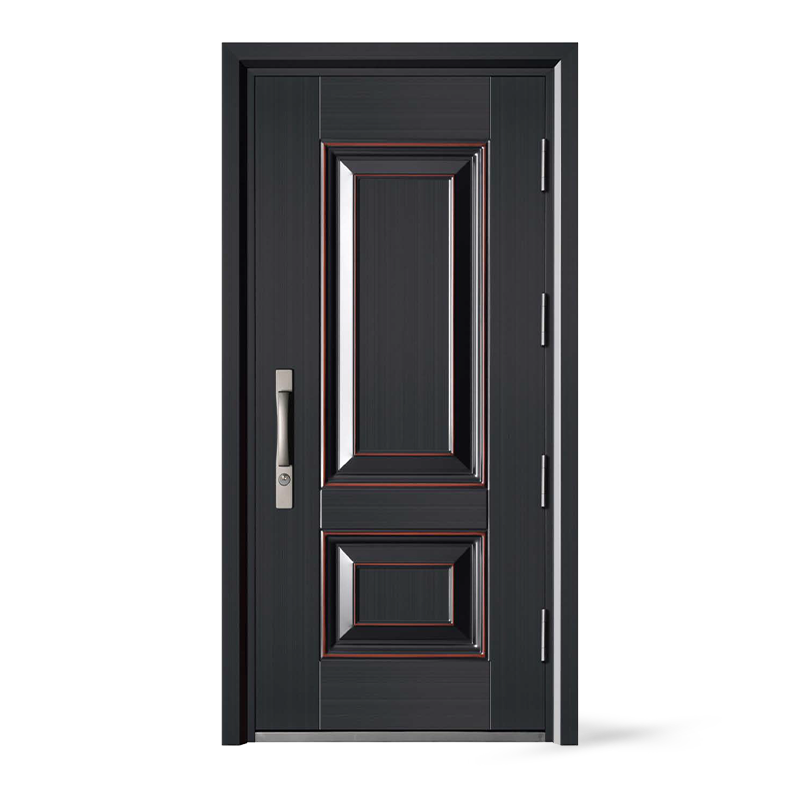
The copper color single opening UV resistant steel front door has a simple and elegant appearance design, a unique copper surface texture, and excellent decorative properties. It adopts advanced steel...
See Details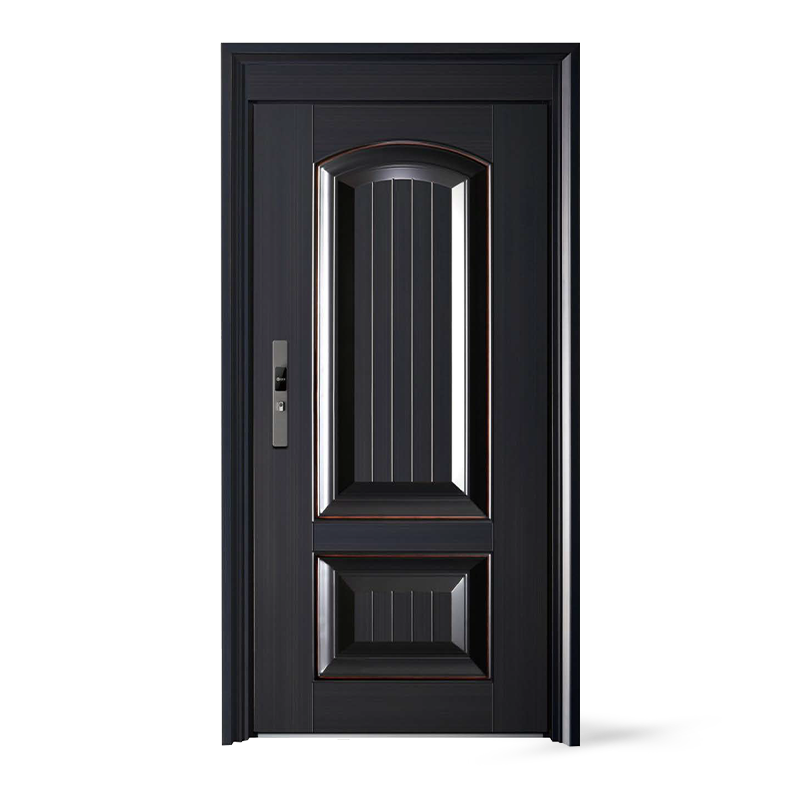
Metal steel single door security home main door is a high-quality door product designed for home security. It is made of high-quality steel, combined with modern technology and innovative design, perf...
See Details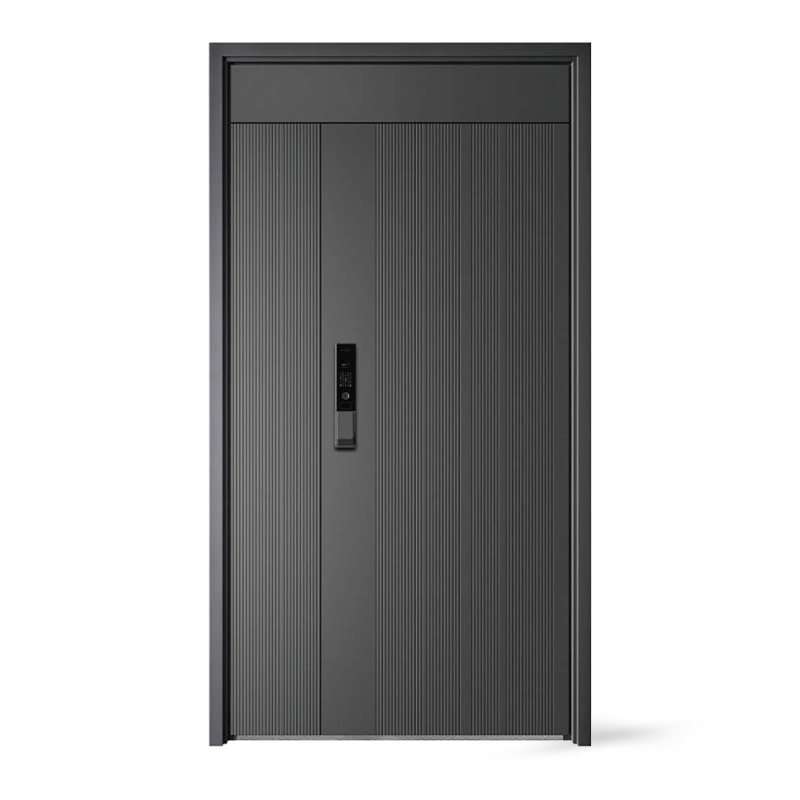
This double-layer steel fireproof and insulated front door is mainly composed of inner and outer double-layer steel plates, fireproof filling core material, inner frame reinforcement layer, heat insul...
See Details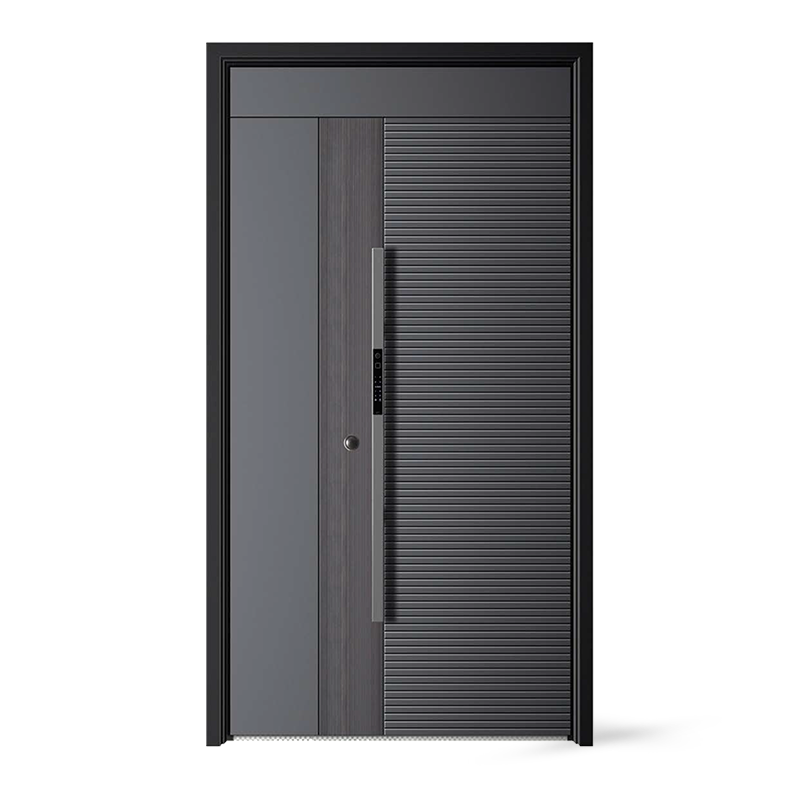
Grey design glass inset metal exterior steel front door is made of high-quality cold-rolled steel, which is precisely processed and treated to have extremely high strength and rigidity, and can effect...
See Details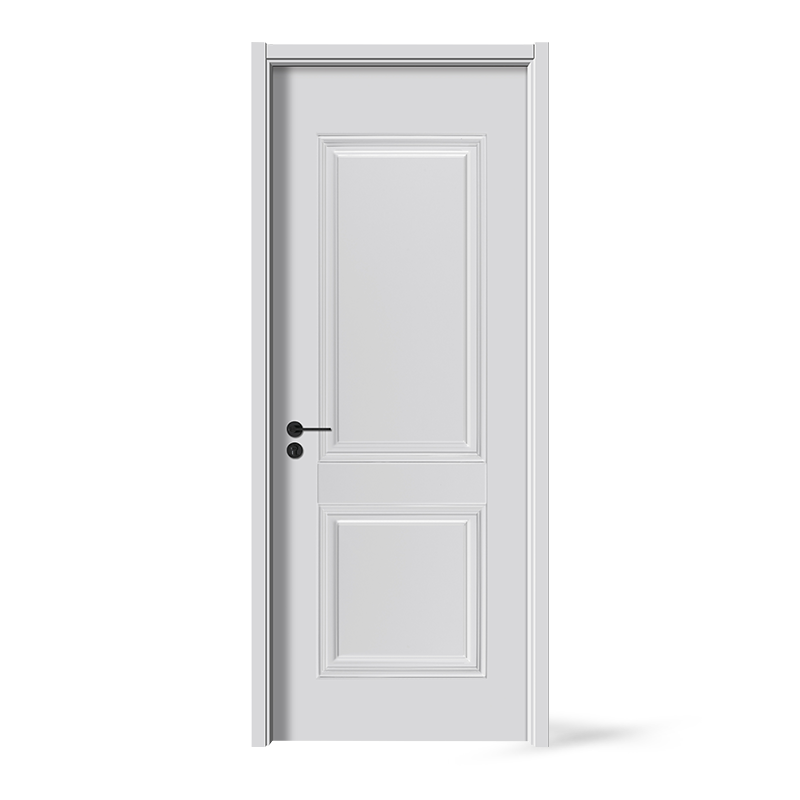
The core structure of PVC white painted teak board solid wood door is natural solid wood door core, and composite solid wood with good structural stability is selected as the basic skeleton. The solid...
See Details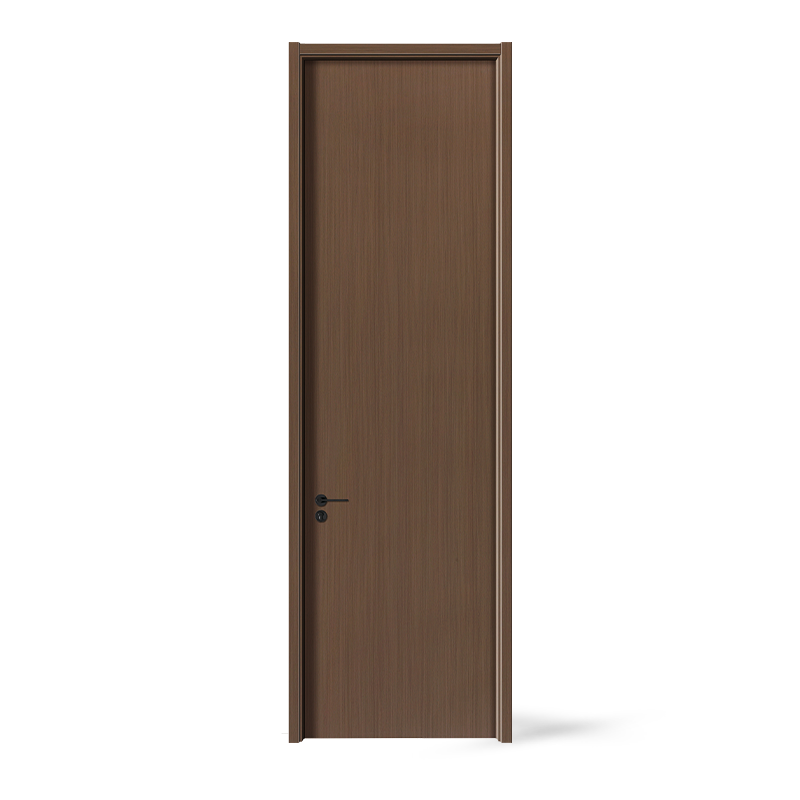
Black walnut veneer PVC interior solid wood door adopts multi-layer composite structure design. The core skeleton is generally composed of high-strength solid wood finger-jointed boards and fir integr...
See Details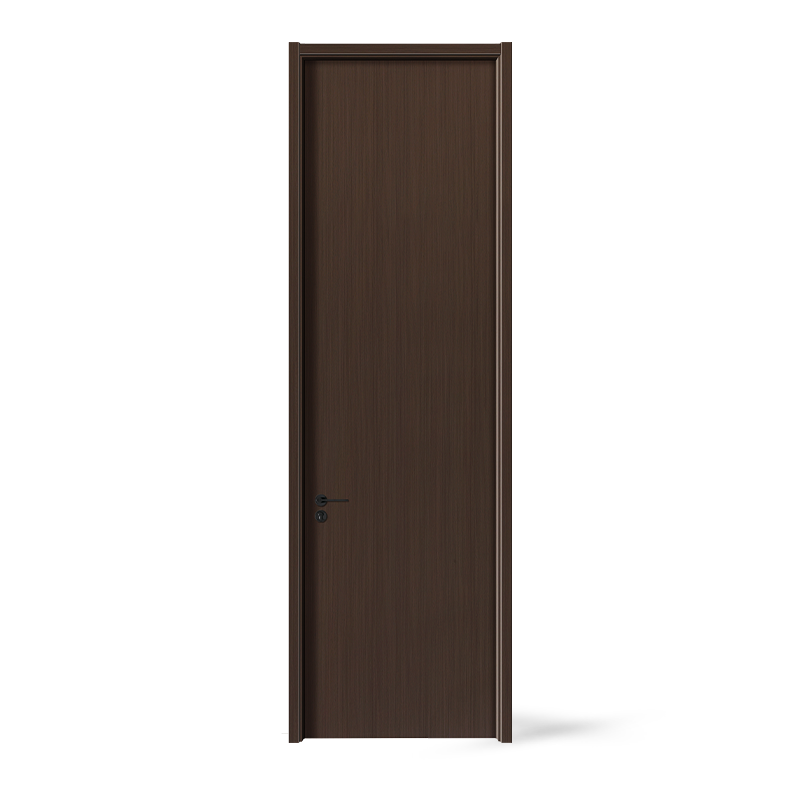
Indoor PVC wooden swing door is a high-quality door product that combines modern home design and practicality. It is widely used in various indoor spaces such as homes and offices. It uses PVC wood gr...
See Details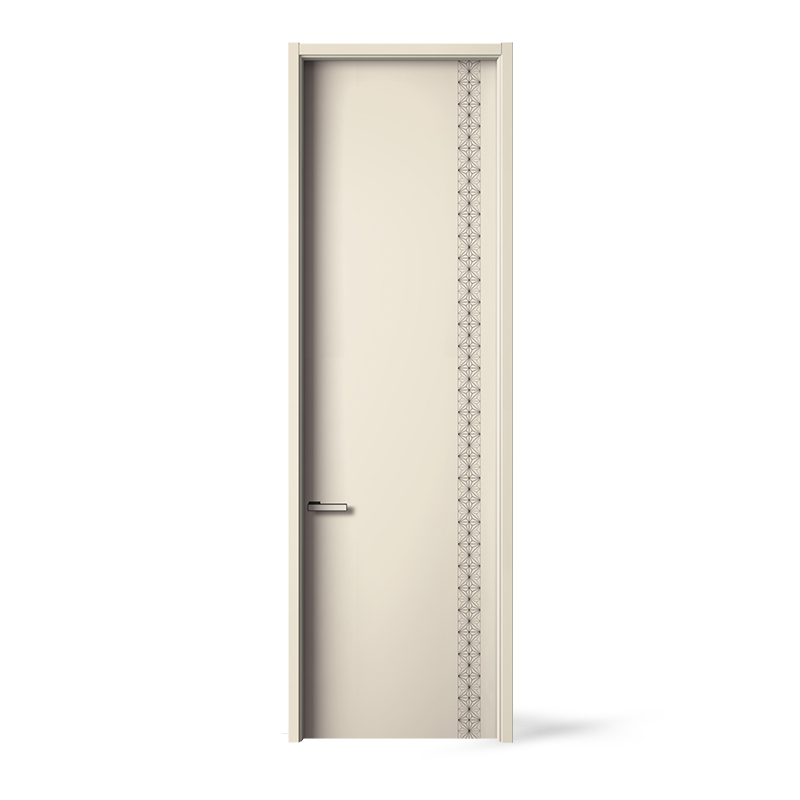
The core material of Xingyue White Waterproof Home Melamine Door uses strictly screened high-strength multi-layer solid wood boards as the base material. These base materials are made of high-quality ...
See Details1. Enhanced Durability and Weather Resistance of PVC Wood Doors PVC Wood Doors exhibit significantly enhanced durability and weather resistance when c...
READ MOREPVC Wood Doors' Innovative Materials: A Combination of Environmental Protection and Durability With the continuous evolution of modern home furnishing...
READ MOREIntroduction to Composite Wood Doors Composite wood doors have become a widely considered choice for homeowners and designers seeking alternatives to ...
READ MOREIn the world of home renovation and construction, the choice of doors is a critical decision that balances aesthetics, durability, and cost. While tra...
READ MORECopyright © Zhejiang Mingxuan Smart Home Co., Ltd. All Rights Reserved.