English
 中文简体
中文简体 Español
 عربى
عربى
Product Consultation
Your email address will not be published. Required fields are marked *

 EN
EN

Content

PVC Wood Doors exhibit significantly enhanced durability and weather resistance when compared to traditional wooden doors, making them an increasingly popular choice in both residential and commercial applications. This superiority stems from the fundamental differences in material composition and manufacturing processes, which collectively result in a door that can better withstand environmental stresses, resist aging, and maintain functional integrity over extended periods.
Material Composition and Its Impact on Durability
The core advantage of PVC Wood Doors lies in their construction from polyvinyl chloride (PVC), a thermoplastic polymer known for its inherent toughness and resilience. Unlike natural wood, which is an organic material susceptible to moisture absorption, decay, and insect attack, PVC is impervious to water and chemical corrosion. This makes PVC Wood Doors far less prone to the structural degradation that typically affects wooden doors exposed to fluctuating weather conditions. PVC’s closed-cell structure prevents water molecules from penetrating the door’s surface, which significantly reduces risks of swelling, warping, and cracking — common issues that plague traditional wooden doors after repeated exposure to rain, humidity, and temperature shifts.
Resistance to Moisture and Humidity
Traditional wooden doors absorb moisture from the surrounding environment, which causes expansion and contraction cycles. Over time, these cycles induce stress within the wood fibers, leading to warping, splitting, and loss of structural integrity. PVC Wood Doors, by contrast, are virtually unaffected by moisture due to their synthetic nature. This means that they retain their shape, dimensions, and surface smoothness regardless of humidity levels, which is particularly advantageous in coastal areas, regions with heavy rainfall, or indoor environments with variable humidity. The non-porous surface of PVC prevents mold and mildew growth, enhancing the door’s hygiene and lifespan.
UV Resistance and Color Stability
Exposure to sunlight introduces ultraviolet (UV) radiation, which can cause degradation of materials, fading of colors, and weakening of surfaces. Traditional wooden doors require protective coatings or regular repainting to combat UV damage, as the lignin and cellulose in wood break down under prolonged sunlight exposure. PVC Wood Doors incorporate UV stabilizers during manufacturing, enabling them to resist discoloration, brittleness, and surface erosion over time. This UV resistance ensures that the door’s appearance remains vibrant and intact for years without requiring frequent maintenance or refinishing, thereby preserving both aesthetic appeal and functional performance.
Impact and Scratch Resistance
Durability is not only about resisting environmental conditions but also withstanding physical impacts and wear. Wooden doors can dent or scratch easily, especially softer wood species, which compromises their appearance and may expose vulnerable inner layers to moisture. PVC Wood Doors have a tough surface that resists dents, scratches, and abrasions. The material’s elasticity allows it to absorb minor impacts without permanent deformation. This quality is particularly useful in high-traffic areas or commercial buildings where doors endure frequent use, bumps, or contact with objects. Furthermore, the surface of PVC Wood Doors can be treated or finished to increase scratch resistance even further.
Temperature Tolerance and Thermal Stability
Wooden doors expand and contract with temperature changes due to their hygroscopic nature, leading to gaps, misalignment, and difficulties in opening or closing. PVC Wood Doors display superior thermal stability, maintaining consistent physical properties across a broad temperature range. This reduces the risk of door frame damage, lock malfunction, or air leaks caused by temperature-induced distortions. Whether in freezing winters or scorching summers, PVC Wood Doors provide reliable operation, contributing to energy efficiency and user convenience.
Chemical and Pest Resistance
Traditional wooden doors are vulnerable to damage from chemicals such as cleaning agents, solvents, or pollutants, which can degrade finishes and weaken the material. PVC Wood Doors, being chemically inert, resist damage from many household and industrial chemicals, enhancing their durability in diverse environments. Wooden doors can suffer from pest infestations including termites and wood-boring insects, which compromise structural integrity and require costly remediation. PVC Wood Doors are immune to such pest damage because the material provides no nutritional value or habitat, eliminating a major risk factor for wooden doors.
Longevity and Lifecycle Considerations
The enhanced durability and weather resistance of PVC Wood Doors translate directly into longer service life and reduced total cost of ownership. While wooden doors may require periodic replacement or costly restoration due to environmental damage and wear, PVC Wood Doors maintain their structural and visual integrity for decades with minimal upkeep. This longevity is particularly valuable in climates with extreme or variable weather, where wooden doors would otherwise deteriorate rapidly. The reduced maintenance needs save time, effort, and expenses over the door’s lifetime.
Case Studies and Real-World Performance
In many real-world installations, PVC Wood Doors have demonstrated remarkable performance advantages. For instance, properties situated in coastal areas with salty air have reported significantly lower rates of door damage and deformation compared to traditional wooden doors. Similarly, commercial buildings that experience high foot traffic and exposure to environmental stressors have benefited from the durability and ease of maintenance provided by PVC Wood Doors. Such case studies reinforce the material’s suitability across diverse climates and applications.
PVC Wood Doors are increasingly favored not only for their aesthetic appeal and durability but also for their remarkably low maintenance requirements compared to traditional wooden doors. The intrinsic properties of PVC, combined with modern manufacturing technologies, create a door that demands minimal upkeep while maintaining its functionality and appearance over many years. This low maintenance characteristic represents a significant advantage for homeowners, property managers, and commercial operators seeking cost-effective and hassle-free solutions.
Non-Porous Surface and Easy Cleaning
A fundamental reason behind the low maintenance of PVC Wood Doors is their non-porous surface structure. Unlike natural wood, which has an open grain and porous texture that traps dirt, dust, and moisture, PVC Wood Doors feature a smooth, sealed surface. This impermeable exterior prevents contaminants from embedding into the material, making routine cleaning straightforward and efficient. A simple wipe-down using mild detergent and water is sufficient to remove dirt, smudges, or grime, eliminating the need for harsh chemicals or abrasive cleaning tools that can damage finishes on wooden doors.
No Requirement for Painting or Sealing
Traditional wooden doors require periodic painting, varnishing, or sealing to protect against moisture, UV exposure, and general wear. These maintenance tasks are labor-intensive, costly, and must be repeated every few years to maintain the door’s integrity and appearance. PVC Wood Doors come pre-finished with durable coatings or are manufactured using colored or textured PVC materials that retain their appearance without additional treatment. This means that users do not need to invest time or money in repainting or resealing, significantly reducing long-term maintenance efforts and costs.
Resistance to Stains, Scratches, and Discoloration
Wooden doors are vulnerable to stains from food, beverages, oils, and other household substances, which can require specialized cleaning or refinishing. PVC Wood Doors, on the other hand, are highly stain-resistant, with surfaces designed to repel common staining agents. The material’s scratch resistance reduces visible wear from daily use, such as contact with keys, pets, or moving furniture. Unlike wood finishes that may fade or discolor over time due to sun exposure or cleaning products, PVC Wood Doors maintain consistent coloration and surface integrity without needing restoration.
Moisture and Mold Resistance Reducing Upkeep
The major maintenance challenge with wooden doors is the risk of moisture absorption, leading to swelling, rot, and mold growth. These issues not only degrade the door structurally but also require costly repairs and continuous vigilance. PVC Wood Doors are inherently water-resistant and non-absorbent, preventing moisture ingress entirely. This property effectively eliminates the risks of rot and mold development, which significantly reduces the need for inspections, repairs, or treatments aimed at combating biological deterioration. This characteristic is particularly valuable in humid or coastal environments where moisture problems are more prevalent.
Durability Minimizes Repair and Replacement Needs
The robust nature of PVC Wood Doors means they are less prone to damage such as cracking, chipping, or warping, which are common reasons for repairs in wooden doors. This durability translates into fewer incidents requiring patching, sanding, or replacement of door components. Because PVC Wood Doors maintain structural integrity under stress and environmental fluctuations, owners can expect extended service life without the usual upkeep associated with traditional wood doors. This long-term reliability is a critical factor in reducing both planned and unplanned maintenance activities.
Time and Cost Savings for Property Managers and Homeowners
From a practical standpoint, the low maintenance requirements of PVC Wood Doors translate into substantial time and cost savings. Homeowners do not need to schedule regular painting or refinishing sessions, hire professional contractors for door upkeep, or invest in specialized cleaning products. Similarly, property managers in commercial or multi-residential buildings benefit from reduced maintenance labor and material expenses, simplifying facility management and budgeting. These savings improve overall property value and user satisfaction by ensuring doors remain attractive and functional with minimal effort.
Sustainability Through Reduced Maintenance
Reducing maintenance frequency also has positive environmental implications. Frequent repainting or refinishing of wooden doors often involves chemicals, solvents, and disposable materials that can harm the environment. PVC Wood Doors’ low maintenance profile minimizes the use of such products, thereby reducing chemical emissions, waste, and resource consumption. Fewer repairs and replacements mean less material waste, contributing to more sustainable building practices and reduced environmental footprint.
Compatibility with Standard Cleaning Methods and Products
Maintenance simplicity is further enhanced by the fact that PVC Wood Doors are compatible with a wide range of common household cleaning agents. Gentle detergents, mild soaps, and water are sufficient for regular cleaning, avoiding the need for specialized or expensive products. This ease of maintenance means that even non-professionals can keep the doors looking their best without risk of damage. The door’s resistance to chemical degradation ensures that cleaning products do not compromise surface quality or longevity.
Resistance to Biological and Environmental Damage
The low maintenance profile is reinforced by the material’s resistance to biological agents such as mold, mildew, fungi, and insect infestations. Wooden doors often require chemical treatments or vigilant monitoring to prevent these issues, which add to maintenance demands. PVC Wood Doors, being synthetic and inert, do not support the growth or habitation of such organisms, thereby eliminating a significant maintenance burden. The doors’ ability to withstand harsh environmental factors such as pollution and airborne contaminants means they remain clean and intact with minimal intervention.
Overall User Experience and Practical Benefits
For end-users, the low maintenance nature of PVC Wood Doors results in a hassle-free ownership experience. Doors remain attractive and fully functional for years without the need for regular upkeep, freeing users from concerns about appearance degradation or mechanical failures. This convenience enhances satisfaction and contributes to a positive perception of the property. The cumulative effect of ease of cleaning, durability, and resistance to damage underscores why PVC Wood Doors are becoming a preferred alternative to traditional wooden doors in both new constructions and renovations.
Energy efficiency is an increasingly critical factor in building design and material selection, as reducing energy consumption directly impacts both environmental sustainability and operational costs. PVC Wood Doors distinguish themselves with superior energy efficiency compared to traditional wooden doors, thanks to their material properties, construction design, and compatibility with modern insulation technologies. This makes PVC Wood Doors a preferred option for homeowners, builders, and architects aiming to optimize thermal performance and achieve energy-saving goals.
Material Insulating Properties
PVC (Polyvinyl Chloride) inherently possesses low thermal conductivity, meaning it does not easily transfer heat or cold. This intrinsic characteristic allows PVC Wood Doors to act as effective barriers against thermal exchange between indoor and outdoor environments. Unlike wood, which although somewhat insulating, can develop gaps and cracks over time that compromise thermal resistance, PVC’s dimensional stability ensures consistent performance. This reduces unwanted heat loss during winter and heat gain in summer, maintaining a more stable indoor temperature and reducing the load on heating, ventilation, and air conditioning (HVAC) systems.
Composite Door Construction and Insulation Enhancements
Modern PVC Wood Doors are often designed as composite systems, incorporating multiple layers and materials to maximize energy efficiency. The PVC outer shell is combined with insulating cores made from materials such as polyurethane foam or polystyrene. These cores have excellent thermal resistance (high R-values) and significantly enhance the door’s overall insulating capabilities. The composite structure minimizes thermal bridging, where heat could otherwise pass through structural elements, ensuring superior energy retention and comfort inside the building.
Airtight Seals and Weatherstripping
Energy efficiency is not solely dependent on the door material but also on the quality of sealing around the door. PVC Wood Doors are designed with precision-engineered frames and integrated weatherstripping that create airtight seals when closed. These seals prevent drafts, air leakage, and infiltration of dust or moisture, which are common issues with traditional wooden doors that may warp or shrink, creating gaps over time. Effective sealing ensures that conditioned air remains inside, and external air is kept out, which is crucial for reducing energy consumption related to heating and cooling.
Reduced Thermal Bridging Compared to Wooden Doors
Wooden doors can suffer from thermal bridging, especially when metal hardware or frames are involved, which allows heat to bypass insulating layers and transfer directly through the door. PVC Wood Doors use non-metallic, thermally broken frames and components, reducing this effect. This design consideration further enhances energy performance by preventing cold spots and improving overall thermal insulation. As a result, buildings equipped with PVC Wood Doors experience less temperature variation near doorways, contributing to greater occupant comfort.
Energy Code Compliance and Certification
PVC Wood Doors frequently meet or exceed energy efficiency standards and building codes set by regulatory bodies, such as ENERGY STAR in the United States or equivalent certifications worldwide. These certifications are based on rigorous testing of thermal performance, air infiltration, and durability. Using certified PVC Wood Doors helps builders and property owners comply with regulations aimed at reducing energy consumption and environmental impact. Furthermore, energy-efficient doors may contribute to obtaining green building certifications like LEED, enhancing property value and market appeal.
Impact on HVAC System Load and Energy Bills
The superior insulation and airtightness of PVC Wood Doors reduce the demand on heating and cooling systems, as less energy is required to maintain comfortable indoor temperatures. This leads to lower operational costs, as HVAC systems run less frequently or at reduced capacity. Over time, these savings can be substantial, making the initial investment in PVC Wood Doors economically advantageous. Reduced energy consumption contributes to lower greenhouse gas emissions, aligning with sustainability goals and environmental responsibility.
Noise Reduction and Comfort Enhancement
While primarily considered a thermal benefit, the insulating properties of PVC Wood Doors also contribute to soundproofing. Reduced noise infiltration from external sources improves indoor comfort and reduces stress related to urban or industrial noise pollution. The thicker composite construction and tight seals block sound waves more effectively than traditional wooden doors, which often have gaps or thin panels. Enhanced acoustic insulation complements energy efficiency by creating a more controlled and comfortable indoor environment.
Longevity of Energy Performance
A key concern with wooden doors is the gradual degradation of insulating performance due to warping, shrinkage, or damage to seals and finishes. PVC Wood Doors maintain their energy-efficient properties consistently over time because of their dimensional stability and resistance to environmental stresses. This longevity ensures that the benefits of energy savings persist throughout the door’s lifespan, without the need for costly repairs or replacements to restore insulation.
Integration with Smart Home and Energy Management Systems
PVC Wood Doors can be integrated with modern smart home technologies, including sensors that monitor door closure, seal integrity, and indoor/outdoor temperature differentials. This integration supports proactive energy management by alerting homeowners or facility managers to potential issues like unsealed doors or excessive drafts. Such smart capabilities further enhance the practical energy-saving advantages of PVC Wood Doors by enabling timely maintenance and optimized building operation.
Environmental and Societal Benefits
The use of energy-efficient PVC Wood Doors contributes to broader environmental and societal goals by reducing overall energy consumption and carbon emissions from residential and commercial buildings. Buildings are among the largest consumers of energy worldwide, and improving envelope performance—including doors—is vital for mitigating climate change impacts. By choosing PVC Wood Doors, users participate in sustainable construction practices that conserve resources, reduce pollution, and promote healthier living environments.
When selecting doors for residential or commercial properties, cost-effectiveness and long-term value are pivotal considerations that influence decision-making. PVC Wood Doors stand out in these aspects due to their favorable balance of upfront investment, maintenance costs, durability, and overall lifecycle benefits compared to traditional wooden doors. Evaluating these factors in detail reveals why PVC Wood Doors offer excellent financial value while delivering lasting performance and aesthetic appeal.
Initial Purchase Price Compared to Traditional Wood Doors
At first glance, PVC Wood Doors are often competitively priced relative to mid-range wooden doors, though the exact cost depends on door specifications, design complexity, and manufacturer. High-end solid wood doors, especially those made from premium hardwoods, generally command significantly higher prices due to raw material costs and labor-intensive fabrication processes. PVC Wood Doors benefit from modern production methods, including extrusion and molding, which enable efficient mass production and consistent quality at a lower cost. This makes them accessible to a broad range of consumers seeking stylish, durable doors without paying a premium associated with exotic wood species.
Reduced Maintenance and Repair Expenses
Traditional wooden doors require regular maintenance such as sanding, painting, sealing, and occasional repairs to address warping, cracking, or pest damage. These activities incur recurring costs over the door’s lifespan, including materials, labor, and downtime. PVC Wood Doors dramatically reduce or eliminate these expenses due to their resistance to moisture, pests, and environmental degradation. The ease of cleaning and minimal upkeep required translate into tangible savings, making PVC Wood Doors more economical over time. Fewer repairs also mean less inconvenience and disturbance for property occupants.
Energy Savings and Utility Cost Reduction
One of the often-overlooked contributors to cost-effectiveness is the energy efficiency of PVC Wood Doors, which directly impacts heating and cooling expenses. The superior insulation properties of PVC Wood Doors help maintain stable indoor temperatures, reducing reliance on HVAC systems. This translates into measurable savings on monthly energy bills, which accumulate substantially over the door’s useful life. In contrast, wooden doors that develop gaps, cracks, or warping lose insulating effectiveness, causing increased energy consumption. When combined with other energy-saving building elements, PVC Wood Doors play a significant role in lowering overall utility costs.
Longevity and Lifecycle Cost Advantages
Durability is a cornerstone of long-term value, and PVC Wood Doors offer impressive service life without compromising appearance or functionality. While wooden doors may last decades under ideal conditions, their susceptibility to environmental damage necessitates earlier replacement or costly refurbishment. PVC Wood Doors maintain structural integrity and finish quality for extended periods, minimizing the need for replacement. Considering the total lifecycle cost—which includes purchase price, maintenance, energy consumption, and replacement—PVC Wood Doors consistently demonstrate superior value. This holistic perspective highlights cost savings that may not be evident when only considering initial expenses.
Reduced Insurance and Risk-Related Costs
In some cases, the enhanced security and fire-resistant properties of PVC Wood Doors may influence insurance premiums and risk assessments. Doors that provide better resistance to forced entry or fire hazards reduce the likelihood of damage or loss, potentially lowering insurance costs for homeowners or commercial property owners. The decreased risk of damage from pests or moisture reduces the probability of claims related to structural repairs. Although these factors vary by insurer and region, the overall effect can contribute to the financial advantages of choosing PVC Wood Doors.
Environmental Cost Savings and Sustainability Incentives
PVC Wood Doors contribute indirectly to cost-effectiveness through environmental benefits that may qualify for financial incentives, rebates, or tax credits in regions promoting energy-efficient building practices. By reducing energy consumption and supporting green building certifications, PVC Wood Doors can help property owners access such programs, offsetting initial investment costs. Furthermore, the extended service life and minimal resource consumption for maintenance lower the environmental footprint and resource costs associated with door lifecycle management, aligning economic benefits with sustainability goals.
Customization and Design Flexibility without Cost Penalty
PVC Wood Doors offer a wide array of customizable options—including colors, finishes, panel styles, and hardware—that traditionally might have increased costs significantly if sourced in solid wood. The manufacturing processes for PVC allow for such customization without substantial price increases, providing consumers with more design freedom at a competitive cost. This flexibility enables property owners to achieve desired aesthetics and functionality without compromising budget constraints, enhancing the perceived value of the door investment.
Installation Efficiency and Associated Cost Savings
PVC Wood Doors weigh less and have greater dimensional stability than traditional wooden doors, facilitating faster and easier installation. Reduced installation time lowers labor costs and minimizes disruptions during construction or renovation projects. The compatibility of PVC Wood Doors with standard hardware and frames reduces the need for custom fittings or modifications, further decreasing installation expenses. These factors contribute to a smoother project workflow and lower overall costs.
Reduced Downtime and User Convenience
The combination of durability, low maintenance, and ease of installation means that PVC Wood Doors are less likely to require frequent repairs or adjustments that cause downtime or inconvenience. For commercial properties, this translates into uninterrupted business operations and fewer disruptions for occupants. In residential settings, it means doors remain functional and attractive without imposing maintenance burdens on homeowners, which can be especially valuable for busy households or those with limited access to maintenance services.
Return on Investment and Property Value Enhancement
Investing in high-quality doors is known to enhance property value and curb appeal. PVC Wood Doors, by combining durability, low maintenance, energy efficiency, and attractive design, contribute positively to a building’s overall marketability and resale value. Prospective buyers often recognize the benefits of energy-efficient, low-maintenance doors and may be willing to pay a premium or favor properties featuring such modern improvements. Thus, PVC Wood Doors not only save money during ownership but can also yield financial returns at the point of sale.
PVC Wood Doors have evolved significantly in recent years, offering remarkable aesthetic versatility and extensive design options that rival and often surpass those of traditional wooden doors. This versatility not only satisfies a wide range of architectural styles and personal preferences but also enables architects, designers, and homeowners to achieve distinctive visual appeal without compromising on durability or functionality. Understanding the scope and depth of aesthetic possibilities with PVC Wood Doors reveals why they are becoming a favored choice in modern construction and renovation projects.
Wide Range of Colors and Finishes
Unlike natural wood, which relies on staining, painting, or varnishing to achieve desired colors and surface effects, PVC Wood Doors are manufactured with color integrated directly into the material or through surface treatments that are highly durable and UV resistant. This results in vibrant, consistent colors that do not fade or peel over time. Manufacturers offer an extensive palette, ranging from traditional wood tones—such as mahogany, oak, walnut, and cherry—to contemporary colors like white, grey, black, and even bold accent hues. This color variety empowers designers to complement or contrast door finishes with interior and exterior décor seamlessly.
Realistic Wood Grain Textures
One of the key challenges in replicating the warmth and natural beauty of wood is the texture. PVC Wood Doors address this by incorporating advanced embossing technologies that create authentic wood grain patterns on the door surface. These textures are engineered to mimic the tactile feel and visual depth of various wood species, including fine details such as knots, grain direction, and pores. The result is a door that looks and feels like real wood but with the added benefits of PVC’s durability and low maintenance. This realistic finish satisfies both aesthetic desires and practical considerations.
Customizable Panel Designs and Door Styles
PVC Wood Doors are available in a vast array of panel configurations and door styles, enabling customization to suit traditional, modern, rustic, or contemporary architectural themes. Options include classic raised or recessed panels, intricate moldings, geometric patterns, and minimalist flush designs. This flexibility means PVC Wood Doors can seamlessly integrate into Victorian-era restorations, sleek modern homes, country cottages, or commercial office buildings. The ability to customize not only the style but also the size, shape, and proportion of panels adds to the door’s visual harmony with the surrounding structure.
Integration of Decorative Elements
To further enhance aesthetic appeal, PVC Wood Doors can be manufactured or modified to include decorative elements such as glazing, glass inserts, sidelights, and transoms. These additions allow natural light to enter interiors while maintaining privacy and security. The glass options vary from clear and frosted to stained or etched patterns, broadening design possibilities. PVC Wood Doors can accommodate decorative hardware—including handles, hinges, knockers, and locks—that complement the door’s style and enhance curb appeal. The compatibility with diverse hardware finishes such as brushed nickel, antique bronze, or matte black further personalizes the door’s look.
Consistency and Uniformity in Appearance
One advantage of PVC Wood Doors over natural wood is the uniformity in appearance across production batches. While wooden doors can vary in grain, color, and texture even within the same species, PVC Wood Doors are produced using controlled manufacturing processes that ensure consistent quality and aesthetics. This predictability is particularly valuable in projects requiring multiple doors with matching appearances, such as commercial developments, apartment complexes, or large residential properties. Uniformity reduces visual discrepancies and supports cohesive architectural expression.
Customization Opportunities with Modern Manufacturing Techniques
Advancements in digital printing and surface finishing have opened new avenues for customization of PVC Wood Doors. Digital printing allows for highly detailed, photorealistic images of wood grain or other textures to be applied directly to door surfaces. This method enables the reproduction of rare or exotic wood patterns without the associated cost or sustainability concerns. Bespoke designs, logos, or artwork can be incorporated into door finishes, supporting unique branding or personal expression. These technological capabilities extend the aesthetic versatility of PVC Wood Doors beyond traditional boundaries.
Adaptability to Different Architectural Contexts
PVC Wood Doors are designed to blend seamlessly with various building styles and environments. Whether the project demands the warm, traditional look of wood for a classic home, the clean lines and minimalism of modern architecture, or the rustic charm of country houses, PVC Wood Doors can be adapted accordingly. Their versatility also extends to interior applications, where they can serve as room dividers, closet doors, or decorative panels, providing cohesive design continuity throughout a building.
Maintenance of Appearance Over Time
Aesthetic versatility is complemented by the doors’ ability to maintain their appearance for years without significant fading, peeling, or wear. The UV-resistant coatings and durable surface treatments prevent color degradation caused by sunlight, while the scratch-resistant finishes preserve texture and gloss. This durability ensures that the initial design intent and aesthetic impact of PVC Wood Doors remain intact over the door’s service life, reducing the need for refinishing or replacement that would otherwise disrupt the visual harmony of a building.
Economic Value of Design Flexibility
The extensive design options of PVC Wood Doors do not come at a prohibitive cost. Due to efficient manufacturing processes and the elimination of expensive treatments or finishes required for wood, homeowners and developers can achieve high-end aesthetics at competitive prices. This democratization of design flexibility allows a wider audience to access beautifully styled doors without sacrificing quality or longevity. Consequently, PVC Wood Doors provide an excellent return on investment by combining visual appeal with practicality and affordability.
Contribution to Property Value and Curb Appeal
The ability to customize PVC Wood Doors to suit any architectural style directly enhances the property’s curb appeal and market value. Attractive, well-designed doors serve as focal points for façades, influencing first impressions and overall aesthetic judgment. Properties featuring stylish and durable PVC Wood Doors are more likely to attract buyers or tenants, underscoring the doors’ role in real estate value enhancement. This aesthetic versatility ensures that the door investment positively impacts both immediate satisfaction and long-term financial returns.
Security is a paramount concern for homeowners, property managers, and commercial building operators, making door selection a critical factor in safeguarding people, assets, and privacy. PVC Wood Doors provide improved security features compared to traditional wooden doors, leveraging advanced materials, construction techniques, and design innovations to offer enhanced protection against forced entry, vandalism, and environmental threats. This comprehensive discussion highlights the security advantages of PVC Wood Doors and why they represent a reliable choice for secure building envelopes.
Robust Material Composition and Structural Integrity
PVC Wood Doors are constructed using high-strength polyvinyl chloride materials combined with reinforcements that significantly increase the door’s resistance to physical attacks. Unlike solid wood doors, which can vary in density and strength depending on the species and quality, PVC Wood Doors incorporate steel or composite reinforcements within the door core. These reinforcements provide exceptional rigidity, making it difficult for intruders to break or deform the door using common tools such as crowbars or hammers. The composite structure enhances the door’s ability to absorb and dissipate impact energy, reducing vulnerability to forced entry.
Resistance to Warping and Structural Deformation
Security can be compromised if doors warp, twist, or shrink, creating gaps or misalignments that weaken locking mechanisms or allow prying. Wooden doors are prone to such deformation over time due to moisture absorption and temperature fluctuations. PVC Wood Doors, by contrast, maintain dimensional stability thanks to the inert and moisture-resistant nature of PVC material. This stability ensures that locks, bolts, and frames remain properly aligned, preserving the integrity of the security system and preventing easy manipulation by potential intruders.
Advanced Locking Mechanisms and Hardware Compatibility
The design of PVC Wood Doors accommodates modern, multi-point locking systems that engage at several points along the door frame, providing superior resistance against forced entry compared to single-point locks often found on older wooden doors. These locking systems distribute the force exerted by an intruder across multiple points, making it significantly harder to breach. PVC Wood Doors’ frame and core structures are engineered to support these hardware installations securely, allowing for integration of high-security locks, deadbolts, and electronic access control systems without compromising door strength.
Impact Resistance and Tamper-Proof Surfaces
The surface of PVC Wood Doors is tough and resistant to physical tampering, such as scratching, cutting, or burning. The synthetic PVC coating deters vandalism attempts and prevents damage that could otherwise weaken the door’s structural components. In comparison, wooden doors can be carved, chipped, or damaged with relative ease, exposing softer inner layers and compromising security. PVC Wood Doors’ impact resistance not only enhances physical security but also maintains aesthetic integrity, reducing the need for repairs that could temporarily lower security levels.
Fire Resistance Enhancing Safety and Security
Fire poses a dual threat to security by endangering occupants and damaging building integrity. While wood is combustible and can facilitate fire spread, PVC Wood Doors can be manufactured with fire-retardant additives that significantly improve their resistance to ignition and flame propagation. This fire resistance helps contain fires, providing occupants more time to evacuate safely and limiting damage to entry points that are crucial for emergency access or security. Buildings equipped with fire-resistant PVC Wood Doors can comply with stringent safety codes, enhancing overall protection.
Resistance to Environmental Degradation and Security Compromise
Environmental factors such as moisture, insects, and fungal growth can degrade wooden doors over time, weakening their structure and compromising security. PVC Wood Doors resist such degradation, maintaining their strength and protective capabilities throughout their lifespan. This resistance prevents deterioration that could create vulnerabilities, such as weakened panels or rotted frames, which might otherwise be exploited by intruders. The durable nature of PVC Wood Doors ensures continuous security performance even in harsh or variable environmental conditions.
Compatibility with Security Accessories and Smart Technologies
PVC Wood Doors can be equipped with a range of security accessories, including reinforced hinges, security chains, peepholes, and alarm sensors. The door’s stable and sturdy construction supports the integration of electronic security systems such as biometric scanners, keyless entry pads, and smart locks. These technologies enhance user control over access and provide real-time monitoring capabilities, further strengthening security. The adaptability of PVC Wood Doors to incorporate such advanced systems meets the demands of modern security-conscious building environments.
Reduced Risk of Forced Entry Through Frames and Seals
A door’s security depends not only on the door leaf itself but also on the surrounding frame and seals. PVC Wood Doors are often installed with matching PVC or reinforced frames that share the same resistance properties. These frames are designed to anchor the door securely to the building structure, preventing forced removal or prying. High-quality weatherstripping and seals also prevent manipulation through gaps, deterring lock picking or bypass attempts. The holistic design approach ensures that all door components work together to provide a comprehensive security barrier.
Compliance with Security Standards and Certifications
Many PVC Wood Doors undergo rigorous testing and certification to meet national and international security standards, such as burglary resistance ratings and impact tests. Compliance with standards like the European EN 1627 or American ASTM specifications provides assurance of door performance against forced entry. These certifications are valuable for homeowners, insurers, and commercial clients seeking verified security features. Choosing PVC Wood Doors with recognized certifications guarantees that the door has been independently evaluated and proven effective against common security threats.
Long-Term Security Benefits and Peace of Mind
Investing in PVC Wood Doors delivers lasting security benefits by combining durable materials, advanced locking options, and resistance to environmental and physical challenges. Unlike traditional wooden doors that may weaken or require frequent upgrades, PVC Wood Doors provide consistent protection throughout their lifespan with minimal maintenance. This reliability translates into peace of mind for occupants and property owners, knowing that their entry points offer robust defense against intrusion, vandalism, and accidental damage. The enhanced security features of PVC Wood Doors contribute not only to safety but also to overall property value and user confidence.
Your email address will not be published. Required fields are marked *
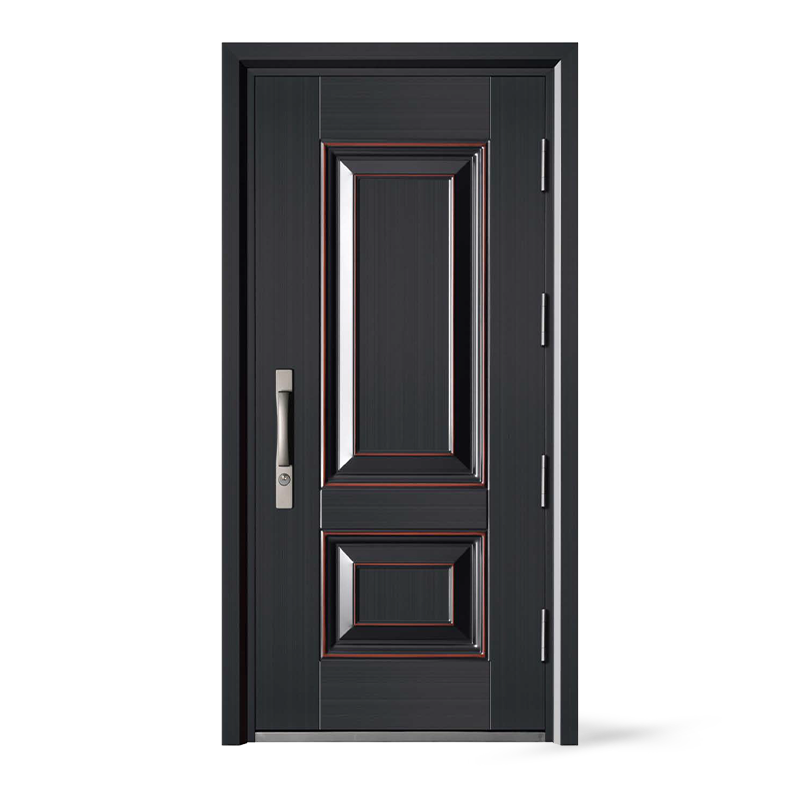
The copper color single opening UV resistant steel front door has a simple and elegant appearance design, a unique copper surface texture, and excellent decorative properties. It adopts advanced steel...
See Details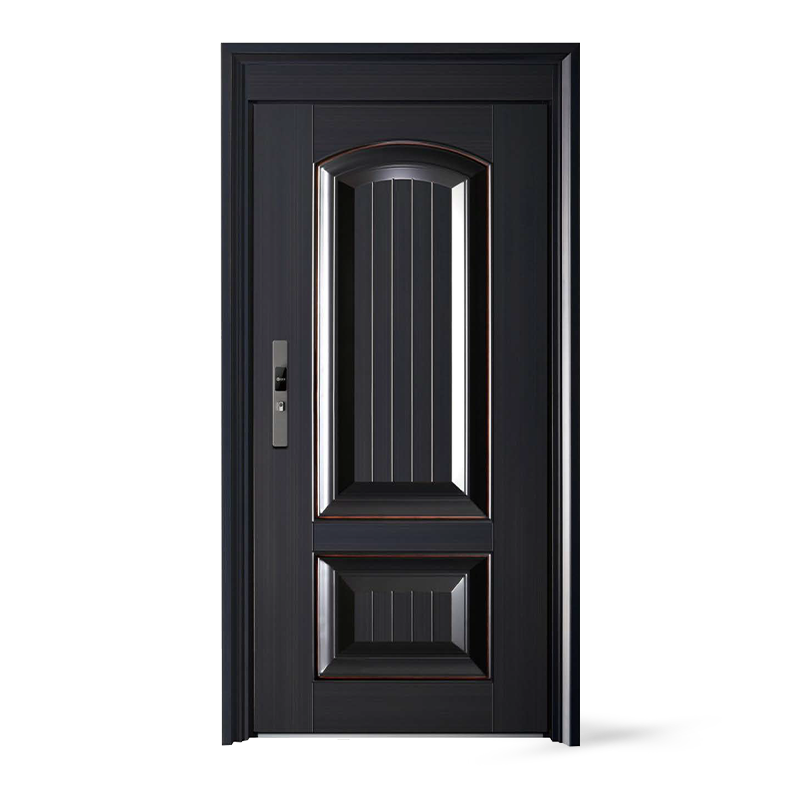
Metal steel single door security home main door is a high-quality door product designed for home security. It is made of high-quality steel, combined with modern technology and innovative design, perf...
See Details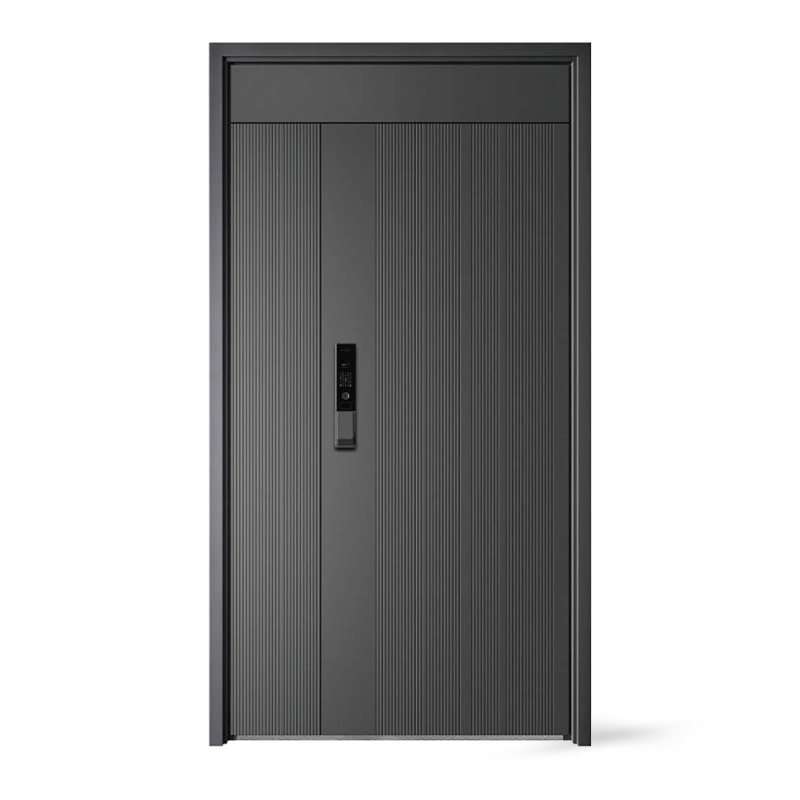
This double-layer steel fireproof and insulated front door is mainly composed of inner and outer double-layer steel plates, fireproof filling core material, inner frame reinforcement layer, heat insul...
See Details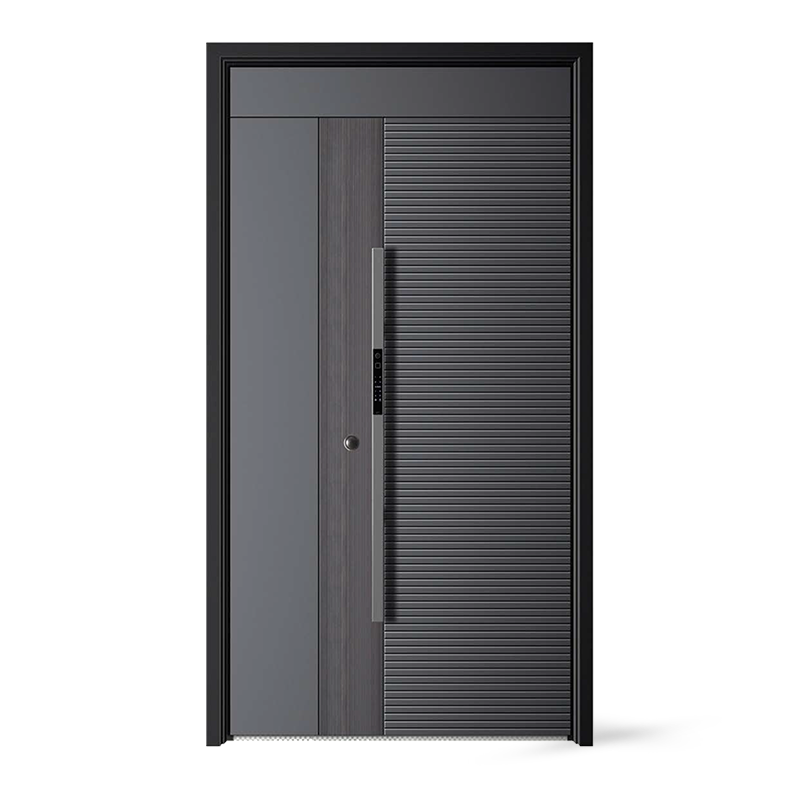
Grey design glass inset metal exterior steel front door is made of high-quality cold-rolled steel, which is precisely processed and treated to have extremely high strength and rigidity, and can effect...
See Details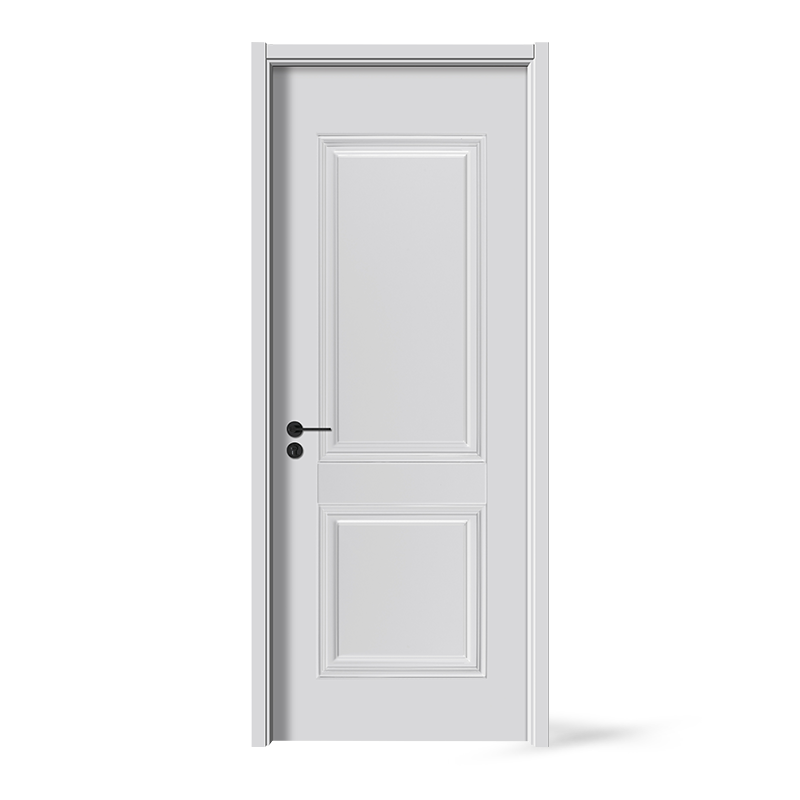
The core structure of PVC white painted teak board solid wood door is natural solid wood door core, and composite solid wood with good structural stability is selected as the basic skeleton. The solid...
See Details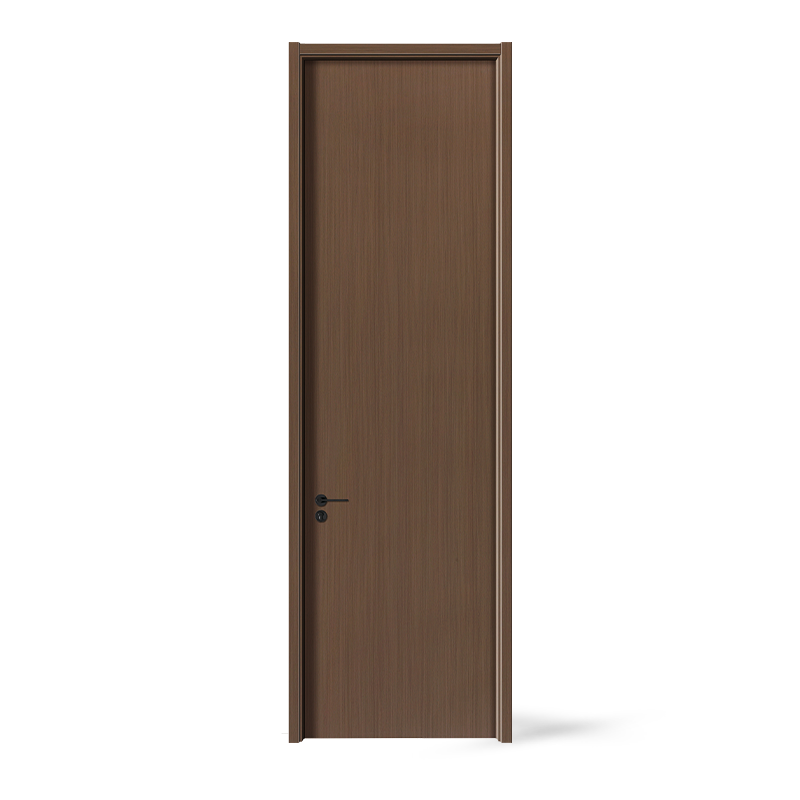
Black walnut veneer PVC interior solid wood door adopts multi-layer composite structure design. The core skeleton is generally composed of high-strength solid wood finger-jointed boards and fir integr...
See Details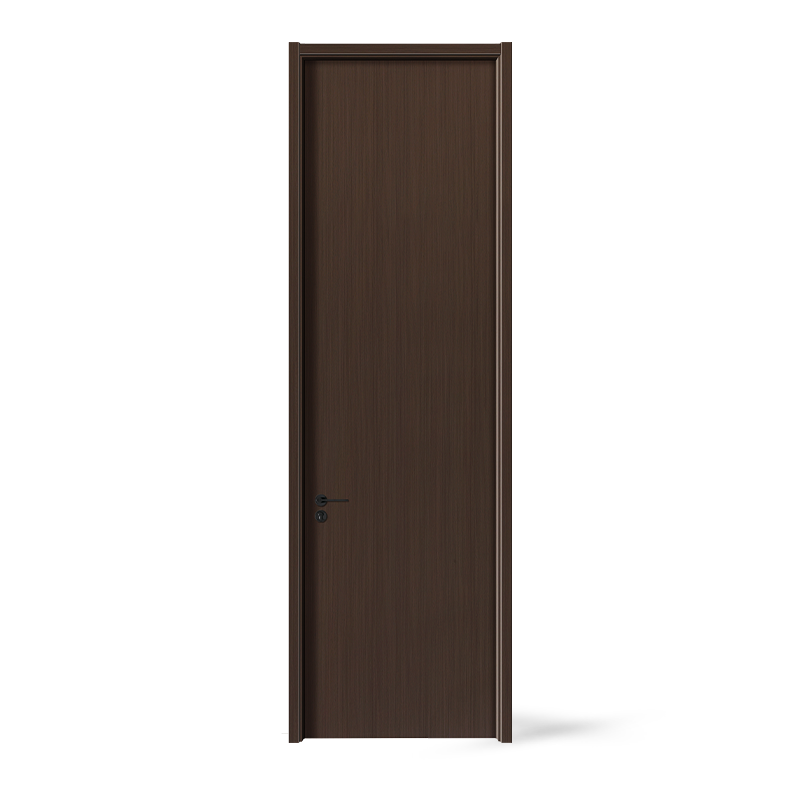
Indoor PVC wooden swing door is a high-quality door product that combines modern home design and practicality. It is widely used in various indoor spaces such as homes and offices. It uses PVC wood gr...
See Details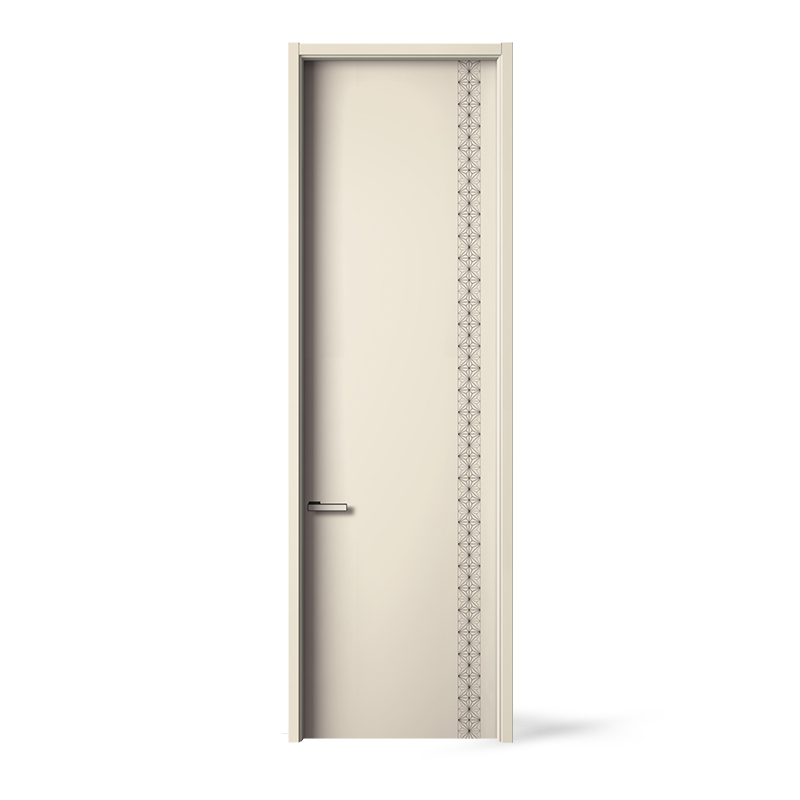
The core material of Xingyue White Waterproof Home Melamine Door uses strictly screened high-strength multi-layer solid wood boards as the base material. These base materials are made of high-quality ...
See Details1. Enhanced Durability and Weather Resistance of PVC Wood Doors PVC Wood Doors exhibit significantly enhanced durability and weather resistance when c...
READ MOREPVC Wood Doors' Innovative Materials: A Combination of Environmental Protection and Durability With the continuous evolution of modern home furnishing...
READ MOREIntroduction to Composite Wood Doors Composite wood doors have become a widely considered choice for homeowners and designers seeking alternatives to ...
READ MOREIn the world of home renovation and construction, the choice of doors is a critical decision that balances aesthetics, durability, and cost. While tra...
READ MORECopyright © Zhejiang Mingxuan Smart Home Co., Ltd. All Rights Reserved.