English
 中文简体
中文简体 Español
 عربى
عربى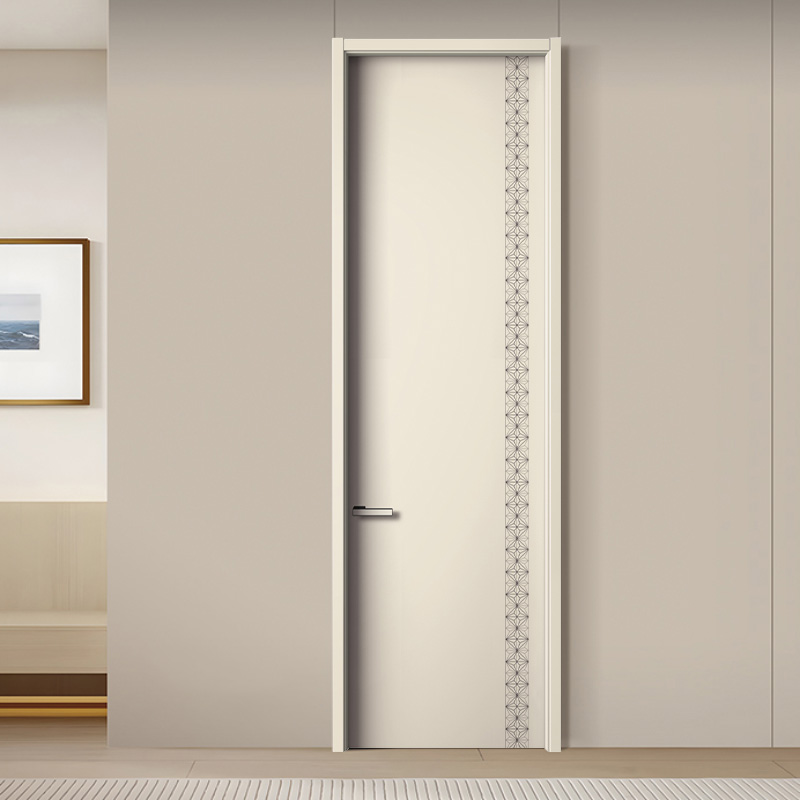
Product Consultation
Your email address will not be published. Required fields are marked *

 EN
EN

Content
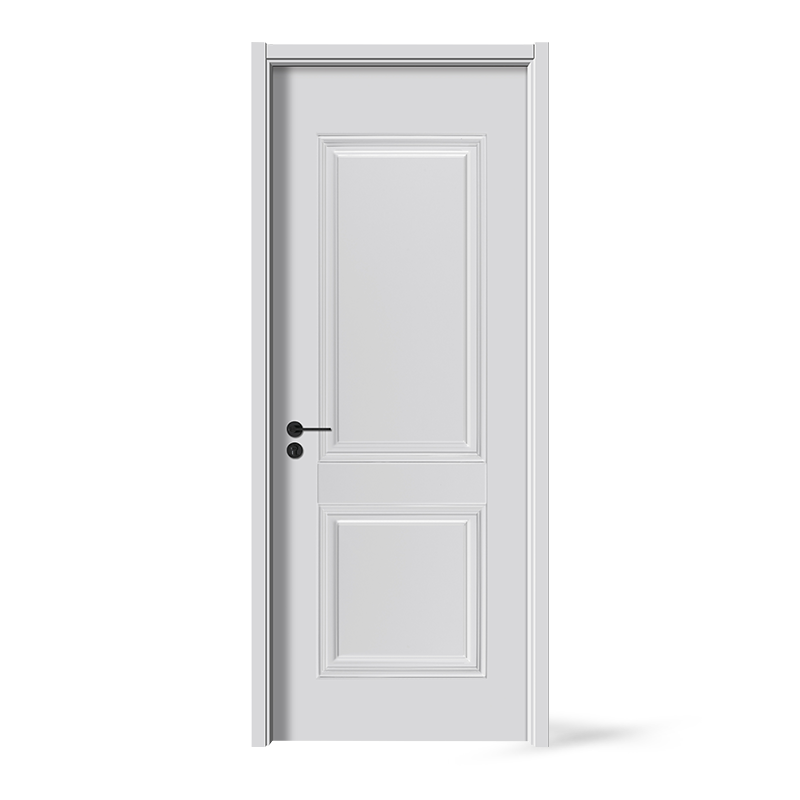
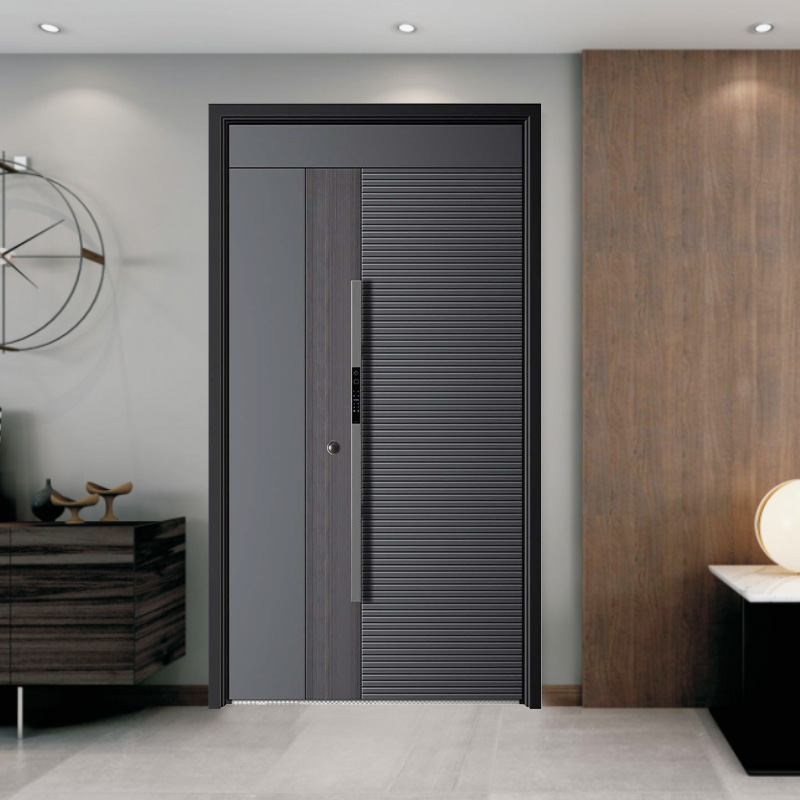
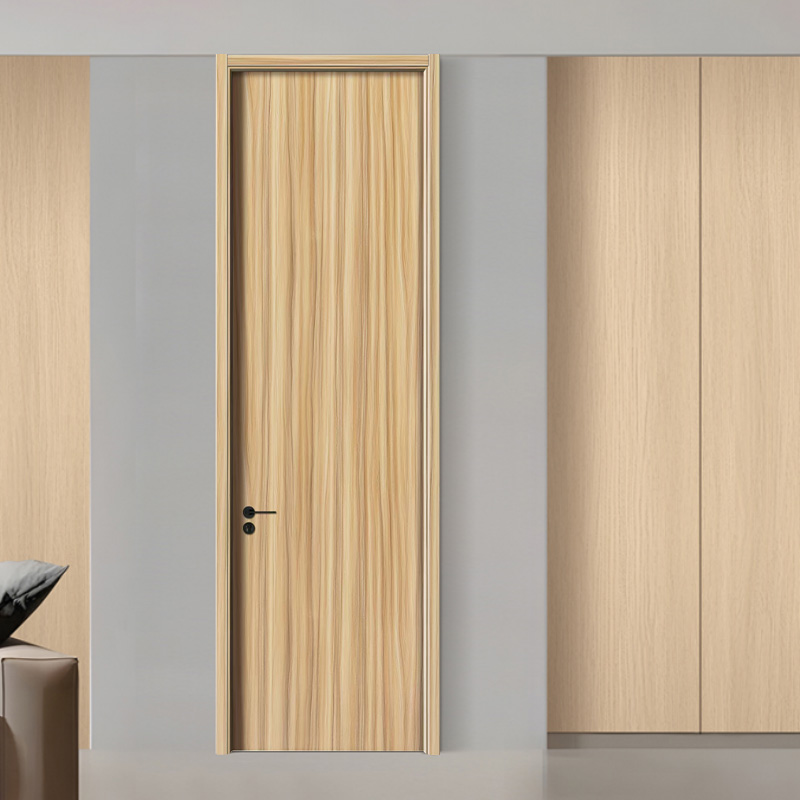
Composite wood doors have become a widely considered choice for homeowners and designers seeking alternatives to traditional solid wood doors. Unlike solid wood doors, which are carved from a single type of timber, composite wood doors are manufactured by combining wood fibers, adhesives, and other materials to create a stable, uniform, and adaptable product. This combination results in doors that offer consistency in structure, greater resistance to common issues such as warping or cracking, and flexibility in design. The growing popularity of composite wood doors is linked not only to their structural characteristics but also to their adaptability in both interior and exterior applications. In modern home construction and renovation projects, composite doors provide a range of options in terms of style, finish, and functional performance, making them a versatile element in architectural design.
This guide aims to provide a thorough overview of composite wood doors, including the materials used in their construction, types available, benefits and drawbacks compared to solid wood doors, installation methods, and maintenance considerations. Additionally, it will explore factors to consider when selecting a door, common issues and troubleshooting, purchasing options, and cost considerations. By understanding the properties and characteristics of composite wood doors, homeowners and designers can make informed decisions that balance functionality, aesthetics, and long-term performance.
Composite wood doors are often appreciated for their ability to simulate the appearance of natural wood while offering enhanced performance characteristics. They can accommodate a variety of finishes and designs, from minimalist flush doors to more decorative stile and rail doors, making them suitable for diverse interior themes and exterior aesthetics. As the construction industry evolves, these doors increasingly meet standards for energy efficiency, environmental responsibility, and durability. Their composition, often including recycled wood materials, aligns with sustainable building practices while maintaining structural integrity.
The following sections will delve deeper into the specific components and types of composite wood doors, examining the materials used, the construction techniques, and the performance characteristics that distinguish them from solid wood alternatives. Each section will provide detailed insights into how composite wood doors are made, the benefits they provide, and the considerations necessary to ensure longevity and proper functionality. With the combination of technical understanding and practical guidance, this article will serve as a comprehensive resource for anyone interested in selecting, installing, and maintaining composite wood doors.
Composite wood doors are constructed from a combination of wood fibers, adhesives, and other materials that work together to form a stable and uniform structure. Unlike solid wood doors, which rely on a single species of timber, composite doors blend multiple elements to improve dimensional stability, reduce susceptibility to warping, and allow for diverse design applications. The core of a composite door typically consists of engineered wood products such as medium-density fiberboard (MDF), particleboard, or other wood composites. These materials are created by breaking down wood fibers and combining them with adhesives under controlled pressure and temperature conditions. This process results in panels that maintain strength and uniformity across large surfaces, making them suitable for both interior and exterior doors.
MDF is a commonly used material in composite wood doors due to its smooth surface, consistent density, and ease of machining. Its uniform structure allows for precise cutting, shaping, and routing, enabling the creation of detailed panel designs and decorative elements. MDF also accepts paints, veneers, and laminates more evenly than solid wood, which can have natural variations in grain and texture. Particleboard, another frequently used composite material, is formed by pressing wood particles with adhesives. It is typically less dense than MDF and is often used in door cores or as substrate layers where structural strength is combined with cost efficiency. Both MDF and particleboard provide a more predictable material behavior compared to solid wood, which can expand, contract, or split under changing humidity and temperature conditions.
In addition to wood fibers, composite wood doors may include synthetic resins and bonding agents that enhance durability and moisture resistance. These resins help to bind the wood components tightly, reduce susceptibility to swelling, and contribute to the overall structural stability of the door. Some composite doors may also incorporate insulating materials or foam cores, particularly in exterior applications where thermal performance and energy efficiency are important considerations. The combination of natural wood elements and engineered adhesives ensures that composite doors can withstand daily use while retaining their shape and surface quality over time.
The exterior and interior finishes of composite wood doors are also a critical part of their composition. Veneers, laminates, paints, and coatings provide the visual appeal of natural wood while protecting the underlying composite core from environmental stressors such as moisture, UV exposure, and minor impacts. These finishes can replicate a wide range of wood species, textures, and colors, allowing homeowners to achieve the desired aesthetic without relying solely on solid timber. Some composite doors may include additional layers or protective films to improve scratch resistance, prevent staining, and maintain a consistent appearance with minimal maintenance.
When comparing composite wood doors to solid wood doors, the differences in material composition are evident. Solid wood relies entirely on the natural grain and structure of the timber, which can lead to variations in density, color, and susceptibility to defects. Composite wood doors, by contrast, offer engineered uniformity, controlled expansion properties, and enhanced versatility in design. These characteristics make composite doors an increasingly popular choice for both new construction and renovation projects, providing a balance between aesthetic flexibility, structural stability, and cost-effectiveness.
The use of composite materials also has implications for environmental considerations. By incorporating recycled wood fibers and reducing reliance on large sections of solid timber, composite doors can contribute to sustainable building practices. Manufacturers often aim to minimize waste during production and utilize adhesives and resins that comply with environmental standards. This approach not only preserves natural forests but also reduces the carbon footprint associated with door manufacturing.
The following section will explore the types of composite wood doors, detailing variations in construction and use to provide a clearer understanding of how different composite designs address specific functional and aesthetic needs. This examination will include flush doors, stile and rail doors, interior doors, and exterior doors, highlighting their unique properties, applications, and considerations for selection.
Composite wood doors are designed using a variety of materials and construction techniques to offer versatility in both functionality and aesthetics. Unlike solid wood doors, which rely solely on natural timber, composite wood doors combine wood fibers, resins, and other components to create a stable and adaptable door option. Understanding the types of composite wood doors involves examining both their construction and intended use, which directly influences their performance, appearance, and suitability for different areas of a home or commercial space.
The construction method of a composite wood door plays a critical role in determining its durability, strength, and visual appeal. Composite doors are generally divided into two major construction types: flush doors and stile and rail doors. Each type has its own unique properties and common applications, and exploring these in detail helps homeowners and builders make informed decisions.
Flush Composite Doors
Flush composite doors feature a smooth, flat surface with minimal visible detailing. These doors are often made using a core material, such as MDF (medium-density fiberboard), particleboard, or HDF (high-density fiberboard), sandwiched between thin veneers or laminate sheets. The core can be solid or hollow, with solid cores providing better sound insulation and security, while hollow cores reduce weight and cost.
The surface of flush composite doors can be finished with paint, wood veneer, or laminate, offering a clean and uniform look that works well in modern and minimalist interiors. These doors are frequently used for interior rooms, closets, and offices due to their simplicity and ease of maintenance. One of the benefits of flush doors is their resistance to warping compared to solid wood, particularly in environments with variable humidity and temperature.
In terms of performance, flush composite doors can be manufactured with additional reinforcements to improve fire resistance, moisture resistance, and acoustic properties. Modern production techniques often involve pressing and bonding the door layers under high pressure, ensuring a stable core that reduces the likelihood of splitting or cracking over time.
Stile and Rail Composite Doors
Stile and rail composite doors, also known as frame-and-panel doors, incorporate a more traditional design with visible stiles (vertical sections) and rails (horizontal sections) forming a frame around inset panels. The panels themselves are made from composite materials, which can include MDF, HDF, or engineered wood, offering stability and resistance to warping that solid wood panels might not provide.
This construction allows for a variety of design options. Panels can be raised, recessed, or glazed with glass inserts, making stile and rail composite doors highly versatile in terms of aesthetic appeal. These doors are often chosen for main entrances or interior areas where visual prominence is desired. The frame-and-panel design provides structural rigidity, and the composite panels can be engineered to resist moisture, insects, and environmental stress, making them suitable for exterior use in moderate climates.
The production of stile and rail composite doors involves precise cutting and joining of the stiles and rails, often reinforced with dowels, glue, or metal fasteners. Finishes can vary from paint to stain, or even decorative laminates that mimic natural wood grain. Due to their layered construction, stile and rail doors offer better dimensional stability than many traditional solid wood doors, particularly when exposed to changes in humidity.
Composite wood doors are also categorized based on their intended use, which affects their design, materials, and performance characteristics. Interior doors focus on aesthetic appeal, noise reduction, and ease of installation, while exterior doors prioritize weather resistance, security, and insulation. Understanding these distinctions can guide homeowners in choosing the right door for each application.
Interior Composite Doors
Interior composite doors are primarily used within the home or office and are designed to complement the interior décor while providing practical benefits such as privacy and sound insulation. They can include flush designs, stile and rail styles, and occasionally more elaborate patterns with glass panels or decorative elements.
The core material of interior composite doors is usually MDF or particleboard, which offers a smooth surface for painting or veneering. These doors are lighter than solid wood doors, making them easier to install and operate, particularly in spaces where frequent opening and closing occur. Interior composite doors may also feature hollow-core construction to further reduce weight, though solid-core options exist for improved acoustic performance.
Design options for interior composite doors are extensive. For example, modern interiors often favor flush doors with minimal detailing, while traditional settings may prefer stile and rail doors with paneled designs. Finishes can include painted surfaces in various colors, wood-effect laminates, or veneer finishes that replicate oak, maple, or walnut. These finishes not only enhance appearance but also provide a protective layer that resists scratches, dents, and general wear.
Exterior Composite Doors
Exterior composite doors are specifically designed to withstand environmental factors, such as rain, humidity, temperature fluctuations, and UV exposure. They incorporate composite cores with enhanced moisture resistance, often combined with weatherproof surface finishes. Materials like MDF and HDF may be treated or bonded with synthetic resins to increase resistance to swelling, cracking, or rotting.
Security is another major consideration for exterior composite doors. Many doors feature reinforced cores, multi-point locking systems, and sturdy frames to prevent forced entry. Glass panels, if included, are usually double or triple-glazed for insulation and safety. Exterior composite doors also offer better energy efficiency compared to traditional solid wood doors, as the composite core can be engineered with insulating layers that reduce heat transfer and improve thermal performance.
Exterior doors are available in various styles, including traditional paneled designs, modern flush options, and custom shapes to fit specific architectural requirements. Finishes for exterior doors are typically UV-resistant paints or laminates that maintain color and texture over time, reducing maintenance frequency.
While construction and use are the primary factors in categorizing composite wood doors, other considerations influence the selection process. These include the door’s core density, edge treatment, sound insulation, fire resistance, and compatibility with hardware. Composite cores can vary from lightweight to high-density, each providing different levels of stability and resistance. Edges may be beveled, square, or rounded, affecting both aesthetics and ease of installation.
Sound insulation is particularly relevant for interior doors in multi-family buildings or home offices, where hollow-core doors may be less effective than solid-core or high-density composite doors. Fire-resistant composite doors incorporate materials and bonding agents that slow flame spread, providing additional safety for both interior and exterior applications.
Hardware compatibility is another practical consideration. Composite doors can accommodate standard hinges, locks, and handles, but some high-density cores may require specialized screws or fasteners to ensure proper attachment and durability.
|
Door Type |
Core Material |
Common Use |
Key Advantages |
Limitations |
Typical Finish Options |
|
Flush Composite Door |
MDF, Particleboard, HDF |
Interior, Offices |
Smooth surface, easy to paint, minimal detailing |
May require reinforcement for exterior use |
Painted, veneer, laminate |
|
Stile and Rail Composite Door |
MDF, HDF, Engineered Wood |
Interior, Exterior |
Traditional design, panel flexibility, stable |
Heavier than flush doors, higher cost |
Painted, veneer, laminate, glazed |
|
Interior Hollow-Core Door |
MDF, Particleboard |
Interior |
Lightweight, easy to install, cost-effective |
Lower acoustic insulation |
Painted, veneer, laminate |
|
Exterior Solid-Core Composite Door |
MDF, HDF, Reinforced composites |
Exterior |
Weather-resistant, secure, energy-efficient |
Higher weight, requires proper frame |
Painted, laminate, stain |
Composite wood doors have gained widespread popularity due to their unique combination of durability, aesthetic flexibility, and functional performance. By integrating engineered wood products with resins, laminates, and other materials, these doors provide advantages that address many limitations of traditional solid wood doors. Understanding the benefits of composite wood doors requires a careful examination of their mechanical properties, environmental resilience, design versatility, and long-term maintenance characteristics.
One of the most significant benefits of composite wood doors is their enhanced durability and stability compared to traditional solid wood doors. The combination of wood fibers, resins, and high-pressure bonding processes results in a door that is less prone to warping, splitting, or cracking over time. This is particularly important in areas with fluctuating humidity, temperature changes, or exposure to moisture.
Composite doors utilize cores such as MDF, HDF, or engineered particleboard, often bonded with high-strength adhesives. These cores create a stable structure that distributes stress evenly, preventing localized weaknesses that can occur in solid wood doors. Additionally, exterior composite doors often incorporate water-resistant cores and surface laminates, enhancing longevity in outdoor conditions. Unlike solid wood doors, which may expand or contract with changes in moisture content, composite doors maintain consistent dimensions and structural integrity, reducing the need for adjustments or replacements.
In addition to moisture resistance, composite wood doors are often designed with reinforced edges and panels. Reinforcements such as metal inserts or denser core layers increase resistance to physical impact, providing additional security and reducing the likelihood of dents or breakage. This combination of core stability and surface durability ensures that composite wood doors remain functional and aesthetically pleasing for many years.
Composite wood doors are engineered to withstand a variety of environmental factors that can compromise the performance of traditional doors. These factors include humidity, UV exposure, temperature fluctuations, and general weathering.
Moisture Resistance
Moisture can cause significant problems for solid wood doors, including warping, swelling, or fungal growth. Composite doors, however, often feature cores treated with water-resistant resins and protective laminates. These treatments limit water absorption and prevent the structural damage commonly associated with humidity. For interior applications, moisture-resistant composite doors are particularly useful in areas such as kitchens, bathrooms, and laundry rooms, where exposure to water or steam is more frequent.
UV and Sunlight Resistance
Exterior composite wood doors are frequently exposed to direct sunlight, which can fade finishes and degrade natural wood over time. Manufacturers address this issue by applying UV-resistant coatings or laminates that preserve the color and surface integrity. These treatments reduce maintenance requirements and maintain aesthetic appeal without the need for frequent refinishing.
Temperature and Seasonal Stability
Composite doors offer greater stability under temperature changes compared to solid wood. The engineered core materials, combined with adhesives and laminates, reduce expansion and contraction, preventing warping or cracking during seasonal transitions. This property is especially valuable for exterior doors in regions with wide temperature fluctuations, as it ensures proper door alignment and consistent operation year-round.
Energy efficiency is another significant benefit of composite wood doors. The engineered cores can incorporate insulating layers that reduce heat transfer between indoor and outdoor environments. This property contributes to lower energy consumption for heating or cooling, creating a more comfortable indoor climate while reducing utility costs.
Composite doors can be designed with additional insulation materials, such as foam cores or multi-layer panels, to further enhance thermal performance. When combined with airtight sealing around the frame, these doors minimize drafts, prevent heat loss, and maintain consistent indoor temperatures. For homeowners seeking sustainable solutions, energy-efficient composite doors represent a practical and effective option.
Security is a crucial consideration for both residential and commercial doors. Composite wood doors offer several advantages over traditional doors in terms of strength and resistance to forced entry.
The engineered cores of composite doors can be reinforced with denser wood fibers, metal inserts, or composite laminates, creating a robust structure that resists impact and tampering. Additionally, the consistent core density allows for secure installation of locks, handles, and hinges, ensuring that hardware functions effectively without compromising structural integrity.
Exterior composite doors often feature multi-point locking systems, which distribute locking force across the door, making it more difficult for intruders to gain access. Some designs incorporate reinforced frames or concealed steel plates to further enhance security. By combining structural strength with advanced locking mechanisms, composite wood doors provide a practical level of protection suitable for various applications.
Composite wood doors provide exceptional design flexibility, making them suitable for a wide range of interior and exterior applications. Unlike solid wood doors, which are limited by the natural characteristics of timber, composite doors can be manufactured in various styles, textures, and finishes.
Surface Finishes and Textures
Composite doors can be finished with paint, laminates, or wood veneers that mimic the appearance of oak, maple, walnut, or other timber species. These finishes allow homeowners to achieve the desired aesthetic without the limitations of natural wood availability or color variation. Laminates can replicate intricate wood grains, patterns, or even modern geometric designs, enabling designers to match door aesthetics to the overall interior or exterior theme.
Customization Options
Composite wood doors offer the possibility of incorporating decorative panels, glass inserts, raised or recessed designs, and other embellishments. Stile and rail composite doors, in particular, can feature multiple panel configurations, allowing for creative and tailored designs. This versatility makes composite doors suitable for traditional, modern, minimalist, or luxury architectural styles.
Size and Shape Flexibility
Unlike solid wood, which may have size limitations due to natural timber dimensions, composite wood doors can be manufactured in custom sizes and shapes. This capability ensures that doors can be tailored to fit unique architectural openings, including arched, curved, or oversized entrances.
Maintenance is a practical consideration for homeowners and building managers. Composite wood doors generally require less upkeep than solid wood doors. Their engineered cores and protective surface finishes reduce susceptibility to cracking, splitting, or warping, minimizing the need for periodic adjustments or refinishing.
Exterior composite doors, in particular, benefit from UV-resistant coatings and weatherproof laminates, which reduce the frequency of painting or sealing. Interior doors, finished with durable paints or laminates, can be cleaned with standard household cleaners without the risk of damaging the surface. Overall, the low maintenance nature of composite wood doors translates into long-term cost savings and convenience for building occupants.
Composite wood doors offer superior sound insulation compared to hollow-core or lightweight solid wood doors. The dense, engineered cores effectively dampen noise, making composite doors ideal for bedrooms, offices, and multi-family buildings. The degree of sound insulation can be adjusted by selecting higher-density cores, solid-core constructions, or acoustic-enhancing panels.
In commercial settings, composite doors are particularly valuable for conference rooms, classrooms, or areas requiring confidentiality, as they minimize sound transmission while maintaining structural integrity.
Many composite wood doors are engineered to provide a level of fire resistance. Fire-rated composite doors incorporate special resins, treated cores, or multi-layer constructions that slow flame propagation and reduce smoke emission. These doors are tested to meet fire safety standards and can be used in both residential and commercial buildings to enhance occupant safety.
Fire-resistant composite doors are often paired with suitable frames, seals, and hardware to ensure that the entire assembly performs effectively under fire conditions. This feature provides peace of mind without compromising aesthetic or functional qualities.
|
Benefit |
Description |
Application Example |
Comparative Advantage over Solid Wood |
|
Durability and Stability |
Resistant to warping, splitting, or cracking |
Interior and exterior doors |
Maintains consistent dimensions over time |
|
Moisture Resistance |
Treated cores and laminates prevent water damage |
Kitchens, bathrooms, and exterior doors |
Less prone to swelling or fungal growth |
|
UV and Sunlight Resistance |
Surface finishes protect against fading and deterioration |
Exterior doors exposed to sunlight |
Maintains color and texture longer |
|
Energy Efficiency |
Insulating cores reduce heat transfer |
Residential and commercial buildings |
Improves thermal performance and reduces energy costs |
|
Security |
Reinforced cores and multi-point locks enhance safety |
Main entrances, offices |
Stronger and more secure than many solid wood doors |
|
Design Versatility |
Various finishes, panels, and custom shapes available |
Traditional, modern, or minimalist interiors |
Flexibility in style and architectural adaptation |
|
Low Maintenance |
Easy to clean, minimal refinishing required |
Interior and exterior doors |
Reduces long-term upkeep efforts |
|
Sound Insulation |
Dense cores dampen noise |
Bedrooms, offices, classrooms |
Better noise reduction than hollow doors |
|
Fire Resistance |
Treated cores and layers resist flames and smoke |
Residential and commercial fire-rated doors |
Enhances safety compared to standard wood doors |
Advances in materials science and manufacturing techniques continue to enhance the benefits of composite wood doors. New resin formulations improve moisture and fire resistance, while advanced laminates replicate natural wood textures more convincingly. Sustainability is also a growing consideration, with manufacturers increasingly using recycled wood fibers and eco-friendly adhesives.
Energy efficiency and acoustic performance remain priorities, with research into composite cores that incorporate foam layers, honeycomb structures, or other innovative materials to improve thermal and sound insulation. These trends suggest that future composite wood doors will provide even higher performance, with minimal maintenance and enhanced customization options, catering to evolving architectural and environmental needs.
When evaluating composite wood doors against solid wood doors, several key factors—cost, durability, appearance, and environmental impact—offer a framework to assess which option aligns with specific needs. Each factor reveals strengths and limitations, allowing for a balanced comparison rather than a simplistic preference.
Solid wood doors tend to carry higher upfront costs due to the expense of raw timber, machining, and finishing. High-quality hardwoods such as oak or mahogany require precise cutting, drying, and treatment, which increases labor costs. Customization, decorative panels, and intricate carvings further elevate prices. Over the lifetime of the door, additional expenses for refinishing, weatherproofing, or repairing minor damages like scratches or warping should also be considered.
Composite wood doors, made from engineered materials such as MDF or particleboard with resin binding, generally offer a more predictable price point. While premium composite doors with advanced finishes or reinforced cores may approach the cost of mid-range solid wood doors, their long-term maintenance costs are typically lower. The manufacturing process allows for uniformity, reducing the
Durability is a key consideration for both interior and exterior doors. Solid wood doors, while strong, are prone to environmental stressors such as moisture, temperature fluctuations, and insect damage. Warping, cracking, or swelling can occur if the wood is exposed to extreme conditions or insufficiently maintained. Hardwoods typically resist these issues better than softwoods, but no solid wood door is entirely immune without proper sealing and finishing.
Composite wood doors are engineered to address many of these durability concerns. Materials like MDF, high-density fiberboard, or particleboard are bonded with resins that enhance structural integrity and resistance to warping or cracking. Some composite doors also include reinforced cores or laminated surfaces that improve strength and weather resistance. This makes them suitable for climates with high humidity, frequent temperature changes, or direct sunlight exposure.
Solid wood doors are valued for their natural grain, texture, and ability to be crafted into intricate designs. Each door has a unique appearance that cannot be entirely replicated, offering an aesthetic depth often associated with traditional or luxury homes. Staining, painting, and finishing techniques allow for diverse visual customization, though the natural grain often dictates the final look.
Composite wood doors offer versatility through engineered surfaces, veneers, and paints that mimic the look of natural wood. Flush composite doors provide smooth, modern aesthetics, while stile and rail composite doors replicate traditional paneled designs. Manufacturers can produce a wide range of finishes, textures, and colors, often with enhanced durability that maintains appearance longer than untreated wood. For homeowners seeking consistent design or specific textures, composite doors can be a practical alternative.
Environmental considerations are increasingly important in construction and home design. Solid wood doors, especially those made from old-growth timber, contribute to deforestation if not sourced from certified sustainable forests. Transporting and processing large timber pieces also adds to the carbon footprint. Properly maintained solid wood doors, however, can last decades, offsetting some environmental impact through long-term use.
Composite wood doors often incorporate recycled wood fibers, sawdust, or low-grade timber that would otherwise be wasted. The engineered manufacturing process maximizes material efficiency and reduces reliance on old-growth trees. Additionally, some composite doors use eco-friendly resins and finishes with lower volatile organic compounds (VOCs), making them more suitable for indoor air quality.
|
Factor |
Composite Wood Doors |
Solid Wood Doors |
|
Cost |
Lower long-term maintenance costs; consistent pricing |
Higher upfront cost; ongoing refinishing costs |
|
Durability |
Resistant to warping, cracking, and moisture; reinforced cores |
Naturally strong; susceptible to environmental damage |
|
Appearance |
Wide variety of styles and finishes; mimics wood |
Unique natural grain; high perceived value |
|
Environmental Impact |
Uses recycled materials; efficient production |
Renewable if sustainably sourced; long-lasting |
Installing a composite wood door requires careful planning and precise execution to ensure proper fit, security, and longevity. While composite doors are engineered for durability and stability, incorrect installation can compromise their performance, cause misalignment, or lead to issues such as air leaks, water infiltration, or difficulty in opening and closing. The installation process involves several stages, including measurement, preparation, handling, fitting, and finishing, each of which demands attention to detail.
Accurate measurements are the foundation of a successful installation. Before removing the existing door, it is essential to measure the height, width, and depth of the door frame. Composite wood doors often require specific tolerances to accommodate expansion and contraction, so precise measurements reduce the likelihood of gaps or misalignment. Measuring both the top, middle, and bottom sections of the frame ensures that the frame is square and level. Any irregularities should be noted and corrected prior to installation.
Preparation also includes inspecting the frame for damage, rot, or moisture issues. Uneven surfaces, deteriorating wood, or loose fasteners in the frame can interfere with door alignment and long-term performance. Repairing these issues in advance improves stability and extends the life of the new door. Additionally, it is important to have the necessary tools and materials on hand, such as screws, shims, a level, a drill, hinges, and weatherstripping, to ensure a smooth installation process.
Composite wood doors, while generally lighter than solid wood doors of equivalent size, can still be heavy and cumbersome. Proper handling reduces the risk of damage or injury. It is advisable to have two or more people assist with lifting and positioning the door, particularly for larger or exterior doors. During handling, care should be taken to avoid striking edges or surfaces, as scratches or dents can affect both aesthetics and weather resistance. Protective padding or blankets can be used during transportation from delivery to the installation site.
Safety precautions should also be observed. Wear gloves to avoid splinters or abrasions and safety glasses when using power tools. Ensuring a clean, clear workspace reduces the risk of tripping or dropping the door during installation.
Once the door is prepared for installation, the next step is fitting it into the frame. Composite doors typically come pre-hung, meaning the door is already mounted within a frame, or as a slab, which requires separate hanging. Pre-hung doors simplify installation and reduce the risk of misalignment, while slab doors offer more flexibility for customizing hinges and frame compatibility.
Shims are used to ensure that the door is level, plumb, and square within the frame. Placement of shims at hinge locations and the latch side helps maintain alignment while allowing slight adjustments. Accurate leveling ensures smooth operation and prevents binding or uneven gaps, which could affect both security and insulation. The spacing between the door and frame, known as the reveal, should be consistent on all sides to provide uniform clearance and accommodate weatherstripping.
Hinge installation is critical for door stability. Composite doors may require specific hinges designed to handle the weight and structural composition of the material. Hinges should be secured firmly into the frame, and screws must be fully seated without overtightening, which could distort the door or compromise the composite material.
After proper alignment, the door is secured into the frame using screws or other fasteners recommended by the manufacturer. Exterior composite doors also require attention to weatherproofing. Weatherstripping, door sweeps, and seals around the frame help prevent drafts, moisture ingress, and heat loss. Correct installation of these elements enhances energy efficiency and protects the door from environmental damage.
Thresholds and sills should be checked to ensure that the door closes flush and forms a tight seal. Some composite doors include thermal breaks or insulating cores that improve energy efficiency, making proper sealing particularly important. Any gaps or misalignments can reduce insulation performance and compromise the door’s durability.
Proper installation contributes to long-term performance, but routine maintenance is still important. Composite doors generally require minimal upkeep, but checking hinges, seals, and finishes periodically ensures continued smooth operation. Cleaning with mild detergent and avoiding abrasive tools helps maintain surface integrity. Lubricating locks, hinges, and handles periodically also prolongs the functionality of hardware components.
When selecting a composite wood door, several factors should be carefully considered to ensure the door meets your functional, aesthetic, and budgetary needs. One of the first considerations is the budget. Composite wood doors come in a range of prices depending on the materials, design, and manufacturer. It is important to balance cost with the quality and features you require, such as insulation, security, and durability. Setting a realistic budget helps narrow down options without compromising essential aspects.
Another key factor is style and design. Composite wood doors are available in various styles, including flush, stile and rail, and panel designs. Choose a style that complements your home's architecture and interior décor. Consider the door's color, finish, and surface texture. Some composite doors can mimic natural wood grains, providing the appearance of solid wood while requiring less maintenance. Hardware choices, including handles, locks, and hinges, also influence the door’s overall look and usability.
Durability and security are important elements when choosing a door. Composite wood doors are designed to resist warping, cracking, and moisture damage. Check the door’s core construction, as solid cores often provide more strength and noise reduction. Security features such as reinforced frames, multi-point locking systems, and robust hinges improve the safety of your home. Understanding the level of protection offered by the door will help you make an informed choice.
Energy efficiency is another consideration. Composite doors often include insulation within the door core, reducing heat loss and helping maintain indoor temperatures. Evaluate the door’s energy rating or insulation properties, especially for exterior doors exposed to varying weather conditions. Energy-efficient doors can contribute to lower energy bills and a more comfortable living environment.
Other factors may include manufacturer reputation and warranty coverage. Selecting a door from a trusted manufacturer ensures quality materials and reliable construction. Warranty terms provide additional security, covering defects or damage for a specified period.
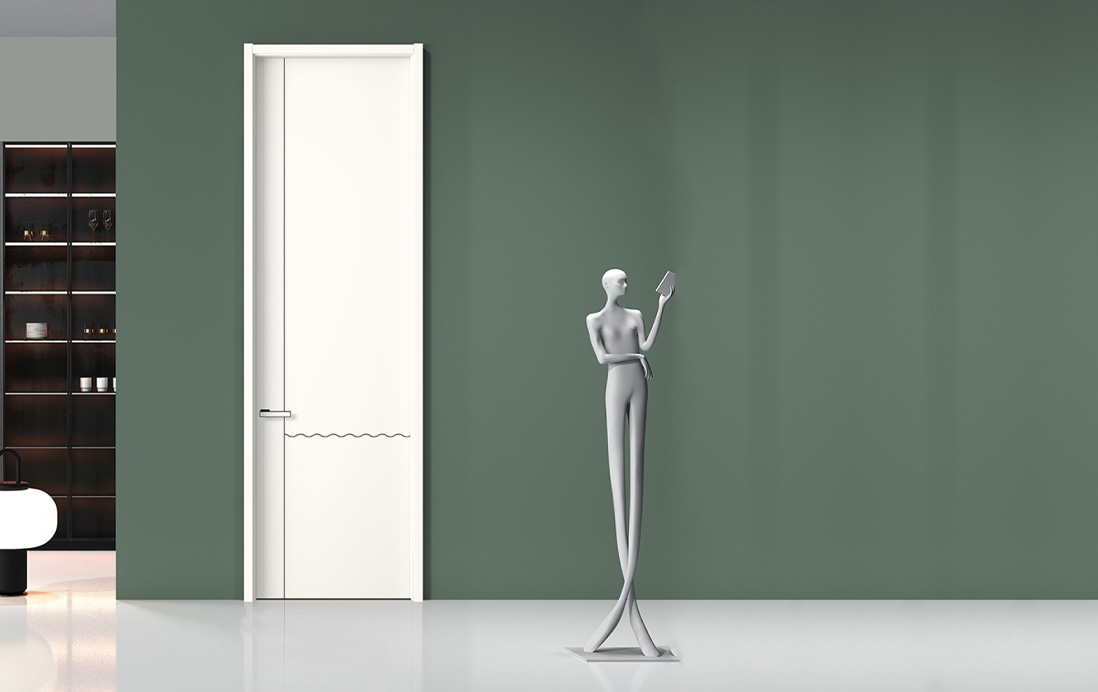
Why are PVC wood doors the first choice for modern homes?
PVC Wood Doors: A Comprehensive Guide to Styles, Benefits, and Installation
Your email address will not be published. Required fields are marked *
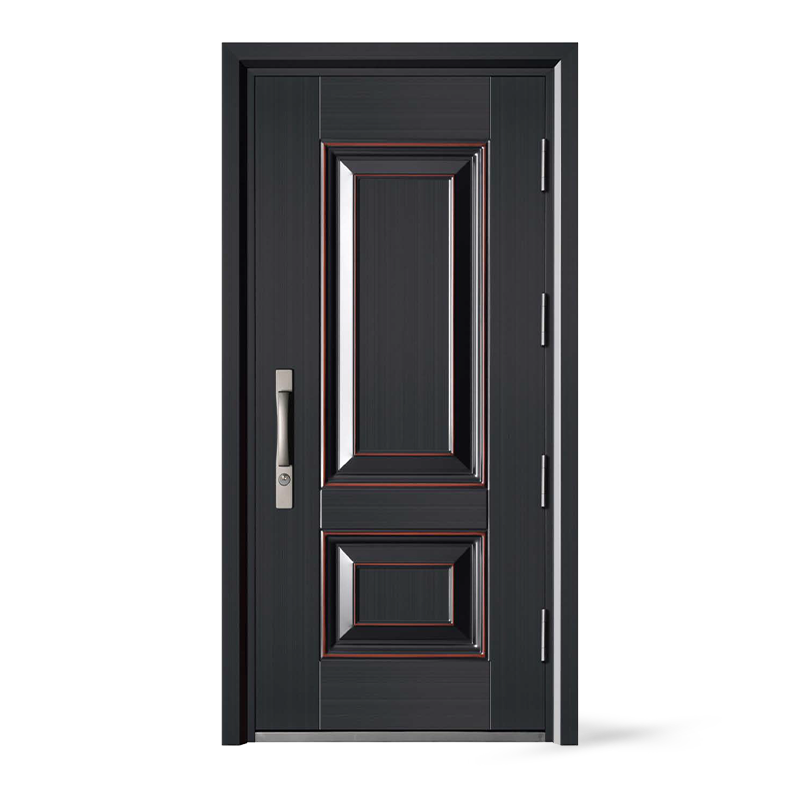
The copper color single opening UV resistant steel front door has a simple and elegant appearance design, a unique copper surface texture, and excellent decorative properties. It adopts advanced steel...
See Details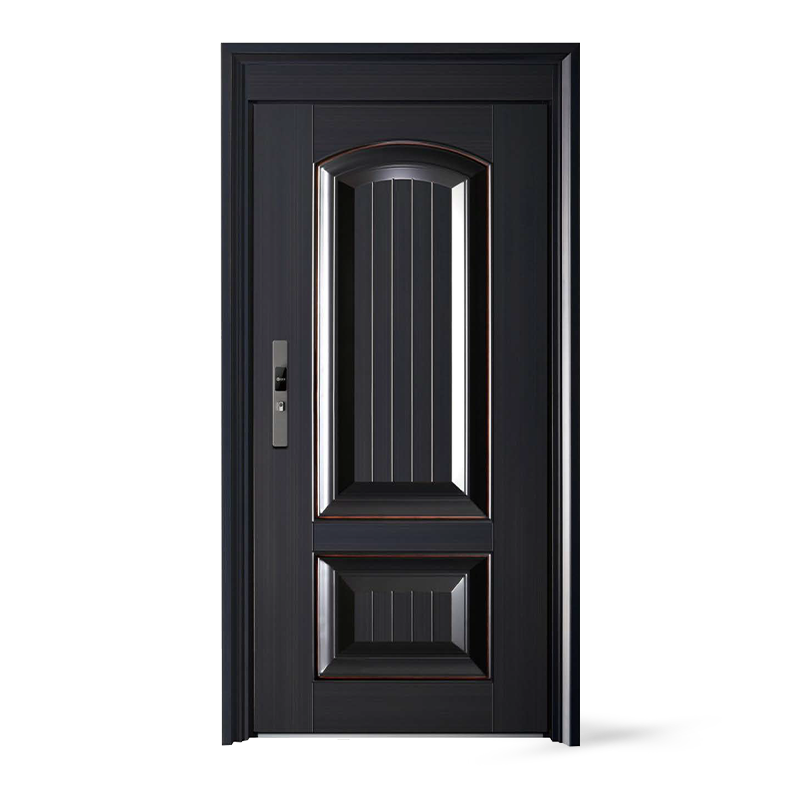
Metal steel single door security home main door is a high-quality door product designed for home security. It is made of high-quality steel, combined with modern technology and innovative design, perf...
See Details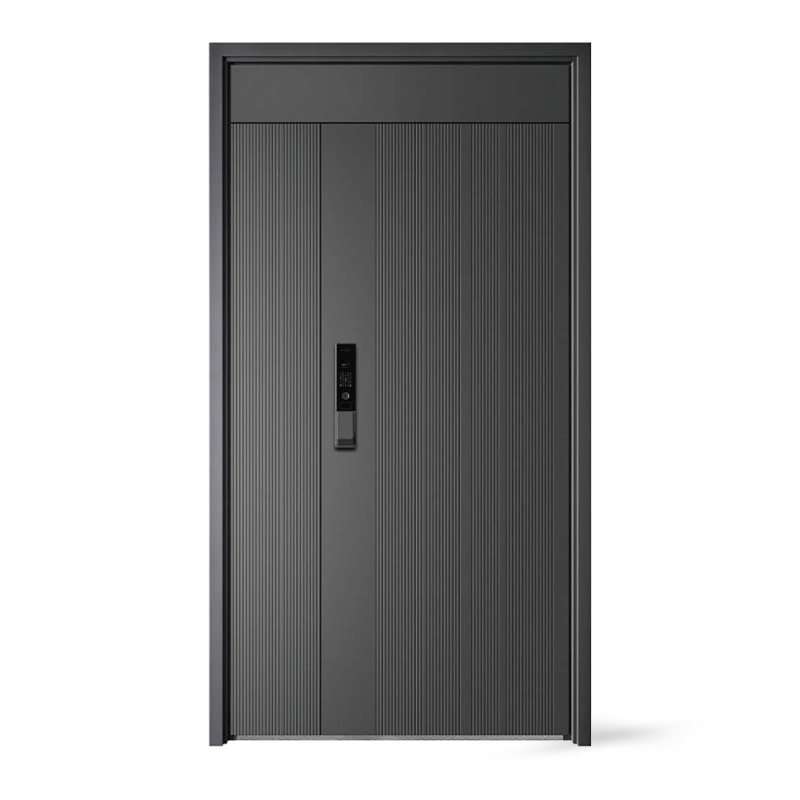
This double-layer steel fireproof and insulated front door is mainly composed of inner and outer double-layer steel plates, fireproof filling core material, inner frame reinforcement layer, heat insul...
See Details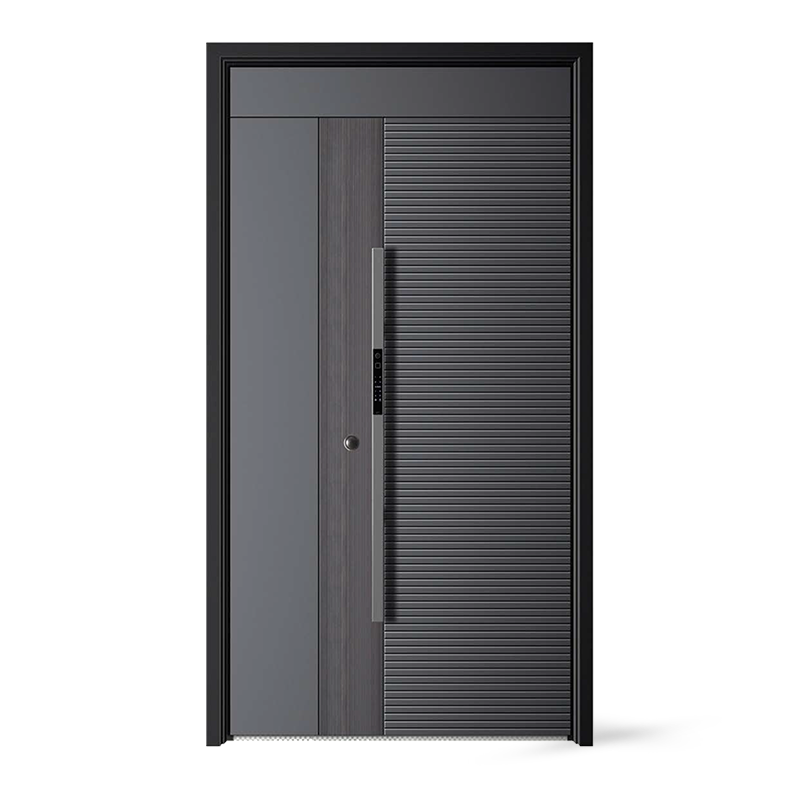
Grey design glass inset metal exterior steel front door is made of high-quality cold-rolled steel, which is precisely processed and treated to have extremely high strength and rigidity, and can effect...
See Details
The core structure of PVC white painted teak board solid wood door is natural solid wood door core, and composite solid wood with good structural stability is selected as the basic skeleton. The solid...
See Details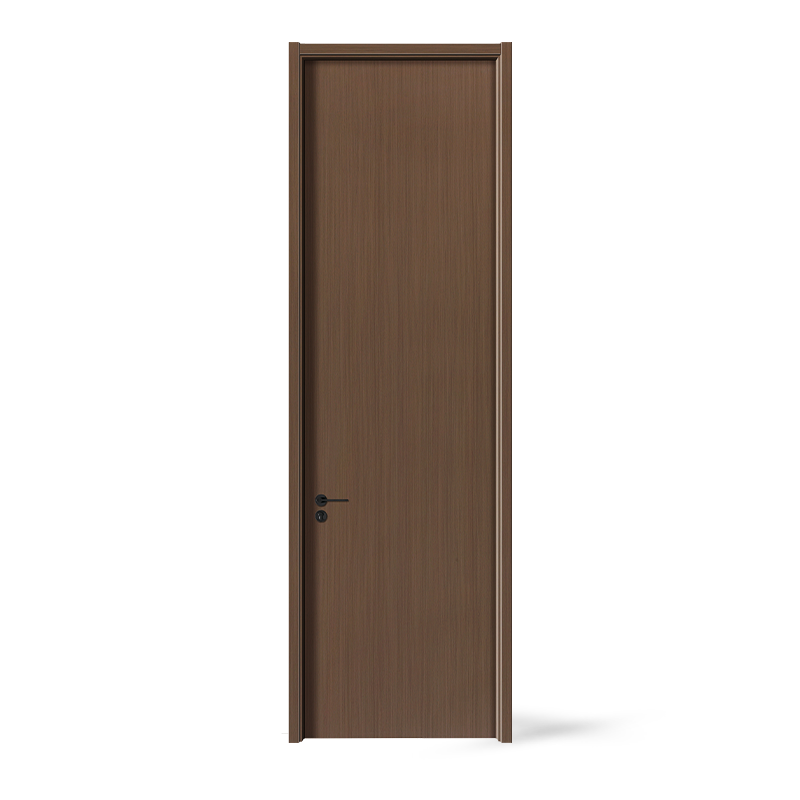
Black walnut veneer PVC interior solid wood door adopts multi-layer composite structure design. The core skeleton is generally composed of high-strength solid wood finger-jointed boards and fir integr...
See Details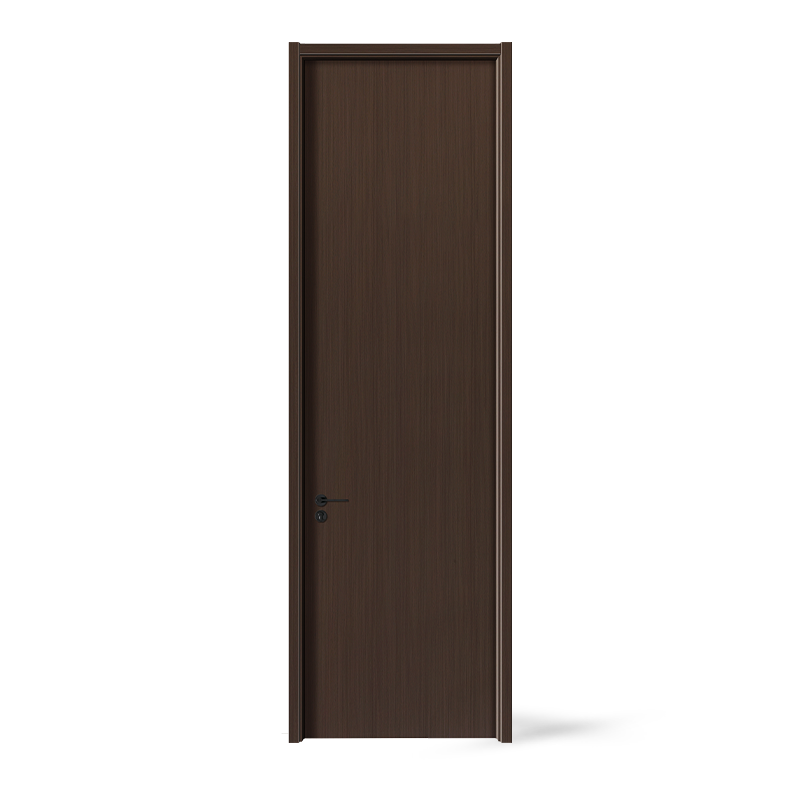
Indoor PVC wooden swing door is a high-quality door product that combines modern home design and practicality. It is widely used in various indoor spaces such as homes and offices. It uses PVC wood gr...
See Details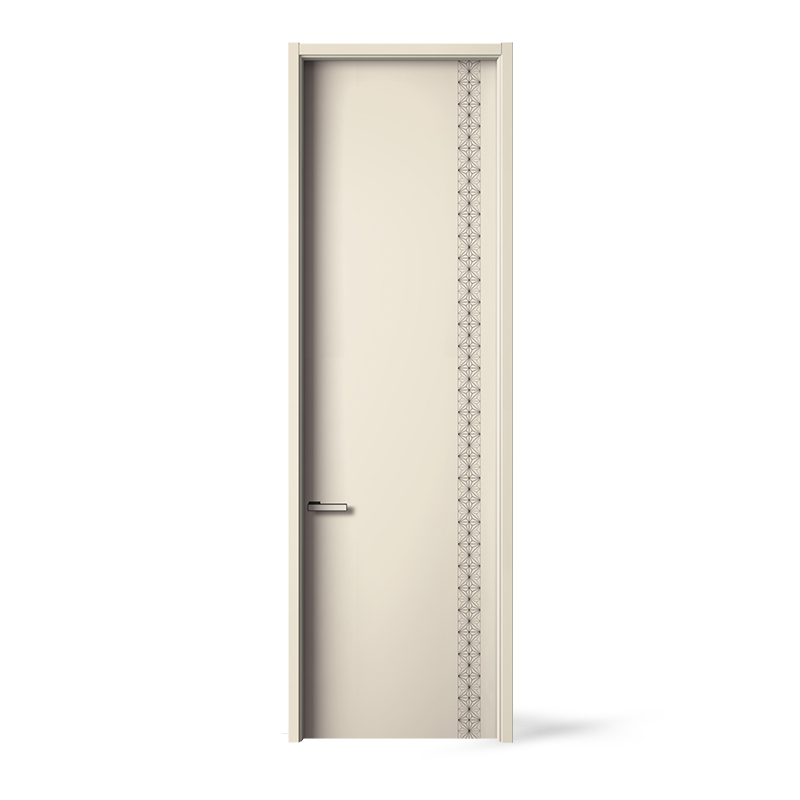
The core material of Xingyue White Waterproof Home Melamine Door uses strictly screened high-strength multi-layer solid wood boards as the base material. These base materials are made of high-quality ...
See Details1. Enhanced Durability and Weather Resistance of PVC Wood Doors PVC Wood Doors exhibit significantly enhanced durability and weather resistance when c...
READ MOREPVC Wood Doors' Innovative Materials: A Combination of Environmental Protection and Durability With the continuous evolution of modern home furnishing...
READ MOREIntroduction to Composite Wood Doors Composite wood doors have become a widely considered choice for homeowners and designers seeking alternatives to ...
READ MOREIn the world of home renovation and construction, the choice of doors is a critical decision that balances aesthetics, durability, and cost. While tra...
READ MORECopyright © Zhejiang Mingxuan Smart Home Co., Ltd. All Rights Reserved.