English
 中文简体
中文简体 Español
 عربى
عربى
Product Consultation
Your email address will not be published. Required fields are marked *

 EN
EN

Content
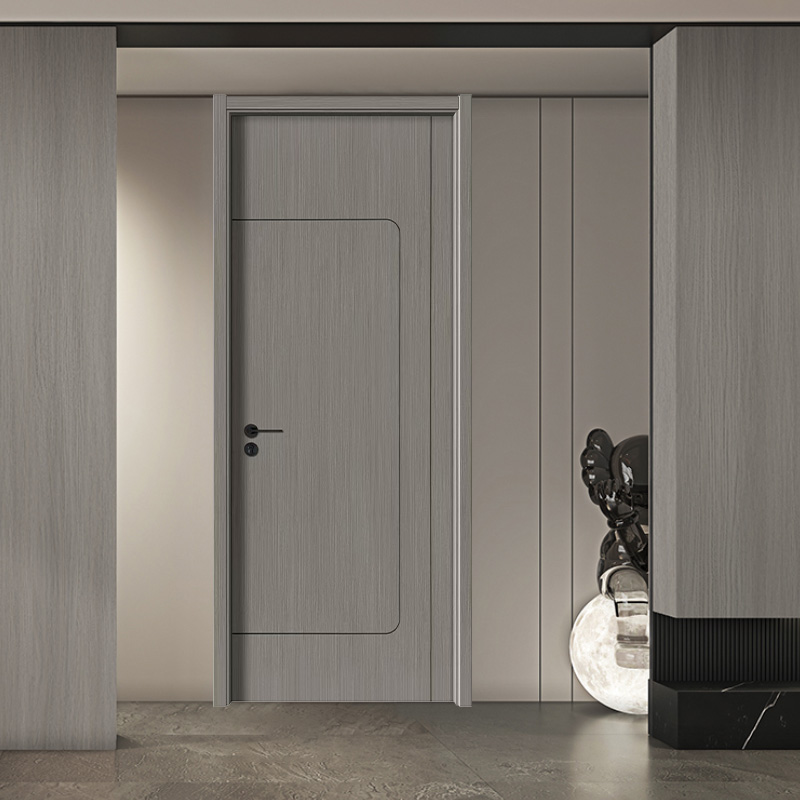
Wood plastic composite doors represent a significant advancement in building material technology, combining the aesthetic warmth of natural wood with the moisture resistance and dimensional stability of engineered polymers. These doors resist warping, rotting, and insect infestation that destroy solid wood doors within 5 to 10 years in humid climates, while offering superior structural integrity and thermal performance compared to hollow PVC doors that flex and rattle under normal use. The composite material achieves this balance by dispersing wood fibers throughout a thermoplastic matrix, creating a homogeneous material that behaves predictably across temperature and humidity variations that cause traditional materials to fail. For builders, architects, and homeowners in regions with high rainfall, coastal salt air, or seasonal humidity fluctuations, wood plastic composite doors provide a low maintenance alternative that preserves the visual appeal of wood without its inherent vulnerabilities.
The global wood plastic composite market reached approximately $6.8 billion in 2024, with door and window applications representing 22 percent of total consumption. Annual growth rates of 11.5 percent reflect accelerating adoption in residential construction across Asia Pacific, North American renovation markets, and European sustainable building projects. Understanding material formulations, manufacturing processes, and performance limitations enables informed specification of wood plastic composite doors for specific climate conditions and architectural requirements.
The performance characteristics of wood plastic composite doors depend fundamentally on raw material ratios, fiber dimensions, and processing parameters that manufacturers optimize for specific applications.
Wood plastic composite formulations typically contain 50 to 70 percent wood fiber by weight, with the balance consisting of thermoplastic polymer and additives. The wood component originates from sawmill residues, post industrial wood waste, or dedicated fiber crops including bamboo and kenaf. Fiber length critically affects mechanical properties; longer fibers of 2 to 5 millimeters improve flexural strength and impact resistance, while shorter fibers below 1 millimeter enhance surface smoothness and processing consistency. Premium door formulations utilize screened fibers with controlled aspect ratios to optimize the balance between structural performance and finish quality.
Wood species selection influences color consistency and moisture absorption. Softwood fibers from pine and spruce provide light base colors and excellent bonding with polyolefin matrices. Hardwood fibers from maple and oak offer higher density and stiffness but may introduce extractive compounds that interfere with polymer adhesion. Bamboo fibers provide rapid renewability and high strength to weight ratios, though their silica content accelerates processing equipment wear.
Polyethylene (PE), polypropylene (PP), and polyvinyl chloride (PVC) serve as the primary thermoplastic matrices for wood plastic composite doors. Polypropylene dominates door applications due to its superior stiffness, heat resistance, and compatibility with wood fiber surface chemistry. Polypropylene based composites achieve flexural moduli of 2.5 to 4.0 gigapascals, approaching the stiffness of medium density fiberboard while maintaining moisture immunity. Polyethylene formulations offer greater impact resistance and lower cost but produce softer surfaces more susceptible to scratching in high traffic applications.
PVC based wood plastic composites provide excellent dimensional stability and flame resistance, though environmental concerns regarding chlorine content and end of life disposal limit their adoption in some markets. Recycled content ratios vary widely; some manufacturers utilize 100 percent post consumer recycled polyethylene while others specify virgin polymers for color consistency and processing reliability.
Coupling agents, typically maleic anhydride grafted polyolefins, improve adhesion between hydrophilic wood fibers and hydrophobic polymer matrices, increasing flexural strength by 30 to 50 percent compared to uncoupled formulations. UV stabilizers including hindered amine light stabilizers (HALS) and ultraviolet absorbers prevent color fading and surface degradation during outdoor exposure. Lubricants and processing aids reduce extrusion friction and improve surface finish quality. Fire retardant additives, including magnesium hydroxide and intumescent systems, achieve Class B or Class A flame spread ratings required for commercial building applications.
| Component | Typical Content | Primary Function | Performance Impact |
|---|---|---|---|
| Wood Fiber | 50 to 70% | Structural reinforcement | Increases stiffness and strength |
| Polypropylene | 25 to 45% | Matrix binder | Provides moisture resistance |
| Coupling Agent | 2 to 5% | Fiber matrix adhesion | Improves strength by 30 to 50% |
| UV Stabilizer | 0.5 to 2% | Weathering protection | Extends color life 5 to 10 years |
| Lubricant | 1 to 3% | Processing aid | Improves surface finish |
Wood plastic composite doors are produced through extrusion, injection molding, or compression molding processes, each creating distinct product characteristics suited to different market segments.
Single screw and twin screw extruders melt and homogenize wood plastic composite formulations before forcing material through profile dies. Twin screw extruders provide superior mixing and devolatilization, producing more consistent material properties but at higher capital cost. Extruded profiles for door frames, rails, and stiles achieve dimensional tolerances of plus or minus 0.5 millimeters, sufficient for assembly without extensive post machining. Hollow extrusion profiles reduce material consumption by 30 to 40 percent while maintaining structural adequacy for standard door applications.
Coextrusion technology applies a pure polymer cap layer over wood plastic composite cores, creating surfaces with enhanced scratch resistance, color consistency, and stain repellency. Cap layers of 0.5 to 1.5 millimeters thickness protect the composite core from moisture ingress at cut edges and surface damage. This technology proves particularly valuable for door surfaces subject to frequent contact and cleaning.
Injection molding produces door hardware mounting plates, decorative panels, and integrated frame corners with complex geometries impossible to achieve through extrusion. High pressure injection fills mold cavities with molten composite material, creating dense, dimensionally precise components. Cycle times of 30 to 90 seconds per part enable high volume production of standardized components. However, injection molding equipment requires significant capital investment, limiting adoption to manufacturers serving large production volumes.
Compression molding places measured composite charges into heated molds and applies pressure until material cures. This process achieves higher fiber content and better fiber alignment than extrusion, producing doors with 15 to 25 percent greater flexural strength. The slower cycle times and higher labor content make compression molding suitable for premium architectural doors where performance justifies cost premiums of 20 to 40 percent over extruded alternatives.
The primary advantage of wood plastic composite doors over solid wood lies in their dramatically reduced moisture absorption and associated dimensional changes.
Solid wood doors absorb 8 to 15 percent moisture by weight when exposed to humid conditions or direct water contact, causing expansion across the grain of 1 to 3 percent. This expansion creates binding against frames, warping of panels, and finish cracking that necessitates replacement or extensive repair. Wood plastic composite doors absorb 0.5 to 2.0 percent moisture by weight under identical conditions, with dimensional changes of 0.1 to 0.3 percent that remain within frame clearances and do not affect door operation.
Long term immersion testing demonstrates that wood plastic composite doors submerged for 30 days recover 95 percent of original dimensions upon drying, while solid wood doors exhibit permanent swelling and structural degradation. This recovery capability makes wood plastic composite doors suitable for exterior applications including patio doors, balcony entrances, and pool house installations where occasional water exposure occurs.
Wood plastic composite thermal expansion coefficients range from 30 to 60 micrometers per meter per degree Celsius, intermediate between wood (3 to 5) and pure polypropylene (100 to 150). A 200 centimeter tall door exposed to 30 degrees Celsius temperature variation expands approximately 2 to 4 millimeters. Proper frame installation accommodates this movement through adequate clearances and flexible seals. Failure to provide expansion joints causes binding, latch misalignment, and frame damage in extreme temperature cycles.
Building energy codes and occupant comfort requirements increasingly demand doors that contribute to thermal envelope performance and sound isolation.
Solid wood plastic composite doors achieve thermal conductivities of 0.15 to 0.25 watts per meter kelvin, compared to 0.12 to 0.15 for solid wood and 0.15 to 0.20 for hollow steel. This translates to U values of approximately 1.8 to 2.5 watts per square meter kelvin for standard 40 millimeter thick composite doors. Insulated core configurations incorporating polyurethane foam or polystyrene inserts reduce U values to 1.2 to 1.5, meeting stringent energy codes for exterior doors in cold climates.
The material's low thermal conductivity prevents condensation formation on interior door surfaces during cold weather, eliminating moisture related mold growth and finish damage common on metal doors. This characteristic proves particularly valuable in high humidity interior environments including bathrooms, kitchens, and indoor pool enclosures.
Standard wood plastic composite doors achieve sound transmission class (STC) ratings of 25 to 30, comparable to hollow core wood doors. Doors with foam filled cores and perimeter gasketing reach STC 35 to 40, suitable for office partitions, hotel room entries, and residential bedrooms requiring moderate privacy. Mass loaded vinyl layers or lead sheets laminated within door constructions achieve STC 45 to 50 for music studios, home theaters, and conference rooms, though these specialized configurations increase weight and cost significantly.
Wood plastic composite doors offer extensive finish possibilities that maintain appearance without the refinishing requirements of natural wood.
Pigments dispersed throughout the composite material create through body color that remains consistent even if surface layers become scratched or abraded. This characteristic eliminates the visible damage that exposes light substrate beneath stained wood veneers. Standard color ranges include wood tone browns, warm grays, and contemporary whites and blacks. Custom color matching serves branding requirements for commercial chains and specific architectural palettes.
Extrusion dies and post extrusion embossing rollers imprint wood grain patterns into door surfaces with depths of 0.2 to 0.5 millimeters. Oak, teak, walnut, and cherry grain patterns provide visual authenticity that satisfies traditional design preferences. The embossed texture also masks minor surface imperfections and reduces gloss, creating matte appearances that minimize visible fingerprints and dust accumulation. High definition embossing using laser engraved rollers achieves pattern resolutions approaching natural wood pore structures.
High pressure laminates and thermally fused melamine films provide additional surface options including stone patterns, metallic effects, and solid colors impossible to achieve through integral pigmentation. Paint grade wood plastic composite doors feature smooth, primed surfaces accepting site applied latex or oil based paints, allowing color changes during renovation without door replacement. Proper surface preparation including light sanding and degreasing ensures paint adhesion comparable to primed wood surfaces.
Proper installation techniques ensure wood plastic composite doors perform throughout their service life without the operational issues that arise from improper handling or fastening.
Wood plastic composite materials accept standard wood screws and fasteners without predrilling in most applications. However, the material's lower shear strength compared to solid wood requires 20 to 30 percent longer screws to achieve equivalent pullout resistance. For heavy hardware including commercial closers and multiple point locks, specify threaded metal inserts cast or bonded into the door edge during manufacturing. These inserts distribute loads across larger areas and prevent screw stripping that compromises hardware security.
Hinge mortising follows wood door practices using router templates or chisels. The material machines cleanly without splintering, though cutting speeds should reduce by 15 to 20 percent compared to wood to prevent melting and edge rounding. Carbide tipped cutters maintain sharpness longer than high speed steel when processing abrasive wood fiber content.
Wood plastic composite doors install into wood, steel, or composite frames with appropriate shimming and fastening. Composite frames matching the door material provide optimal thermal expansion compatibility and eliminate galvanic corrosion concerns. Steel frames require thermal break gaskets to prevent condensation and cold bridging. Wood frames must be treated or naturally decay resistant species to prevent rot that would compromise the door's moisture resistant advantages.
Install wood plastic composite doors with perimeter clearances of 3 to 5 millimeters to accommodate thermal expansion and prevent binding. In climates with extreme temperature variations exceeding 40 degrees Celsius seasonally, increase clearances to 6 to 8 millimeters. Door bottoms require 8 to 12 millimeters clearance above finished flooring, with automatic door bottoms or drop seals closing gaps when doors latch to maintain acoustic and thermal performance.
Different building types and environmental conditions favor specific wood plastic composite door configurations optimized for anticipated use patterns.
Front and rear entry doors in single family homes benefit from wood plastic composite construction in humid subtropical and coastal climates. Specify 40 to 45 millimeter thick doors with foam insulated cores and multipoint locking systems. Embossed wood grain finishes in medium to dark browns coordinate with traditional architecture while eliminating refinishing requirements. Impact modified formulations withstand windborne debris in hurricane zones, achieving missile impact ratings when tested to ASTM E1996. Budget $300 to $700 for complete entry door systems including frames and hardware.
Bathroom doors face the most aggressive moisture exposure in residential construction, with steam condensation and occasional splash contact creating conditions that destroy wood and corrode steel. Wood plastic composite doors eliminate these failure modes entirely. Specify smooth or lightly textured surfaces that clean easily and resist mold growth. Light colors including white and pale gray reflect light in typically small bathroom spaces. Louvered panel designs improve ventilation while maintaining privacy. These doors typically cost $150 to $350 installed, comparable to painted wood hollow core alternatives.
Office buildings, schools, and healthcare facilities utilize wood plastic composite doors for interior partitions where durability and low maintenance reduce lifecycle costs. Fire rated composite doors incorporating intumescent cores achieve 20 to 45 minute ratings suitable for corridor and room separation applications. Antimicrobial additives including silver ion or copper based compounds inhibit bacterial growth on high touch surfaces, supporting infection control protocols in medical facilities. High impact formulations resist damage from carts, equipment, and user abuse in school environments.
Sliding patio doors, balcony entrances, and pool house doors in wood plastic composite construction resist UV degradation, salt spray, and chlorine exposure that damage other materials. UV stabilized formulations with 0.8 to 1.5 percent HALS content maintain color for 7 to 10 years of direct sun exposure. Thermal break frame designs prevent condensation and improve energy performance. Multi panel folding door systems create wide openings for indoor outdoor living while maintaining weather resistance across all panel edges.
Wood plastic composite doors require minimal maintenance compared to wood or steel alternatives, but specific care practices preserve appearance and function.
Clean surfaces monthly using mild detergent solutions and soft cloths or sponges. Avoid abrasive cleaners, steel wool, or high pressure washing that could damage surface textures or remove protective cap layers. For stubborn stains including grease, marker, or paint, use mineral spirits or denatured alcohol applied sparingly with soft cloths. Rinse thoroughly after cleaning to remove chemical residues that might degrade UV stabilizers over time.
Inspect hinges, locks, and latches annually for proper alignment and operation. Lubricate moving parts with silicone based lubricants rather than petroleum greases that attract dust and dirt. Check and retighten screws that may loosen due to thermal cycling and material creep. Replace worn weatherstripping to maintain energy performance and prevent water infiltration at door perimeters.
Minor scratches on through body colored doors may be buffed out using automotive rubbing compounds followed by polishing. Deep scratches exposing core material require color matched repair compounds or professional refinishing. Unlike wood doors that require complete stripping and refinishing, localized repairs restore composite door appearance without extensive labor. Avoid painting over integral colors unless complete color change is desired; paint adhesion to composite surfaces requires specific primers formulated for low surface energy plastics.
Wood plastic composite doors offer environmental advantages through recycled content utilization and extended service life, though end of life disposal presents ongoing challenges.
The wood fiber component typically derives from post industrial sawmill waste or sustainably harvested fiber crops, reducing demand for old growth timber. Recycled polymer content in the plastic matrix ranges from 30 to 100 percent depending on manufacturer and color requirements. Combined recycled content often exceeds 70 percent by weight for standard formulations. Lifecycle assessments indicate that wood plastic composite doors produce 40 to 60 percent lower greenhouse gas emissions over 30 year service life compared to solid wood doors requiring multiple replacements and refinishing cycles.
End of life recycling remains limited due to the difficulty of separating wood fibers from polymer matrices. Most discarded wood plastic composite doors currently enter landfill or waste to energy facilities. Emerging chemical recycling technologies may eventually enable monomer recovery, but infrastructure remains underdeveloped. Some manufacturers offer take back programs grinding old doors into filler for new composite products, though this downcycling reduces material value with each cycle.
Specify wood plastic composite doors for applications where moisture resistance, dimensional stability, and low maintenance outweigh premium material authenticity requirements. Select polypropylene based formulations for optimal strength and stiffness, and PVC based formulations where flame resistance takes priority. Verify UV stabilizer content for exterior applications and impact modifier content for high abuse environments. Install with adequate expansion clearances and compatible frame materials. Maintain with mild cleaning and periodic hardware adjustment. For humid climates, coastal properties, and budget conscious projects seeking wood aesthetics without wood vulnerabilities, wood plastic composite doors deliver superior long term value compared to solid wood, hollow PVC, or steel alternatives.

What Are the Key Factors to Consider When Selecting and Installing a Steel Door for Maximum Security and Durability?
A Comprehensive Guide to Types, Benefits, and Maintenance
Your email address will not be published. Required fields are marked *
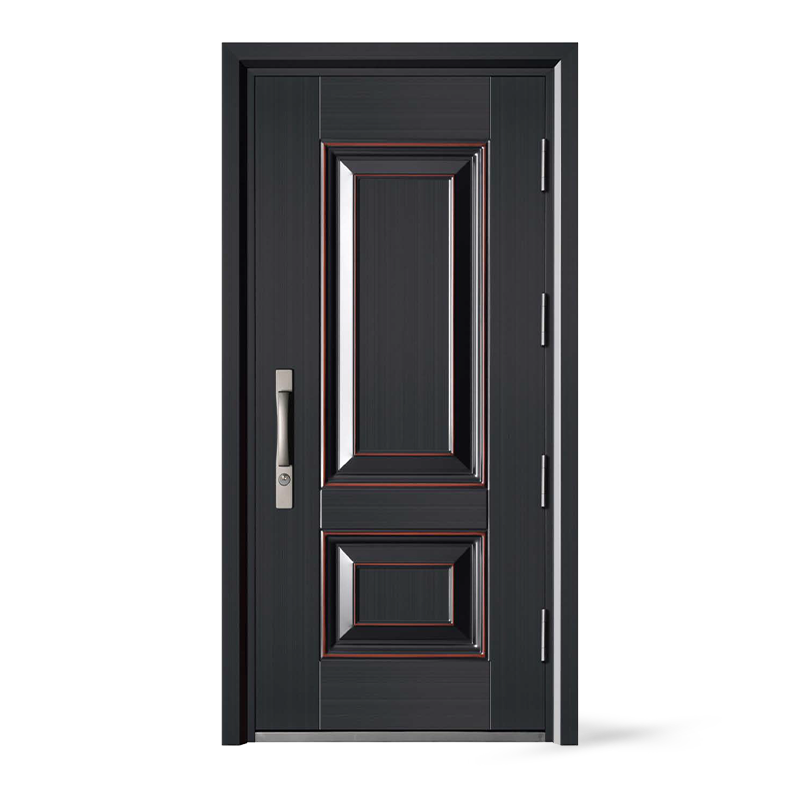
The copper color single opening UV resistant steel front door has a simple and elegant appearance design, a unique copper surface texture, and excellent decorative properties. It adopts advanced steel...
See Details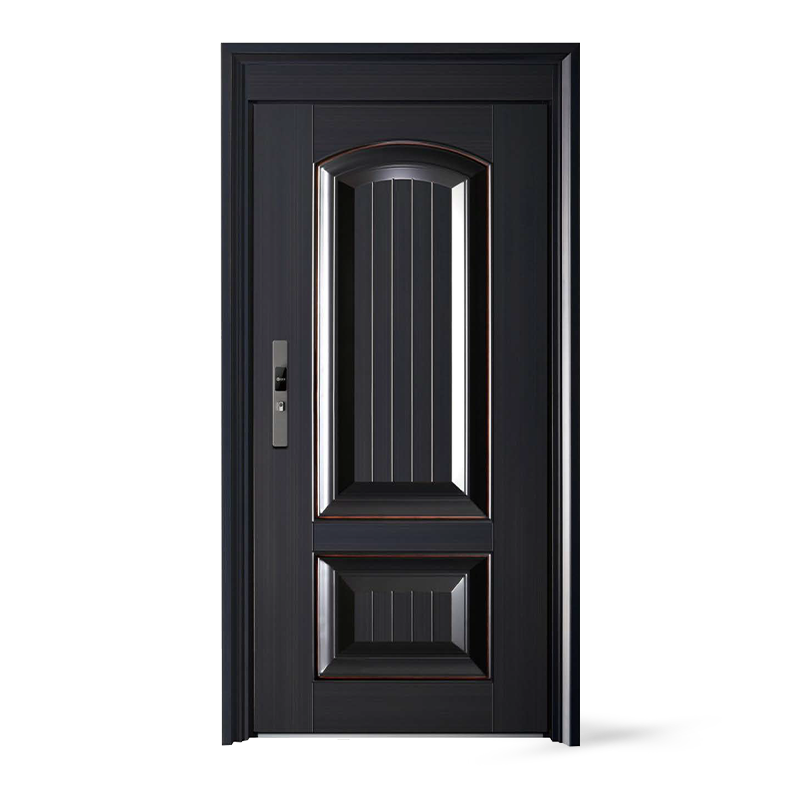
Metal steel single door security home main door is a high-quality door product designed for home security. It is made of high-quality steel, combined with modern technology and innovative design, perf...
See Details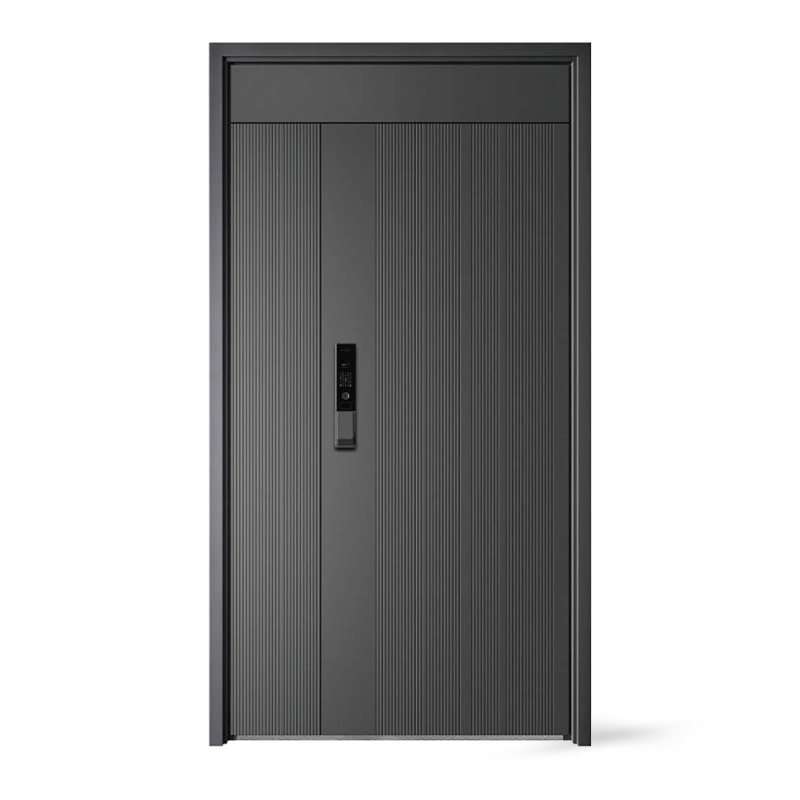
This double-layer steel fireproof and insulated front door is mainly composed of inner and outer double-layer steel plates, fireproof filling core material, inner frame reinforcement layer, heat insul...
See Details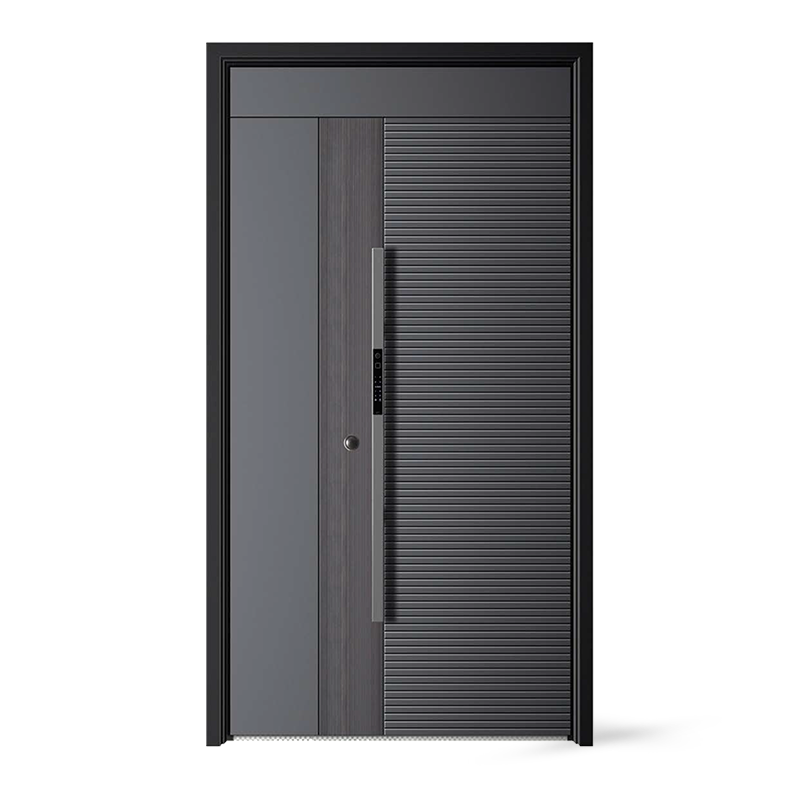
Grey design glass inset metal exterior steel front door is made of high-quality cold-rolled steel, which is precisely processed and treated to have extremely high strength and rigidity, and can effect...
See Details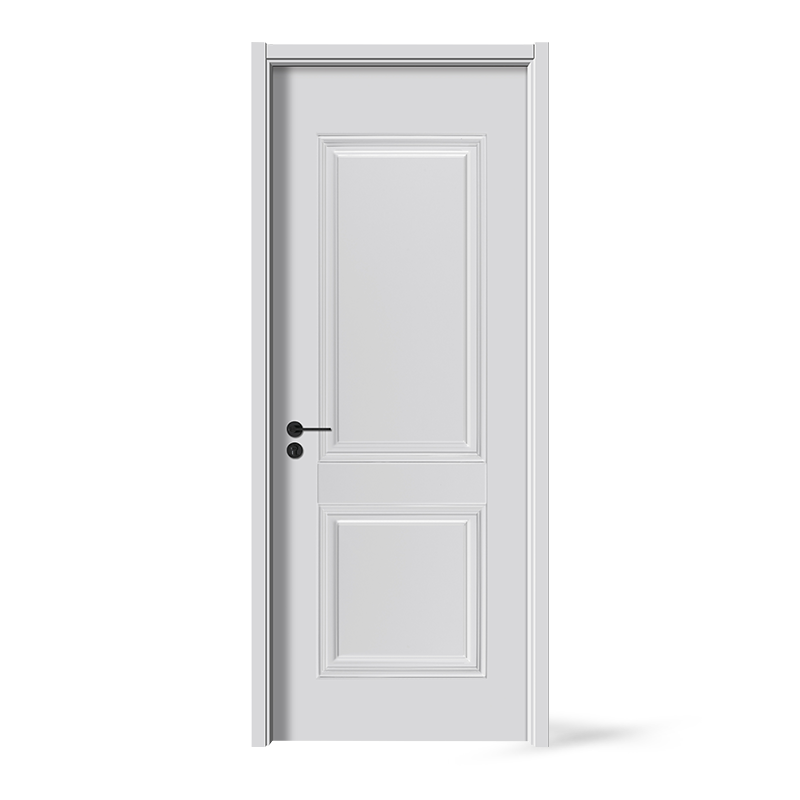
The core structure of PVC white painted teak board solid wood door is natural solid wood door core, and composite solid wood with good structural stability is selected as the basic skeleton. The solid...
See Details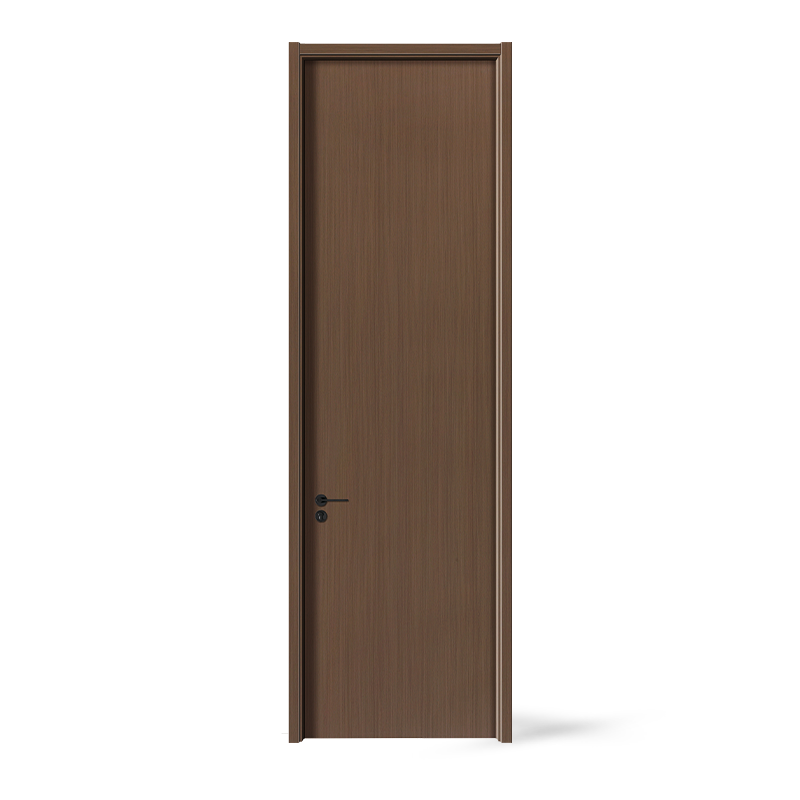
Black walnut veneer PVC interior solid wood door adopts multi-layer composite structure design. The core skeleton is generally composed of high-strength solid wood finger-jointed boards and fir integr...
See Details
Indoor PVC wooden swing door is a high-quality door product that combines modern home design and practicality. It is widely used in various indoor spaces such as homes and offices. It uses PVC wood gr...
See Details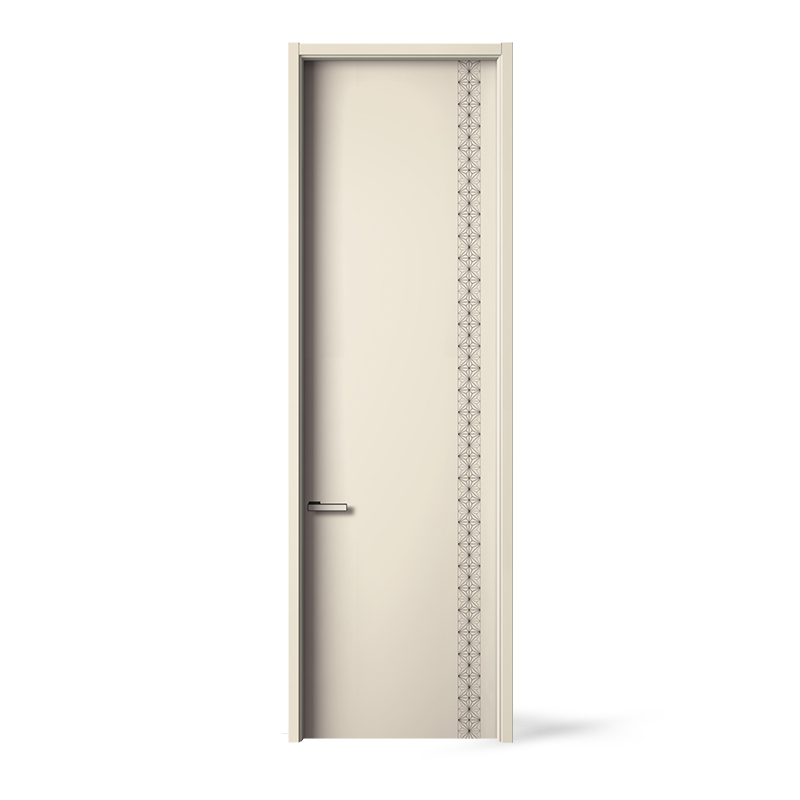
The core material of Xingyue White Waterproof Home Melamine Door uses strictly screened high-strength multi-layer solid wood boards as the base material. These base materials are made of high-quality ...
See Details1. Enhanced Durability and Weather Resistance of PVC Wood Doors PVC Wood Doors exhibit significantly enhanced durability and weather resistance when c...
READ MOREPVC Wood Doors' Innovative Materials: A Combination of Environmental Protection and Durability With the continuous evolution of modern home furnishing...
READ MOREIntroduction to Composite Wood Doors Composite wood doors have become a widely considered choice for homeowners and designers seeking alternatives to ...
READ MOREIn the world of home renovation and construction, the choice of doors is a critical decision that balances aesthetics, durability, and cost. While tra...
READ MORECopyright © Zhejiang Mingxuan Smart Home Co., Ltd. All Rights Reserved.