English
 中文简体
中文简体 Español
 عربى
عربى
Product Consultation
Your email address will not be published. Required fields are marked *

 EN
EN

Content
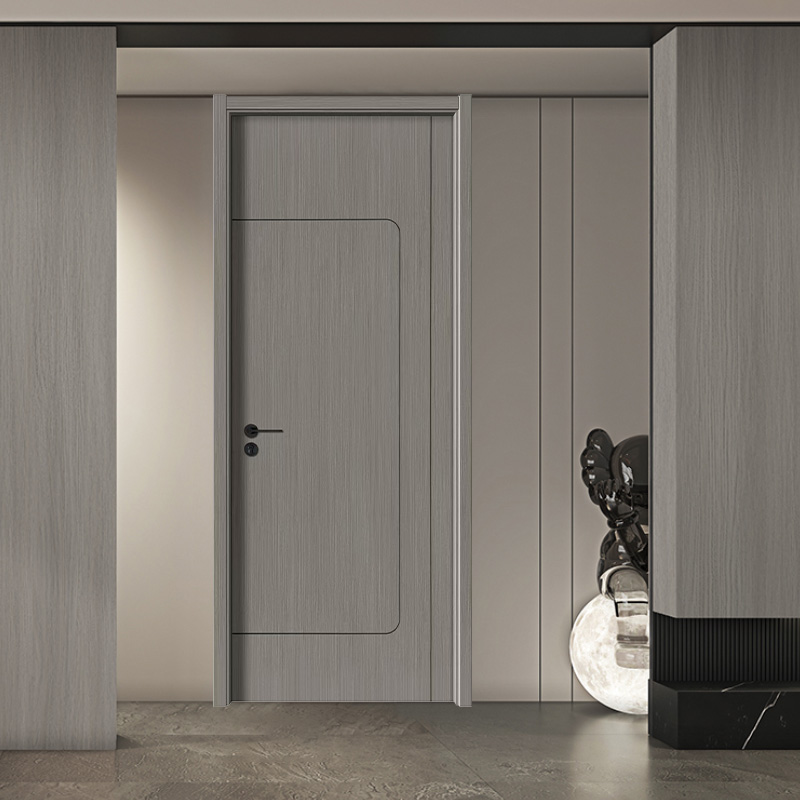
A PVC wood door is a door whose external surfaces and edges are made of polyvinyl chloride (PVC) – a durable, non‑porous plastic. The core can be hollow with internal honeycomb reinforcement, or solid foamed PVC (PVC foam board). The PVC skin is typically embossed with a woodgrain texture and printed with high‑resolution patterns to mimic oak, walnut, mahogany, or painted finishes. Some models also have a smooth white or colored matte surface. Unlike melamine or laminate doors, PVC doors are completely waterproof not only on the surface but also on the edges, because the PVC skin wraps around the entire door. They are manufactured by extrusion or compression molding, and are available in standard sizes or custom dimensions.
Traditional wooden doors absorb moisture from humid air, causing expansion, warping, and eventually rot. Even moisture‑resistant MDF doors can swell if water sits on the bottom edge. PVC wood doors are non‑hygroscopic – they do not absorb water at all. You can install them in steam‑filled bathrooms, directly beside shower enclosures, or in laundry rooms without any fear of damage. Spilled water or condensation simply beads up and can be wiped away. For coastal homes, where salt‑laden air accelerates corrosion and rot, PVC doors are a game‑changing solution.
Termites, wood‑boring beetles, and carpenter ants feed on cellulose – the main component of wood. Since PVC contains no cellulose, it is completely unattractive to pests. This makes PVC wood doors ideal for areas prone to termites, such as the southeastern United States, tropical regions, and any building with a history of insect infestation. You can have the look of a wooden door without the risk of structural damage from hidden pests.
A painted wooden door needs repainting every 2‑5 years, depending on exposure. A PVC wood door never needs painting, staining, or sealing. The color and woodgrain are integral to the PVC skin, so they cannot peel, fade, or wear off. Cleaning requires only a damp cloth and mild detergent. For busy homeowners, landlords of rental properties, or facility managers, the elimination of recurring maintenance costs is a huge advantage.
PVC wood doors are generally lighter than solid wood or solid core MDF doors, making them easier to carry, hang, and adjust. Yet they are surprisingly strong – the PVC skin absorbs impacts without denting easily, and the core (especially foam‑filled or honeycomb) provides good rigidity. Many PVC doors are designed to withstand daily use in residential and light commercial settings without showing wear.
| Parameter | Typical Description |
|---|---|
| Skin material | Rigid PVC (polyvinyl chloride) sheet, thickness 2‑5 mm |
| Core options | Hollow (honeycomb cardboard or plastic), foamed PVC (solid), or particleboard (with PVC wrap) |
| Door thickness | 35 mm (1‑3/8″) standard; 40‑45 mm (1‑5/8″ to 1‑3/4″) available |
| Water absorption | Less than 0.1% (effectively waterproof) |
| Finish options | Woodgrain (oak, walnut, teak, mahogany), smooth matte white, gray, beige, custom colors |
| Surface texture | Embossed woodgrain, linen, or smooth |
| Fire rating | Some grades meet Class B or C (self‑extinguishing PVC) |
| Humidity resistance | Excellent (unaffected by 100% relative humidity) |
| Chemical resistance | Resists most household cleaners, but avoid strong solvents |
These doors have a lightweight honeycomb core (cardboard or plastic) inside a PVC frame, with PVC skins on both sides. They are the most economical and easiest to hang, ideal for closets, pantries, and low‑traffic rooms where sound insulation is not critical. Despite the hollow construction, they feel solid due to the rigid PVC skin.
Made entirely from extruded PVC foam board, these doors are 100% solid PVC. They are heavier, more durable, and offer better sound insulation than hollow doors. Foamed PVC doors are suitable for bathrooms, bedrooms, and even light commercial use. They can be machined, routed, and shaped like wood. They are also more expensive but last essentially forever.
An intermediate option: a particleboard core wrapped with PVC skin. The core provides weight and sound insulation, while the PVC skin protects against moisture. However, if the PVC skin is damaged, the particleboard can absorb moisture and swell. This type is less common for wet areas but may be used in bedrooms or living rooms.
Flush doors have a flat, smooth surface, ideal for modern, minimalist interiors. Paneled PVC doors are molded with raised or recessed panels to mimic traditional wooden doors, offering a classic look without the maintenance. The panel shapes are formed by thermoforming the PVC sheet.
This is the most popular application. The constant steam, splashes, and humidity of a bathroom quickly damage wooden doors. PVC doors thrive in this environment, maintaining their shape and appearance for decades. For shower bathrooms with poor ventilation, a PVC door is practically mandatory.
Cooking steam, grease particles, and occasional water spills are no problem for PVC. The non‑porous surface is easy to wipe clean and does not absorb odors. In laundry rooms, the high humidity from dryers is completely harmless.
Basements are often damp and prone to flooding. Wooden doors in basements can absorb ground moisture, swell, and develop mold. PVC doors remain unaffected, even if the bottom edge sits in a small amount of water.
Homes near the ocean or in tropical climates face constant high humidity and salt air, which corrodes metal hinges and rots wood. PVC doors, combined with stainless steel hinges, provide a long‑lasting, maintenance‑free solution.
Hospitals, clinics, and hotels need doors that can be cleaned with strong disinfectants without damage. PVC doors resist chemicals and do not support bacterial growth on the non‑porous surface. They are also quiet when closing (many have foam‑filled cores).
For bedroom doors, choose a solid foamed PVC core to reduce noise transmission between rooms. For bathroom or closet doors, a hollow core is usually sufficient. If you need a fire‑rated door, check that the specific PVC model meets local building codes – not all PVC doors are fire‑rated.
White matte PVC doors are the most common, providing a clean, bright look suitable for any interior. Woodgrain finishes (oak, walnut, teak) offer the appearance of natural wood without the maintenance. For a contemporary statement, consider dark gray or black PVC doors. Some manufacturers offer custom printing, allowing you to match any RAL color.
PVC doors are compatible with standard hinges, locks, and handles. For hollow core doors, reinforcing blocks are pre‑installed at hinge and lock locations. For solid foamed PVC, you can drill and screw directly. Use stainless steel or coated screws to prevent rust staining. Avoid overtightening screws, as PVC can deform under excessive pressure.
Standard PVC doors have a fire rating of Class C or D (slower burning). For commercial applications or multi‑family dwellings that require FD30 (30‑minute fire resistance), specify a fire‑rated model. These incorporate flame‑retardant additives and a denser core. Always verify the certification with the manufacturer.
Installing a PVC door is similar to installing any pre‑hung door unit. Because the material is softer than wood, use sharp tools and avoid excessive force. Pre‑drill all screw holes. For mortising hinges, a router with a sharp straight bit produces the cleanest cut. If using a chisel, take very shallow passes to avoid cracking the PVC skin. After installation, check that the door does not rub against the frame – PVC expands slightly in very hot temperatures (less than wood, but still measurable). Leave a 3‑5 mm gap around the door.
One of the main selling points is the near‑zero maintenance. For daily cleaning, a soft cloth dampened with water is sufficient. For stubborn dirt or soap scum, use a mild detergent or a non‑abrasive bathroom cleaner. Avoid scouring pads, bleach, acetone, or solvents containing methylene chloride – these can damage the PVC surface. If scratches do appear, very fine sandpaper (600‑1000 grit) can buff out shallow scratches, followed by a PVC polishing compound. Deep scratches may be filled with a color‑matched PVC repair paste.
PVC has faced scrutiny because its production involves chlorine and plasticizers. However, modern PVC doors for interior use are formulated with lead‑free stabilizers and low‑VOC additives. Many are certified under Greenguard or other low‑emission standards. Additionally, PVC doors are 100% recyclable at end of life – some manufacturers operate take‑back programs. Because PVC doors last far longer than wooden doors in wet environments, they reduce replacement frequency, which is an environmental benefit. For eco‑conscious buyers, look for products with recycled content or third‑party certifications like Cradle to Cradle.
It is possible but not recommended. PVC is non‑porous, so paint may not adhere well. If you must change the color, use a specialty primer for plastics and a topcoat formulated for PVC. Sanding the surface first improves adhesion. However, the durable factory finish usually makes painting unnecessary.
High‑quality PVC doors contain UV stabilizers that resist yellowing for many years. Prolonged direct sunlight (e.g., a door with a glass sidelight) may cause slight yellowing after a decade. For areas with intense sun exposure, consider a light color (white, cream) which shows less yellowing than dark shades.
Solid foamed PVC doors offer good sound insulation, similar to hollow core wood doors. For high sound reduction, look for doors with a dense mineral core, but these are heavier and more expensive. Standard PVC doors are fine for normal residential use.
Yes, with the right tools. Use a circular saw with a fine carbide blade, cutting from the finished side to reduce chipping. After cutting, seal the exposed foam core with waterproof PVC edge banding or silicone caulk to preserve water resistance.

Melamine Wood Door: Why It Is the Perfect Blend of Aesthetics and Practicality for Every Room
How Can a High Quality Steel Door Provide the Ultimate Balance of Security and Aesthetic Appeal for Your Property?
Your email address will not be published. Required fields are marked *
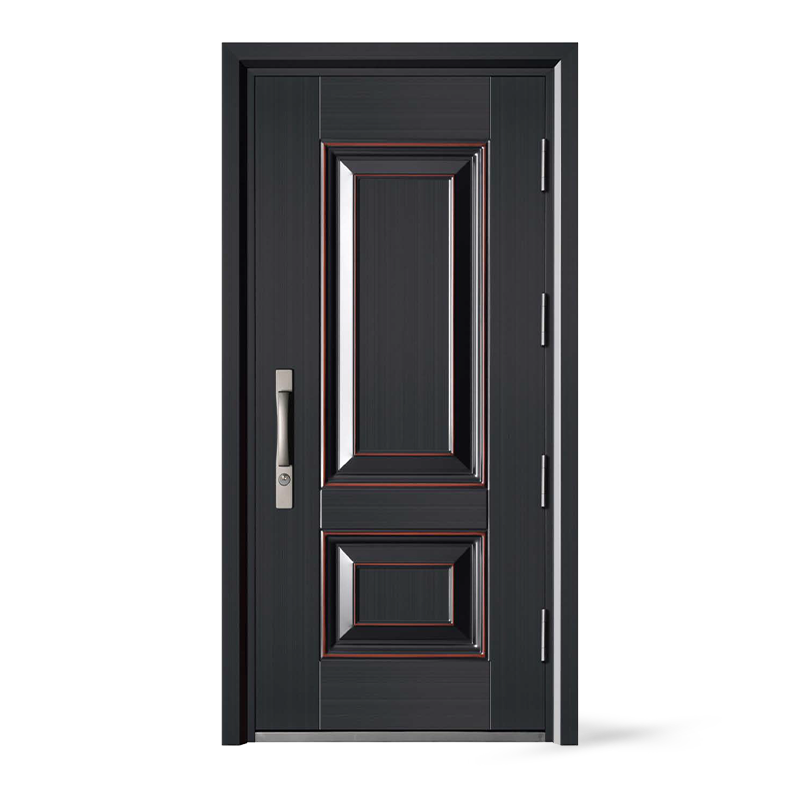
The copper color single opening UV resistant steel front door has a simple and elegant appearance design, a unique copper surface texture, and excellent decorative properties. It adopts advanced steel...
See Details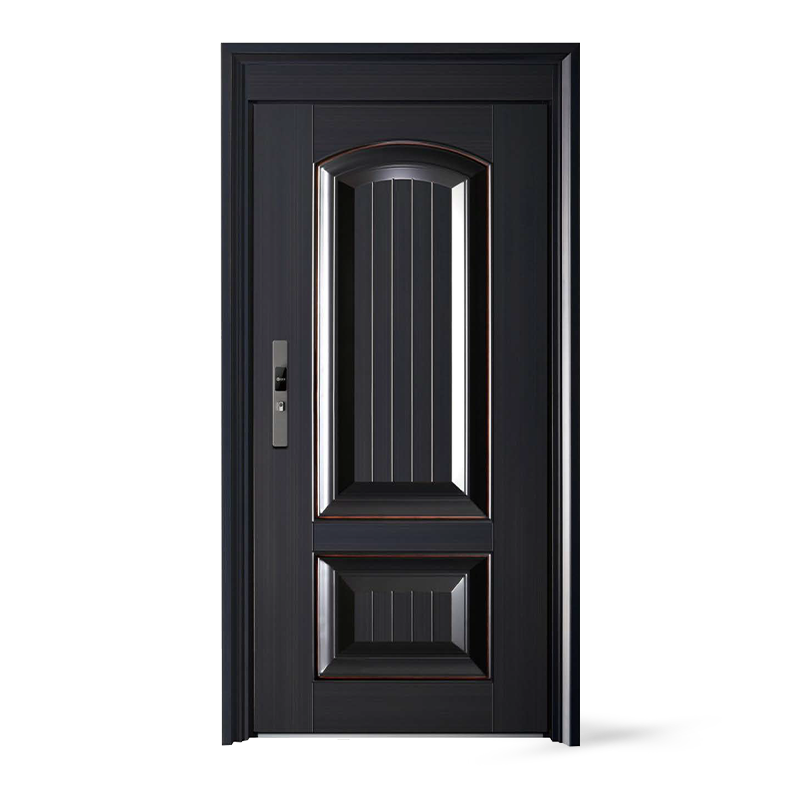
Metal steel single door security home main door is a high-quality door product designed for home security. It is made of high-quality steel, combined with modern technology and innovative design, perf...
See Details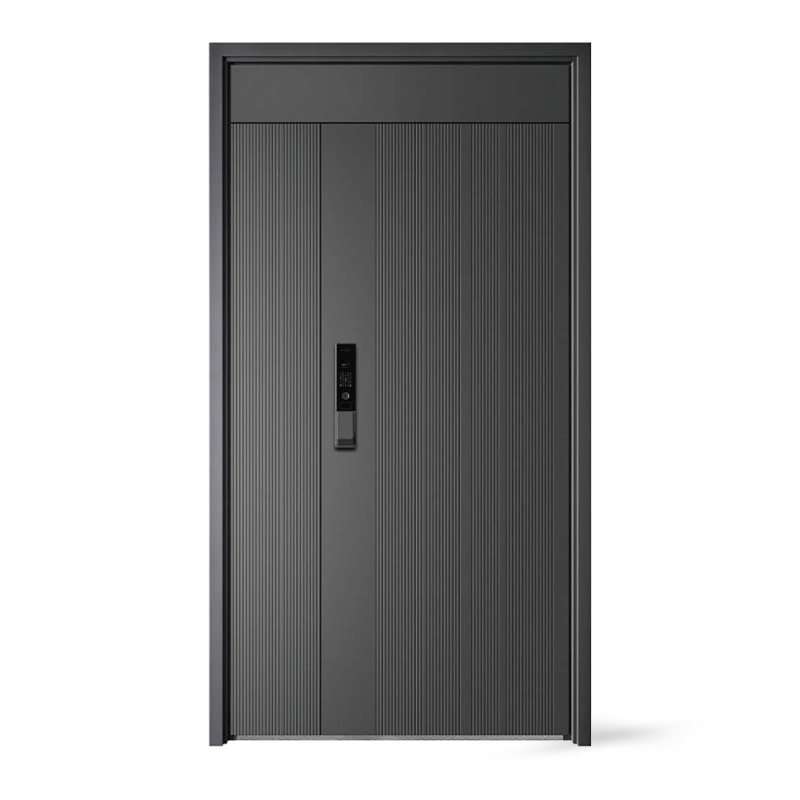
This double-layer steel fireproof and insulated front door is mainly composed of inner and outer double-layer steel plates, fireproof filling core material, inner frame reinforcement layer, heat insul...
See Details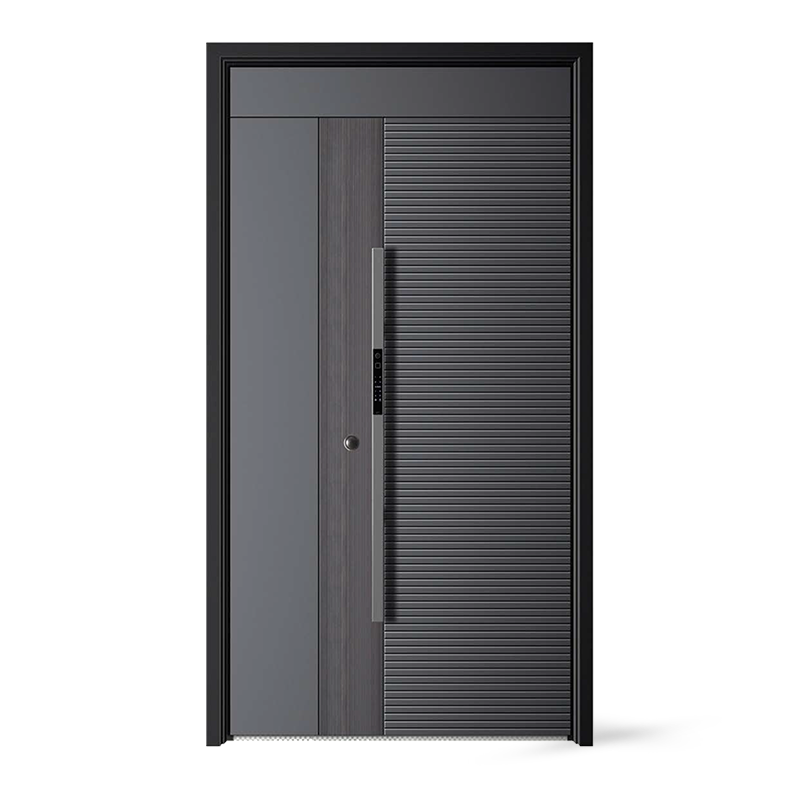
Grey design glass inset metal exterior steel front door is made of high-quality cold-rolled steel, which is precisely processed and treated to have extremely high strength and rigidity, and can effect...
See Details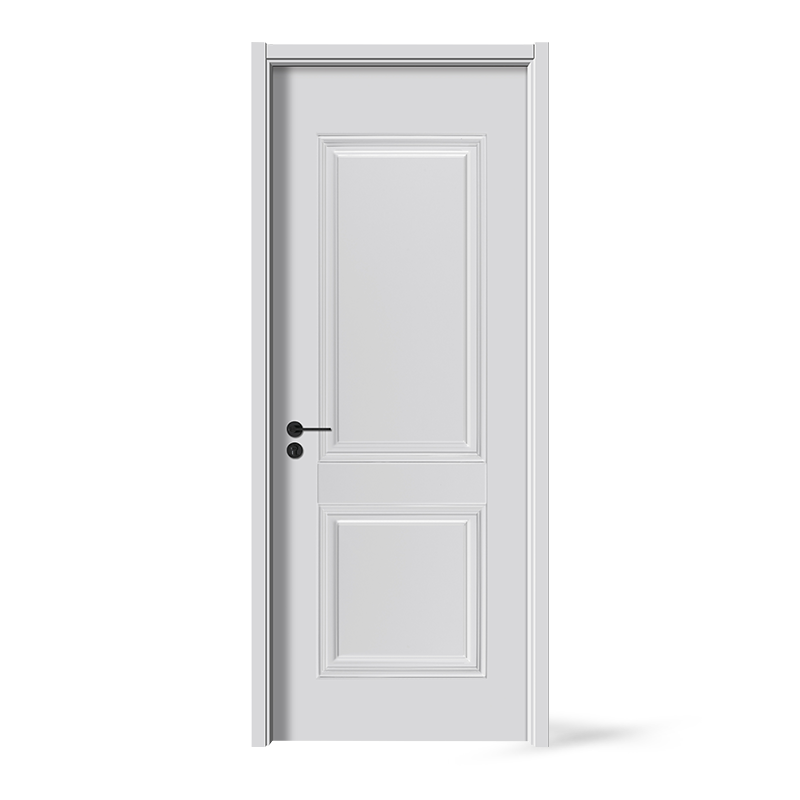
The core structure of PVC white painted teak board solid wood door is natural solid wood door core, and composite solid wood with good structural stability is selected as the basic skeleton. The solid...
See Details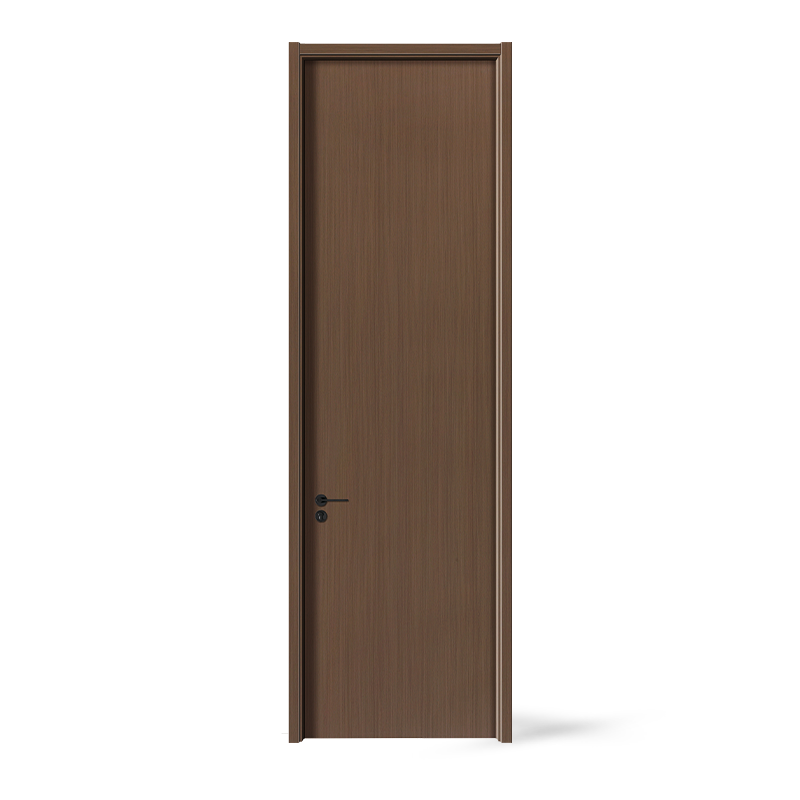
Black walnut veneer PVC interior solid wood door adopts multi-layer composite structure design. The core skeleton is generally composed of high-strength solid wood finger-jointed boards and fir integr...
See Details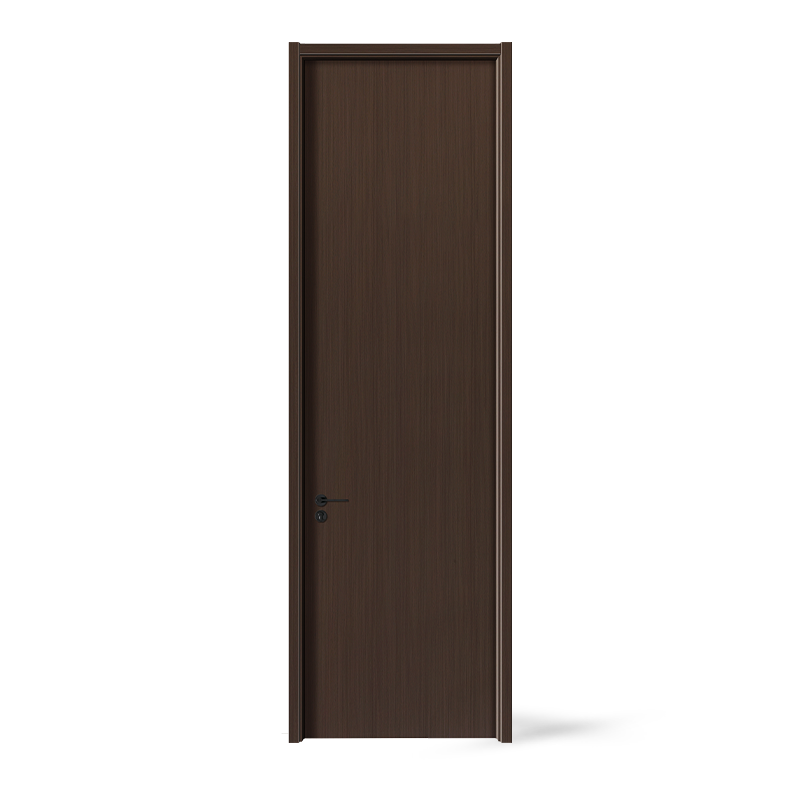
Indoor PVC wooden swing door is a high-quality door product that combines modern home design and practicality. It is widely used in various indoor spaces such as homes and offices. It uses PVC wood gr...
See Details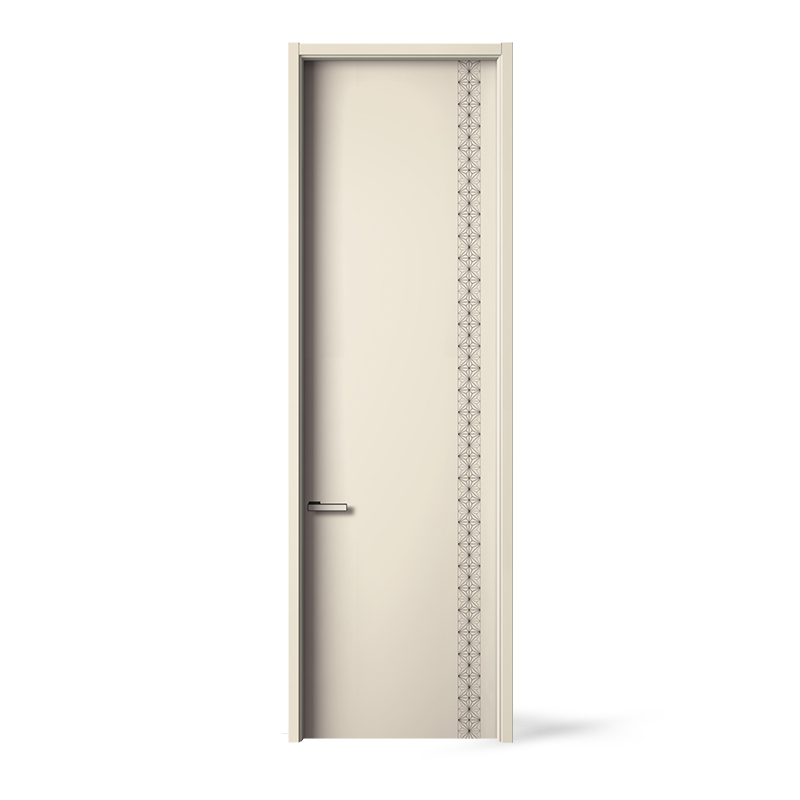
The core material of Xingyue White Waterproof Home Melamine Door uses strictly screened high-strength multi-layer solid wood boards as the base material. These base materials are made of high-quality ...
See Details1. Enhanced Durability and Weather Resistance of PVC Wood Doors PVC Wood Doors exhibit significantly enhanced durability and weather resistance when c...
READ MOREPVC Wood Doors' Innovative Materials: A Combination of Environmental Protection and Durability With the continuous evolution of modern home furnishing...
READ MOREIntroduction to Composite Wood Doors Composite wood doors have become a widely considered choice for homeowners and designers seeking alternatives to ...
READ MOREIn the world of home renovation and construction, the choice of doors is a critical decision that balances aesthetics, durability, and cost. While tra...
READ MORECopyright © Zhejiang Mingxuan Smart Home Co., Ltd. All Rights Reserved.