English
 中文简体
中文简体 Español
 عربى
عربى
Product Consultation
Your email address will not be published. Required fields are marked *

 EN
EN

Content
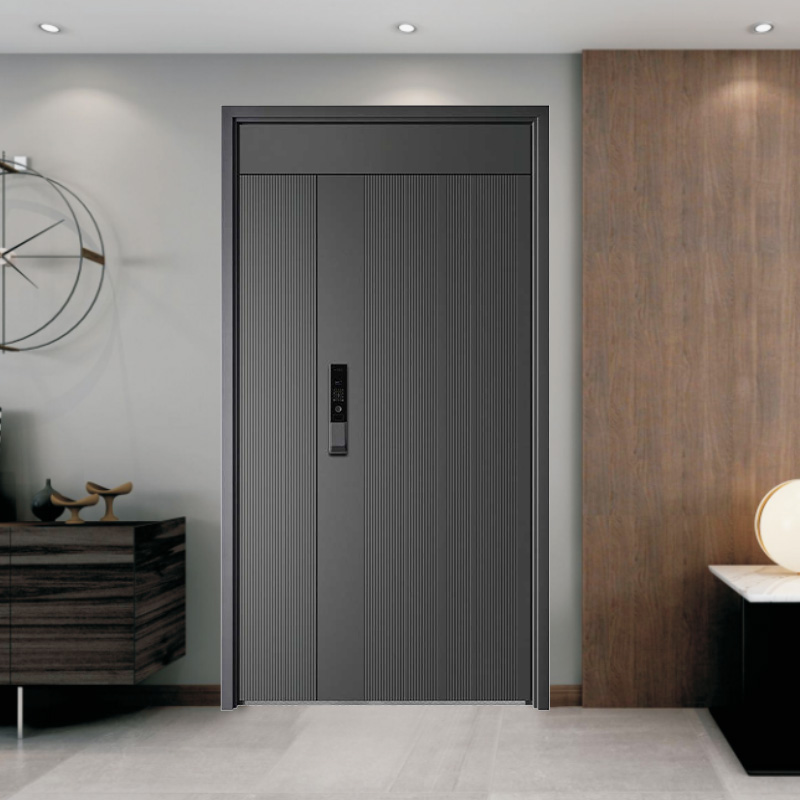
The selection of an entry system is one of the most critical decisions in both residential construction and commercial building management because the door serves as the primary barrier between a controlled interior environment and the unpredictable outside world. Among the various materials available in the modern market, the steel door has emerged as a cornerstone of architectural integrity due to its unparalleled structural strength and its ability to adapt to diverse environmental demands. Unlike traditional wooden doors that may warp under moisture or fiberglass options that can crack under extreme impact, a steel door is engineered to provide a consistent level of protection and performance over several decades. This reliability is the result of sophisticated manufacturing processes that combine heavy gauge metal with advanced insulation materials, creating a product that is as energy efficient as it is secure. As property owners increasingly prioritize long term value and safety, understanding the multi faceted benefits of steel entry systems becomes essential for making an informed investment in property infrastructure.
Modern steel doors are no longer restricted to the industrial, utilitarian designs of the past. Through innovative finishing techniques such as powder coating and the application of high definition wood grain textures, these doors can now complement any architectural style from minimalist contemporary to classic traditional. This evolution in design ensures that choosing a steel door does not require a compromise on curb appeal. Instead, it offers a way to enhance the visual character of a building while significantly upgrading its defense against forced entry, fire hazards, and extreme weather conditions. By examining the technical composition and the practical advantages of these systems, it becomes clear why they are the preferred choice for those seeking a durable and sophisticated solution for their entryways.
The performance of a steel door is fundamentally dictated by its internal engineering and the quality of the materials used in its construction. Most high quality steel doors are not solid blocks of metal, as this would be prohibitively heavy and thermally inefficient. Instead, they utilize a sandwich construction method where two steel skins are bonded to a core material. The thickness of these steel skins is measured in gauges, with a lower gauge number indicating a thicker and stronger layer of steel. For residential applications, a 20 to 24 gauge steel is common, while commercial and high security environments often require 16 or 18 gauge steel to withstand more rigorous use and potential impact. This layered approach allows manufacturers to create a door that is incredibly rigid and resistant to bending or twisting while maintaining a manageable weight for standard hinges and hardware.
The bonding process is equally important as it ensures that the steel skins and the core act as a single monolithic unit. High quality adhesives are used to prevent delamination, which can occur if moisture penetrates the seams or if the door is exposed to extreme temperature fluctuations. The edges of the door, known as the stiles and rails, are often reinforced with wood or additional steel channels to provide a solid mounting point for locks, hinges, and weatherstripping. This comprehensive engineering ensures that every component of the steel door works in harmony to provide a stable and long lasting entry solution that does not degrade under the pressures of daily operation.
The interior core of a steel door plays a vital role in its thermal efficiency and acoustic properties. Most modern doors use either a polystyrene or a polyurethane foam core. Polyurethane is generally considered the superior option because it is injected into the door as a liquid, expanding to fill every corner and crevice. This creates a dense, seamless insulation layer that significantly reduces thermal bridging and prevents air pockets from forming inside the door. A polyurethane core steel door can offer an R-value that is significantly higher than that of a solid wood door, making it an essential component of an energy efficient building envelope.
Beyond thermal benefits, the core material also dictates the sound dampening capabilities of the door. A hollow metal door would resonate and amplify noise, but a foam filled steel door acts as an effective sound barrier, blocking out traffic noise and other external disturbances. This makes steel doors an excellent choice for homes located in busy urban areas or for commercial offices that require a quiet internal environment. The combination of heavy gauge steel and high density foam creates a sensory experience of solidity and silence that enhances the overall comfort of the property.
One of the most significant concerns with any metal product exposed to the elements is the risk of rust and corrosion. To address this, high quality steel doors undergo a galvanizing process where the steel is coated with a layer of zinc. This zinc layer acts as a sacrificial anode, meaning that even if the surface is scratched, the zinc will corrode before the underlying steel is affected. Most commercial grade steel doors are manufactured using galvannealed steel, which is a process where the zinc coated steel is heat treated to create a matte surface that is exceptionally well suited for paint adhesion.
This chemical treatment ensures that the steel door can withstand high humidity, salt spray in coastal environments, and the corrosive effects of industrial pollutants. Without this protection, a steel door would require constant maintenance and frequent repainting to prevent structural degradation. The use of galvanized or galvannealed steel provides property owners with peace of mind, knowing that the structural integrity and aesthetic finish of their door will remain intact even in the most challenging climates. This foundational resistance to the environment is what allows steel doors to outlast many other materials used in external construction.
Security is the primary driver for the adoption of steel doors in both the residential and commercial sectors. The sheer tensile strength of steel makes it nearly impossible to breach through brute force alone. Unlike wood, which can be splintered or kicked in, a steel door maintains its shape and integrity under extreme pressure. This resistance to forced entry is a significant deterrent to intruders, who often look for the path of least resistance. When a steel door is paired with a high quality steel frame, the entire entry system becomes a formidable obstacle that protects the occupants and their assets.
In commercial settings, security requirements are often dictated by insurance standards or government regulations. Steel doors can be engineered to meet specific security ratings, including bullet resistance and blast resistance. These specialized doors use internal reinforcements and thicker steel gauges to provide a level of protection that is required for banks, government buildings, and high value retail locations. Even in standard residential settings, the knowledge that a door cannot be easily bypassed provides a level of psychological comfort that is difficult to quantify but highly valued by homeowners.
The strength of a steel door is only as effective as the hardware that secures it. One of the major advantages of steel construction is the ability to integrate advanced multi point locking systems directly into the door structure. These systems engage the door frame at several points along the vertical edge, typically at the top, middle, and bottom. This prevents the door from being pried open at the corners and distributes the force of an attempted breach across the entire length of the frame. Because the internal structure of a steel door is hollow before the foam is injected, there is ample space for these complex mechanical systems to be housed securely.
Furthermore, the mounting points for hinges and locks are often reinforced with internal steel plates. This prevents the hardware from being pulled out of the door under stress. In a wooden door, the screws are only held by the grain of the wood, which can fail under a heavy load. In a steel door, the hardware is bolted into metal, creating a connection that is vastly superior in terms of mechanical strength. This synergy between the door material and the locking hardware is what makes a steel entry system the gold standard for security in the modern world.
Beyond intentional breaches, steel doors must also protect against accidental impacts and environmental pressure. In regions prone to hurricanes or high winds, windborne debris can turn into dangerous projectiles. A standard wooden or fiberglass door may shatter upon impact, leaving the interior of the building vulnerable to wind and rain. A high gauge steel door is designed to absorb and deflect these impacts, maintaining the integrity of the building envelope even during severe storms.
This structural resilience also extends to the daily wear and tear of a busy commercial environment. In schools, hospitals, and warehouses, doors are subjected to constant use and occasional collisions with carts or equipment. A steel door can withstand these impacts without denting or warping, ensuring that the door continues to operate smoothly and close securely. The ability of steel to maintain its dimensional stability under pressure ensures that the door will not stick or drag, which is a common issue with materials that expand and contract with changes in humidity.
|
Feature Comparison |
Steel Door Systems |
Solid Wood Doors |
Fiberglass Entry Doors |
|---|---|---|---|
|
Core Security |
Exceptionally high resistance to force |
Moderate but prone to splintering |
High but can crack under impact |
|
Maintenance Needs |
Low once properly finished |
High requiring regular staining |
Low but difficult to repair |
|
Fire Rating |
Naturally fire resistant up to 3 hours |
Low without specialized treatment |
Moderate depending on the core |
|
Weather Resistance |
Excellent with galvanized coatings |
Poor as it warps and rots |
Excellent and naturally waterproof |
|
Energy Insulation |
Very high with polyurethane core |
Moderate due to natural properties |
High with foam core construction |
|
Lifespan |
Several decades with basic care |
Variable depending on climate |
Long but can fade in the sun |
Fire safety is a non negotiable aspect of building design, especially in multi family residential complexes and commercial structures. Steel is a naturally non combustible material, making it the ideal substrate for fire rated door systems. These doors are designed to contain a fire within a specific compartment for a set period, typically ranging from 20 minutes to three hours. This containment is essential for allowing occupants to evacuate safely and for emergency services to control the blaze before it spreads to other parts of the building. Fire rated steel doors are a fundamental component of the life safety plan for any modern infrastructure project.
The fire rating of a steel door is determined through rigorous testing where the door is exposed to intense heat and flames in a controlled furnace. To pass these tests, the door must not only resist burning but also maintain its structural integrity so that it does not fall out of the frame or allow hot gases to pass through. Specialized intumescent seals are often used around the edges of fire rated steel doors. These seals expand when exposed to heat, creating a smoke tight barrier that prevents the movement of toxic fumes, which are often more dangerous than the fire itself.
While the fire resistance of the steel skin is important, the containment of smoke is equally critical for life safety. Modern fire rated steel doors are equipped with sophisticated gasketing systems that are designed to remain flexible under normal conditions but provide a tight seal during a fire event. These gaskets are often made of silicone or other fire resistant elastomers that can withstand high temperatures without melting or releasing harmful chemicals. The precision with which a steel door can be manufactured allows for very tight tolerances, ensuring that the gasketing makes consistent contact with the frame around the entire perimeter.
In many jurisdictions, the installation of smoke rated doors is required in corridors, stairwells, and elevator lobbies. Because steel doors do not warp or change shape when exposed to heat in the same way that wood does, they are much more reliable at maintaining a smoke seal during the initial stages of a fire. This reliability is a key reason why fire marshals and safety inspectors prioritize steel over other materials for critical egress points. The integration of fire and smoke protection into a single steel entry system provides a comprehensive safety solution that meets the most demanding building codes.
The internal structure of a fire rated steel door is specifically engineered to handle the thermal stress of a fire. Manufacturers use mineral wool or other high temperature ceramic fibers as the core material for doors with high fire ratings. These materials provide exceptional thermal insulation, preventing the non fire side of the door from reaching temperatures that could ignite nearby materials or cause injury to people attempting to evacuate. The internal steel channels that provide the door with its rigidity are also designed to allow for a certain amount of thermal expansion without causing the door to bind in its frame.
Furthermore, fire rated hardware such as closers and exit devices must be used in conjunction with these doors. Steel doors provide the necessary substrate to securely mount these heavy duty safety devices. Because the door is made of metal, it can handle the constant tension and force exerted by self closing mechanisms, which are required on all fire rated openings. This holistic approach to safety ensures that the steel door functions as a reliable automated barrier that activates precisely when it is needed most, protecting lives and property with minimal human intervention.
For many years, the primary drawback of steel doors was their perceived lack of beauty. They were often associated with flat, gray surfaces found in the back of retail stores or industrial plants. However, modern manufacturing technology has completely transformed the aesthetic potential of steel. Today, property owners can choose from a vast array of embossed patterns, custom colors, and textured finishes that allow a steel door to be the focal point of a building's design. The ability to stamp deep, intricate patterns into the steel skins means that a steel door can mimic the look of a premium raised panel wood door with remarkable accuracy.
Architects now utilize steel doors to achieve a minimalist, high tech look that is popular in contemporary residential design. Flush steel doors with hidden hinges and integrated glass inserts provide clean lines and a sense of modern luxury. The versatility of steel allows for the creation of oversized pivot doors and custom shapes that would be structurally impossible or prohibitively expensive in wood. This blend of form and function ensures that the steel door is a relevant and desirable choice for the most design conscious projects.
The finish applied to a steel door is what determines its final appearance and its resistance to the environment. Powder coating is one of the most popular finishes for steel doors because it provides a thick, durable layer of protection that is far superior to traditional liquid paint. In the powder coating process, dry pigment is electrostatically applied to the steel and then cured under heat to create a hard, smooth surface. This finish is highly resistant to chipping, scratching, and fading, ensuring that the door looks new for many years with minimal maintenance.
For those who desire the warmth of natural timber, high definition wood grain finishes are available. these finishes are achieved through a process called sublimation or by applying a high quality vinyl wrap that is bonded to the steel skin. These doors provide the visual depth and organic beauty of oak, walnut, or mahogany without any of the maintenance headaches associated with real wood. They do not require sanding, staining, or sealing, and they will never rot or be attacked by insects. This allows homeowners to enjoy a traditional aesthetic while benefiting from the superior strength and security of a steel door.
Modern steel doors often incorporate glass elements to allow natural light into the entryway while maintaining a high level of security. Decorative glass inserts can range from small frosted portholes to large panels of leaded or stained glass. To ensure that these glass elements do not compromise the door's security, manufacturers use tempered or laminated safety glass. Laminated glass is particularly effective because it stays intact even if it is broken, preventing an intruder from gaining access through the glass panel.
The choice of hardware also plays a major role in the aesthetic of a steel door. From sleek, long pull bars made of brushed stainless steel to traditional ornate handles in oil rubbed bronze, the hardware serves as the jewelry of the entry system. Steel doors are engineered with the internal reinforcements necessary to support heavy, high end hardware sets. This allows for a level of customization that ensures the door reflects the unique style of the property owner. Whether the goal is to create a bold statement or a subtle, integrated look, the modern steel door provides the perfect canvas for architectural expression.
In an era of rising energy costs and increasing environmental awareness, the thermal performance of a building's entry points is more important than ever. A poorly insulated door can be a major source of heat loss in the winter and heat gain in the summer, forcing HVAC systems to work harder and increasing utility bills. Insulated steel doors are specifically designed to minimize this energy transfer. The combination of a high density foam core and a thermal break creates a barrier that is exceptionally effective at maintaining a comfortable interior temperature regardless of the weather outside.
A thermal break is a non conductive material placed between the interior and exterior steel skins of the door. This is a critical feature because steel is a natural conductor of heat. Without a thermal break, the cold from the outside would be transferred directly through the metal to the inside of the door, causing it to feel cold to the touch and potentially leading to condensation issues. By interrupting this path of conduction, the thermal break ensures that the interior surface of the steel door remains close to the room temperature, significantly improving the overall energy efficiency of the entryway.
Even the most well insulated door will be inefficient if air is allowed to leak around the edges. High performance steel entry systems utilize a comprehensive weatherstripping strategy to create an airtight seal. This typically includes a compression gasket around the jambs and the header, which is squashed when the door is closed to block out drafts. At the bottom of the door, a heavy duty sweep or a multi fin bulb seal is used to close the gap between the door and the threshold.
The threshold itself is often made of aluminum with a thermal break of its own to prevent heat transfer through the floor. Many modern thresholds are adjustable, allowing the installer to fine tune the height to ensure a perfect seal even as the building settles over time. This attention to air sealing is what allows an insulated steel door to achieve high ratings in energy performance programs. By preventing the uncontrolled movement of air, these doors help to maintain a stable indoor climate and reduce the carbon footprint of the building.
While a high quality insulated steel door may have a higher initial cost than a basic wood door, the long term savings in energy costs often justify the investment. Over the lifespan of the door, which can easily exceed thirty years, the reduction in heating and cooling expenses can amount to thousands of dollars. Furthermore, many utility companies and government agencies offer rebates or tax incentives for the installation of energy efficient windows and doors, further reducing the effective cost of the upgrade.
In addition to direct financial savings, an energy efficient steel door improves the comfort of the living or working space. It eliminates the cold drafts that often make areas near the entryway uncomfortable in the winter. It also helps to prevent moisture issues related to condensation, which can lead to the growth of mold and mildew on the interior walls. By investing in a thermally superior steel door, property owners are protecting both their financial interests and the physical health of their environment. The energy saving potential of these systems is a key factor in their enduring popularity in both new construction and renovation projects.
The performance and lifespan of a steel door are heavily dependent on the quality of the installation. A door that is not perfectly plumb, level, and square will not only operate poorly but will also experience premature wear on its hinges and locking mechanisms. In the case of fire rated or security doors, an improper installation can completely invalidate the protective ratings of the system. Professional installation is highly recommended to ensure that the door frame is securely anchored to the building structure and that all weatherstripping and seals are making proper contact.
Maintenance for a steel door is remarkably simple compared to other materials, but it should not be neglected. The primary goal of maintenance is to preserve the protective finish and ensure that the moving parts continue to operate smoothly. For doors in harsh environments, such as coastal areas, regular cleaning is necessary to remove salt and contaminants that could lead to surface corrosion. With a small amount of preventative care, a steel door will remain a functional and beautiful part of a property for several decades.
The most important aspect of maintaining a steel door is protecting the paint or powder coated finish. Homeowners should regularly inspect the door for any signs of scratches or chips that penetrate through to the metal. If the steel is exposed, it should be cleaned and touched up immediately with a matching paint to prevent rust from forming. Most manufacturers provide touch up kits specifically designed for their finishes, ensuring a seamless repair that is nearly invisible.
Cleaning a steel door should be done with a mild soap and water solution and a soft cloth. Abrasive cleaners or scrub brushes should be avoided as they can dull the finish or create microscopic scratches that attract dirt. For doors with a wood grain texture, it is important to clean within the grooves of the texture to prevent the buildup of grime. A periodic application of a high quality automotive wax can also help to protect the finish from UV radiation and make it easier to clean in the future. This simple routine is all that is required to keep a steel door looking pristine for years.
The mechanical components of a steel door system require occasional attention to ensure they function without friction. Hinges should be checked for any signs of squeaking or binding and lubricated with a high quality silicone or lithium grease. It is important to avoid using oil based lubricants that can attract dust and eventually gum up the mechanism. The lockset and deadbolt should also be tested to ensure they engage and disengage smoothly. If the door has settled and the lock is difficult to turn, the strike plate on the frame should be adjusted rather than forcing the lock.
The weatherstripping and bottom sweep should also be inspected annually. Over time, these materials can become brittle or compressed, losing their ability to create an effective seal. Fortunately, weatherstripping on modern steel doors is usually designed to be easily replaceable. By swapping out worn seals, property owners can maintain the energy efficiency and comfort of their entryway throughout the life of the door. This combination of structural durability and easily maintainable mechanical parts makes the steel door an incredibly cost effective and reliable choice for any building project.
The stability of the door frame is just as important as the door itself. Over time, buildings can settle, causing the door frame to shift slightly out of alignment. This can lead to issues with the door sticking or the seals not making proper contact. Periodically checking the alignment of the door and tightening the mounting screws on the hinges can prevent these minor issues from becoming major problems. If the frame has moved significantly, it may be necessary to shim the hinges to restore the proper clearances.
For commercial doors that use automatic closers, the closing speed and latching force should be checked regularly. A door that slams too hard can damage the frame and the lock, while a door that does not close fully compromises the security and fire safety of the building. Most closers have adjustable valves that allow the user to fine tune these settings. By ensuring that the entire door system is in proper alignment and that all mechanical components are functioning as intended, property owners can maximize the return on their investment and enjoy the full range of benefits that a high quality steel door provides.

PVC Wood Door: Why It Is the Ultimate Waterproof and Low‑Maintenance Choice for Modern Homes
Why Are Composite Wood Doors Becoming the Preferred Choice for Modern Homes?
Your email address will not be published. Required fields are marked *
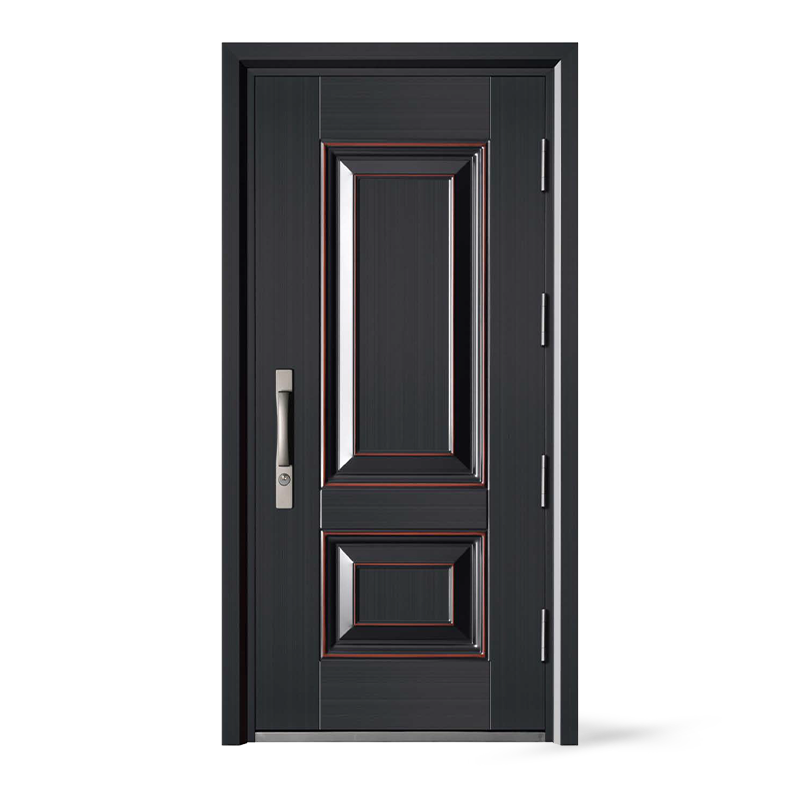
The copper color single opening UV resistant steel front door has a simple and elegant appearance design, a unique copper surface texture, and excellent decorative properties. It adopts advanced steel...
See Details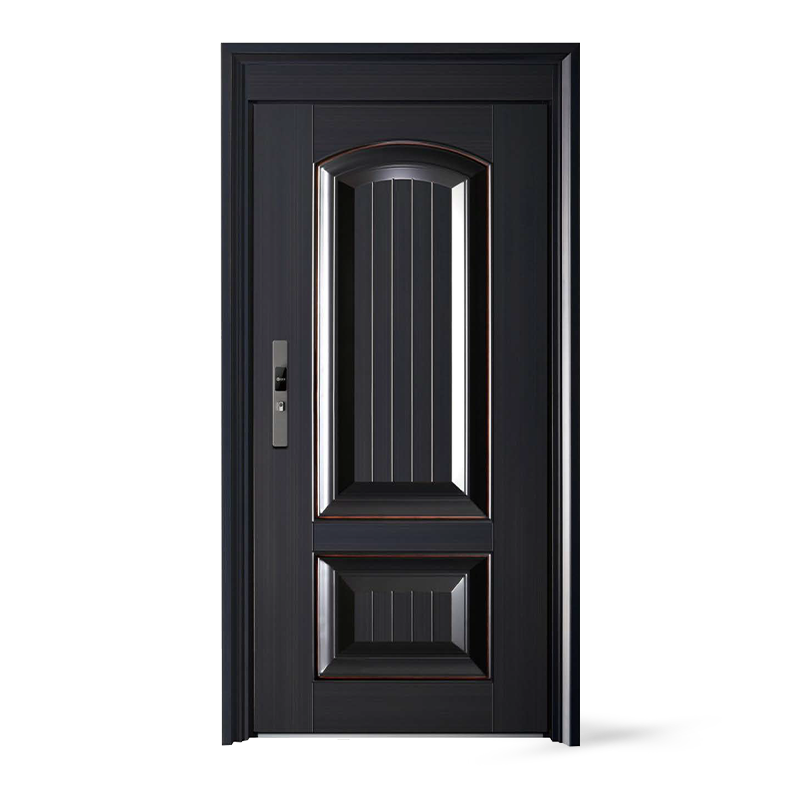
Metal steel single door security home main door is a high-quality door product designed for home security. It is made of high-quality steel, combined with modern technology and innovative design, perf...
See Details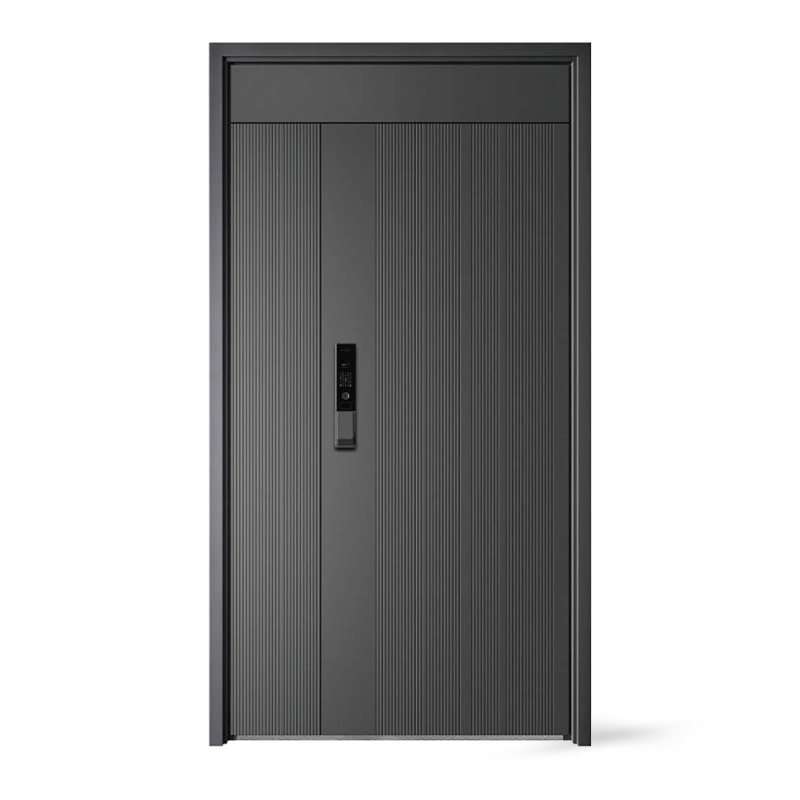
This double-layer steel fireproof and insulated front door is mainly composed of inner and outer double-layer steel plates, fireproof filling core material, inner frame reinforcement layer, heat insul...
See Details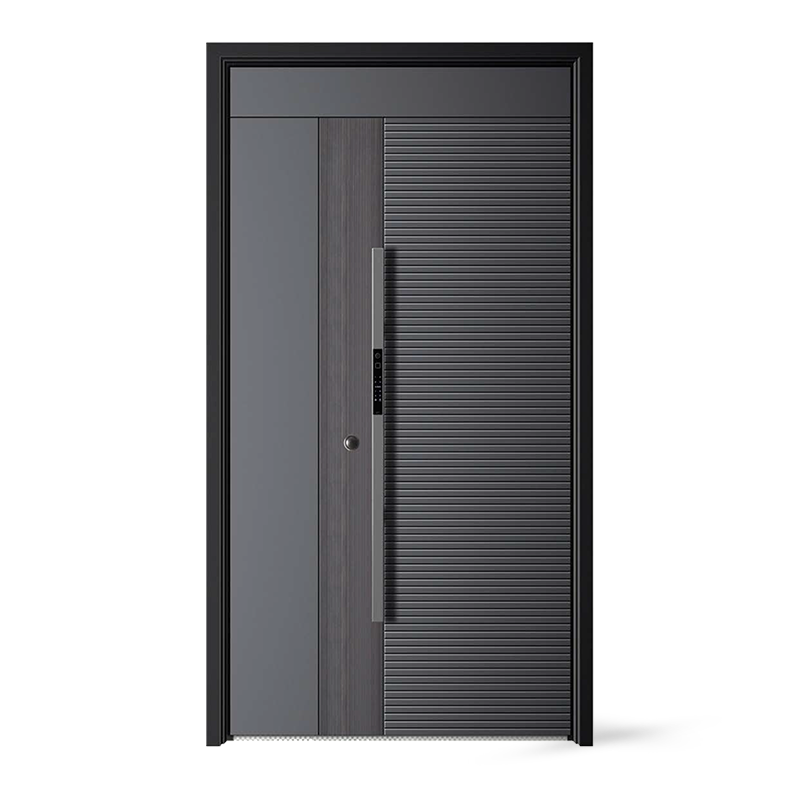
Grey design glass inset metal exterior steel front door is made of high-quality cold-rolled steel, which is precisely processed and treated to have extremely high strength and rigidity, and can effect...
See Details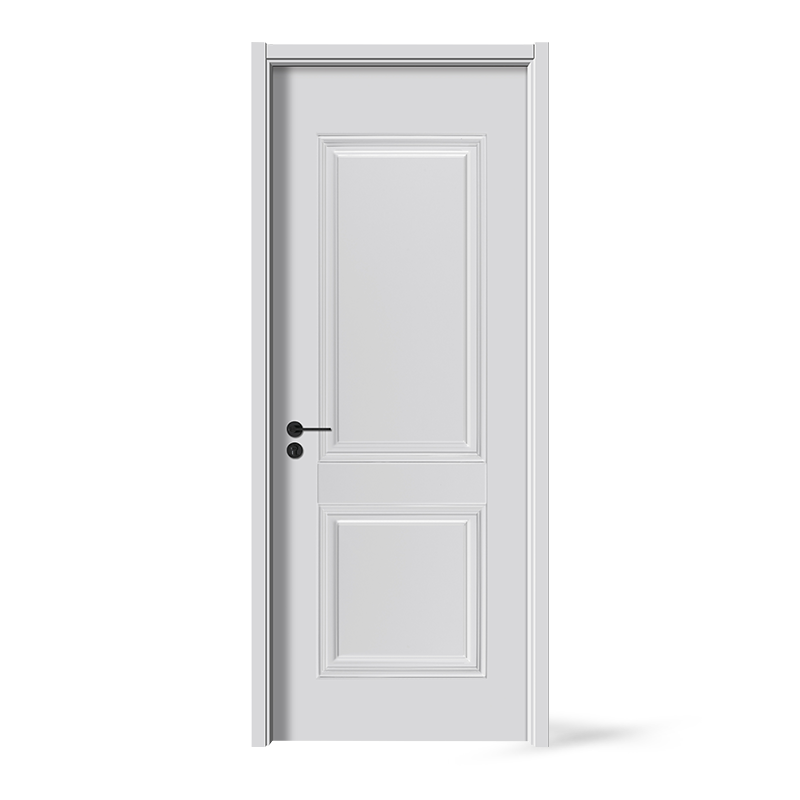
The core structure of PVC white painted teak board solid wood door is natural solid wood door core, and composite solid wood with good structural stability is selected as the basic skeleton. The solid...
See Details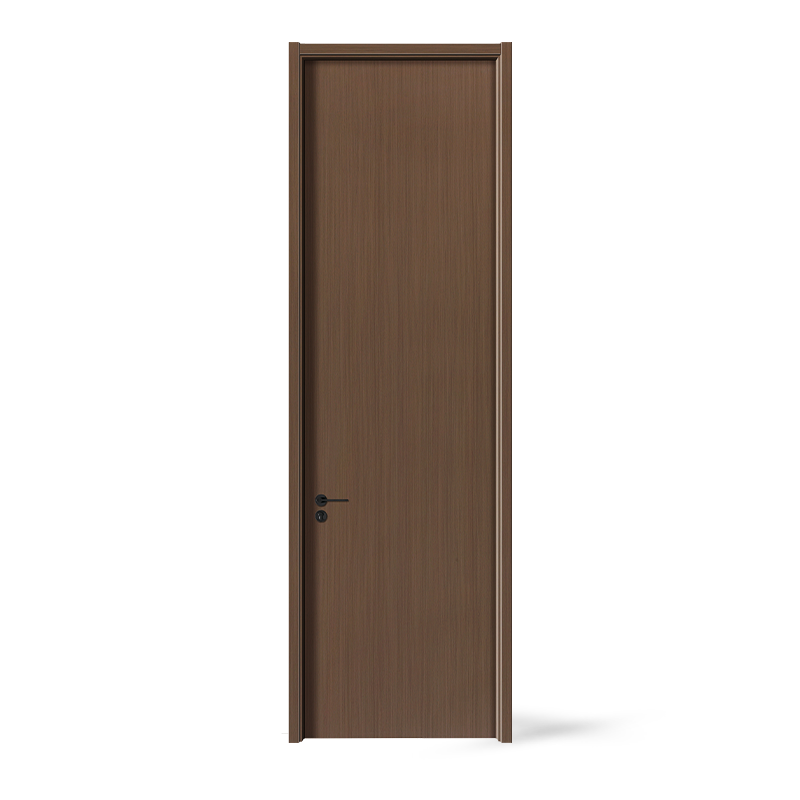
Black walnut veneer PVC interior solid wood door adopts multi-layer composite structure design. The core skeleton is generally composed of high-strength solid wood finger-jointed boards and fir integr...
See Details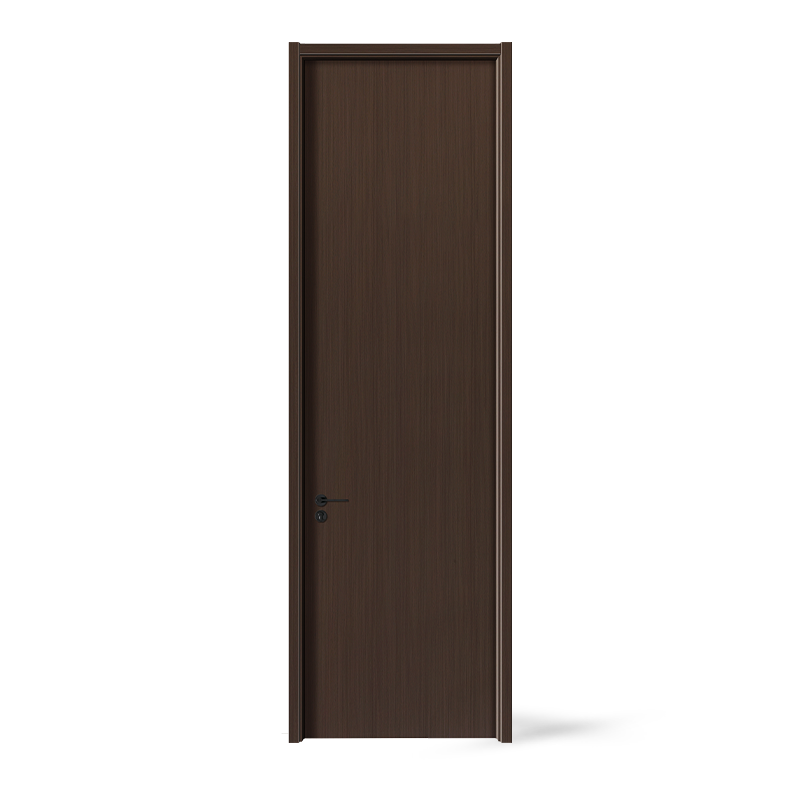
Indoor PVC wooden swing door is a high-quality door product that combines modern home design and practicality. It is widely used in various indoor spaces such as homes and offices. It uses PVC wood gr...
See Details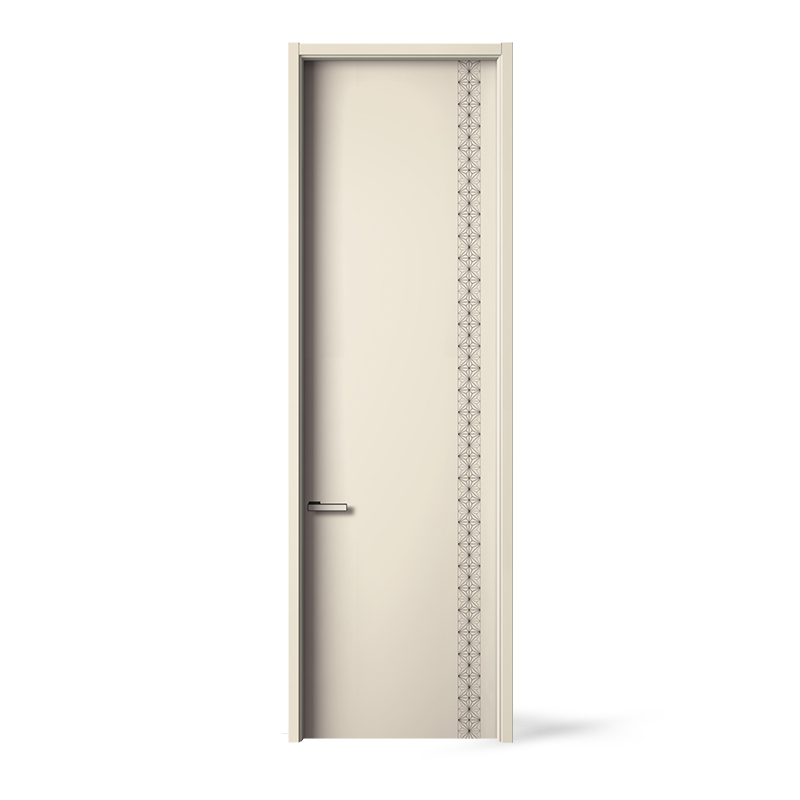
The core material of Xingyue White Waterproof Home Melamine Door uses strictly screened high-strength multi-layer solid wood boards as the base material. These base materials are made of high-quality ...
See Details1. Enhanced Durability and Weather Resistance of PVC Wood Doors PVC Wood Doors exhibit significantly enhanced durability and weather resistance when c...
READ MOREPVC Wood Doors' Innovative Materials: A Combination of Environmental Protection and Durability With the continuous evolution of modern home furnishing...
READ MOREIntroduction to Composite Wood Doors Composite wood doors have become a widely considered choice for homeowners and designers seeking alternatives to ...
READ MOREIn the world of home renovation and construction, the choice of doors is a critical decision that balances aesthetics, durability, and cost. While tra...
READ MORECopyright © Zhejiang Mingxuan Smart Home Co., Ltd. All Rights Reserved.