English
 中文简体
中文简体 Español
 عربى
عربى
Product Consultation
Your email address will not be published. Required fields are marked *

 EN
EN

Content
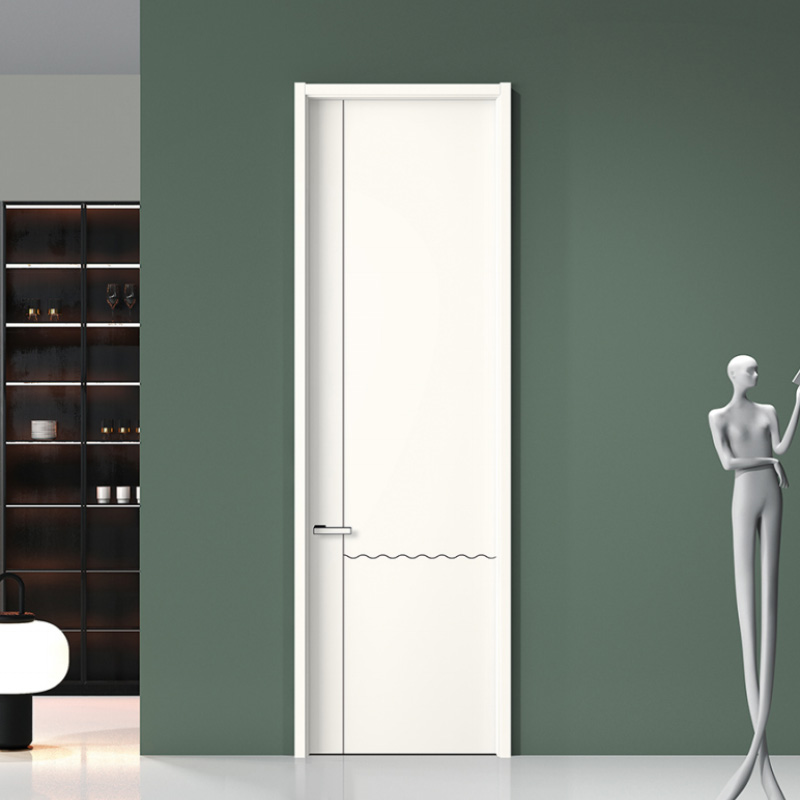
A melamine wood door is a door whose surface is covered with a melamine‑impregnated decorative paper, bonded under high heat and pressure. The core can be solid wood, finger‑jointed wood, medium density fiberboard (MDF), or particleboard, depending on the quality and price point. The melamine layer provides a tough, smooth, and uniform finish that resists scratches, heat, and moisture far better than painted or veneered surfaces. Because the decorative paper is fused directly onto the substrate, there is no risk of peeling or delamination like with low‑pressure laminates. Melamine doors are widely used in residential interiors, hotels, offices, and healthcare facilities.
Everyday life subjects doors to constant contact – children, pets, vacuum cleaners, moving furniture. Painted wood doors quickly show nicks and scuffs, requiring repainting. Wood veneer doors can be scratched through to the underlying core. Melamine doors are rated on the abrasion resistance scale (AC grade). Most interior melamine doors meet AC3 or AC4 standards, which withstand heavy residential and light commercial use. A melamine surface resists scratches from keys, toys, and bumping with shopping bags. When a mark does appear, it is often easily wiped away, rather than leaving a permanent gouge.
In high‑humidity areas like bathrooms and kitchens, solid wood doors can swell, warp, or develop mold on the surface. Painted doors may blister. Melamine wood doors, especially those with a moisture‑resistant MDF core, are far more stable. The non‑porous melamine layer acts as a barrier, preventing water vapor from penetrating into the core. This makes them an excellent choice for laundry rooms, mudrooms, and even coastal homes where humidity is high. To maximize moisture resistance, choose doors with sealed edges (edging tape or PVC edge banding) to prevent water ingress through the cut sides.
Melamine surfaces are printed with high‑definition rotogravure or digital techniques. The range includes realistic woodgrain patterns (oak, walnut, cherry, ash, teak), solid colors (white, gray, black, navy, beige), and even abstract or stone designs. Many melamine doors also feature a synchronized embossed texture that replicates the feel of real wood grain or linen. This means you can achieve the look of a premium natural wood door at a fraction of the cost, with far less maintenance. For contemporary spaces, matte white or soft gray melamine doors create a clean, minimalist statement.
Melamine's non‑porous surface does not harbor bacteria, mold, or allergens. It can be cleaned simply with a damp cloth and mild detergent, without worrying about damaging the finish. This makes melamine wood doors a favorite in healthcare facilities, schools, and food preparation areas. In the home, you can wipe away fingerprints, cooking spatters, and crayon marks effortlessly. No waxing, no polishing, no repainting – just routine wiping.
| Parameter | Typical Description |
|---|---|
| Core material | MDF (most common), particleboard, or solid finger‑jointed wood |
| Door thickness | 35 mm (1‑3/8″) standard; 40‑45 mm (1‑5/8″ to 1‑3/4″) for premium |
| Melamine thickness | 0.5 mm to 1.2 mm (high‑pressure laminate is thicker) |
| Abrasion rating | AC3 (heavy residential) to AC4 (light commercial) |
| Moisture resistance | Good (sealed edges essential for wet areas) |
| Finish options | Matte, textured, high‑gloss, or wood grain embossed |
| Color / pattern range | Over 200 standard options; custom printing available |
| Edge treatment | PVC or ABS edging (color‑matched or contrast) |
| Fire rating | Available in fire‑retardant grades (e.g., FD30, FD60) upon request |
Lightweight and economical, hollow core doors have a cardboard honeycomb or egg‑crate core inside a perimeter frame. They are easy to hang and ideal for closets, pantries, or low‑traffic rooms where sound insulation is not critical. The melamine facing provides the same attractive finish as solid doors. However, they feel lighter and transmit more sound.
These doors have a dense, continuous core of MDF or high‑density particleboard, making them heavier, more sound‑resistant, and more durable. They resist dents and handle heavy use well. Solid core melamine doors are recommended for bedrooms, bathrooms (with proper edge sealing), and home offices. They also accept hinges and locks more securely than hollow cores.
Flush doors have a completely flat surface, offering a modern, minimalist look. Paneled doors are made by routing or assembling separate components to create raised or recessed panels; the melamine layer is applied after shaping. Paneled melamine doors mimic traditional wooden doors but with the easy‑care melamine surface.
For commercial buildings or multi‑family housing, fire‑rated melamine doors (typically FD30 or FD60) are available. They incorporate a fire‑resistant core (mineral board or treated particleboard) and intumescent seals. The melamine facing adds a decorative finish without compromising fire performance.
For bedroom, study, or living room doors where privacy and sound reduction matter, choose a solid core melamine door. For closets, utility rooms, or secondary bedrooms, a hollow core door can save money while still looking attractive. For bathrooms or kitchens, always pick a door with a moisture‑resistant MDF core and fully sealed edges – some manufacturers offer special “bathroom grade” melamine doors.
Woodgrain melamine (oak, walnut, etc.) suits traditional, farmhouse, or rustic interiors. Solid white or matte gray melamine works for contemporary, Scandinavian, or minimalist styles. High‑gloss melamine doors (often in white or black) create a sleek, modern look for living rooms or office spaces. Textured finishes, such as linen or canvas embossed, add visual and tactile interest.
Standard melamine doors have color‑matched edging tape (PVC or ABS) that covers the raw core edge. For a more upscale appearance, specify thicker edging (2mm) or even a contrasting color (e.g., white door with black edging). Well‑applied edging also improves moisture resistance by sealing the sides.
Melamine doors work with standard hinges, handles, and locks. For solid core doors, pre‑drilling for locksets is straightforward. For hollow core doors, reinforcing blocks are provided where hinges and locks go. Always inform your door supplier of the hardware type so the door can be properly prepared.
Installing a melamine door is similar to installing any pre‑hung door unit. However, extra care is needed to avoid chipping the melamine surface. Use sharp woodworking tools (fine‑tooth saw blades, drill bits designed for laminates) and apply masking tape along cut lines to reduce chipping. When mortising for hinges, a router with a sharp bit is preferable to chisels, which can crack the melamine. Always pre‑drill screw holes, and use a countersink to avoid mushrooming the surface. After installation, touch up any exposed core edges with matching paint or edge sealer to prevent moisture ingress.
Melamine doors are famously low‑maintenance. For routine cleaning, wipe with a soft, damp cloth and a few drops of mild dish soap. For fingerprint or grease marks, a standard household cleaner (non‑abrasive, no bleach) works well. Avoid scouring pads, steel wool, or any abrasive cleaner – they will scratch the melamine surface. Also avoid solvent‑based cleaners (acetone, nail polish remover) that may degrade the resin. If scratches do occur, shallow scratches can sometimes be buffed with a melamine repair paste or a wax filler stick. Deep scratches are more visible, but replacement of a single door is often simpler than refinishing.
Quality melamine doors are manufactured using E0 or E1 grade substrate, meaning very low formaldehyde emissions. The melamine resin itself is stable and does not off‑gas significantly after production. For eco‑conscious buyers, look for certifications such as CARB Phase 2 or FSC for the wood core. Melamine doors are also durable, reducing the frequency of replacement compared to painted wood doors. At end of life, the substrate (MDF or particleboard) can often be recycled, though the melamine coating may need to be separated. Some manufacturers offer take‑back programs.
Myth 1: Melamine looks cheap or plasticky – modern high‑definition printing and textured finishes allow melamine to convincingly replicate wood, stone, or painted surfaces. Only upon close inspection can you tell the difference. Myth 2: Melamine doors cannot be repaired – small chips can be filled with colored wax or melamine repair sticks. For larger damage, a professional can replace the melamine sheet. Myth 3: Melamine is not suitable for wet areas – when fully edge‑sealed and with a moisture‑resistant core, melamine doors perform excellently in bathrooms. Myth 4: Melamine doors sound hollow – solid core melamine doors have similar acoustic properties to solid wood.

A Comprehensive Guide to Types, Benefits, and Maintenance
PVC Wood Door: Why It Is the Ultimate Waterproof and Low‑Maintenance Choice for Modern Homes
Your email address will not be published. Required fields are marked *
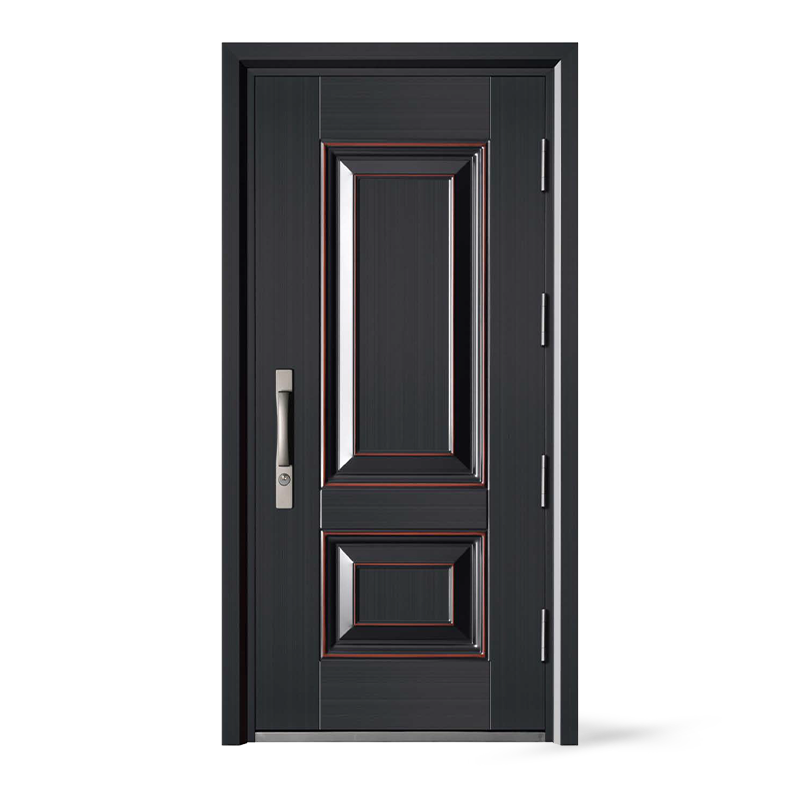
The copper color single opening UV resistant steel front door has a simple and elegant appearance design, a unique copper surface texture, and excellent decorative properties. It adopts advanced steel...
See Details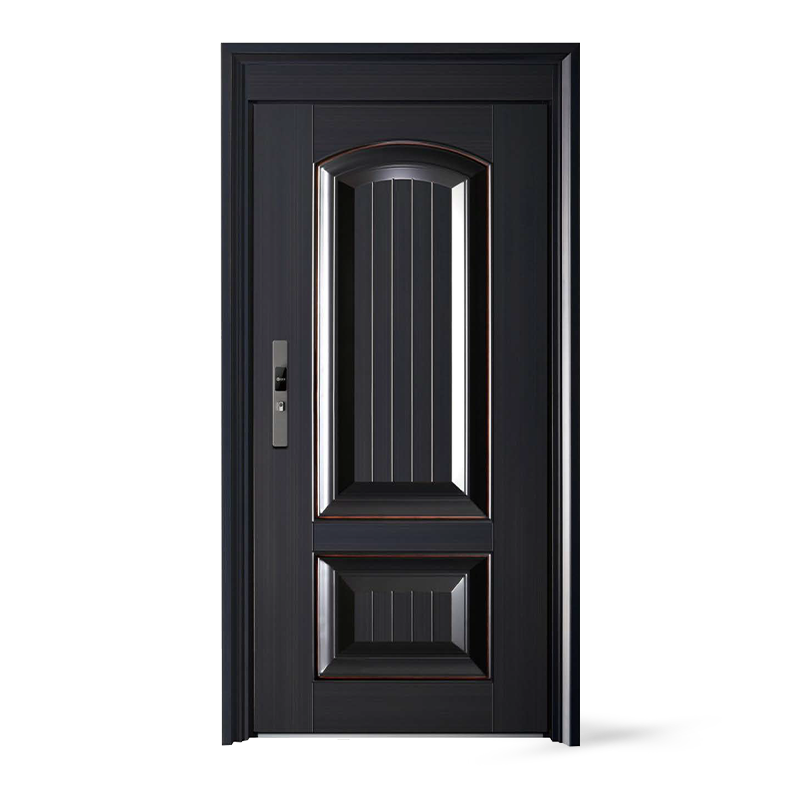
Metal steel single door security home main door is a high-quality door product designed for home security. It is made of high-quality steel, combined with modern technology and innovative design, perf...
See Details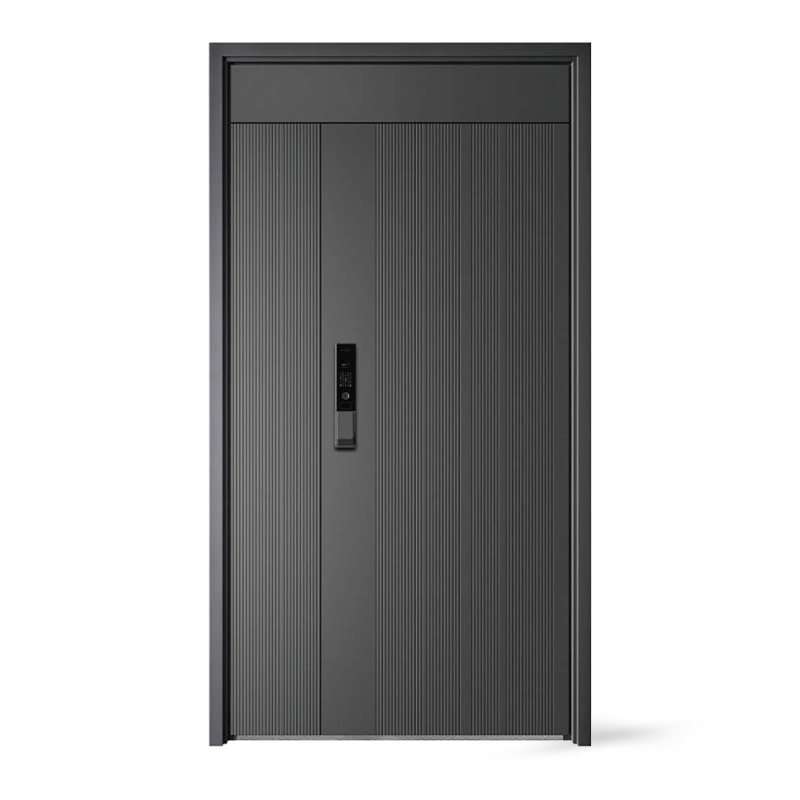
This double-layer steel fireproof and insulated front door is mainly composed of inner and outer double-layer steel plates, fireproof filling core material, inner frame reinforcement layer, heat insul...
See Details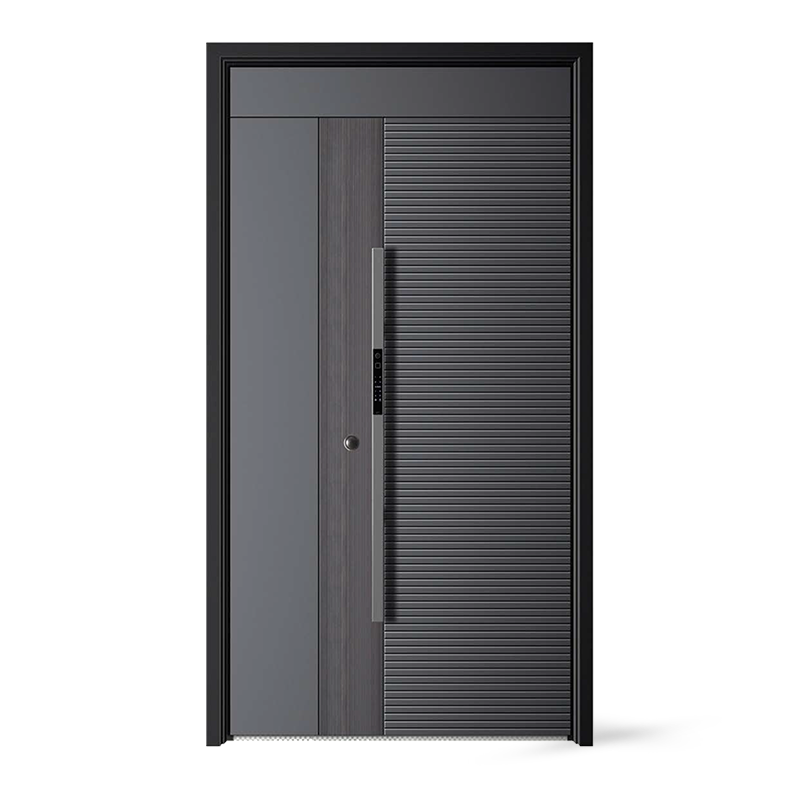
Grey design glass inset metal exterior steel front door is made of high-quality cold-rolled steel, which is precisely processed and treated to have extremely high strength and rigidity, and can effect...
See Details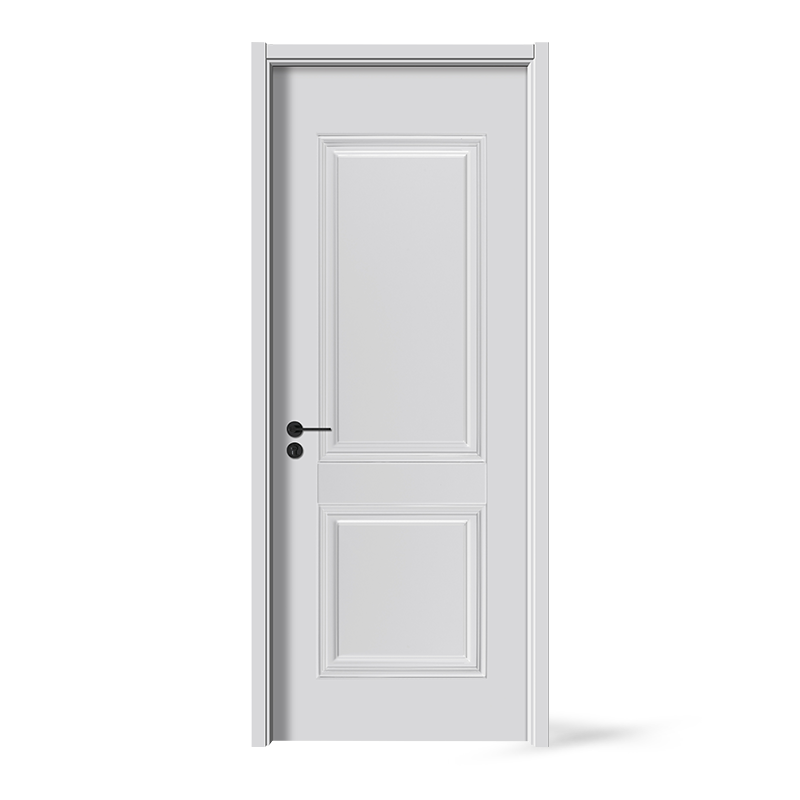
The core structure of PVC white painted teak board solid wood door is natural solid wood door core, and composite solid wood with good structural stability is selected as the basic skeleton. The solid...
See Details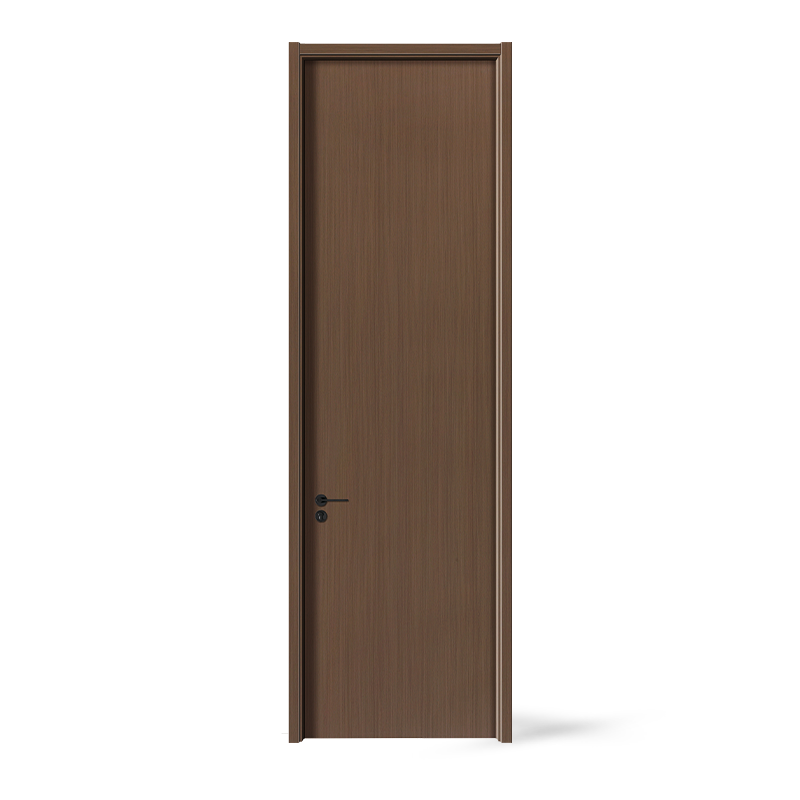
Black walnut veneer PVC interior solid wood door adopts multi-layer composite structure design. The core skeleton is generally composed of high-strength solid wood finger-jointed boards and fir integr...
See Details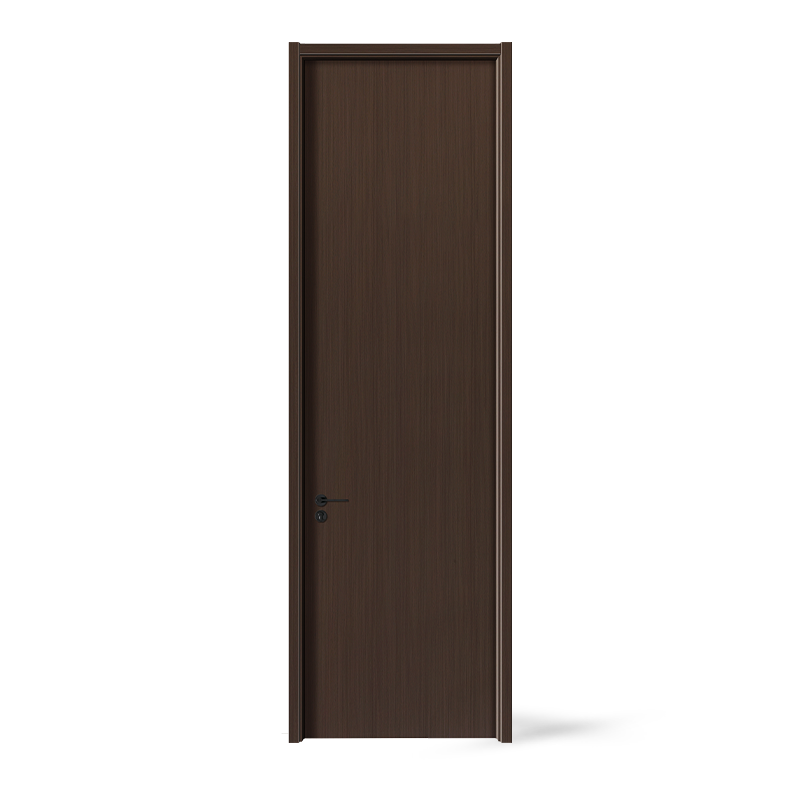
Indoor PVC wooden swing door is a high-quality door product that combines modern home design and practicality. It is widely used in various indoor spaces such as homes and offices. It uses PVC wood gr...
See Details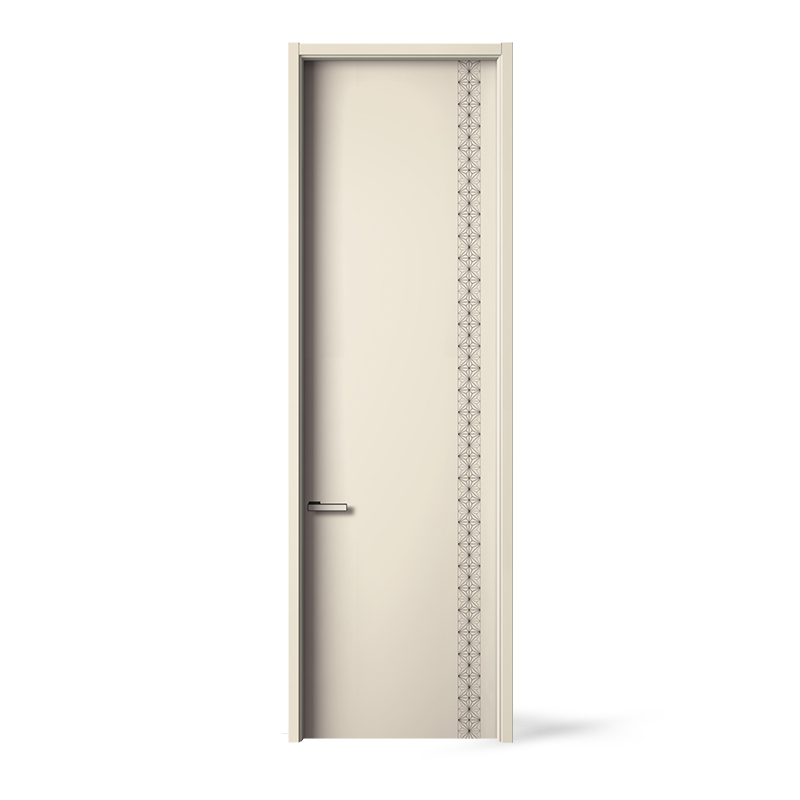
The core material of Xingyue White Waterproof Home Melamine Door uses strictly screened high-strength multi-layer solid wood boards as the base material. These base materials are made of high-quality ...
See Details1. Enhanced Durability and Weather Resistance of PVC Wood Doors PVC Wood Doors exhibit significantly enhanced durability and weather resistance when c...
READ MOREPVC Wood Doors' Innovative Materials: A Combination of Environmental Protection and Durability With the continuous evolution of modern home furnishing...
READ MOREIntroduction to Composite Wood Doors Composite wood doors have become a widely considered choice for homeowners and designers seeking alternatives to ...
READ MOREIn the world of home renovation and construction, the choice of doors is a critical decision that balances aesthetics, durability, and cost. While tra...
READ MORECopyright © Zhejiang Mingxuan Smart Home Co., Ltd. All Rights Reserved.