English
 中文简体
中文简体 Español
 عربى
عربى
Product Consultation
Your email address will not be published. Required fields are marked *

 EN
EN

Content
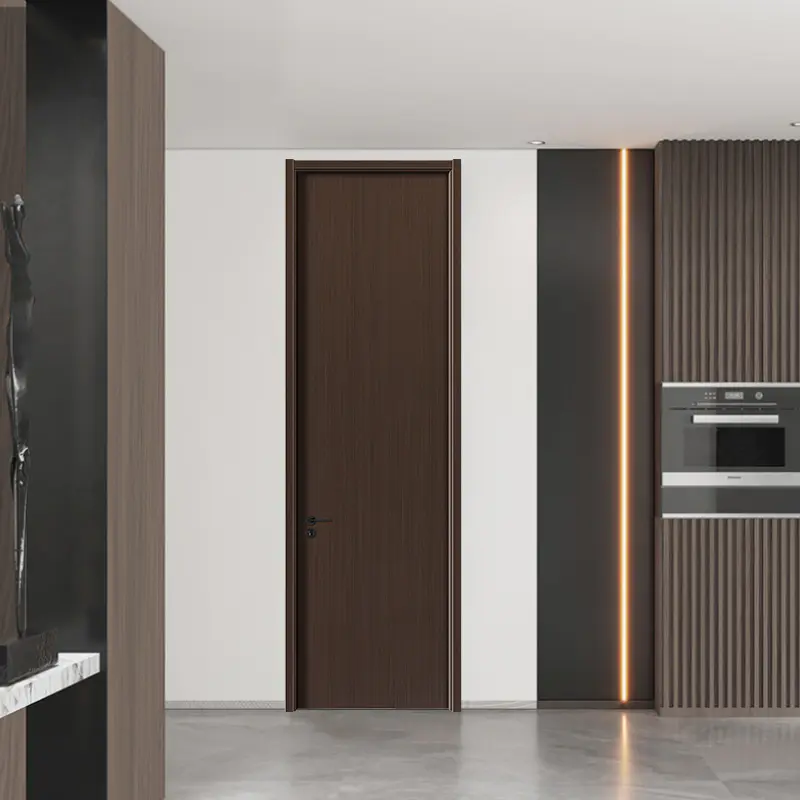
Selecting the right interior and exterior doors is a major decision for homeowners, architects, and builders alike. The chosen doors must provide a balance of beauty, durability, sound isolation, and thermal efficiency. While traditional solid timber has historically been the standard, composite wood doors have emerged as a dominant solution in modern construction. These innovative doors are engineered to overcome the inherent weaknesses of natural lumber while maintaining the authentic look and feel of real wood. Understanding why composite wood doors are taking over the residential and commercial markets requires a deep look into their structure, practical benefits, design versatility, and long term value.
To appreciate the value of composite wood doors, it is essential to look beneath the surface at how these engineered wood doors are actually manufactured. Unlike a single slab of natural timber, which is cut directly from a tree log, a composite door is a highly sophisticated assembly of multiple wood-derived materials. These components are bonded together under immense heat and pressure using advanced polymer resins to create a unified, remarkably stable structure.
The core of a composite wood door typically determines its weight, sound reduction capabilities, and overall structural integrity. Manufacturers use several types of core materials depending on the intended application of the door. One of the most common core designs is medium density fiberboard, commonly known as MDF, which is made from fine wood fibers combined with wax and resin. Another popular option is particleboard, which utilizes larger wood chips and shavings to create a dense interior. For high performance areas, manufacturers often utilize laminated veneer lumber, which consists of multiple thin layers of wood assembled with waterproof adhesives. This cross laminated structure distributes internal stresses evenly, preventing the door from warping or twisting over time.
Surrounding this dense core is the outer frame, often referred to as the stile and rail system. In quality engineered wood doors, these stiles and rails are crafted from engineered timber or solid wood sections covered with a protective layer. This frame provides the necessary stiffness and holds the hinges and locksets securely in place. The entire assembly is then covered with face panels. These faces can be made of smooth MDF, high density fiberboard, or natural wood veneers. By combining these different layers, composite wood doors achieve a level of uniform density and structural balance that natural wood simply cannot replicate.
When deciding between composite wood doors vs solid wood, buyers must weigh the differences in physical behavior, maintenance needs, and overall performance. Traditional solid wood doors are beautiful and prestigious, but they are also highly sensitive to environmental fluctuations. Natural timber contains microscopic pores that absorb and release moisture as the relative humidity of a room changes. This continuous exchange of moisture causes solid wood to expand, contract, warp, and crack, which can lead to doors sticking in their frames or failing to latch properly.
In contrast, composite wood doors are engineered to be highly stable in fluctuating environments. Because the internal wood fibers and veneers are arranged in alternating directions and bonded with moisture resistant adhesives, the physical movement of the material is minimized. This makes composite doors an excellent choice for areas with high humidity or temperature shifts, such as bathrooms, kitchens, and transition zones between heated indoor spaces and unheated garages.
Another crucial factor is cost effectiveness without sacrificing quality. Producing solid wood doors requires large, flawless pieces of timber, which are increasingly rare and expensive. The manufacturing process for engineered wood doors is far more sustainable and resource efficient. It utilizes wood byproducts and smaller timber sections, reducing waste and lowering production costs. Consequently, homeowners can purchase high quality solid core composite doors at a fraction of the cost of premium solid hardwood doors, allowing them to allocate their budget to other critical areas of their building project.
|
Performance Attribute |
Traditional Solid Wood Doors |
Engineered Composite Wood Doors |
|---|---|---|
|
Resistance to Warping |
Susceptible to twisting and bowing due to humidity changes |
High dimensional stability with minimal expansion or contraction |
|
Core Density |
Variable depending on wood species and natural knots |
Highly uniform density across the entire surface |
|
Sound Isolation |
Moderate to high depending on thickness and wood species |
Consistently high sound dampening due to dense engineered cores |
|
Surface Uniformity |
Features natural imperfections, knots, and grain variations |
Perfectly smooth or consistently grained for flawless finishing |
|
Price Point |
Premium investment with higher material and installation costs |
Cost effective with outstanding long term value |
The internal density of solid core composite doors provides several functional benefits that directly improve the comfort, privacy, and safety of a home. These performance characteristics are not merely aesthetic; they actively contribute to the daily living experience within a residential property.
Privacy within a home is heavily dependent on acoustic control. Lightweight hollow core doors, which are common in budget friendly construction, do little to block noise, allowing conversations, television audio, and household footsteps to travel easily between rooms. Solid core composite doors excel in this area due to their high density and lack of internal air pockets.
The heavy core material acts as a barrier that absorbs and reflects sound waves, preventing them from passing through the door assembly. This makes composite interior doors highly desirable for bedrooms, home offices, nurseries, and laundry rooms. When installed with proper perimeter seals, these doors can block a significant percentage of airborne noise, creating a peaceful and quiet indoor environment where family members can work, sleep, or study without distraction.
Energy conservation is a major priority in modern architectural design. While windows and exterior walls receive most of the attention when discussing thermal insulation, interior and transition doors also play a vital role. Composite wood doors provide excellent thermal resistance because the dense wood fibers and resin binders natural slow down the transfer of heat.
By installing durable wood composite doors at key transition points, such as the entrance to a basement, a utility room, or a drafty hallway, homeowners can better regulate the temperature of individual living zones. This zoning capability reduces the workload on heating and cooling systems, leading to lower energy utility bills and a more consistent indoor climate throughout the year.
The structural stability of composite wood doors is perhaps their greatest engineering achievement. Natural wood grain runs in a single direction, which means the wood is strong along the grain but prone to splitting and bending across the grain. When exposed to heat from a home heating system on one side and cool, moist air on the other side, a natural wood door will inevitably warp.
Composite wood doors utilize cross grain engineering, where the layers of wood fibers are oriented in opposing directions. When one layer attempts to expand due to moisture, the adjacent layer restricts that movement. This continuous internal counterbalancing ensures that the door remains flat and true over decades of use. Doors that do not warp require fewer adjustments over time, ensuring that latching mechanisms, deadbolts, and weatherstripping continue to align perfectly.
Beyond their structural and functional benefits, composite wood doors are highly favored by interior designers because they offer endless aesthetic possibilities. Whether a home features a rustic farmhouse design, a sleek mid century modern style, or a highly contemporary minimalist aesthetic, there is a composite door configuration that perfectly matches the vision.
For homeowners who love the warmth and natural beauty of authentic wood grain, composite doors can be finished with premium real wood veneers. These thin slices of high quality hardwoods, such as oak, walnut, cherry, or maple, are laminated onto the engineered core.
This technique provides the identical visual appeal and texture of a solid hardwood door, including the natural grain patterns and color depth, while retaining the superior stability and warp resistance of an engineered core. Once installed, these veneered composite doors can be stained and varnished just like solid timber, allowing them to integrate seamlessly with traditional wooden furniture, paneling, and flooring.
Modern interior design often calls for clean lines, bold colors, and flawless, smooth surfaces. Achieving a perfectly flat, paint finished look on solid wood is extremely difficult because the natural grain and knots eventually telegraph through the paint layers. Additionally, the constant movement of solid wood causes the paint film to crack at the joints.
Composite wood doors, particularly those featuring high density fiberboard or MDF faces, provide the ultimate canvas for painted finishes. Because these materials have no natural grain direction or knots, they can be sanded to an ultra smooth finish and painted in a controlled factory environment. Homeowners can choose from a vast palette of prefinished colors, ranging from classic bright white to deep charcoal or vibrant accent colors. The paint adhesive on composite materials is exceptionally durable, resisting chipping, peeling, and cracking even in high traffic areas.
The unique combination of durability, acoustic control, and design flexibility makes engineered timber doors suitable for a wide range of demanding environments. From quiet residential zones to high traffic commercial spaces, these doors perform reliably under various conditions.
In residential properties, bedrooms and bathrooms require doors that offer both high privacy and moisture resistance. Bathroom doors are constantly exposed to steam, high humidity, and splashing water, which can quickly ruin a solid wood door by causing the joints to separate and the wood to rot.
Using moisture resistant composite interior doors in bathrooms solves this issue entirely. The engineered core and protective outer coatings prevent moisture from penetrating the wood fibers, ensuring the door maintains its shape and structural integrity. In bedrooms, the solid core construction provides the sound isolation necessary for deep sleep, shielding occupants from kitchen noises, television sound, and early morning household activities.
Commercial buildings, such as hotels, corporate offices, schools, and healthcare facilities, present a completely different set of challenges for doors. In these environments, doors are subjected to continuous daily use, frequent impacts from carts and equipment, and strict building code requirements regarding fire safety and accessibility.
Solid core composite doors are highly favored in commercial design because they can be manufactured to meet specific performance standards. Many composite wood doors are available with certified fire ratings, meaning they can resist the passage of smoke and flames for designated periods, such as twenty, forty-five, or sixty minutes. Their robust construction also resists dents, scratches, and surface wear, reducing the need for frequent maintenance and replacement in busy corridors and offices.
To ensure that durable wood composite doors retain their beauty and functionality for decades, proper care and maintenance are required. Fortunately, composite doors are far easier to maintain than their solid wood counterparts, saving homeowners significant time and effort over the lifespan of the product.
Daily dust and airborne particles can accumulate on the surface of doors, particularly along the raised panels and decorative moldings. Regular dusting with a soft microfiber cloth or a static duster is the first step in keeping the doors looking fresh. This simple task prevents dust from settling into the finish and dulling the color over time.
For deeper cleaning, such as removing fingerprints, scuff marks, or grease from kitchen steam, a gentle cleaning solution is recommended. Homeowners should mix a few drops of mild dishwashing soap with warm water. A soft cloth should be dampened with this solution, wrung out thoroughly to avoid excess water, and used to gently wipe down the door surface. It is important to avoid abrasive scrubbing pads, harsh chemical cleaners, or bleach, as these substances can strip away the protective clear coat or damage the paint finish. Once cleaned, the door should be dried immediately with a clean, dry towel.
A door is a complete system consisting of the door slab, the frame, the hinges, the handle, and any sealing gaskets. Even the highest quality composite wood door will not perform correctly if the hardware is loose or poorly maintained. Twice a year, it is beneficial to conduct a quick inspection of the entire door system.
First, check the tightness of the screws holding the hinges to both the door and the frame. Over time, the constant swinging of a heavy solid core door can cause these screws to back out slightly, leading to a sagging door that rubs against the frame. Tightening these screws ensures smooth operation and even distribution of weight. Second, apply a small amount of silicone based lubricant to the hinge pins to prevent squeaking and reduce friction. Finally, inspect any acoustic or thermal weatherstripping along the frame. If the seals are cracked, compressed, or missing, they should be replaced promptly to maintain the sound blocking and insulating properties of the door assembly.
While prefinished painted composite doors rarely require touch ups, composite wood doors with natural wood veneers may eventually need to be refinished to restore their original luster. Exposure to direct sunlight from nearby windows can fade the wood stain over several years, while minor scratches from pets or moving furniture can mar the protective varnish.
Refinishing a veneered composite door requires a careful and methodical approach. Because the wood veneer layer is thin, aggressive sanding with power tools must be avoided, as it can easily cut through the veneer and expose the composite core underneath. Instead, hand sanding with a very fine grit sandpaper is the safest method to lightly scuff the existing clear coat. Once the surface is smooth and free of dust, a matching wood stain can be applied to restore the depth of color. After the stain has dried completely, applying two coats of a high quality polyurethane or acrylic clear coat will seal the wood, providing another decade of protection against moisture, light, and physical wear.
While engineered wood doors are far more resilient than solid timber, they are not completely indestructible. Preventing prolonged exposure to standing water or extreme heat sources is critical for longevity. For instance, when washing floors, care should be taken not to allow wet mops to rest against the bottom edge of the door or frame.
Additionally, ensuring that humidifier levels inside the home are balanced during the dry winter months and that air conditioning is used during humid summer months will create a stable environment where all wooden elements of the home can thrive. By following these straightforward maintenance practices, composite wood doors will continue to provide exceptional performance, beauty, and security for generations of inhabitants.
How Can a High Quality Steel Door Provide the Ultimate Balance of Security and Aesthetic Appeal for Your Property?
Is melamine good for doors?
Your email address will not be published. Required fields are marked *
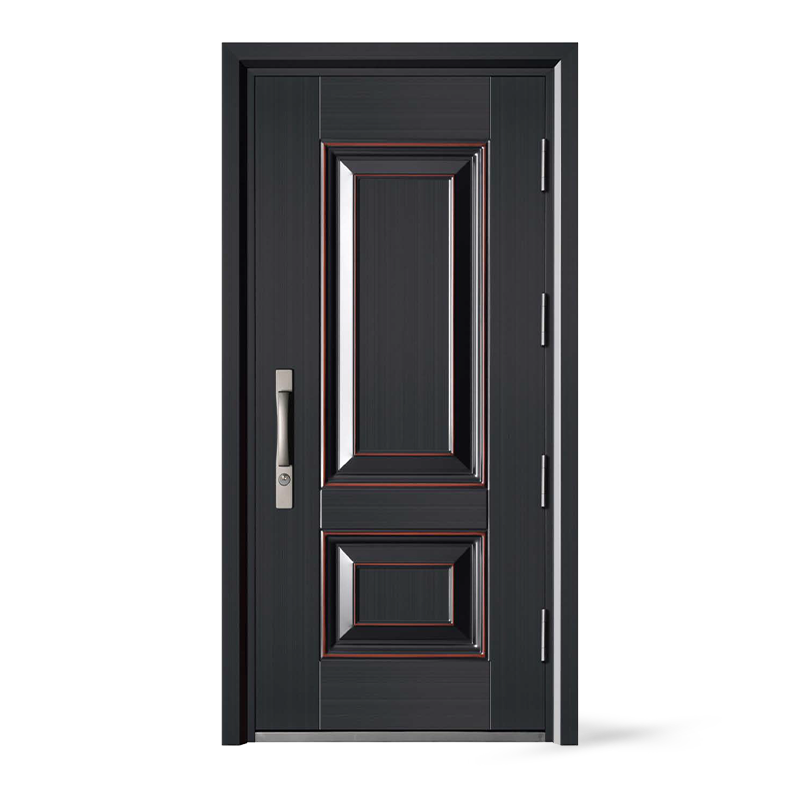
The copper color single opening UV resistant steel front door has a simple and elegant appearance design, a unique copper surface texture, and excellent decorative properties. It adopts advanced steel...
See Details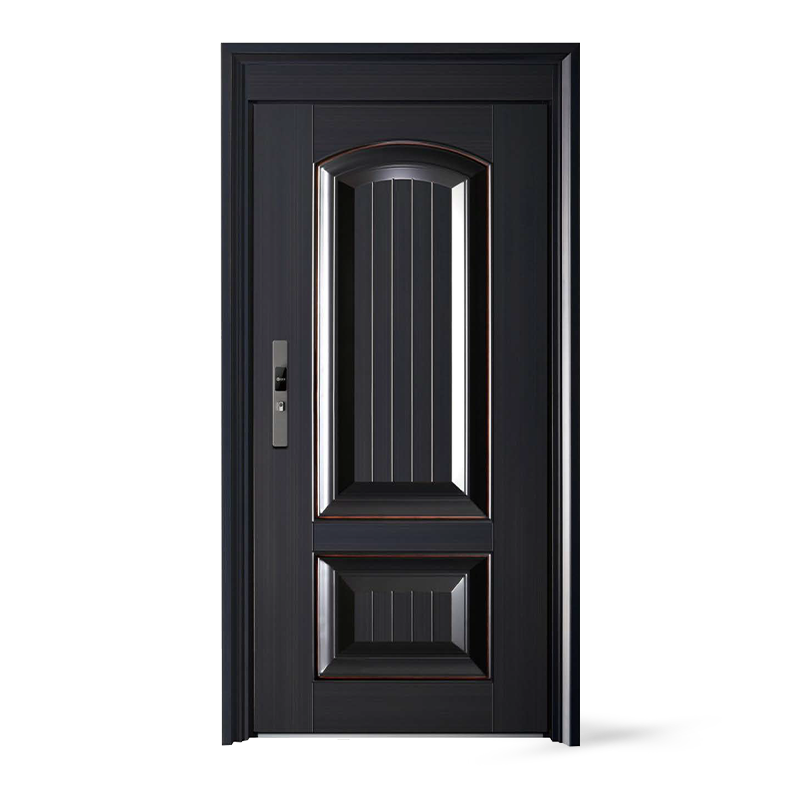
Metal steel single door security home main door is a high-quality door product designed for home security. It is made of high-quality steel, combined with modern technology and innovative design, perf...
See Details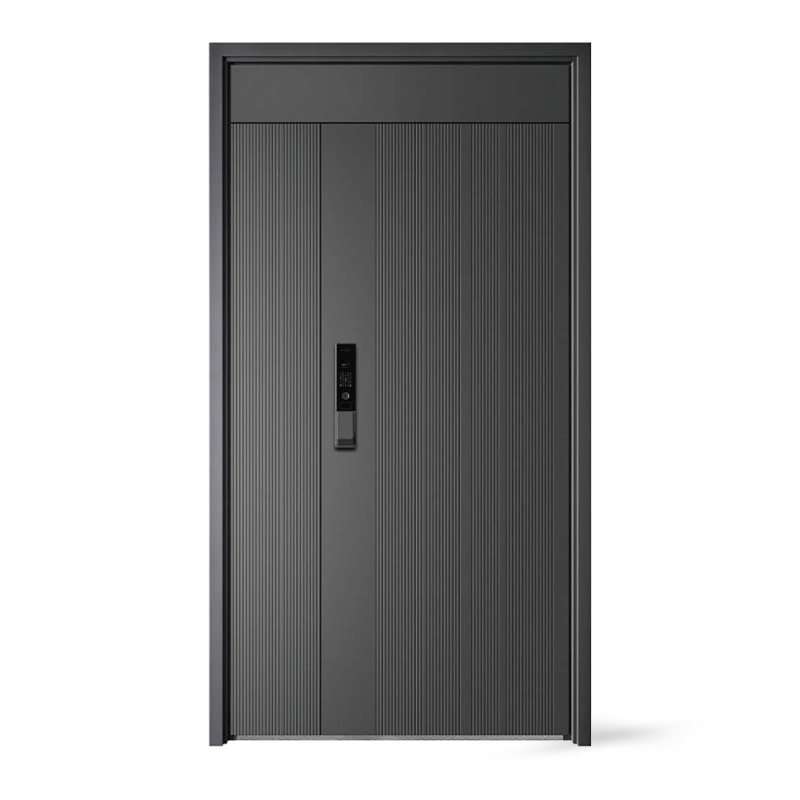
This double-layer steel fireproof and insulated front door is mainly composed of inner and outer double-layer steel plates, fireproof filling core material, inner frame reinforcement layer, heat insul...
See Details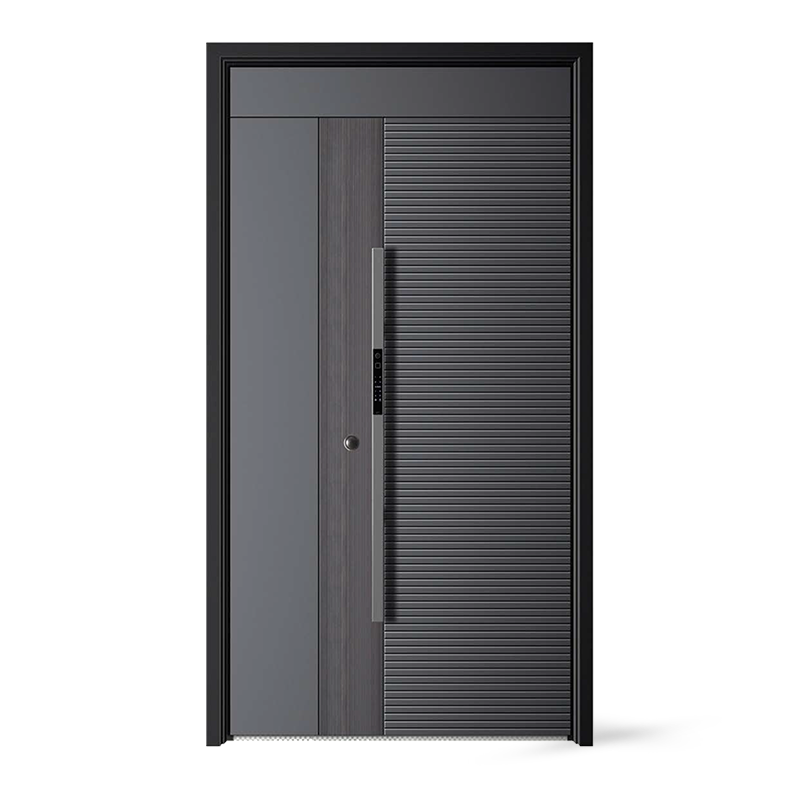
Grey design glass inset metal exterior steel front door is made of high-quality cold-rolled steel, which is precisely processed and treated to have extremely high strength and rigidity, and can effect...
See Details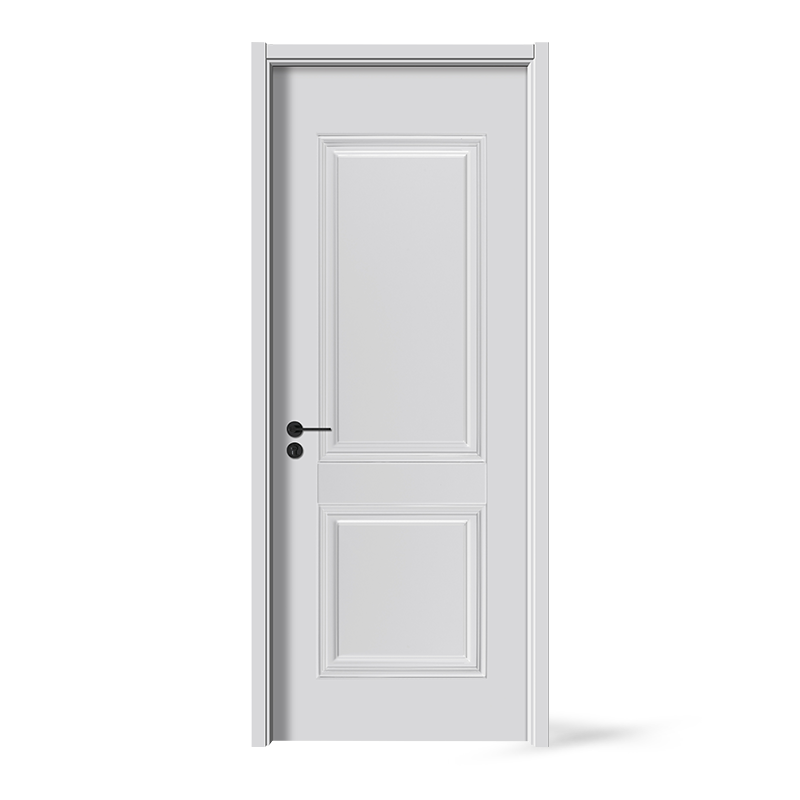
The core structure of PVC white painted teak board solid wood door is natural solid wood door core, and composite solid wood with good structural stability is selected as the basic skeleton. The solid...
See Details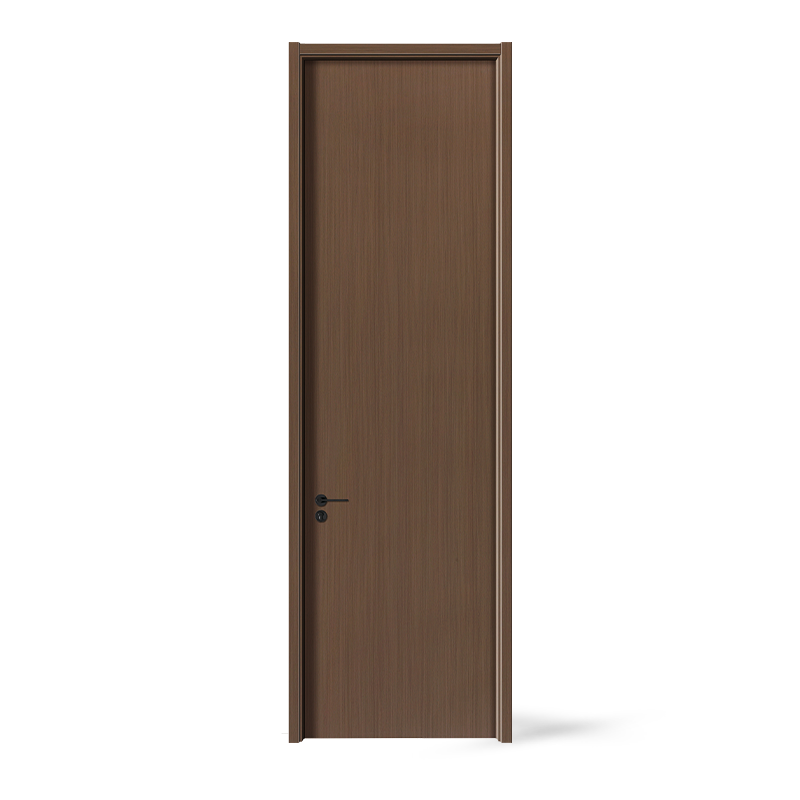
Black walnut veneer PVC interior solid wood door adopts multi-layer composite structure design. The core skeleton is generally composed of high-strength solid wood finger-jointed boards and fir integr...
See Details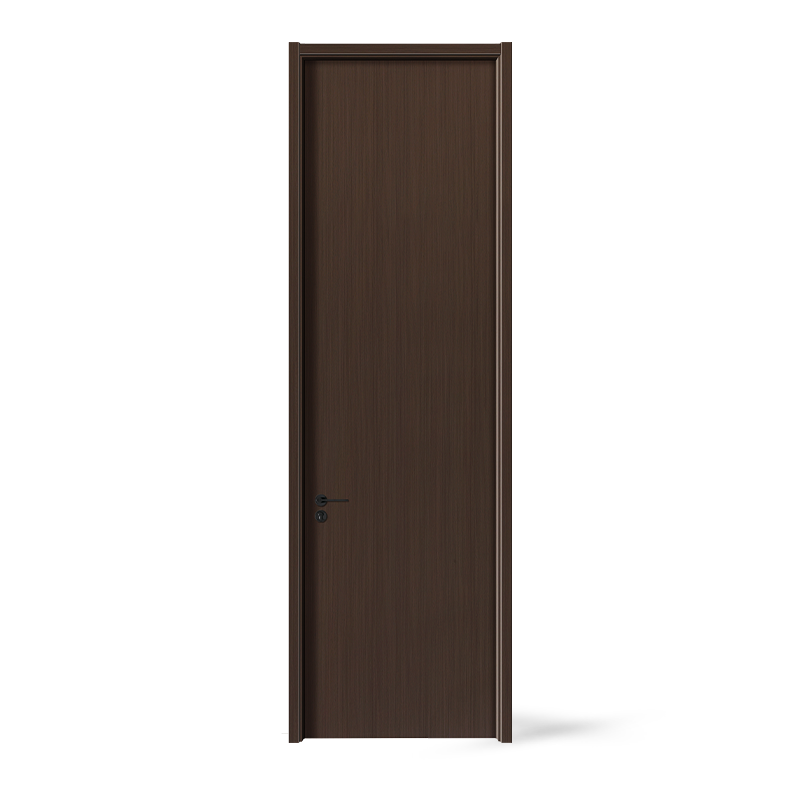
Indoor PVC wooden swing door is a high-quality door product that combines modern home design and practicality. It is widely used in various indoor spaces such as homes and offices. It uses PVC wood gr...
See Details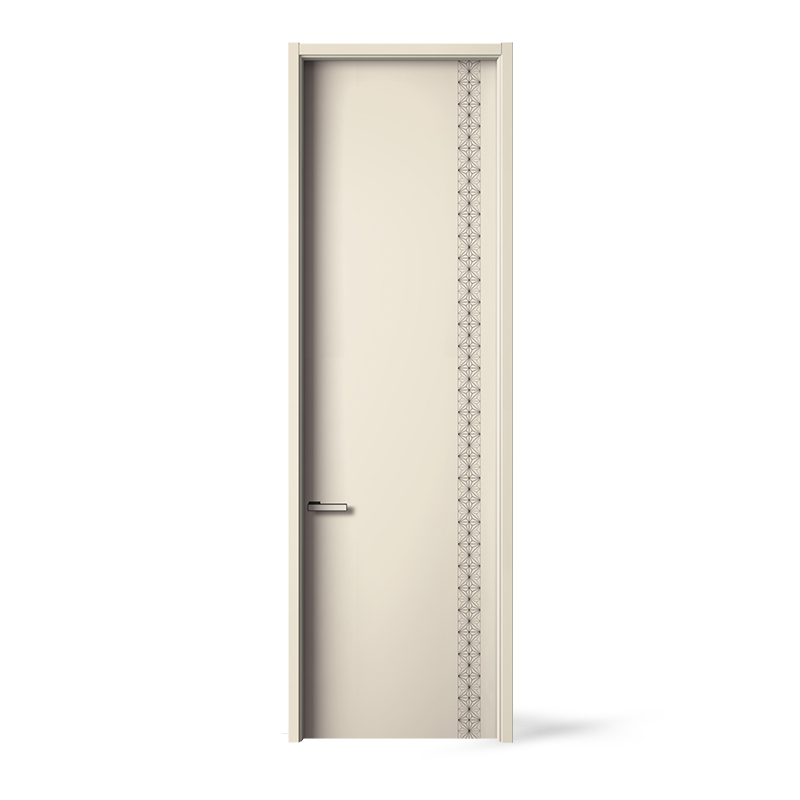
The core material of Xingyue White Waterproof Home Melamine Door uses strictly screened high-strength multi-layer solid wood boards as the base material. These base materials are made of high-quality ...
See Details1. Enhanced Durability and Weather Resistance of PVC Wood Doors PVC Wood Doors exhibit significantly enhanced durability and weather resistance when c...
READ MOREPVC Wood Doors' Innovative Materials: A Combination of Environmental Protection and Durability With the continuous evolution of modern home furnishing...
READ MOREIntroduction to Composite Wood Doors Composite wood doors have become a widely considered choice for homeowners and designers seeking alternatives to ...
READ MOREIn the world of home renovation and construction, the choice of doors is a critical decision that balances aesthetics, durability, and cost. While tra...
READ MORECopyright © Zhejiang Mingxuan Smart Home Co., Ltd. All Rights Reserved.