English
 中文简体
中文简体 Español
 عربى
عربى
Product Consultation
Your email address will not be published. Required fields are marked *

 EN
EN

Content
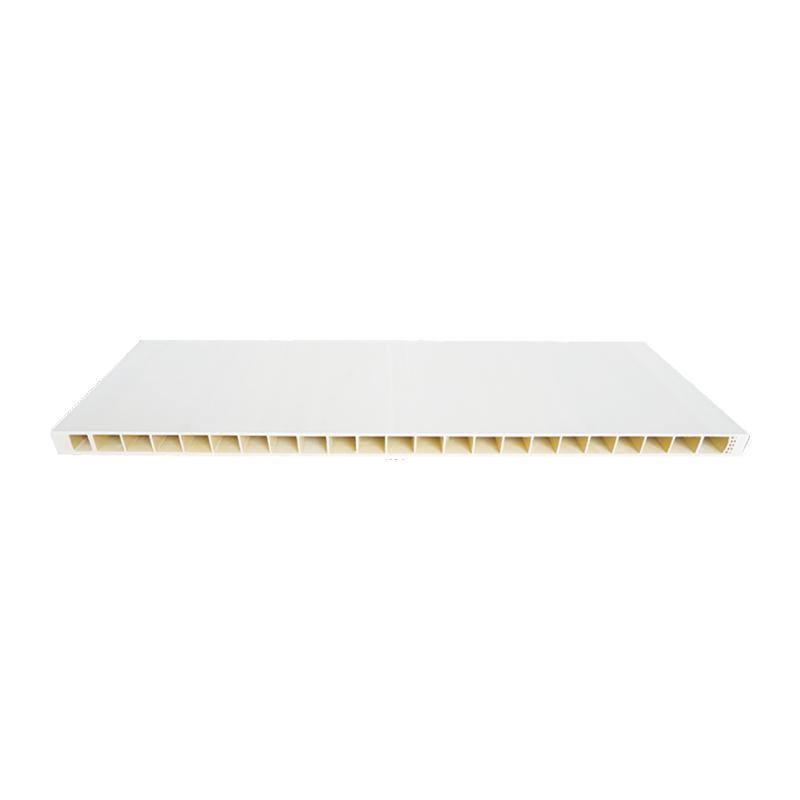
Wall panels have become one of the most popular interior and exterior finishing solutions in both residential and commercial construction, replacing painted plaster, tiled surfaces, and bare concrete as the preferred method for adding texture, warmth, acoustic control, and visual character to a space. The market offers a wide spectrum of panel materials, but two categories dominate the design conversation for good reason: wooden wall panels, which deliver the authentic warmth and organic beauty that no synthetic material fully replicates, and WPC (Wood Plastic Composite) wall panels, which combine a wood like visual and tactile quality with the dimensional stability, moisture resistance, and low maintenance that solid wood cannot provide in demanding environments.
The direct conclusion for anyone choosing between wooden wall panels and WPC wall panels is this: genuine wooden panels are the correct choice for dry interior environments where aesthetic authenticity and premium tactile quality are the priority, and where the humidity and temperature conditions are stable enough for wood to remain dimensionally stable over time. WPC panels are the correct choice for bathrooms, kitchens, outdoor cladding, high traffic commercial spaces, and any environment where moisture, temperature variation, or heavy use would cause solid wood to warp, stain, rot, or require frequent refinishing. Many projects use both: wooden panels for feature walls and living areas, WPC panels for utility and exterior spaces. This article covers both materials in depth and provides the practical framework for selecting correctly for any application.
Wall panels are prefabricated or manufactured sections of material designed to be fixed directly to a wall substrate, creating a finished decorative or functional surface that replaces or covers the underlying wall construction. They differ from traditional wall finishes such as plaster, paint, and wallpaper in several important ways: they are three dimensional, contributing depth and shadow patterns to the wall surface; they are modular and replaceable, allowing individual panels to be swapped out if damaged without disturbing the entire wall; they can incorporate functional properties such as acoustic absorption, thermal insulation, and moisture resistance that flat finishes cannot provide; and they are generally faster to install than wet plaster or tiled systems, reducing project completion time and on site disruption.
One of the functional advantages of wall panels that is frequently overlooked in aesthetic discussions is their contribution to room acoustics and thermal performance. A textured or profiled wall panel surface, whether wood or WPC, breaks up sound reflections that would otherwise create echo and reverberation in a hard walled space. Studies comparing rooms with flat plaster walls and equivalent rooms with profiled wooden wall panels have measured reverberation time reductions of 15 to 25 percent in the mid frequency range (500 to 2,000 Hz) relevant to speech intelligibility, without any additional acoustic treatment. This makes wooden and WPC wall panels a practical acoustic solution for offices, meeting rooms, restaurants, and living areas where speech clarity matters alongside appearance.
Thermally, the air gap between a battened wall panel installation and the underlying wall surface acts as an insulating layer, and wall panel systems installed over insulation boarding provide meaningful improvement to the thermal envelope of the building. In cold climates, this can reduce heating energy demand and eliminate condensation on the wall surface that would otherwise cause paint failure and mold growth on poorly insulated external walls.
Wooden wall panels have been used in interior architecture for centuries, from the oak panelling of Georgian country houses to the clean lined timber cladding of contemporary Scandinavian homes. Their enduring appeal is rooted in the unique visual and tactile qualities of natural wood: the grain patterns that vary from panel to panel, the warmth of tone that shifts with light conditions, the natural variation in color and figure that makes every installation genuinely one of a kind, and the sensory quality of a surface that feels warm to the touch and absorbs sound rather than reflecting it.
The species of wood used in wall panels determines not only their visual character but also their hardness, stability, and suitability for different environments. Common species used for wooden wall panels and their key characteristics include:
A significant proportion of wooden wall panels sold today are not solid wood throughout but engineered panels: a real wood veneer of 0.6 to 3 mm thickness bonded over a stable substrate such as MDF (medium density fiberboard), plywood, or HDF (high density fiberboard). Engineered wooden wall panels offer several practical advantages over solid wood panels:
Wooden and engineered wood wall panels perform optimally in dry interior environments with stable humidity between 40 and 60 percent relative humidity, where temperature variation is moderate and controlled. Living rooms, bedrooms, studies, offices, hotel lobbies, and restaurant dining areas are ideal environments. Environments that are unsuitable for unprotected wooden wall panels include bathrooms and wet rooms (where humidity regularly exceeds 80 percent), kitchens above cooking areas (where steam and condensation are constant), and any exterior or semi exterior application where rain exposure, UV radiation, and freeze thaw cycling would cause rapid deterioration of unprotected wood surfaces. In these environments, WPC panels are the materially correct alternative.
WPC wall panels are manufactured from a blend of wood fiber or wood flour (typically 50 to 70 percent by weight) and thermoplastic polymer (typically PVC, polyethylene, or polypropylene at 30 to 50 percent by weight), combined with processing aids, UV stabilizers, colorants, and sometimes foaming agents. The wood fiber component provides the composite with wood like density, surface texture, and the ability to be machined and shaped in similar ways to wood. The polymer component provides dimensional stability, moisture resistance, and the resistance to biological decay that makes WPC superior to wood in wet and outdoor environments.
The moisture resistance of WPC comes from the encapsulation of wood fiber within the polymer matrix. In a well formulated WPC, the polymer binder coats individual wood fiber particles and fills the spaces between them, preventing direct water contact with the wood fiber that would otherwise cause swelling, biological degradation, and the dimensional movement that makes solid wood unsuitable for wet environments. Quality WPC wall panels from reputable manufacturers demonstrate water absorption of less than 1 percent by weight after 24 hour immersion testing per ISO 62, compared to solid wood panels that typically absorb 5 to 15 percent of their weight in water under the same test conditions. This near elimination of water absorption is the foundation of WPC's suitability for bathrooms, outdoor cladding, and other environments that would deteriorate solid wood within a few years.
Outdoor WPC wall cladding panels are exposed to ultraviolet radiation that degrades polymers and causes color fading over time. Quality WPC formulations include UV stabilizer packages (typically hindered amine light stabilizers and UV absorbers) that significantly extend the period before visible color change occurs. Well formulated outdoor WPC panels with comprehensive UV stabilizer packages typically show color change of less than 3 units delta E on the CIELAB scale after 1,000 hours of accelerated weathering testing per ISO 4892, which corresponds to several years of outdoor exposure without significant visible color change. This performance is substantially better than untreated wood cladding, which typically shows significant graying and surface checking within the first 1 to 2 outdoor exposure seasons without regular maintenance.
WPC wall panels are produced with a range of surface profiles and textures that replicate natural wood appearances or offer contemporary geometric patterns:
The following table consolidates the key performance and practical characteristics of wooden and WPC wall panels across the dimensions that matter most for specification and purchasing decisions.
| Factor | Wooden Wall Panels | WPC Wall Panels |
|---|---|---|
| Moisture resistance | Poor to moderate depending on finish and species | Excellent: less than 1 percent water absorption |
| Outdoor suitability | Limited: requires regular treatment and maintenance | Excellent: designed for exterior use |
| Aesthetic authenticity | Excellent: genuine grain, unique character per panel | Good: embossed grain convincing at normal viewing distance |
| Dimensional stability | Moderate: moves with humidity changes | Excellent: minimal movement across humidity range |
| Maintenance requirement | Moderate: periodic oiling, staining, or painting | Low: wipe clean; no periodic finishing required |
| Relative cost | Medium to high depending on species and form | Medium: competitive with mid range timber panels |
| Ideal environments | Dry interiors: living rooms, offices, bedrooms | Wet rooms, kitchens, exteriors, high traffic commercial |
| Sustainability profile | Good with FSC certification; biodegradable | Mixed: uses recycled wood fiber but polymer is not biodegradable |
Both wooden and WPC wall panels are installed using broadly similar methods, but the dimensional characteristics of each material create different requirements for fixing systems and substrate preparation that affect the finished quality and longevity of the installation.
The most common installation method for both wooden and WPC wall panels is the batten and concealed clip system. Horizontal or vertical timber or aluminum battens are fixed to the wall at regular centers (typically 400 to 600 mm), providing a level and plumb mounting surface that bridges any unevenness in the underlying wall. Panels are then fixed to the battens using concealed stainless steel clips that engage with a groove or rebate on the panel edge, holding the panel securely while allowing it to expand and contract slightly at each fixing point without buckling or joint opening visible at the surface. The gap between the back of the panel and the wall surface created by the batten system also provides a ventilation cavity that is particularly important for wooden panels, allowing moisture to equalize through the back of the panel and preventing condensation from accumulating at the panel to wall interface.
In interior applications, lightweight WPC panels can be fixed directly to smooth, flat wall surfaces using construction adhesive, eliminating the batten system and reducing installation depth. This method is suitable for WPC panels in bathrooms and kitchens where the wall surface is flat and even and the panel weight is within the adhesive's capacity. It is not recommended for wooden panels because the adhesive bond prevents the normal dimensional movement of wood with humidity changes, which would otherwise cause the panels to buckle or the adhesive bond to fail as the wood expands and contracts seasonally.
Wooden wall panels require acclimatization before installation: the panels should be stored in the installation environment for a minimum of 48 to 72 hours before fixing, allowing them to reach equilibrium moisture content with the room conditions. Expansion gaps of 3 to 5 mm at panel ends and 10 to 15 mm at wall perimeters accommodate the seasonal movement of wood without causing buckling at joints. WPC panels have much lower thermal and moisture related movement coefficients than solid wood, but still require expansion gaps at ends and perimeters, typically 5 to 8 mm, to accommodate thermal linear expansion in outdoor applications where summer to winter temperature ranges can cause length changes of 3 to 5 mm per linear meter of panel in darker colors that absorb more solar radiation.
Wall panels are most effective as a design element when their material, scale, and orientation are deliberately chosen to reinforce the character and function of the space they inhabit. The following guidance covers the most common application contexts for both wooden and WPC wall panels.
The choice between wooden and WPC wall panels ultimately comes down to matching material capability to environmental and aesthetic demands. Where the environment is controlled and the priority is sensory authenticity, genuine wood delivers an experience that WPC cannot fully replicate despite its technical advantages. Where the environment is demanding and long term performance without maintenance is the priority, WPC delivers results that wood cannot sustain without significant ongoing investment. Understanding where each material leads and where it follows is the starting point for any wall panel specification that will perform well and look right over the full life of the building it finishes.
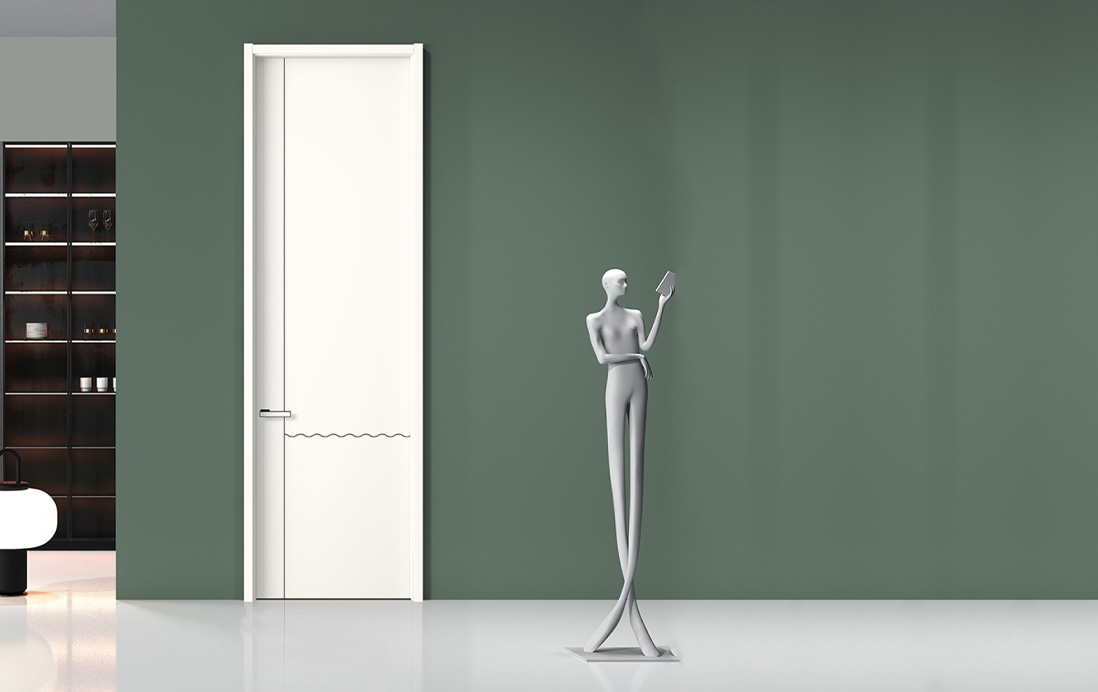
Explore the Future of Composite, PVC, and Melamine Wood Doors
Composite Wood Doors: PVC vs Melamine — Which Should You Choose?
Your email address will not be published. Required fields are marked *
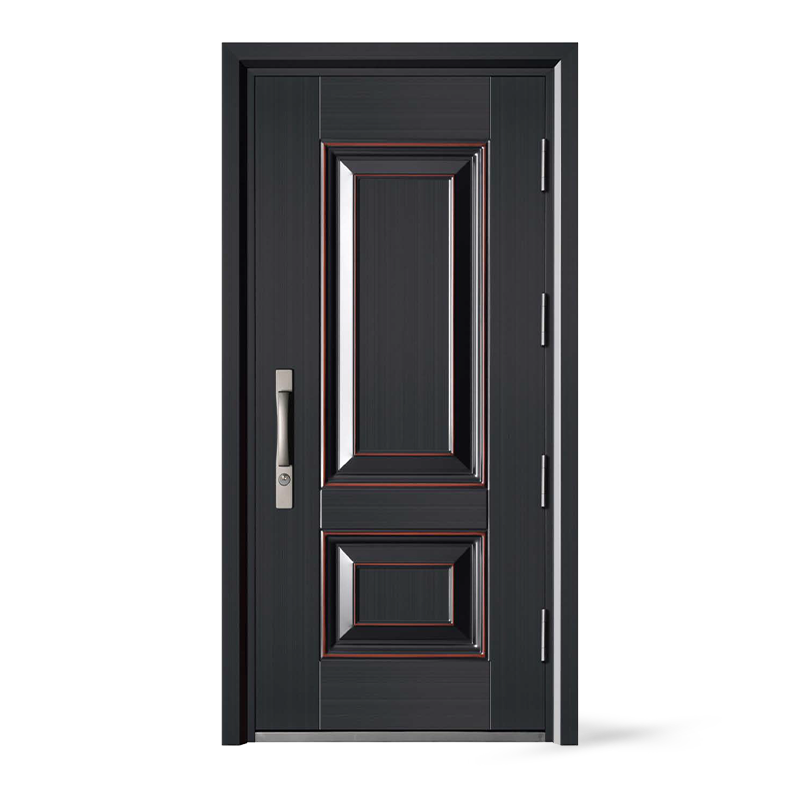
The copper color single opening UV resistant steel front door has a simple and elegant appearance design, a unique copper surface texture, and excellent decorative properties. It adopts advanced steel...
See Details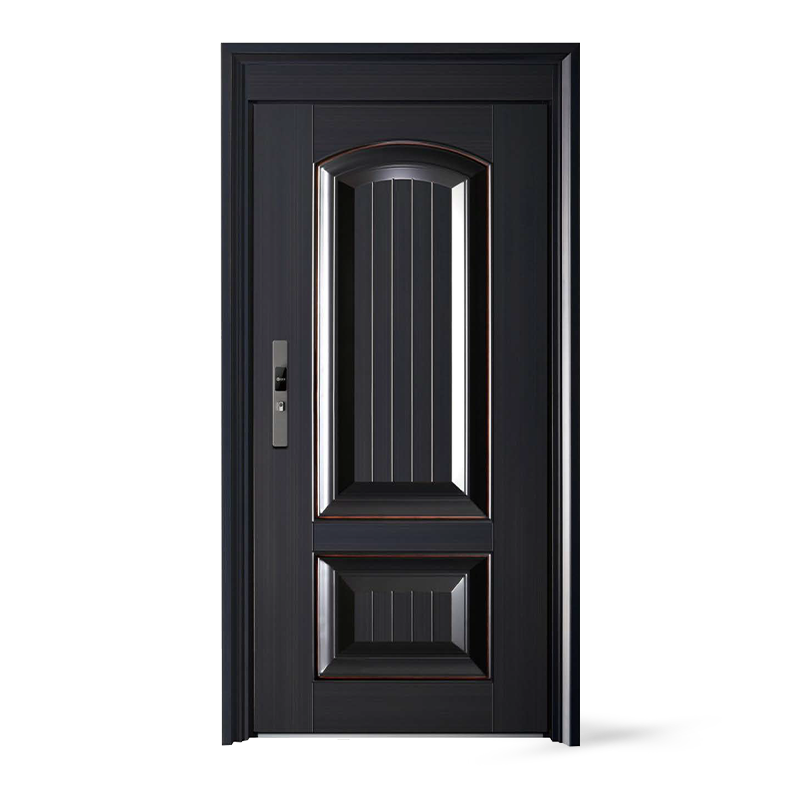
Metal steel single door security home main door is a high-quality door product designed for home security. It is made of high-quality steel, combined with modern technology and innovative design, perf...
See Details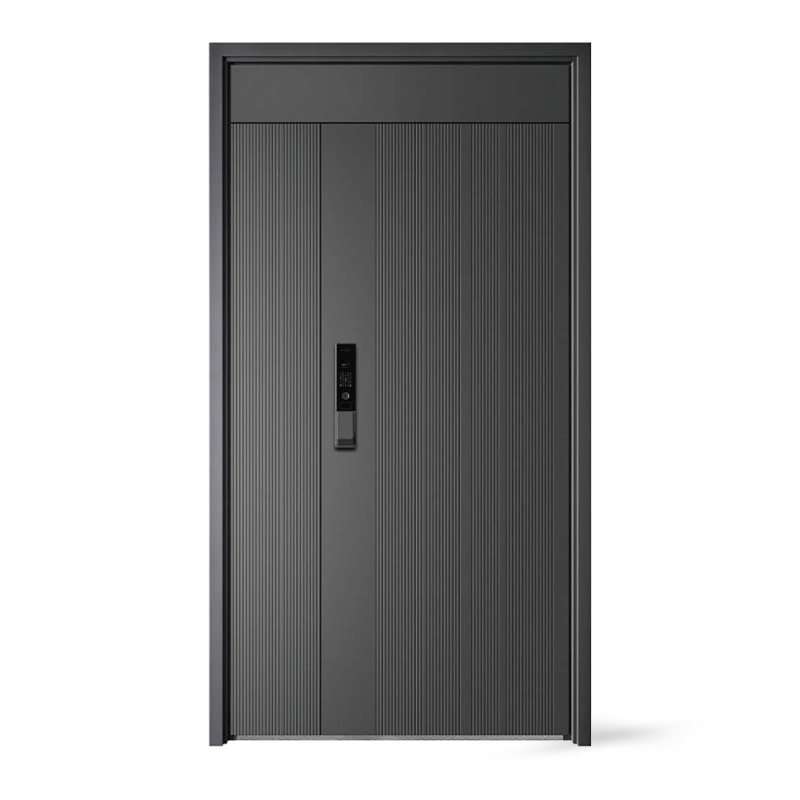
This double-layer steel fireproof and insulated front door is mainly composed of inner and outer double-layer steel plates, fireproof filling core material, inner frame reinforcement layer, heat insul...
See Details
Grey design glass inset metal exterior steel front door is made of high-quality cold-rolled steel, which is precisely processed and treated to have extremely high strength and rigidity, and can effect...
See Details
The core structure of PVC white painted teak board solid wood door is natural solid wood door core, and composite solid wood with good structural stability is selected as the basic skeleton. The solid...
See Details
Black walnut veneer PVC interior solid wood door adopts multi-layer composite structure design. The core skeleton is generally composed of high-strength solid wood finger-jointed boards and fir integr...
See Details
Indoor PVC wooden swing door is a high-quality door product that combines modern home design and practicality. It is widely used in various indoor spaces such as homes and offices. It uses PVC wood gr...
See Details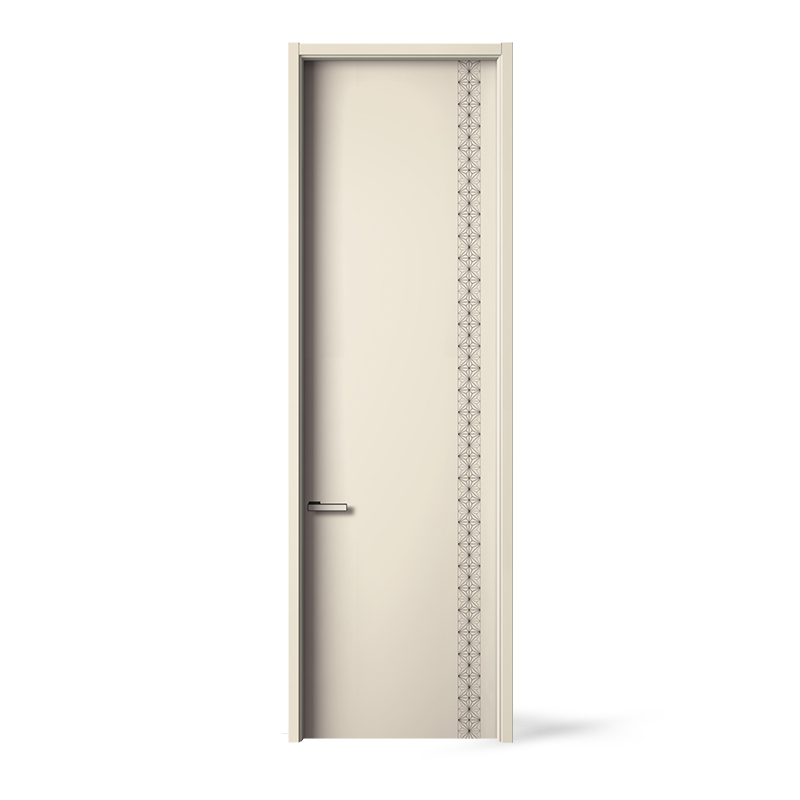
The core material of Xingyue White Waterproof Home Melamine Door uses strictly screened high-strength multi-layer solid wood boards as the base material. These base materials are made of high-quality ...
See Details1. Enhanced Durability and Weather Resistance of PVC Wood Doors PVC Wood Doors exhibit significantly enhanced durability and weather resistance when c...
READ MOREPVC Wood Doors' Innovative Materials: A Combination of Environmental Protection and Durability With the continuous evolution of modern home furnishing...
READ MOREIntroduction to Composite Wood Doors Composite wood doors have become a widely considered choice for homeowners and designers seeking alternatives to ...
READ MOREIn the world of home renovation and construction, the choice of doors is a critical decision that balances aesthetics, durability, and cost. While tra...
READ MORECopyright © Zhejiang Mingxuan Smart Home Co., Ltd. All Rights Reserved.