English
 中文简体
中文简体 Español
 عربى
عربى
Product Consultation
Your email address will not be published. Required fields are marked *

 EN
EN

Content
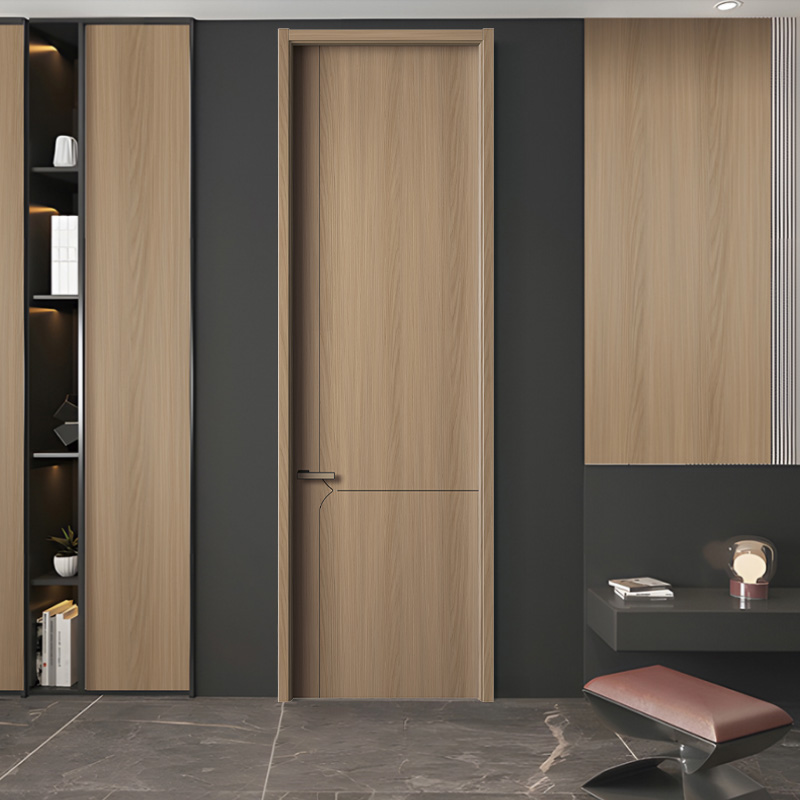
Composite wood doors have become the dominant interior door category in residential and commercial construction across global markets, replacing solid timber doors in most standard applications because they deliver comparable appearance at substantially lower cost, greater dimensional stability, and more predictable performance over the lifetime of the building. Within the composite wood door category, two surface finish types account for the large majority of production and sales: PVC wood doors, where a polyvinyl chloride film is bonded to the door surface to provide the visible finish, and melamine wood doors, where a melamine impregnated decorative paper is fused to the substrate under heat and pressure. The distinction between these two surface treatments has significant practical implications for durability, moisture performance, repairability, and appropriate application contexts.
The direct answer for anyone choosing between PVC wood doors and melamine wood doors is this: PVC wood doors are the better choice in areas with high humidity, frequent cleaning requirements, or exposure to moisture, because the PVC film provides a completely impermeable surface barrier that resists water penetration, swelling, and the edge delamination that is the most common failure mode of melamine doors in wet environments. Melamine wood doors are the better choice where surface appearance quality is the priority, where the installation is in a dry interior environment, and where cost efficiency in a broad range of colors and wood grain patterns matters more than the superior moisture resistance of PVC. This article covers the construction, performance characteristics, and selection framework for both door types in full practical depth.
A composite wood door is a door manufactured from engineered wood products rather than from solid natural timber. The core of a composite door is typically a hollow core (a grid of cardboard or wood honeycomb), a solid particle board core, an MDF (medium density fiberboard) core, or a combination of materials that provides structural rigidity, the appropriate weight, and adequate screw holding strength for hinges and latches. The core is faced on both surfaces with a sheet material (typically HDF, MDF, or thin plywood) and then the entire assembly is covered with the surface treatment that gives the door its visible appearance, its surface hardness, and its moisture resistance characteristics.
The core specification of a composite wood door determines its weight, its acoustic performance, and the ease with which hinges and hardware can be securely fixed:
PVC wood doors apply a thermoformed or calendered polyvinyl chloride film to the surface of the door blank, typically using a membrane pressing or profile wrapping process that bonds the film intimately to the substrate surface including any moulded profiles, panel reveals, and shaped elements. The PVC film thickness in quality commercial production is typically 0.3 to 0.6 mm, and modern printing and embossing technologies can reproduce wood grain textures and colors in PVC film with sufficient realism to be visually convincing in standard interior applications.
PVC is hydrophobic and non porous, which means that liquid water cannot penetrate the PVC film surface. This makes PVC wood doors genuinely suitable for installation in bathrooms, cloakrooms, utility rooms, and kitchens where condensation, splashing, and elevated ambient humidity are ongoing conditions. The protection extends to the door edges only if the edges are also sealed with PVC film or an alternative moisture resistant edge treatment; unsealed MDF or particle board edges will absorb moisture regardless of how well protected the face surfaces are, and this is why PVC door manufacturers apply edge treatments as a critical part of the product specification.
In independent comparative testing of composite wood door moisture resistance, PVC faced doors show no measurable dimensional change after 24 hours of exposure to 95 percent relative humidity, while melamine faced doors of equivalent substrate specification show up to 2 mm of edge swelling at unsealed cut edges and up to 0.5 mm of face swelling in the areas closest to exposed edges over the same period. This dimensional stability difference translates directly into operational quality: a PVC wood door installed in a high humidity environment will continue to open and close freely without binding or sticking, while a melamine door in the same environment may develop binding within months of installation as the substrate swells.
The non porous PVC surface is easily cleaned with most household cleaning agents, including dilute bleach solutions and disinfectant cleaners, without surface damage or color change. This chemical resistance makes PVC wood doors the appropriate specification for healthcare environments, commercial kitchens, and schools where surfaces must be regularly cleaned with industrial cleaning products. PVC surfaces comply with EN 438 surface quality standards for laminate surfaces, with resistance to household cleaning agents rated Grade 5 (highest) when tested with standard cleaning product formulations, compared to melamine surfaces which may show Grade 3 to 4 resistance after extended cleaning cycles.
PVC wood doors have two principal limitations that make melamine alternatives preferable in some applications:
Melamine wood doors are surfaced with a decorative paper that has been impregnated with melamine resin and then pressed onto the MDF or particle board substrate under heat and high pressure, fusing the paper and resin into a thin, hard, integral surface layer. The melamine surface is chemically bonded to the substrate rather than being a separate film adhered to it, which gives it different performance characteristics from PVC filmed surfaces in several important respects.
The decorative layer in a melamine door can be printed using high resolution digital printing techniques that reproduce wood grain, solid colors, stone, fabric, and abstract patterns with a visual fidelity that exceeds what is currently achievable with PVC film embossing. Melamine surfaces can be produced in gloss, satin, and matte finishes, and in ultra matte finishes (achieved with a specialized pressing texture) that have a tactile quality approaching that of a genuinely soft textured surface. The high definition wood grain reproduction available in contemporary melamine faced composite wood doors is virtually indistinguishable from real wood veneer at normal viewing distances of one meter or more, which is why melamine doors dominate the premium residential market for interior doors where design appearance is a primary purchase criterion.
The hardness of a cured melamine resin surface (typically 4 to 5 on the Mohs hardness scale, comparable to glass) gives melamine faced doors excellent scratch resistance compared to PVC film surfaces. Everyday contact damage from rings, belt buckles, chair backs, and children's toys that would leave visible scratches on PVC film may leave no mark on a quality melamine surface. This scratch resistance is one reason why melamine doors are preferred in busy household environments and commercial spaces where the door faces experience frequent incidental contact.
The limitation of melamine surfaces in wet environments arises not from the melamine layer itself, which is moisture resistant, but from the substrate material beneath it. MDF and particle board are highly hygroscopic and will absorb moisture that gains access through cut edges, unsealed joints, and micro cracks in the surface layer. Once moisture reaches the substrate, it causes the wood fiber based material to swell and deform in a way that cannot be reversed by drying, leading to bubbling and delamination of the melamine surface from below. This moisture pathway is why melamine wood doors are not suitable for bathrooms, cloakrooms, or other regularly damp environments regardless of how good the surface quality is in the showroom.
| Performance Factor | PVC Wood Doors | Melamine Wood Doors |
|---|---|---|
| Moisture resistance | Excellent: impermeable PVC surface | Moderate: surface is moisture resistant but substrate is not |
| Surface appearance quality | Good; slightly synthetic at close inspection | Excellent; high resolution print matches wood veneer |
| Scratch resistance | Moderate: PVC film scratches under hard contact | High: melamine resin surface is very hard |
| Cleaning and chemical resistance | Excellent: Grade 5 EN 438 compliant | Good: Grade 3 to 4 after extended cleaning cycles |
| Heat resistance | Limited: PVC adhesive softens above 60 degrees C | Good: melamine resin is thermally stable |
| Decorative range | Good; standard wood grain and solid color range | Excellent; high definition, gloss, satin, ultra matte finishes |
| Best installation environment | Bathrooms, cloakrooms, kitchens, healthcare | Living rooms, bedrooms, offices, dry interior spaces |
| Relative price | Low to medium | Low to high (wide range by quality tier) |
The correct door specification for any given room in a residential or commercial building depends on the combination of the moisture conditions, the traffic intensity, the surface quality requirement, and the budget available for the installation. The following guidance covers the most common scenarios:
Composite wood doors in both PVC and melamine surface configurations represent a mature and reliable product category that delivers the appearance, durability, and functionality required for the vast majority of interior door applications at a price point well below equivalent solid timber doors. Understanding the specific performance differences between PVC wood doors and melamine wood doors, as set out in this article, ensures that the correct surface type is specified for each room's conditions and that the investment in the door installation is protected by a service life that fully justifies the purchase decision.
What Are the Differences Between Wooden Wall Panels and WPC Wall Panels?
Why are Wood Plastic Composite Doors the Ultimate Solution for Modern Interior Durability?
Your email address will not be published. Required fields are marked *
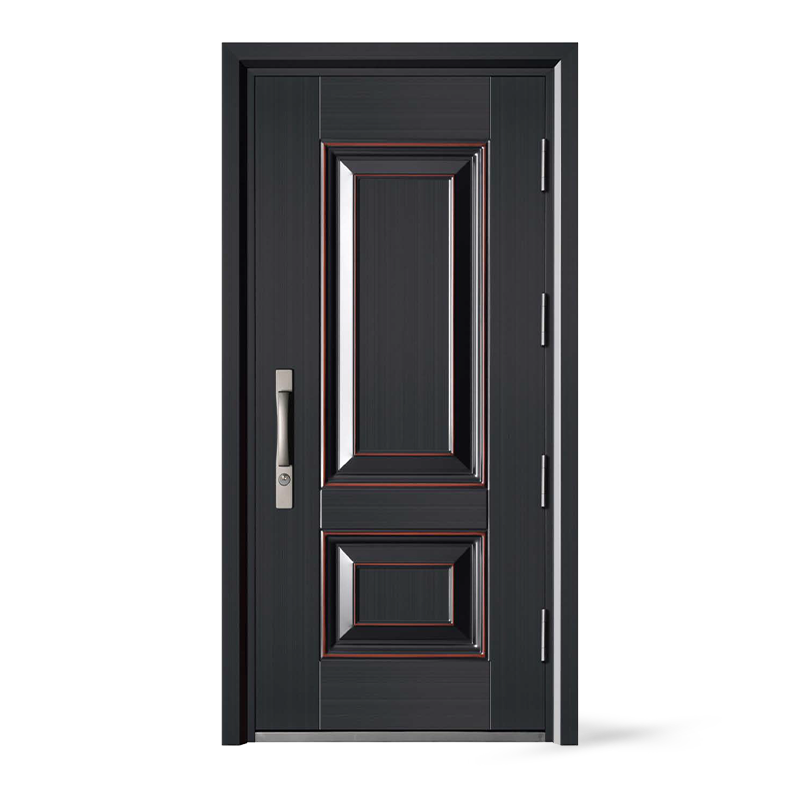
The copper color single opening UV resistant steel front door has a simple and elegant appearance design, a unique copper surface texture, and excellent decorative properties. It adopts advanced steel...
See Details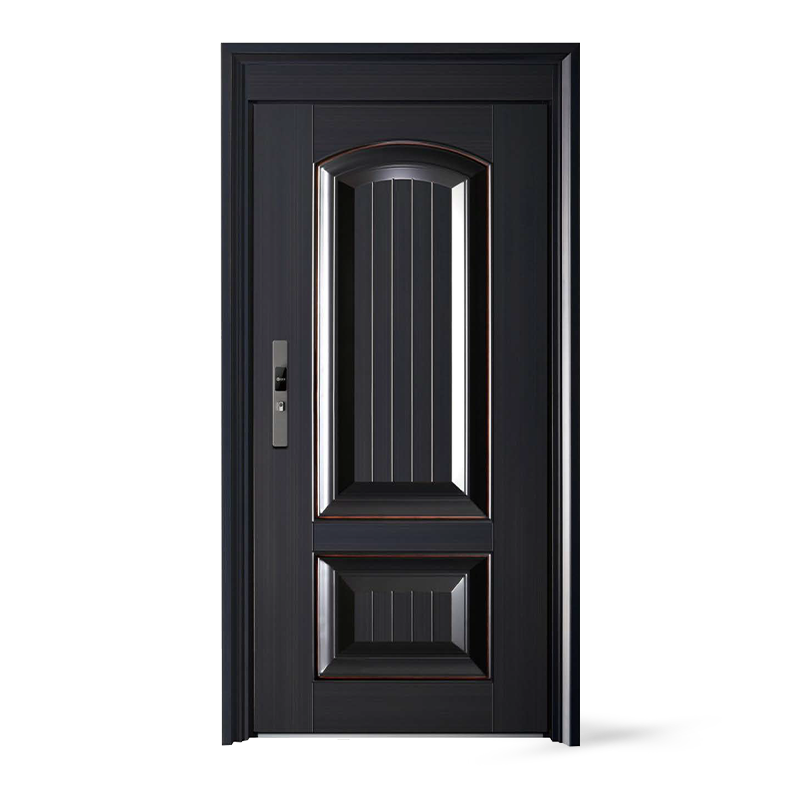
Metal steel single door security home main door is a high-quality door product designed for home security. It is made of high-quality steel, combined with modern technology and innovative design, perf...
See Details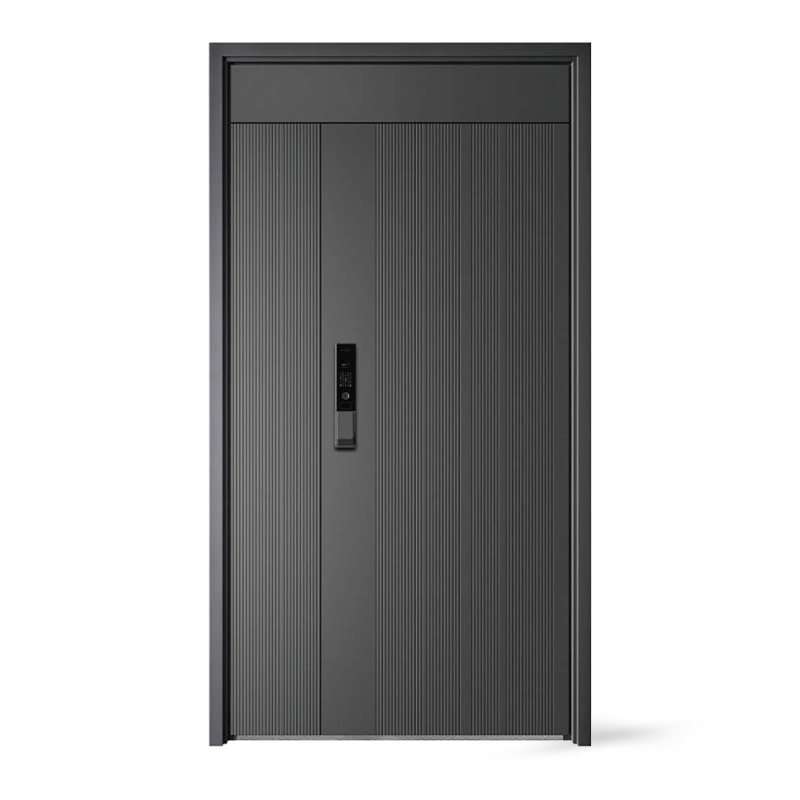
This double-layer steel fireproof and insulated front door is mainly composed of inner and outer double-layer steel plates, fireproof filling core material, inner frame reinforcement layer, heat insul...
See Details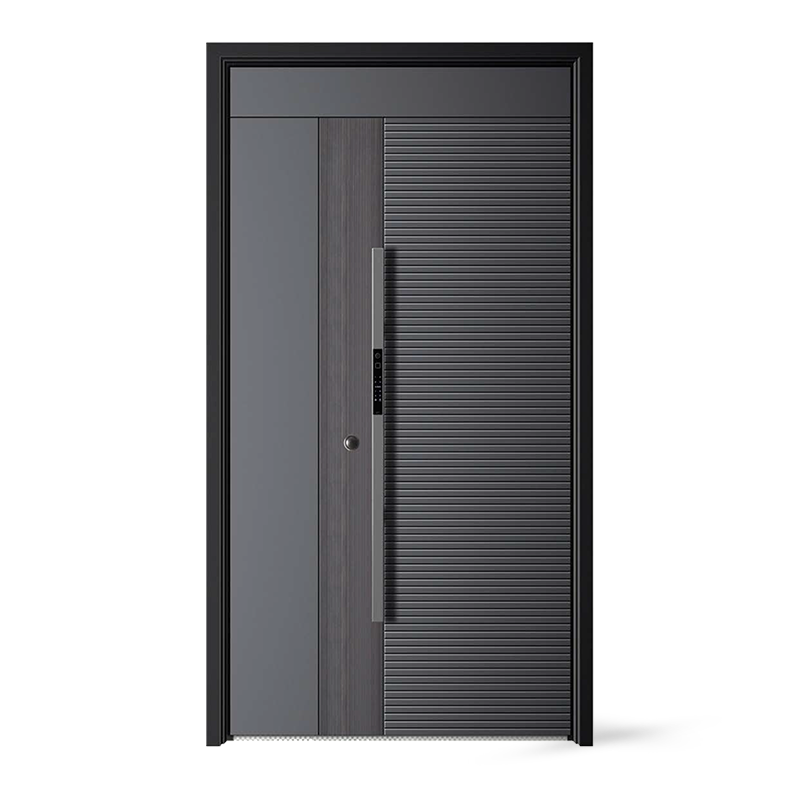
Grey design glass inset metal exterior steel front door is made of high-quality cold-rolled steel, which is precisely processed and treated to have extremely high strength and rigidity, and can effect...
See Details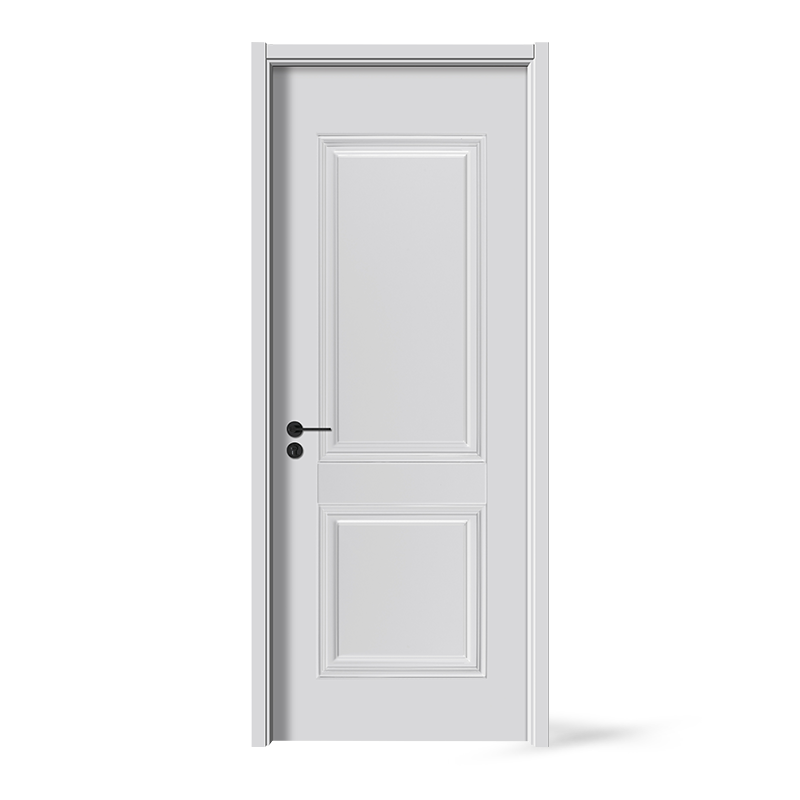
The core structure of PVC white painted teak board solid wood door is natural solid wood door core, and composite solid wood with good structural stability is selected as the basic skeleton. The solid...
See Details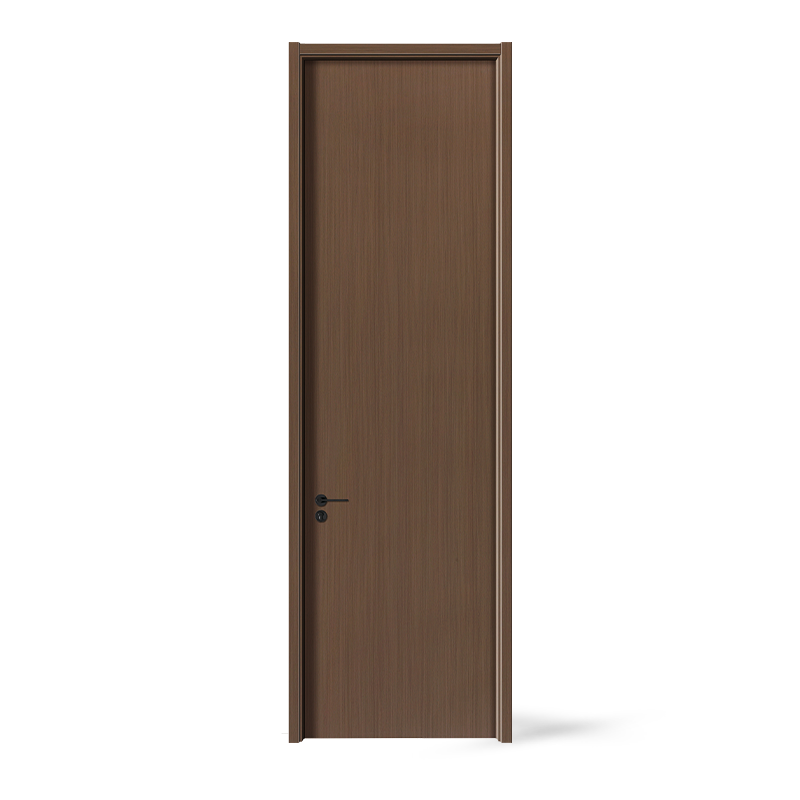
Black walnut veneer PVC interior solid wood door adopts multi-layer composite structure design. The core skeleton is generally composed of high-strength solid wood finger-jointed boards and fir integr...
See Details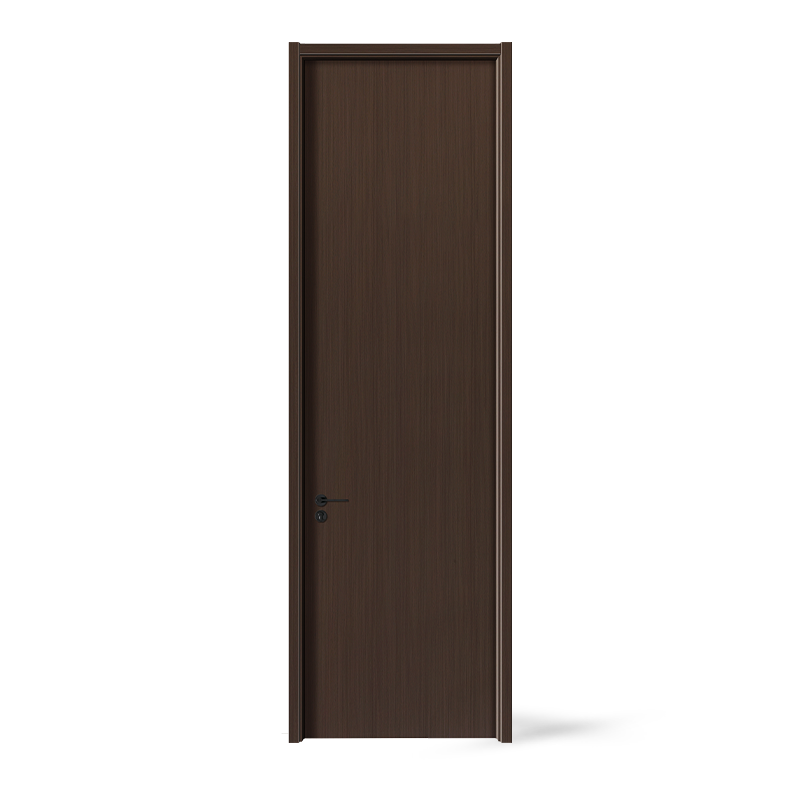
Indoor PVC wooden swing door is a high-quality door product that combines modern home design and practicality. It is widely used in various indoor spaces such as homes and offices. It uses PVC wood gr...
See Details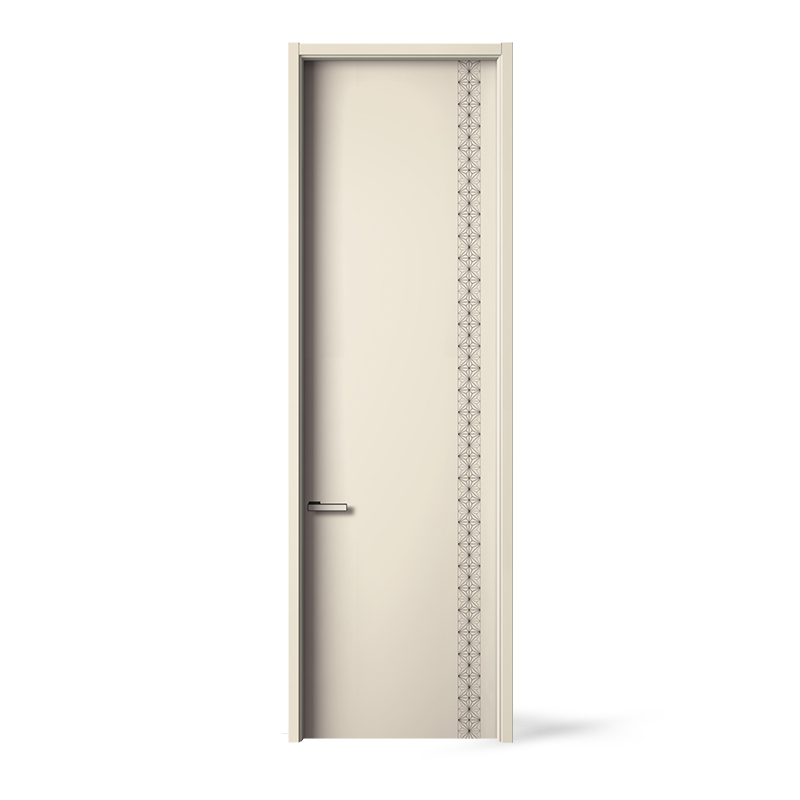
The core material of Xingyue White Waterproof Home Melamine Door uses strictly screened high-strength multi-layer solid wood boards as the base material. These base materials are made of high-quality ...
See Details1. Enhanced Durability and Weather Resistance of PVC Wood Doors PVC Wood Doors exhibit significantly enhanced durability and weather resistance when c...
READ MOREPVC Wood Doors' Innovative Materials: A Combination of Environmental Protection and Durability With the continuous evolution of modern home furnishing...
READ MOREIntroduction to Composite Wood Doors Composite wood doors have become a widely considered choice for homeowners and designers seeking alternatives to ...
READ MOREIn the world of home renovation and construction, the choice of doors is a critical decision that balances aesthetics, durability, and cost. While tra...
READ MORECopyright © Zhejiang Mingxuan Smart Home Co., Ltd. All Rights Reserved.