English
 中文简体
中文简体 Español
 عربى
عربى

Product Consultation
Your email address will not be published. Required fields are marked *

 EN
EN

Content
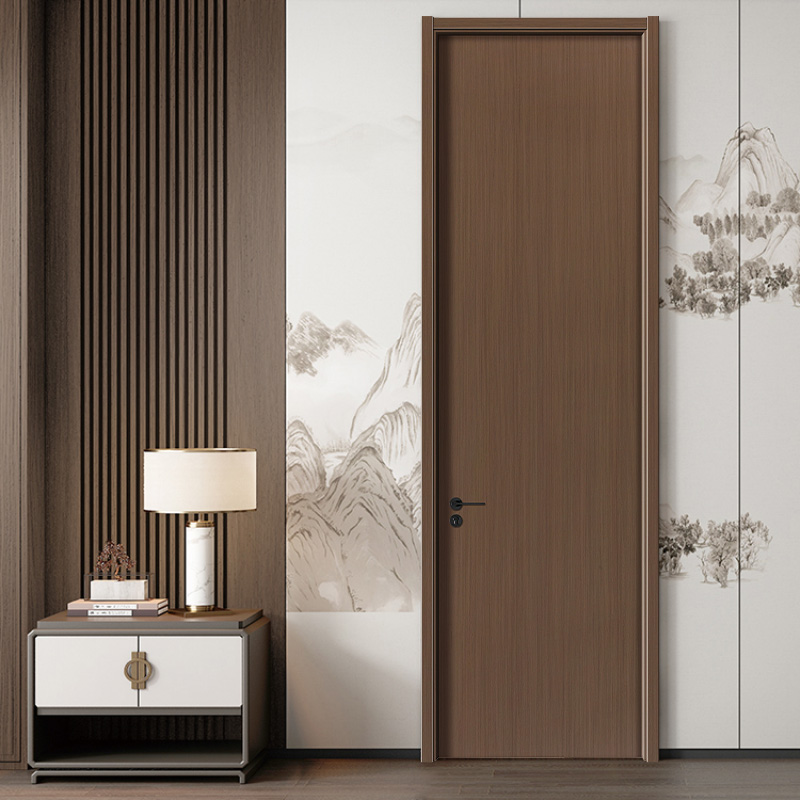
Composite wood doors manufactured from engineered materials and high density fiberboard offer superior moisture resistance, lower maintenance requirements, and cost savings of 20 percent to 40 percent compared to solid wood doors, making them ideal for exterior applications and high moisture environments. Solid wood doors provide authentic natural aesthetics, superior sound dampening, and genuine wood character that cannot be replicated by composite alternatives, justifying premium pricing of 30 percent to 50 percent more for homeowners prioritizing traditional beauty and luxury appeal. The optimal door choice depends fundamentally on application location, expected environmental conditions, desired aesthetic characteristics, and available budget. Exterior applications in humid climates strongly favor composite wood doors due to superior moisture resistance and durability. Interior residential applications allow either material choice based on design preferences, with custom wooden doors commanding premium pricing while composite alternatives provide practical budget friendly options. Commercial applications increasingly favor composite wood doors due to lower maintenance requirements and extended replacement intervals reducing operational costs.
Solid wood doors represent the traditional and most prestigious door option, manufactured from dimensional lumber materials offering authentic natural beauty and superior structural characteristics.
Solid wood doors are manufactured from solid dimensioned lumber typically ranging from 1.75 inches to 2 inches thick, composed of individual wooden boards joined through mortise and tenon joinery, dowel reinforcement, or modern pocket hole fastening techniques. Premium solid wood doors utilize hardwoods including oak, maple, cherry, walnut, and mahogany selected for grain character and durability properties. More economical options employ softwoods including pine, fir, and spruce offering good workability and lower material costs. The solid construction throughout the door provides inherent structural strength and authentic wood character from surfaces to interior composition.
Different wood species offer distinct advantages suited to specific applications and design preferences. Hardwoods including oak and maple demonstrate superior durability and moisture resistance, lasting 20 to 30 years with proper maintenance, while softwoods like pine require regular refinishing every 3 to 5 years. Exotic hardwoods including Brazilian cherry and teak provide distinctive grain patterns and colors commanding premium pricing of 50 percent to 100 percent above domestic hardwoods. Softwoods offer easier workability for custom detailed designs and lower material costs making them suitable for interior applications where durability requirements are less demanding. Wood species selection critically impacts both initial cost and long term maintenance requirements.
Solid wood doors offer exceptional sound dampening properties, with solid wood construction reducing noise transmission approximately 25 to 35 percent better than composite alternatives of equivalent thickness. The natural wood composition provides genuine tactile feel and warmth appreciated by homeowners seeking premium quality and authentic materials. Solid wood doors demonstrate superior longevity when properly maintained, with quality hardwood doors lasting 30 to 40 years or more, significantly exceeding typical composite door service life of 15 to 20 years. The natural wood character develops patina and aging that many consider desirable, enhancing rather than diminishing aesthetic appeal over time.
Composite wood doors engineered from alternative materials offer modern practical advantages including superior moisture resistance and dramatically reduced maintenance requirements compared to solid wood alternatives.
Composite wood doors are manufactured from high density fiberboard, particleboard, or wood fiber composites bonded with durable resins and sealed with protective surface veneers or painted finishes. The engineered construction incorporates stiles and rails of solid wood or engineered materials surrounding core components of compressed wood fiber materials. Advanced composite formulations include additives providing improved moisture resistance, dimensional stability, and durability characteristics. Manufacturing processes apply consistent pressure and temperature during construction, creating uniform material properties throughout the door unlike natural wood grain variation.
Composite wood doors demonstrate significantly superior moisture resistance compared to solid wood alternatives, with properly sealed composite materials absorbing less than 5 percent water compared to 8 percent to 15 percent for solid wood under equivalent exposure conditions. This superior moisture resistance enables composite doors to maintain dimensional stability and structural integrity in humid climates, coastal salt spray environments, and basements, extending service life 20 to 30 percent beyond solid wood expectations. Composite materials resist swelling and warping that commonly affects solid wood doors in variable moisture environments, eliminating adhesion problems and sticking frequently encountered with wood doors.
Composite wood doors require significantly less maintenance compared to solid wood counterparts, typically requiring only periodic cleaning and occasional refinishing every 5 to 8 years compared to solid wood refinishing intervals of 2 to 4 years. Annual maintenance for composite doors consists primarily of washing with mild soap and water plus lubricating hinges and locks, requiring approximately 1 hour annual effort compared to 4 to 8 hours for solid wood doors requiring sanding, staining, and sealing. This reduced maintenance dramatically lowers total cost of ownership despite potentially higher initial material costs, with maintenance savings of 50 percent to 70 percent over 20 year door service life.
Modern composite doors offer impressive aesthetic versatility through photorealistic surface veneers and painted finishes replicating solid wood appearance convincingly. High quality composite doors incorporate wood grain veneers and paint finishes that closely approximate solid wood character at lower cost, with quality finishes requiring careful examination to distinguish from authentic solid wood. Composite construction enables more consistent surface appearance without natural grain variation that some find attractive but others consider imperfection. Manufacturers offer wider color selections and decorative options for composite materials, enabling design customization difficult or impossible with natural solid wood.
Composite doors incorporating solid wooden frames combine benefits of both materials, creating hybrid solutions offering practical advantages while maintaining some authentic wood aesthetics.
Composite doors with wooden frames utilize solid wood for visible stiles and rails while incorporating engineered composite materials in the central panel sections, creating doors combining solid wood visual appeal with composite material moisture resistance and stability. Frame materials typically employ hardwoods like oak or maple selected for grain appearance, while interior composite panels provide dimensional stability and durability. This hybrid approach capitalizes on wood species strengths for visible components while leveraging composite advantages for less visible structural elements.
Hybrid composite doors with wooden frames offer balanced performance characteristics avoiding extremes of either pure material choice. Solid wooden frames provide authentic wood character and superior sound dampening while composite panels resist moisture absorption and dimensional change. This combination achieves approximately 80 percent of solid wood performance characteristics while reducing maintenance requirements by 40 percent to 50 percent compared to fully solid wood doors. The hybrid approach particularly benefits exterior applications in humid climates, where composite panels resist moisture damage while visible wooden frames retain aesthetic appeal.
Composite doors with wooden frames typically cost 15 percent to 30 percent more than purely composite alternatives but 20 percent to 40 percent less than fully solid wood doors. This intermediate pricing makes hybrid doors attractive for budget conscious homeowners seeking wood appearance without full maintenance burden of solid wood construction. Life cycle cost analysis frequently favors hybrid doors in applications balancing aesthetic preferences with practical maintenance considerations, offering optimal value across diverse installation scenarios.
Interior doors require different performance characteristics than exterior doors, with solid core construction offering optimal balance of sound dampening, durability, and affordability for residential and commercial applications.
Solid core interior doors feature dense fiberboard or wood composite core materials sandwiched between exterior veneers, providing structural integrity without requiring fully solid wood construction throughout. The solid core construction, typically ranging from 1.375 inches to 2 inches thick, delivers superior sound blocking characteristics essential for bedroom doors, home offices, and media rooms. Unlike hollow core doors containing air space reducing structural strength and sound dampening, solid core doors maintain consistent density throughout the construction.
Solid core interior doors reduce noise transmission by 25 to 35 decibels, effectively blocking conversations, television sound, and general household noise from adjacent rooms. This acoustic performance approximates solid wood door characteristics, achieving 90 percent of solid wood sound dampening properties at 40 percent to 50 percent lower cost. Sound reduction properties prove particularly valuable in shared living spaces, converting rooms, home offices, and residential applications where sound privacy enhances quality of life and concentration ability.
Solid core interior doors accommodate diverse aesthetic preferences through wood veneer surfaces, painted finishes, and decorative panels. Premium options feature genuine hardwood veneers over solid core construction, providing authentic wood appearance with superior durability and sound dampening compared to solid wood doors. Value oriented solid core doors utilize high quality paint finishes and composite veneers offering practical performance at modest cost. Custom wooden doors incorporating solid core construction combine authentic wood species with enhanced acoustic performance and reduced warping compared to traditionally constructed solid wood interior doors.
| Door Type | Acoustic Performance | Initial Cost | Maintenance | Service Life |
|---|---|---|---|---|
| Hollow Core Door | Poor (15 to 20 dB) | $80 to $200 | Minimal | 5 to 10 years |
| Solid Core Composite | Good (25 to 30 dB) | $200 to $500 | Low | 15 to 20 years |
| Solid Wood Door | Excellent (30 to 35 dB) | $400 to $1200 | Moderate to High | 25 to 40 years |
Custom wooden doors represent the premium end of door options, manufactured to specific customer specifications offering unlimited design flexibility and authentic wood craftsmanship.
Custom wooden doors enable selection of specific wood species, panel configurations, decorative details, finish treatments, and hardware options, allowing homeowners to create unique doors reflecting personal design preferences and architectural compatibility. Custom doors accommodate non standard opening dimensions, specialized architectural styles, and decorative requirements impossible with mass produced door alternatives. Master craftspeople manufacturing custom doors apply traditional joinery techniques, hand finishing, and attention to detail creating functional art pieces elevating entire room aesthetics.
Custom door builders offer comprehensive wood species selection from domestic hardwoods including walnut and cherry to exotic species like Honduran mahogany and Brazilian rosewood. Custom wooden doors crafted from premium hardwoods cost $800 to $3000 or more depending on wood selection, panel complexity, and decorative details, compared to $200 to $800 for standard composite or solid wood alternatives. Wood species selection fundamentally determines door character, grain appearance, color range, and working properties affecting final design realization.
Custom wooden doors accommodate diverse panel configurations from simple flat panel designs to complex multi panel layouts with decorative details. Relief carving, applied moldings, curved panels, and specialty inlays characterize high end custom doors, with elaborate designs requiring 40 to 80 additional labor hours beyond basic door construction. Glass panels, sidelights, and specialty windows integrate seamlessly in custom door designs, creating coordinated architectural features unattainable with standard door production alternatives.
Custom door manufacturers apply premium protective finishes ensuring authentic wood character while providing durable moisture protection. Traditional hand rubbed oil finishes, polyurethane varnish, and lacquer coatings deliver authentic wood appearance while requiring regular maintenance every 3 to 5 years to preserve finish integrity. Environmental finishes utilizing water based polyurethanes and low VOC coatings appeal to health conscious homeowners prioritizing indoor air quality. Custom finish application enables precise color control and sheen level adjustment impossible with factory standard finishes.
Custom wooden doors typically cost 50 percent to 150 percent more than mass produced alternatives, with elaborate designs commanding premium pricing reflecting extensive craftsmanship. Although initial investment substantially exceeds composite or standard wood door options, custom doors deliver unique aesthetic value, superior craftsmanship, and lasting investment appeal justifying premium pricing for discerning homeowners prioritizing quality over economy. Custom doors frequently increase home value disproportionate to actual cost, with custom architectural features appealing strongly to upscale home buyers appreciating quality craftsmanship.
Comprehensive cost comparison must consider initial material prices, installation expenses, and long term maintenance requirements creating total cost of ownership across door service life.
Composite wood doors typically cost $150 to $500 per door including basic finish, solid wood doors cost $300 to $1200 depending on wood species and complexity, while custom wooden doors command $800 to $3000 or more reflecting premium materials and craftsmanship. Price variations reflect wood species, size, configuration complexity, decorative elements, and manufacturer positioning. Mass production advantages enable composite door manufacturers to offer lower pricing than small scale solid wood producers, with large manufacturers achieving economies of scale unavailable to custom craftspeople.
Professional door installation typically costs $200 to $600 per door depending on existing opening condition, required frame modification, and regional labor rates. Custom wooden doors frequently require specialized installation expertise commanding premium labor rates of $400 to $800 per opening, reflecting additional complexity and precision requirements. Proper installation proves critical for door operation, weather sealing, and aesthetic appeal, with substandard installation potentially negating benefits of quality materials through poor fit and operation.
Solid wood door maintenance costs accumulate significantly over door service life, with refinishing and protective treatments required every 3 to 5 years at costs of $100 to $300 per door. Twenty year ownership of solid wood doors typically involves $600 to $1200 in maintenance costs compared to $200 to $400 for composite doors, with composite material advantages increasing in high moisture environments where solid wood degradation accelerates. Labor intensive maintenance requirements for solid wood doors must be considered when calculating true total cost of ownership including homeowner time and professional services.
Exterior door applications in humid climates strongly favor composite materials despite higher initial cost, with superior durability and lower maintenance reducing 20 year total cost of ownership compared to solid wood alternatives. Interior applications in controlled environments allow either material choice based on aesthetic preference, with solid wood doors justifiable for living spaces where authentic material appeal justifies maintenance burden. Commercial applications increasingly adopt composite materials exclusively due to lower lifetime maintenance requirements and predictable replacement intervals reducing operational expenses.
Environmental characteristics differ significantly between solid wood and composite door options, with important sustainability implications affecting conscientious purchasing decisions.
Solid wood doors utilizing sustainably harvested lumber from certified forest sources represent renewable resource utilization with manageable environmental impact. High quality hardwood doors harvested from responsibly managed forests provide long service life of 25 to 40 years, delaying replacement needs and reducing cumulative environmental impact through lower replacement frequency. However, exotic hardwoods imported from tropical regions potentially contribute to deforestation and ecosystem damage regardless of sustainability claims, requiring careful wood species selection based on forestry practices.
Composite doors manufactured from engineered wood materials often incorporate recycled wood fiber and reclaimed wood products reducing pressure on virgin forest resources. Many composite door manufacturers utilize waste products from lumber mills and wood processing operations, converting byproducts into valuable building materials and supporting circular economy principles. However, composite doors bonded with synthetic resins prove difficult to recycle, potentially accumulating in landfills after reaching end of service life unlike solid wood alternatives biodegrading naturally.
Environmentally conscious consumers should prioritize solid wood doors manufactured from domestic sustainably harvested hardwoods from certified forest operations, avoiding imported exotic species with uncertain forestry practices. For composite options, manufacturers utilizing recycled content and low formaldehyde adhesives prove preferable to materials using virgin materials and hazardous resins. Ultimately, extended door service life proves environmentally superior to frequent replacement cycles, making durability and maintenance characteristics important sustainability considerations alongside material sourcing.
Different door materials respond distinctly to environmental stresses including moisture, temperature fluctuation, and ultraviolet light exposure affecting performance and longevity.
Solid wood doors absorb and release moisture in response to environmental humidity changes, causing dimensional swelling and shrinking that can cause warping, sticking, and finish cracking. Wood doors exposed to humidity levels exceeding 80 percent experience accelerated degradation, with solid wood doors in basements or humid climates requiring protective measures including dehumidification or vapor barriers to prevent damage. Composite doors manufactured from engineered materials resist moisture absorption, maintaining dimensional stability across wide humidity ranges without requiring environmental controls.
Temperature extremes affect both solid wood and composite doors, causing expansion and contraction affecting operation and appearance. Solid wood doors experience greater dimensional change across temperature extremes compared to engineered composites, with poorly sealed solid wood doors in cold climates potentially developing gaps as material shrinks during heating season. Composite materials demonstrate superior dimensional stability across temperature variations, with engineered composition designed to maintain consistent properties regardless of climate conditions.
Natural wood doors exposed to direct sunlight fade and discolor through ultraviolet light exposure, requiring regular finish maintenance to restore color and appearance. Exterior solid wood doors receiving direct sunlight experience noticeable color change within 2 to 3 years without protective UV blocking finishes, with premium finishes providing 3 to 5 year color stability before requiring renewal. Composite doors with quality protective finishes demonstrate superior color stability, maintaining appearance 5 to 8 years or longer without significant fading, reducing maintenance frequency substantially.
Proper weather sealing proves critical for both door types, with degraded seals allowing water infiltration causing damage and energy loss. Solid wood doors experience accelerated degradation from water exposure, with compromised seals potentially causing internal rot and structural failure within 1 to 2 years, while composite doors tolerate temporary water exposure without significant damage. Quality composite doors incorporating superior weather sealing prevent water infiltration maintaining structural integrity even with minor seal compromise that would prove catastrophic for solid wood alternatives.
Aesthetic characteristics fundamentally influence door selection, with solid wood offering irreplaceable natural beauty while composite materials provide design flexibility and consistency.
Solid wood doors provide authentic natural wood character through visible grain patterns, color variation, and tactile warmth impossible to replicate completely with synthetic materials. Hardwood doors including walnut, cherry, and mahogany display distinctive grain patterns and colors creating unique aesthetic character that develops enhanced patina through years of weathering and aging. This natural variation appeals to homeowners appreciating authentic materials and nature inspired design, valuing genuine wood qualities that synthetic alternatives cannot replicate perfectly.
Modern composite doors incorporate advanced surface treatments replicating wood appearance convincingly through photorealistic veneers and paint finishes. High quality composite doors with wood grain veneers require careful examination to distinguish from solid wood, with realistic surface textures and color variations challenging casual observation. Composite construction enables wider finish color selections impossible with natural wood, allowing design flexibility matching diverse interior styles and color palettes. Manufacturers offering unlimited paint color options and specialty finishes provide design freedom potentially exceeding solid wood limitations.
Both solid wood and composite doors accommodate diverse panel configurations matching various architectural styles. Traditional six panel designs suit Colonial and period authentic applications, while contemporary flat panel designs complement modern minimalist aesthetics. Glass panel options with various decorative patterns enable customization combining functional light transmission with aesthetic appeal. Custom wooden door builders can incorporate specialized panel layouts impossible with mass produced alternatives, enabling perfect architectural compatibility with distinctive design requirements.
Systematic evaluation of application requirements guides optimal door selection balancing aesthetic preferences with practical performance and budget constraints.
Exterior doors in humid climates should prioritize composite materials or hybrid composite doors with wooden frames due to superior moisture resistance and durability under challenging environmental conditions. Exterior doors in dry climates and interior applications allow either material choice based on aesthetic preference and budget. Basement doors, bathrooms, and laundry rooms experience high moisture exposure requiring composite materials exclusively, avoiding solid wood alternatives vulnerable to moisture damage in these environments.
Budget constraints significantly influence material selection, with composite doors offering optimal value for cost conscious consumers prioritizing performance over authenticity. Homeowners with limited budgets benefit from composite door selection providing reasonable aesthetic appeal with lower initial cost and dramatically reduced maintenance expenses compared to solid wood alternatives. Mid range budgets enable hybrid composite doors with wooden frames balancing cost effectiveness with some authentic wood aesthetics. Premium budgets enable custom wooden doors delivering maximum aesthetic appeal and craftsmanship impossible with mass produced alternatives.
Realistic evaluation of long term maintenance commitment proves critical for satisfaction with solid wood door selection. Solid wood door ownership requires commitment to regular refinishing every 3 to 5 years, representing 4 to 8 hours annual effort or significant professional service expense, with neglected maintenance causing accelerated degradation and loss of original investment value. Homeowners unable or unwilling to commit to regular maintenance should select composite alternatives avoiding dissatisfaction from appearance deterioration resulting from deferred maintenance.
Prioritization of authentic natural aesthetics versus practical performance and cost management guides material selection. Homeowners prioritizing authentic wood character and valuing natural material aesthetics justify premium pricing and maintenance commitment required for quality solid wood doors. Homeowners prioritizing practical performance, minimal maintenance, and cost effectiveness find composite materials satisfactory, accepting slightly less authentic aesthetics in exchange for superior durability and lower lifetime ownership costs.
Composite wood doors demonstrate superior durability compared to solid wood doors in moisture prone environments, with properly sealed composite materials resisting water damage and dimensional change that commonly affects solid wood doors. In dry controlled environments, quality solid wood doors potentially outlast composite alternatives, with hardwood doors lasting 30 to 40 years compared to composite service life of 15 to 20 years. Durability comparison depends fundamentally on environmental conditions and maintenance commitment, with composite materials superior in high moisture environments while solid wood excels in dry protected settings.
Solid wood doors typically require refinishing every 3 to 5 years depending on environmental exposure, wood species, and finish type, with exterior doors requiring more frequent maintenance than interior doors. High traffic interior doors may require refinishing every 5 to 7 years while exterior doors exposed to direct sunlight require refinishing every 2 to 3 years. Neglected maintenance accelerates degradation significantly, with deferred refinishing reducing door service life to less than half normal expectations.
Modern high quality composite doors with photorealistic wood grain veneers closely approximate solid wood appearance, requiring careful examination to distinguish from authentic wood. Budget oriented composite doors with basic paint finishes may appear less authentic, though acceptable for applications where perfect aesthetic replication proves unnecessary. Custom custom wooden doors provide definitive authenticity impossible to replicate with composite materials, though quality composite alternatives satisfy most aesthetic requirements at significantly lower cost.
Composite wood doors typically cost $150 to $500 compared to solid wood doors costing $300 to $1200, representing 30 percent to 60 percent cost savings for composite alternatives. Premium solid wood doors from quality manufacturers and custom wooden doors command $800 to $3000 or more, dramatically exceeding composite pricing. Composite doors provide optimal value for budget conscious consumers, with solid wood justified for applications prioritizing authentic aesthetics over economy.
Composite doors represent ideal exterior applications, with superior moisture resistance and weather durability exceeding solid wood performance in most climates. Properly sealed composite doors perform effectively in humid coastal environments, high rainfall areas, and other challenging weather conditions that accelerate solid wood deterioration. Exterior composite doors require significantly less maintenance than solid wood alternatives, reducing painting and refinishing costs substantially over door service life.
Solid wood doors reduce noise transmission by 30 to 35 decibels, slightly exceeding solid core composite doors achieving 25 to 30 decibel noise reduction, with hollow core doors providing minimal acoustic benefit of 15 to 20 decibels. This difference proves negligible in most applications, with solid core composite doors providing acoustic performance satisfactory for residential and commercial applications. Specialized acoustic doors incorporating additional dampening materials exceed standard door performance regardless of material type.
Quality solid wood doors can be refinished multiple times throughout service life, with wood grain accepting diverse stain colors and finish treatments. Refinishing solid wood doors enables dramatic aesthetic transformation, allowing homeowners to change door color and appearance matching evolving design preferences without replacement. Composite doors cannot be refinished effectively, with most manufactured finishes preventing successful stain absorption, limiting future design customization to paint applications.
Solid wood doors manufactured from sustainably harvested domestic hardwoods represent renewable resource utilization with acceptable environmental impact when sourced responsibly. Composite doors often incorporate recycled wood fiber reducing virgin forest impact, though synthetic bonding resins complicate end of life recycling. Solid wood doors demonstrating extended service life reduce cumulative environmental impact through lower replacement frequency, counterbalancing initial harvesting impact through longevity benefits.
Custom wooden doors justify premium investment for homeowners prioritizing unique design, superior craftsmanship, and perfect architectural compatibility where mass produced alternatives prove inadequate. Custom doors frequently increase home value disproportionate to actual cost, with discerning buyers valuing quality craftsmanship and distinctive design. Budget constrained homeowners find better value in quality mass produced alternatives, with custom doors representing luxury options rather than practical necessities.
Composite door maintenance consists primarily of periodic cleaning with mild soap and water plus occasional lubrication of hinges and locks. Annual maintenance requires approximately 1 hour effort, with additional refinishing potentially required every 5 to 8 years depending on finish type and environmental exposure. This minimal maintenance burden proves attractive for homeowners prioritizing convenience over authentic materials, with composite doors eliminating maintenance intensive refinishing cycles required for solid wood alternatives.
Your email address will not be published. Required fields are marked *
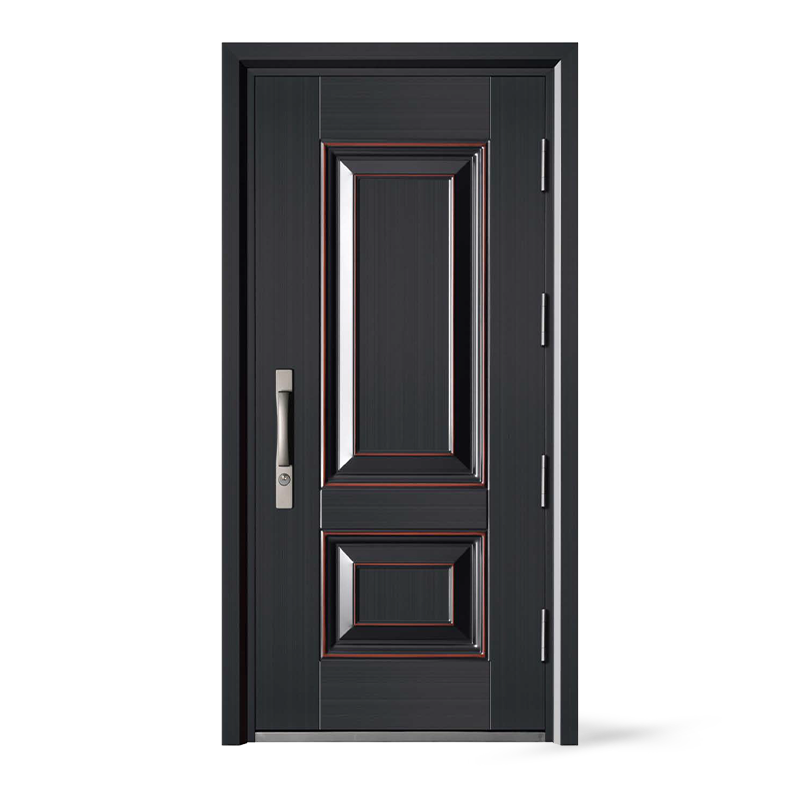
The copper color single opening UV resistant steel front door has a simple and elegant appearance design, a unique copper surface texture, and excellent decorative properties. It adopts advanced steel...
See Details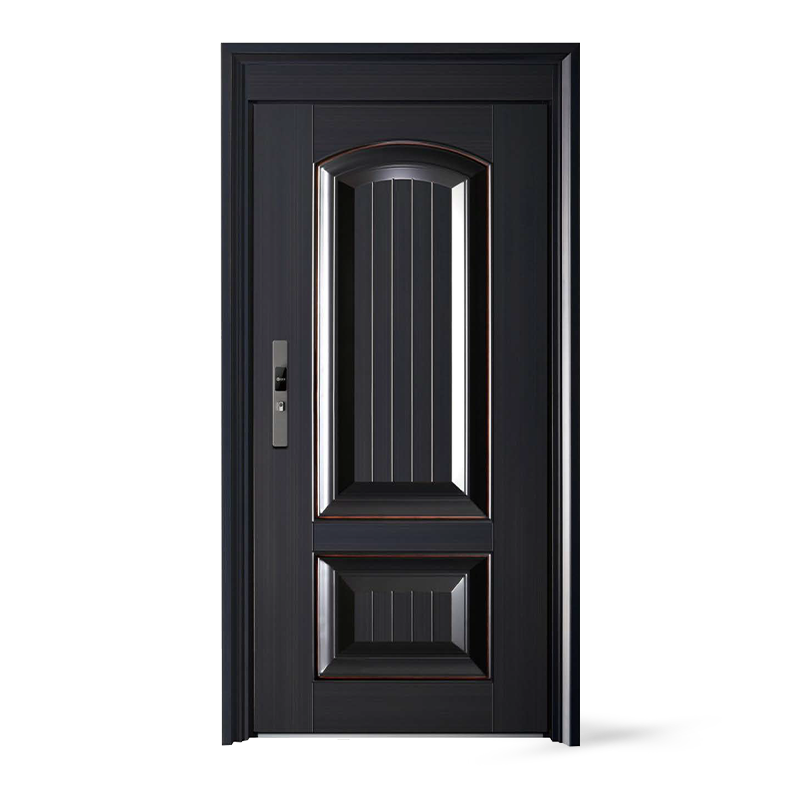
Metal steel single door security home main door is a high-quality door product designed for home security. It is made of high-quality steel, combined with modern technology and innovative design, perf...
See Details
This double-layer steel fireproof and insulated front door is mainly composed of inner and outer double-layer steel plates, fireproof filling core material, inner frame reinforcement layer, heat insul...
See Details
Grey design glass inset metal exterior steel front door is made of high-quality cold-rolled steel, which is precisely processed and treated to have extremely high strength and rigidity, and can effect...
See Details
The core structure of PVC white painted teak board solid wood door is natural solid wood door core, and composite solid wood with good structural stability is selected as the basic skeleton. The solid...
See Details
Black walnut veneer PVC interior solid wood door adopts multi-layer composite structure design. The core skeleton is generally composed of high-strength solid wood finger-jointed boards and fir integr...
See Details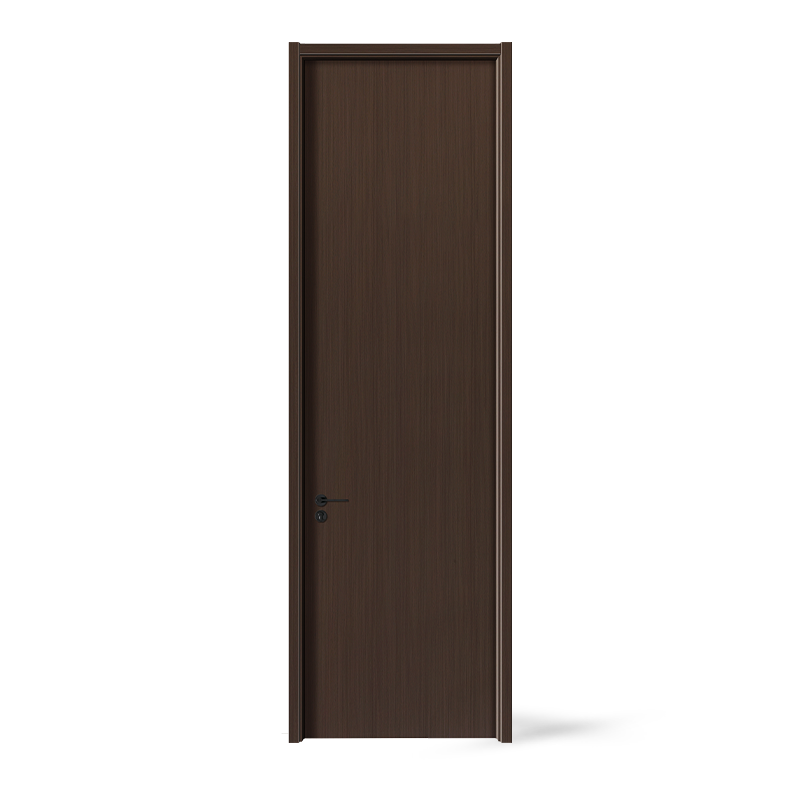
Indoor PVC wooden swing door is a high-quality door product that combines modern home design and practicality. It is widely used in various indoor spaces such as homes and offices. It uses PVC wood gr...
See Details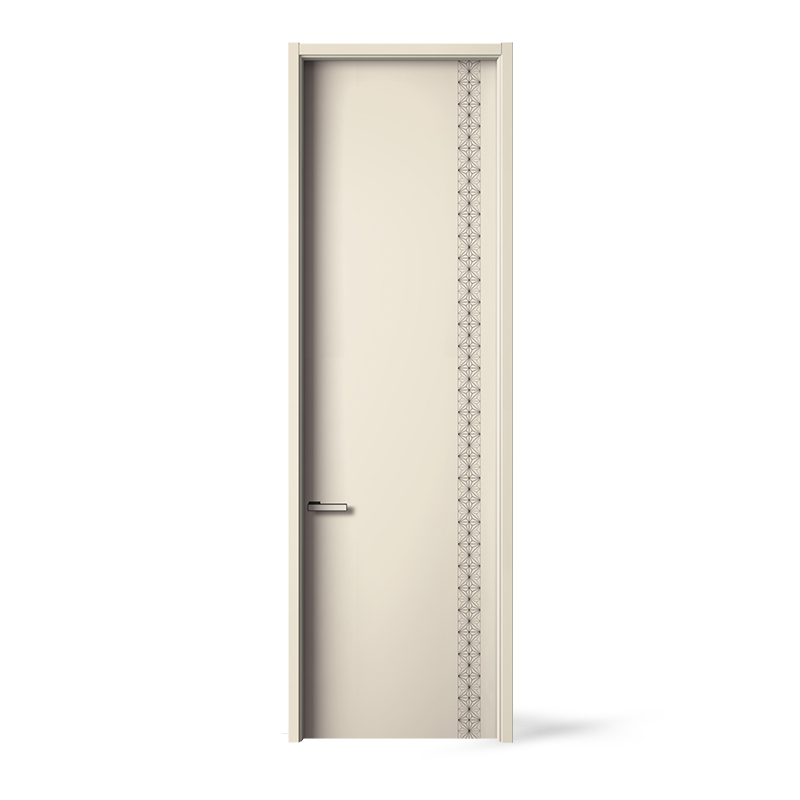
The core material of Xingyue White Waterproof Home Melamine Door uses strictly screened high-strength multi-layer solid wood boards as the base material. These base materials are made of high-quality ...
See Details1. Enhanced Durability and Weather Resistance of PVC Wood Doors PVC Wood Doors exhibit significantly enhanced durability and weather resistance when c...
READ MOREPVC Wood Doors' Innovative Materials: A Combination of Environmental Protection and Durability With the continuous evolution of modern home furnishing...
READ MOREIntroduction to Composite Wood Doors Composite wood doors have become a widely considered choice for homeowners and designers seeking alternatives to ...
READ MOREIn the world of home renovation and construction, the choice of doors is a critical decision that balances aesthetics, durability, and cost. While tra...
READ MORECopyright © Zhejiang Mingxuan Smart Home Co., Ltd. All Rights Reserved.