English
 中文简体
中文简体 Español
 عربى
عربى

Product Consultation
Your email address will not be published. Required fields are marked *

 EN
EN


Choosing the right doors for a residential or commercial property is a decision that affects not only the visual appeal of the space but also its structural integrity, sound insulation, and thermal efficiency. For decades, solid timber was considered the standard for premium doors. However, natural wood is susceptible to environmental changes, frequently warping, cracking, or swelling when exposed to fluctuations in temperature and humidity. To overcome these inherent physical limitations, the manufacturing industry developed composite wood doors.
These highly engineered products combine the natural beauty of real wood with the superior stability, durability, and cost effectiveness of modern synthetic and engineered materials. Today, composite wood doors have become the dominant choice for interior and exterior installations alike, offering a sophisticated alternative that meets the demanding requirements of modern architecture.
To determine whether these doors are suitable for your specific construction or renovation project, it is essential to examine their internal composition, manufacturing processes, performance benefits, and practical applications.
To understand what a composite wood door is, one must look beyond its outer surface. Unlike solid wood doors, which are milled from a single timber log, composite doors are highly structured assemblies constructed from multiple layers of engineered wood products, adhesives, and protective finishes.
The heart of any composite wood door is its core, which determines the weight, acoustic properties, and overall strength of the finished product. Manufacturers utilize several different types of engineered wood materials to construct the core, depending on the intended use and price point of the door.
One of the most common core materials is Medium Density Fiberboard, which is widely known as MDF. This material is produced by breaking down softwood residuals into individual wood fibers, combining them with synthetic resin binders, and compressing them under intense heat and high pressure. The resulting board is incredibly dense, uniform, and entirely free of natural knots or grain directionality, making it highly resistant to warping.
Another popular core option is High Density Fiberboard, or HDF, which offers even greater impact resistance and density.
For solid core composite doors, manufacturers often combine an outer frame of Laminated Veneer Lumber, which is known as LVL, with an inner core made of dense particleboard or solid wood stave blocks. LVL is made by bonding thin wood veneers together under heat and pressure with their grains running parallel, creating a structurally stable frame that prevents the door leaf from twisting or bowing over time.
For budget friendly interior installations, a hollow core design may be used, featuring an internal honeycomb cardboard structure surrounded by a solid perimeter frame, which significantly reduces the weight and material cost of the door.
The exterior face of a composite door is designed to provide both aesthetic beauty and surface protection. To achieve the luxurious look of authentic hardwood without the associated stability issues, manufacturers apply a thin layer of natural wood veneer to the face of the engineered core. These veneers are sliced from premium wood species such as oak, walnut, cherry, and maple, and are chemically bonded to the MDF or HDF face sheets.
For environments that require exceptional durability, synthetic laminates, High Pressure Laminates, or melamine skins are applied instead of natural wood veneers. These synthetic surfaces are highly resistant to moisture, chemicals, scratches, and impact, making them highly suitable for high traffic commercial spaces, hospitals, and modern kitchens.
The entire assembly is bonded using advanced polyurethane adhesives under massive hydraulic presses, ensuring that the individual layers will never delaminate or peel under standard operating conditions.
To appreciate the value of composite wood doors, it is helpful to compare their physical behavior, internal structural mechanics, and environmental reactions directly with those of traditional solid timber doors.
Natural timber is a hygroscopic material, meaning it constantly absorbs and releases moisture from the surrounding atmosphere to maintain equilibrium with its environment. When humidity rises, the individual wood cells expand, causing the entire door to swell. When the air becomes dry, the cells contract, leading to shrinkage. This continuous movement often causes solid wood doors to stick in their frames during humid seasons, develop unsightly gaps at the joints, or warp permanently if the moisture distribution is uneven.
Composite wood doors are engineered specifically to eliminate this dynamic movement. Because the fibers in materials like MDF and HDF are randomly oriented and bound together by water resistant resins, they do not expand or contract in a single direction. The multi directional stability of the engineered core counteracts any natural movement, ensuring that the door remains perfectly flat and operates smoothly regardless of seasonal shifts in humidity and temperature. This exceptional dimensional stability makes composite options highly superior for challenging environments such as bathrooms, laundry rooms, and external entryways.
The weight and density of a door directly influence the sensory experience of using it and its ability to block noise transmission between rooms. Solid timber doors are naturally heavy and dense, providing excellent acoustic barriers and a satisfying feel when opened or closed. However, high quality solid wood is expensive and can put significant stress on hinges and door frames over time.
Solid core composite wood doors are engineered to match or even exceed the density and weight of solid timber at a fraction of the cost. The dense engineered fibers within a solid core composite door act as highly effective sound dampeners, absorbing acoustic energy waves and reducing noise transfer between noisy hallways and quiet bedrooms or private offices.
In comparison, standard hollow core doors offer very poor acoustic insulation due to their empty interior chambers, making solid core composite doors the preferred choice for property owners who prioritize quiet, peaceful living and working environments.
The following table provides a comprehensive, qualitative comparison of various door construction methods, focusing on structural attributes, stability, and everyday performance metrics.
|
Construction Category |
Dimensional Stability |
Acoustic Dampening |
Surface Impact Resistance |
Cost Effectiveness |
|---|---|---|---|---|
|
Solid Timber Doors |
Low; prone to warping and seasonal swelling |
High; dense natural wood blocks sound waves |
Moderate; soft woods can dent or scratch easily |
Low; requires premium raw logs and extensive labor |
|
Solid Core Composite |
Exceptionally high; engineered fibers resist moisture movement |
Outstanding; uniform density blocks noise effectively |
High; dense MDF and HDF skins resist impacts |
High; offers premium performance at a reasonable price |
|
Hollow Core Composite |
High; lightweight construction remains stable |
Low; hollow interior allows sound to pass easily |
Low; thin face sheets can puncture under heavy impacts |
Extremely high; highly economical for mass residential builds |
|
Metal clad Composite |
High; exterior steel or aluminum provides rigidity |
Moderate to high; depends on the internal core material |
Exceptionally high; metallic skin prevents surface damage |
Moderate; ideal for security and exterior utility zones |
The popularity of composite wood doors in modern construction is driven by a wide array of practical and structural advantages that make them a highly viable investment for long term property maintenance.
The outer faces of composite wood doors, particularly those manufactured with high density fiberboard skins, offer superior resistance to physical impacts compared to many natural softwoods. In busy households with children and pets, or in commercial office buildings with constant foot traffic, doors are frequently bumped by vacuums, furniture, and heavy bags.
A standard pine or fir solid wood door can easily dent, scratch, or splinter under these conditions, requiring extensive sanding and refinishing. The hard, compressed surface of a composite door resists deep dents and surface abrasions, preserving its pristine appearance for years. Furthermore, because composite materials do not possess natural grain lines that can split, they do not suffer from the deep structural cracking that often plagues solid wood doors in extremely dry climates.
One of the most compelling arguments for specifying composite wood doors is their impressive cost efficiency. High quality hardwoods such as walnut, mahogany, and white oak are scarce and expensive, making solid doors crafted from these species a significant financial burden on a construction budget.
Composite wood doors utilize engineered materials that are manufactured using wood residuals and fast growing, sustainable timber species. This resource efficient manufacturing process dramatically lowers the cost of raw materials while reducing environmental pressure on old growth forests.
By applying a thin, high quality natural veneer over an engineered core, consumers can enjoy the luxurious aesthetic of exotic hardwoods at a highly accessible price point, allowing builders to allocate resources to other critical areas of their projects.
Traditional solid wood doors require a high level of ongoing maintenance to preserve their beauty and structural integrity. They must be periodically sealed, stained, or repainted to prevent moisture from penetrating the wood fibers, and any warping may require planing the edges to fit the frame.
Composite wood doors require virtually no maintenance of this nature. The dimensionally stable core ensures that the door will never warp, sag, or stick, eliminating the need for periodic adjustments.
For prepainted composite doors, the smooth, non porous surface of the MDF skin holds paint exceptionally well, preventing the paint film from cracking or peeling along natural grain lines. A simple wipe down with a damp cloth and mild soap is all that is required to keep a composite door looking new for decades.
Because composite wood doors can be engineered with various core densities, surface finishes, and fire ratings, they are highly adaptable to many different architectural settings.
For residential interior applications, composite doors offer the perfect balance of aesthetic customization and acoustic comfort. In modern homes, privacy is highly valued, and selecting solid core composite doors for bedrooms, home offices, and media rooms is an effective way to control acoustics.
These doors can be designed in a vast array of styles, ranging from classic raised panel designs that mimic traditional joinery to sleek, flush modern profiles that complement minimalist interior design schemes.
Because MDF can be routed with high precision, manufacturers can carve intricate patterns, deep grooves, and crisp profiles into the door face without any risk of splintering or tearing the material.
For exterior applications, composite wood doors are frequently engineered with a combination of insulated cores and weather resistant outer layers. Exterior entryways are subjected to harsh elements, including direct sunlight, heavy rain, snow, and extreme wind.
To withstand these conditions, high performance exterior composite doors often feature a solid engineered wood frame combined with insulating polyurethane foam cores and durable fiberglass or high pressure laminate skins. This hybrid construction provides the warm, welcoming appearance of a traditional wood entryway while offering superior insulation properties that reduce heat loss and improve the energy efficiency of the building.
The stable core ensures that the exterior door maintains a tight, energy efficient seal within its frame throughout the changing seasons, preventing drafts and reducing heating and cooling costs.
Not all composite wood doors are created equal, and choosing the right product requires an understanding of key manufacturing specifications and design details.
When shopping for composite wood doors, the first and most critical decision is choosing between a solid core and a hollow core construction. Hollow core doors are highly lightweight and affordable, making them an appropriate choice for closets, pantries, and secondary guest rooms where sound insulation is not a priority.
However, for main passage doors, bedrooms, and bathrooms, investing in solid core composite wood doors is highly recommended. You can evaluate the quality of a solid core door by its overall weight and density. A premium solid core door will feel heavy and substantial, offering a solid resistance when pushed and a quiet, secure sound when latched.
Be sure to ask the manufacturer for the specific density of the core material, as higher density ratings translate directly to superior sound deadening and structural longevity.
The longevity of a veneered composite door depends heavily on the quality of its edge treatment. Because the core of the door is made of engineered fibers, the top, bottom, and side edges must be sealed to prevent moisture from entering.
Inspect the edges of the door to ensure that high quality solid wood stiles or robust plastic edge banding have been applied seamlessly. The joints between the face veneer and the edge band should be tight, smooth, and virtually invisible. If there are any gaps, chips, or loose edges, moisture can slowly penetrate the core over time, leading to localized swelling and ruining the aesthetic appeal of the door leaf.
For painted doors, ensure that the primer and paint have been applied evenly to all six sides of the door, including the top and bottom edges that are not visible after installation, as these hidden areas are primary entry points for airborne humidity.
For multi family residential buildings, commercial spaces, and hotels, meeting local building codes is an absolute requirement. Many high quality composite wood doors are manufactured and certified to meet specific fire resistance standards, often offering twenty minute, forty five minute, or even ninety minute fire ratings. These certified doors feature specialized mineral cores or treated engineered woods that resist the spread of flames and smoke, providing vital protection in emergency situations.
Additionally, look for doors with certified Sound Transmission Class ratings, which are known as STC ratings. An STC rating measures how effectively a door blocks airborne sound, with higher numbers indicating superior acoustic insulation.
By selecting a composite door with a verified fire and STC rating, you can ensure that your building remains safe, quiet, and fully compliant with all relevant construction regulations.
Your email address will not be published. Required fields are marked *
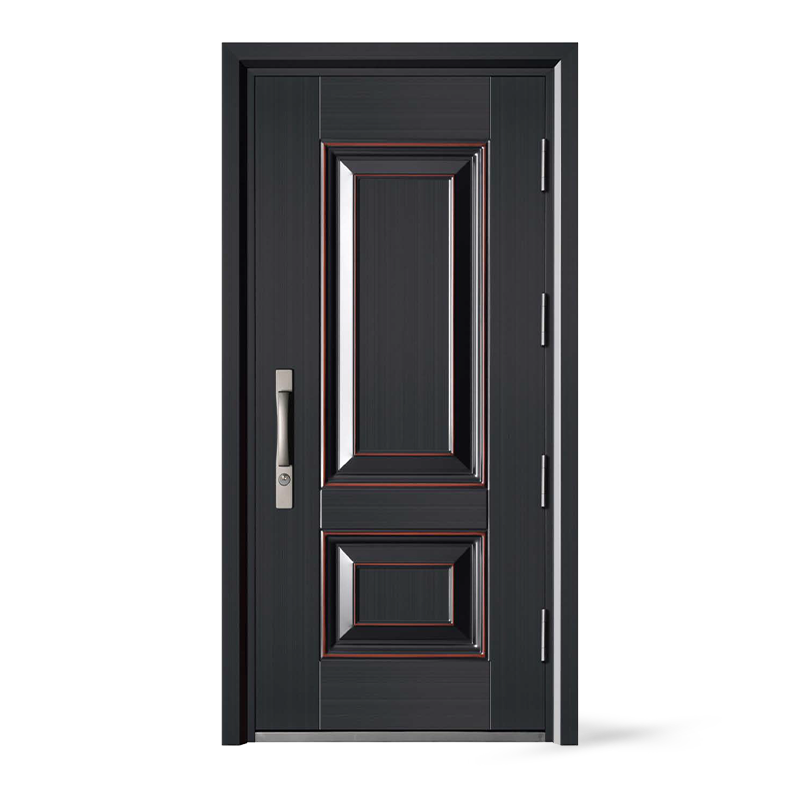
The copper color single opening UV resistant steel front door has a simple and elegant appearance design, a unique copper surface texture, and excellent decorative properties. It adopts advanced steel...
See Details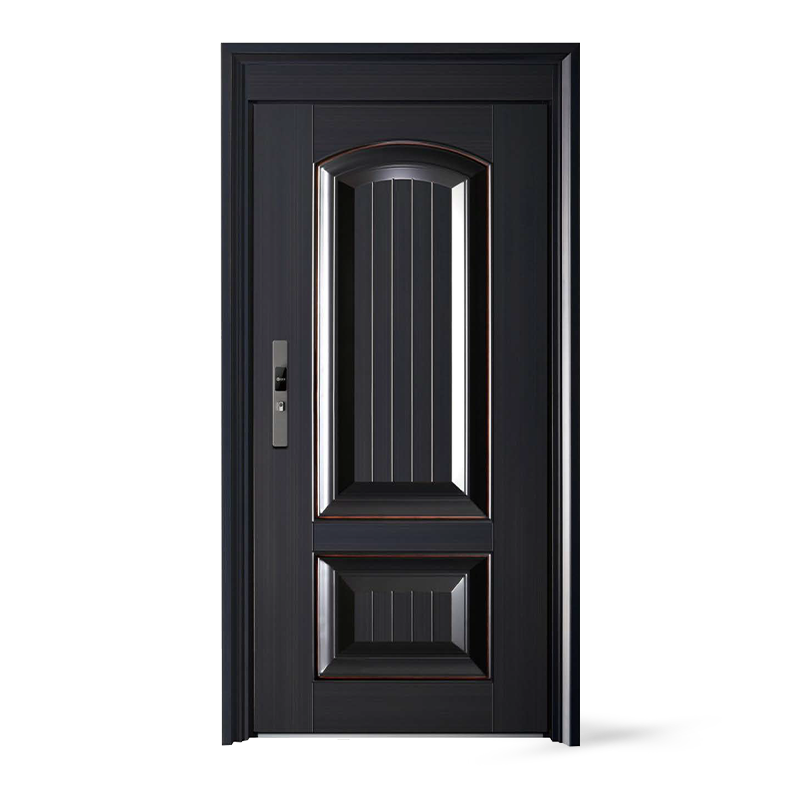
Metal steel single door security home main door is a high-quality door product designed for home security. It is made of high-quality steel, combined with modern technology and innovative design, perf...
See Details
This double-layer steel fireproof and insulated front door is mainly composed of inner and outer double-layer steel plates, fireproof filling core material, inner frame reinforcement layer, heat insul...
See Details
Grey design glass inset metal exterior steel front door is made of high-quality cold-rolled steel, which is precisely processed and treated to have extremely high strength and rigidity, and can effect...
See Details
The core structure of PVC white painted teak board solid wood door is natural solid wood door core, and composite solid wood with good structural stability is selected as the basic skeleton. The solid...
See Details
Black walnut veneer PVC interior solid wood door adopts multi-layer composite structure design. The core skeleton is generally composed of high-strength solid wood finger-jointed boards and fir integr...
See Details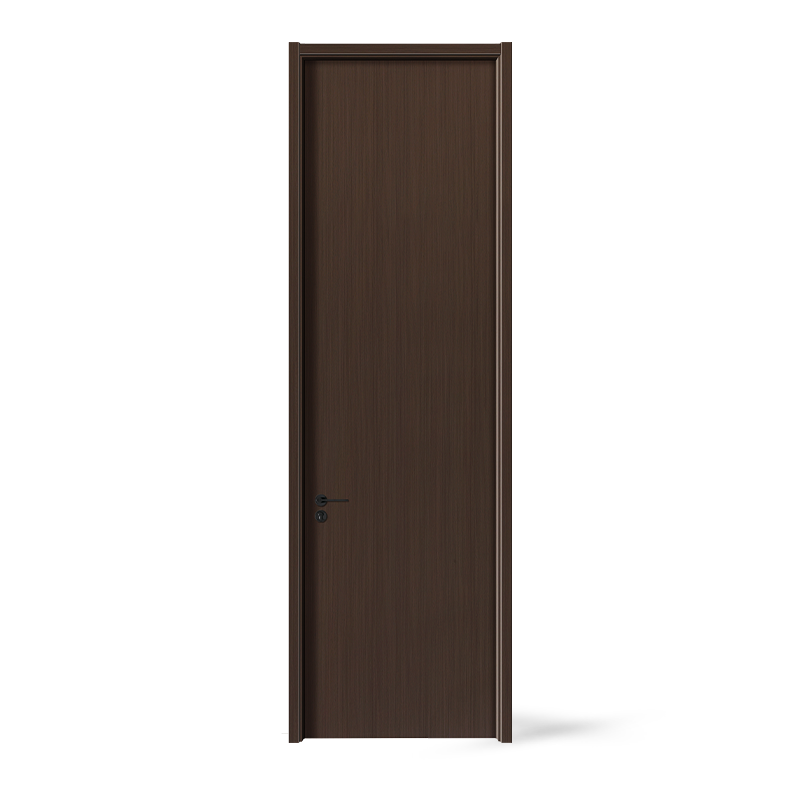
Indoor PVC wooden swing door is a high-quality door product that combines modern home design and practicality. It is widely used in various indoor spaces such as homes and offices. It uses PVC wood gr...
See Details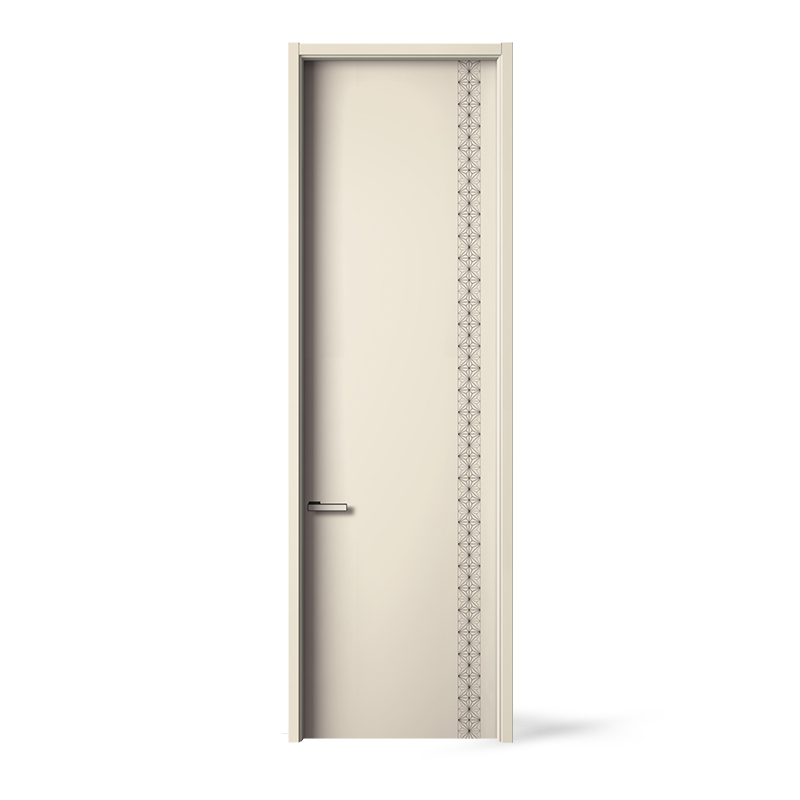
The core material of Xingyue White Waterproof Home Melamine Door uses strictly screened high-strength multi-layer solid wood boards as the base material. These base materials are made of high-quality ...
See Details1. Enhanced Durability and Weather Resistance of PVC Wood Doors PVC Wood Doors exhibit significantly enhanced durability and weather resistance when c...
READ MOREPVC Wood Doors' Innovative Materials: A Combination of Environmental Protection and Durability With the continuous evolution of modern home furnishing...
READ MOREIntroduction to Composite Wood Doors Composite wood doors have become a widely considered choice for homeowners and designers seeking alternatives to ...
READ MOREIn the world of home renovation and construction, the choice of doors is a critical decision that balances aesthetics, durability, and cost. While tra...
READ MORECopyright © Zhejiang Mingxuan Smart Home Co., Ltd. All Rights Reserved.