English
 中文简体
中文简体 Español
 عربى
عربى
Product Consultation
Your email address will not be published. Required fields are marked *

 EN
EN

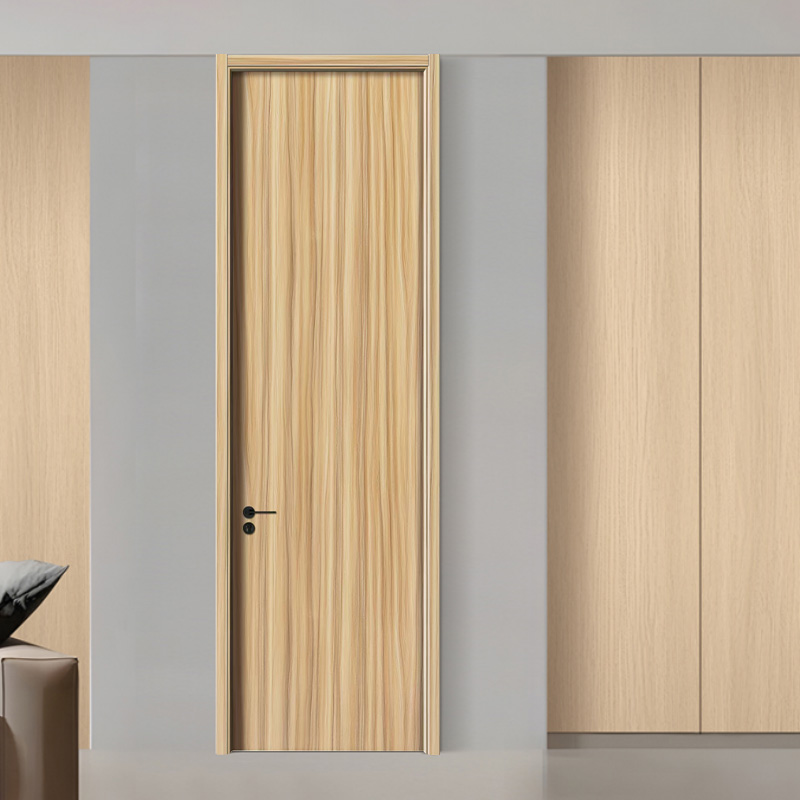
When selecting interior doors for your home or office, the choices can be overwhelming. Solid wood, MDF, hollow-core, veneer, and laminated options all compete for your attention. One option that has gained immense popularity in recent years is the melamine wood door. But what exactly is a melamine wood door, and why are they becoming the go-to choice for homeowners, builders, and interior designers alike? Are they as durable as solid wood? Do they look cheap, or can they mimic the beauty of natural timber? This comprehensive guide answers every question you have about melamine wood doors, from their construction and advantages to design options, installation, and maintenance. By the end, you will understand why melamine doors offer an unbeatable combination of style, durability, and value for modern interiors.
A melamine wood door is a door constructed from a core material—typically medium-density fiberboard (MDF), particleboard, or a solid wood frame—that is covered with a decorative paper or foil layer impregnated with melamine resin. This resin is then cured under heat and pressure, creating a hard, durable, and scratch-resistant surface. The melamine layer can be printed with various wood grain patterns, solid colors, or even textured finishes to mimic natural wood, stone, or fabric. The result is a door that looks attractive, resists wear and tear, and is easy to maintain.
Unlike solid wood doors, which are prone to warping, cracking, and absorbing moisture, melamine wood doors are dimensionally stable and resistant to humidity, making them suitable for a wide range of environments, including kitchens, bathrooms, and commercial spaces. They are also significantly more affordable than solid wood doors, making them an excellent choice for budget-conscious projects without compromising on aesthetics.
The manufacturing process of melamine wood doors is a combination of precision engineering and modern material science. Here is a step-by-step overview.
Core preparation: The door core is usually made from MDF or particleboard, which is formed by compressing wood fibers or particles with adhesive under high pressure. Some high-end melamine doors use a solid wood frame with a honeycomb or MDF core to reduce weight while maintaining strength.
Surface application: A decorative paper, printed with the desired pattern, is saturated with melamine resin and placed on the core. Multiple layers may be used for thicker, more durable surfaces.
Pressing and curing: The assembled layers are placed in a hot press where they are subjected to high temperature (around 180-200°C) and pressure. This causes the melamine resin to melt and bond permanently to the core, forming a hard, thermoset plastic surface.
Edge banding and finishing: The edges are sealed with edge-banding tape (often PVC or melamine-coated) to prevent moisture ingress and provide a finished look. The door is then trimmed to size, and holes for hinges and handles are machined.
The result is a door that combines the stability of an engineered core with a tough, decorative surface that is resistant to scratches, stains, and heat.
The growing popularity of melamine wood doors is driven by a host of practical benefits that make them an excellent choice for a wide range of applications.
The melamine surface is incredibly hard and resistant to scratches, scuffs, and impacts. This makes melamine wood doors ideal for high-traffic areas, children's rooms, and commercial spaces where doors are subject to frequent use. Unlike painted wood or veneer, melamine does not chip or peel easily, and minor marks can often be wiped away with a damp cloth.
One of the biggest drawbacks of solid wood is its tendency to absorb moisture, leading to warping, swelling, and rot. Melamine wood doors are far more resistant to moisture because the impermeable melamine layer seals the core, preventing water absorption. This makes them suitable for kitchens, bathrooms, and even basements where humidity levels fluctuate.
Melamine doors are available in an extensive array of colors, wood grain patterns, and textures. You can find designs that replicate oak, walnut, cherry, maple, and many other woods, along with modern solid colors like white, grey, black, and navy. Textured finishes (e.g., linen, leather, or fine sand) add a tactile dimension that enhances the visual appeal. This versatility allows you to match the doors to any interior style, from traditional to contemporary.
Compared to solid wood doors or high-end veneers, melamine wood doors are remarkably affordable. They offer the look of wood at a fraction of the cost, making them a popular choice for large-scale residential projects, office buildings, and hotels. The lower price point does not compromise quality – melamine doors are built to last.
Melamine surfaces are non-porous and resistant to stains, making them extremely easy to clean. A simple wipe with a soft cloth and mild detergent is usually sufficient to keep them looking new. Unlike wood, they do not require periodic sanding, varnishing, or oiling.
Because the core is engineered wood (MDF or particleboard), melamine doors do not expand, contract, or warp with changes in temperature and humidity. This ensures that the door remains perfectly fitted in its frame, preventing sticking or gaps.
While melamine wood doors offer many advantages, they are not without limitations. It is important to consider these before making a decision.
Susceptibility to Chipping: Although the surface is hard, the edges of melamine doors can chip if struck with sharp objects. Edge banding helps protect them, but rough handling can cause damage. Choose doors with thicker edge banding for added protection.
Limited Repair Options: If the melamine surface is deeply scratched or chipped, it is difficult to repair. Unlike solid wood, which can be sanded and refinished, melamine requires replacement of the entire door or the use of specialized touch-up kits that may not perfectly match.
Weight: Melamine doors can be heavy, especially those with a solid MDF core. This can make installation more challenging and may require stronger hinges and frames.
Not Suitable for External Use: Melamine doors are designed for interior applications. They are not weather-resistant and should not be exposed to rain, direct sunlight (which can fade the color), or extreme outdoor conditions.
Less Authentic Look: While modern melamine printing is highly realistic, some purists may still prefer the natural grain and warmth of real wood veneer or solid timber.
Melamine wood doors come in several configurations to suit different needs and preferences.
Flush Melamine Doors: Flat, smooth doors without panels or raised sections. They are minimalist and modern, ideal for contemporary interiors.
Panel Melamine Doors: These feature recessed or raised panels that mimic the look of traditional wood doors. They add architectural interest and are available in various panel profiles (e.g., square, arched, cathedral).
Slab Melamine Doors: A solid, single-piece door without any cutouts or panels. Often used in wardrobes, closets, and as room dividers.
Glazed Melamine Doors: These incorporate glass panels (clear, frosted, or textured) for added light and visual appeal. The glass is framed by melamine-surfaced MDF.
Prehung Melamine Doors: The door comes already mounted in a frame with hinges and sometimes a pre-installed lockset. These are easier to install for DIYers.
Melamine doors offer endless design possibilities. Here are some popular trends.
Wood Grain Textures: High-definition printing technology has made wood grain melamine incredibly realistic. Popular species include oak, walnut, chestnut, and teak. Some designs even feature a wire-brushed texture for a rustic feel.
Matte and Ultra-Matte Finishes: Flat, non-reflective surfaces are in vogue, giving a sophisticated and contemporary look. These are often seen in grey, charcoal, and pastel shades.
High-Gloss Finishes: For a modern, glamorous aesthetic, high-gloss melamine doors in white, black, or bold colors are a statement choice. They reflect light and make spaces appear larger.
Textured Finishes: Beyond wood grain, melamine can emulate materials like linen, leather, concrete, or metallic. These add a unique tactile experience.
Two-Tone Designs: Combining two colors or finishes on one door (e.g., a wood grain exterior with a white interior) is a growing trend, especially for wardrobes and room dividers.
Selecting the perfect melamine wood door involves evaluating several factors. Use this guide to make an informed decision.
Assess the location: For humid areas like bathrooms and kitchens, choose a melamine door with a moisture-resistant core (e.g., HDF or special MDF) and ensure the edges are well-sealed.
Determine the desired style: Flush doors suit modern/minimalist spaces; panel doors are better for traditional or transitional interiors. Consider the overall design language of your home.
Choose the finish: Wood grain for warmth, solid colors for a bold statement, or textured finishes for a unique look. Request samples to see how the finish looks in your lighting.
Consider the door core: Hollow-core doors are lighter and cheaper but offer less sound insulation. Solid-core (MDF or particleboard) doors provide better noise reduction and feel more substantial.
Check dimensions: Measure the door opening height and width accurately. Standard sizes are common, but custom sizes may be required for older homes.
Budget: Melamine doors are generally affordable, but prices vary based on core material, thickness, finish complexity, and brand. Set a realistic budget and compare options.
Hardware compatibility: Ensure the door thickness and material are compatible with your chosen hinges, handles, and locks. Heavy doors may require heavy-duty hinges.
Proper installation and care ensure your melamine wood doors remain beautiful and functional for years.
Installation tips:
Maintenance tips:
How do melamine wood doors compare to other common door types? Here's a quick overview.
Melamine vs. Solid Wood: Solid wood offers authentic natural beauty and can be refinished, but it is expensive, heavy, and susceptible to warping. Melamine is more affordable, stable, and resistant to moisture, but it cannot be refinished.
Melamine vs. Wood Veneer: Veneer doors have a thin layer of real wood on the surface, offering a natural look. They are more expensive than melamine and require careful maintenance. Melamine is more durable and easier to clean.
Melamine vs. Laminate (HPL): High-pressure laminate (HPL) is similar to melamine but uses multiple layers of resin-impregnated paper, making it even more durable and scratch-resistant. HPL doors are typically more expensive and used in high-traffic commercial settings. Melamine is a more budget-friendly option for residential use.
Melamine doors are often made from engineered wood products, which utilize wood waste and byproducts, reducing the demand for solid timber. Many manufacturers use formaldehyde-free adhesives and sustainable sources. When disposing of melamine doors, they are not easily biodegradable, but they can be recycled in some facilities that process engineered wood. Look for doors certified by environmental standards such as E1 (low formaldehyde emission) to ensure indoor air quality.
Are melamine wood doors waterproof? They are water-resistant, not waterproof. The melamine surface repels moisture, but if water penetrates the edges or scratches, it can swell the core. Use them in humid areas but avoid soaking.
Can melamine doors be painted? Painting melamine is possible but requires special preparation. The smooth, non-porous surface must be sanded and primed with a bonding primer before applying paint. It is often easier to choose a melamine door in your desired color rather than repainting.
Do melamine doors look cheap? Not at all. Modern melamine doors with realistic wood grain and high-quality finishes can look as elegant as real wood. The key is to choose a reputable brand and a suitable design.
How long do melamine wood doors last? With proper care, melamine doors can last 15-25 years or more. Their durability depends on the quality of the core and the surface finish.
Can I install a melamine door in a bathroom? Yes, provided it has a moisture-resistant core (e.g., HDF) and the edges are properly sealed with PVC or melamine edge banding. Ensure adequate ventilation to reduce condensation.
Are melamine doors good for soundproofing? Solid-core melamine doors offer better sound insulation than hollow-core ones. For maximum soundproofing, choose a solid-core door and ensure a tight fit in the frame with adequate weatherstripping.
How do I remove scratches from a melamine door? Light scratches can sometimes be buffed with a melamine touch-up kit or a soft cloth with toothpaste. Deep scratches are not repairable; consider using a decorative sticker or covering with a panel.
Can melamine doors be trimmed to size? Yes, but only within certain limits. Most melamine doors can be trimmed by a few millimeters on each side, but excessive trimming can expose the core and damage the edge seal. Always check the manufacturer's guidelines.
What is the difference between melamine and laminate? Melamine is a single decorative layer bonded to the core under heat and pressure. Laminate (HPL) is multiple layers, making it thicker and more durable. Melamine is more common in residential doors; laminate is used in high-wear commercial applications.
Are melamine doors environmentally friendly? They can be, if made from recycled wood fibers and low-emission adhesives. Look for E1 or E0 certification for low formaldehyde emissions.
Can I use melamine doors for wardrobes and closets? Absolutely. Slab melamine doors are a popular choice for sliding or hinged wardrobe fronts due to their smooth surface, easy cleaning, and wide color options.
Do melamine doors fade over time? Prolonged exposure to direct sunlight can cause fading. Choose UV-stabilized melamine for rooms with large windows, or use curtains or blinds to protect the doors.
What thickness are melamine wood doors? Standard interior doors are typically 35mm (1 3/8 inches) or 40mm (1 5/8 inches) thick. Custom thicknesses may be available.
How do I clean a melamine door with stubborn stains? Use a paste of baking soda and water, apply gently, and wipe with a damp cloth. Avoid using acetone, nail polish remover, or bleach, as they can damage the finish.
Final recommendation: A melamine wood door is a versatile, durable, and stylish choice for any interior project. Its resistance to scratches, moisture, and wear makes it ideal for busy homes and commercial spaces, while its wide range of finishes ensures it can complement any décor. By weighing the pros and cons and following the selection and care guidelines in this article, you can confidently choose melamine doors that will serve you well for many years. Whether you are renovating a single room or outfitting an entire building, melamine doors offer exceptional value without compromising on aesthetics.
Your email address will not be published. Required fields are marked *
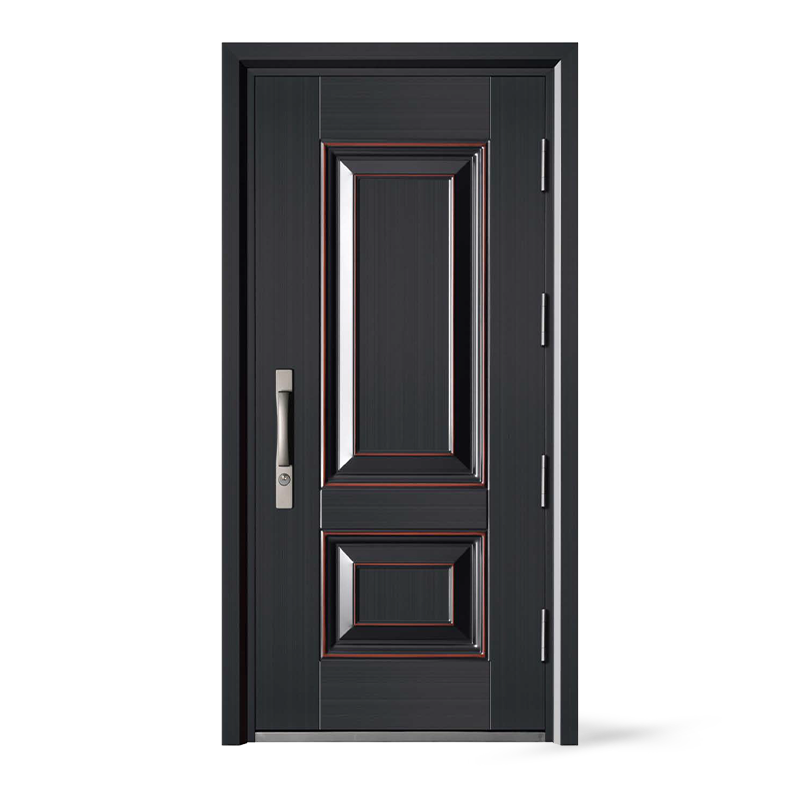
The copper color single opening UV resistant steel front door has a simple and elegant appearance design, a unique copper surface texture, and excellent decorative properties. It adopts advanced steel...
See Details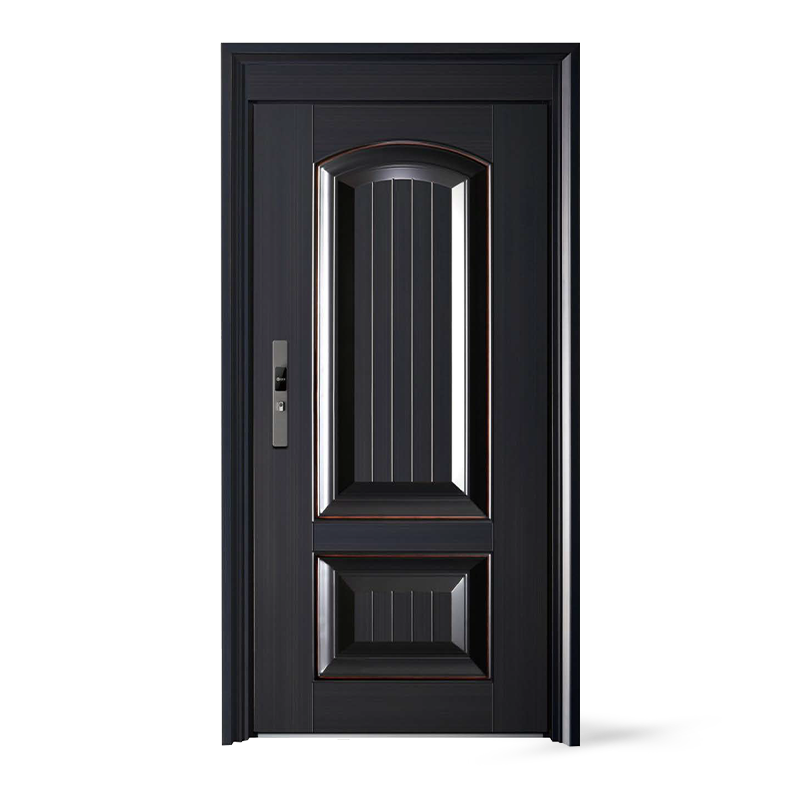
Metal steel single door security home main door is a high-quality door product designed for home security. It is made of high-quality steel, combined with modern technology and innovative design, perf...
See Details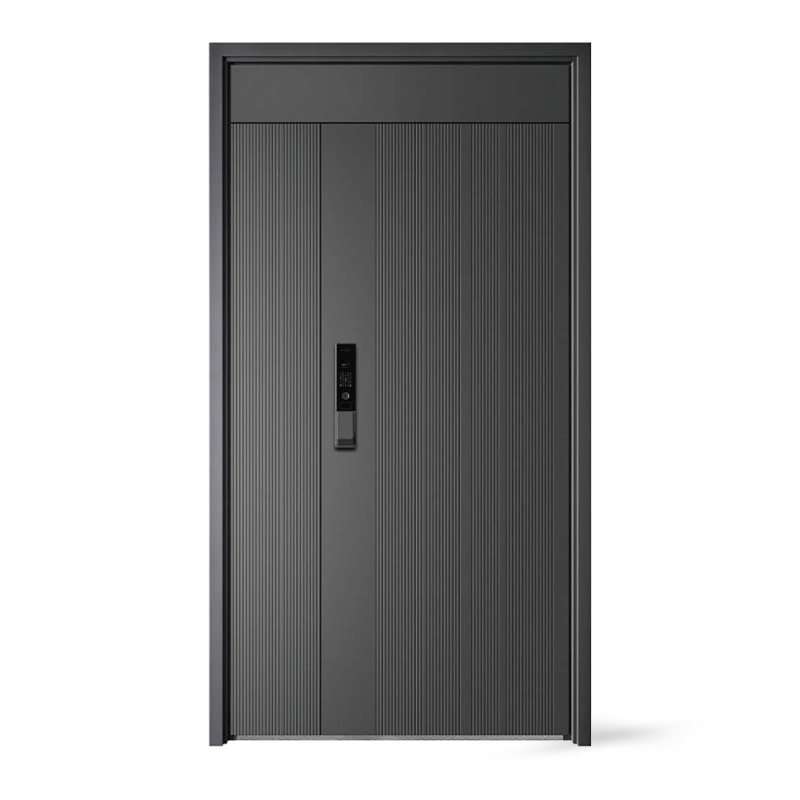
This double-layer steel fireproof and insulated front door is mainly composed of inner and outer double-layer steel plates, fireproof filling core material, inner frame reinforcement layer, heat insul...
See Details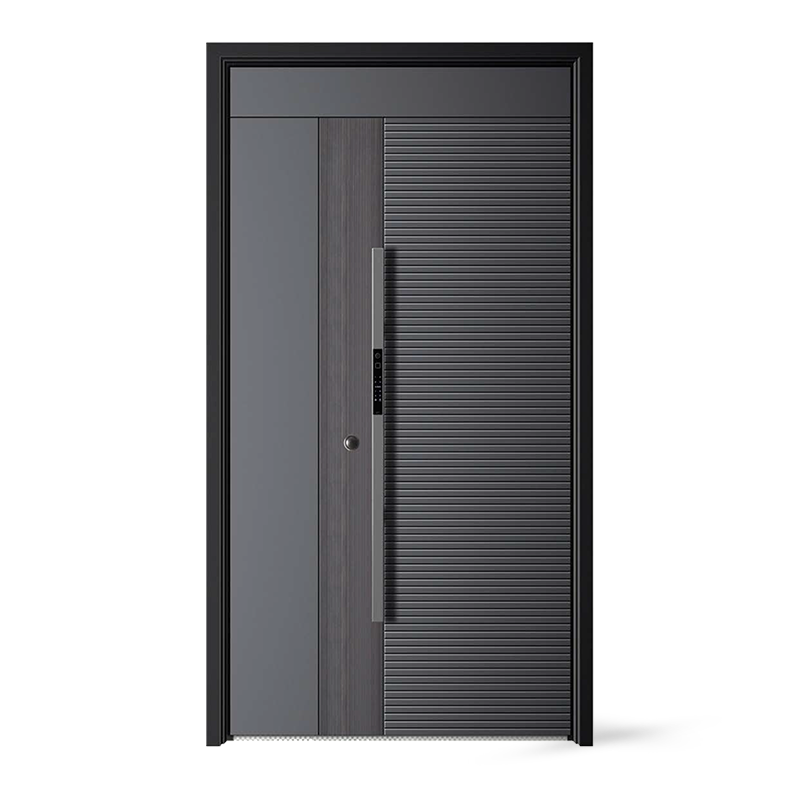
Grey design glass inset metal exterior steel front door is made of high-quality cold-rolled steel, which is precisely processed and treated to have extremely high strength and rigidity, and can effect...
See Details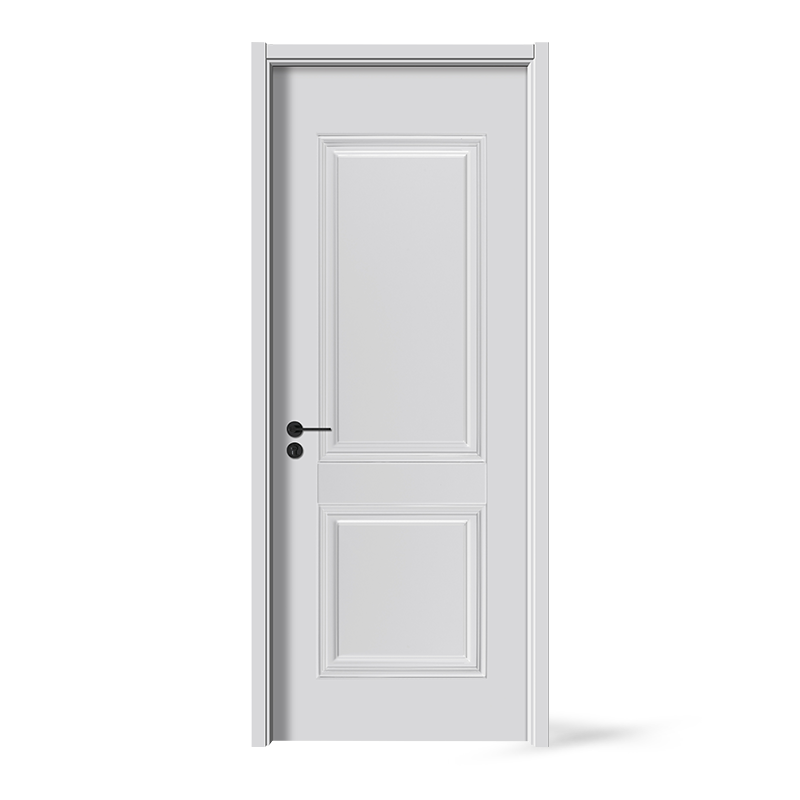
The core structure of PVC white painted teak board solid wood door is natural solid wood door core, and composite solid wood with good structural stability is selected as the basic skeleton. The solid...
See Details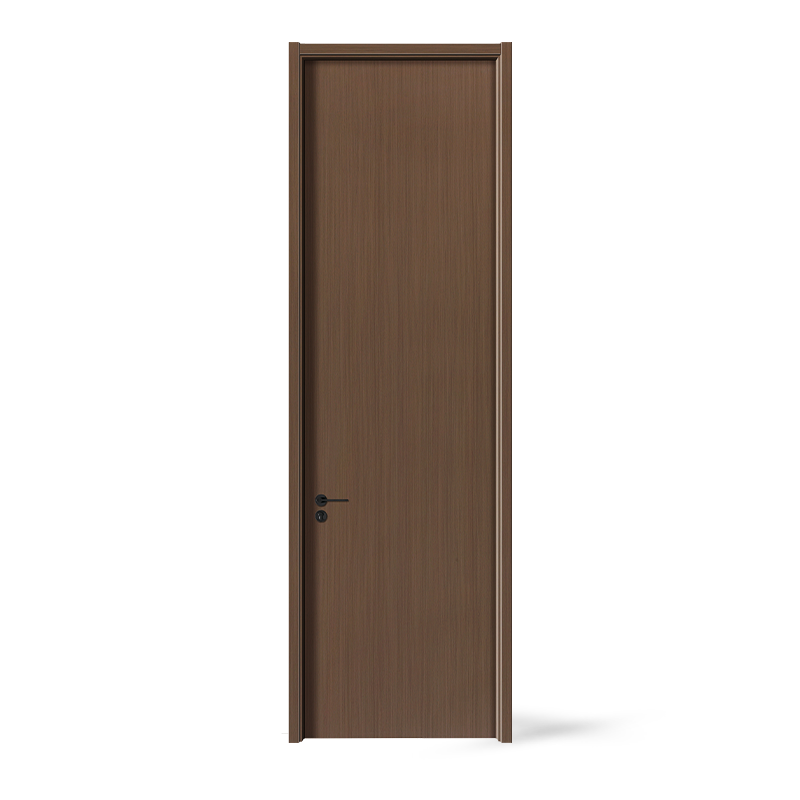
Black walnut veneer PVC interior solid wood door adopts multi-layer composite structure design. The core skeleton is generally composed of high-strength solid wood finger-jointed boards and fir integr...
See Details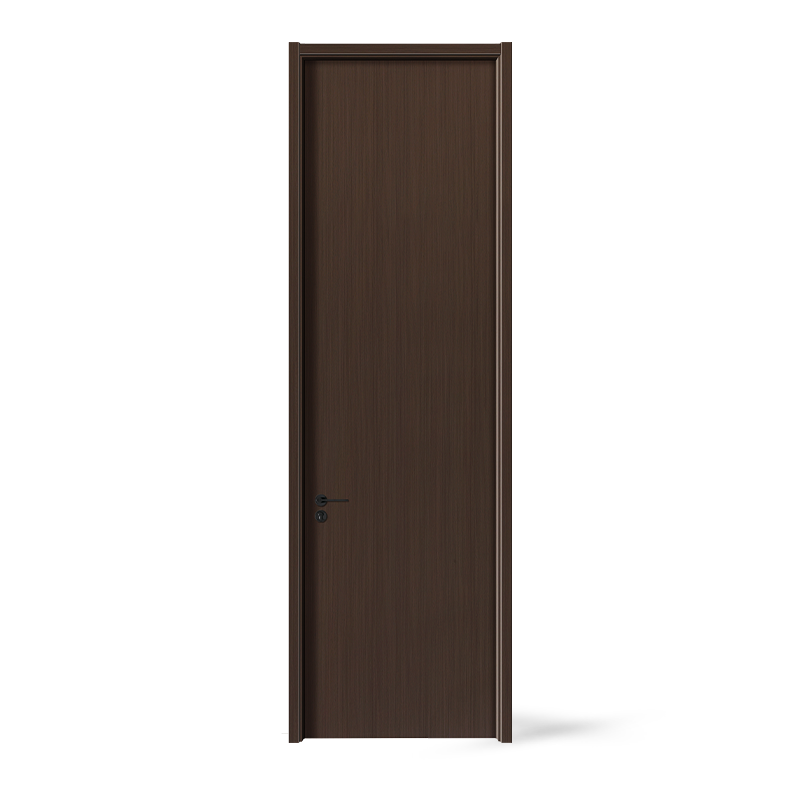
Indoor PVC wooden swing door is a high-quality door product that combines modern home design and practicality. It is widely used in various indoor spaces such as homes and offices. It uses PVC wood gr...
See Details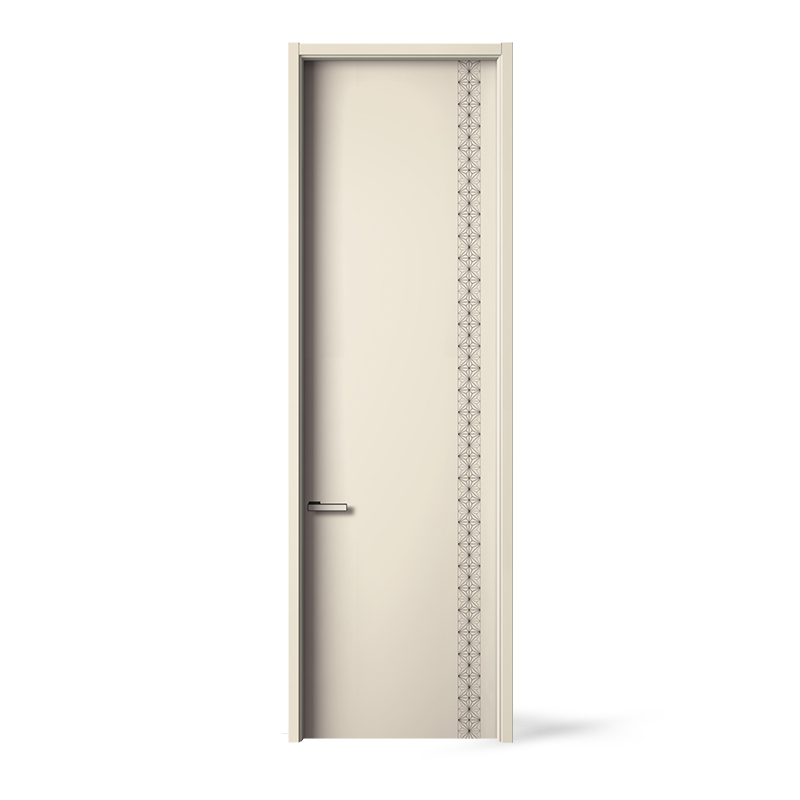
The core material of Xingyue White Waterproof Home Melamine Door uses strictly screened high-strength multi-layer solid wood boards as the base material. These base materials are made of high-quality ...
See Details1. Enhanced Durability and Weather Resistance of PVC Wood Doors PVC Wood Doors exhibit significantly enhanced durability and weather resistance when c...
READ MOREPVC Wood Doors' Innovative Materials: A Combination of Environmental Protection and Durability With the continuous evolution of modern home furnishing...
READ MOREIntroduction to Composite Wood Doors Composite wood doors have become a widely considered choice for homeowners and designers seeking alternatives to ...
READ MOREIn the world of home renovation and construction, the choice of doors is a critical decision that balances aesthetics, durability, and cost. While tra...
READ MORECopyright © Zhejiang Mingxuan Smart Home Co., Ltd. All Rights Reserved.